A complete pilgrim record drawn from the existing published article data.
Woraiyur Thanthondreswarar Temple: An Ancient Abode of Shiva
The Woraiyur Thanthondreswarar Temple stands as a profound testament to devotion in Tamil Nadu. Located in Woraiyur, the ancient capital of the early Cholas, this revered shrine is dedicated to Lord Shiva. It draws pilgrims and devotees seeking spiritual solace and a connection to its rich history. The temple embodies centuries of cultural and religious heritage, offering a serene environment for worship and contemplation, making it a significant spiritual landmark in the region.
Historical Significance
Situated in Woraiyur, a city with deep historical roots as a former capital, the temple holds a prominent place in the cultural landscape of Tamil Nadu.
Spiritual Aura
Dedicated to Lord Shiva, the temple is a revered center for worship, believed to house a self-manifested lingam, enhancing its spiritual importance.
Dravidian Marvel: The Architecture of Thanthondreswarar Temple
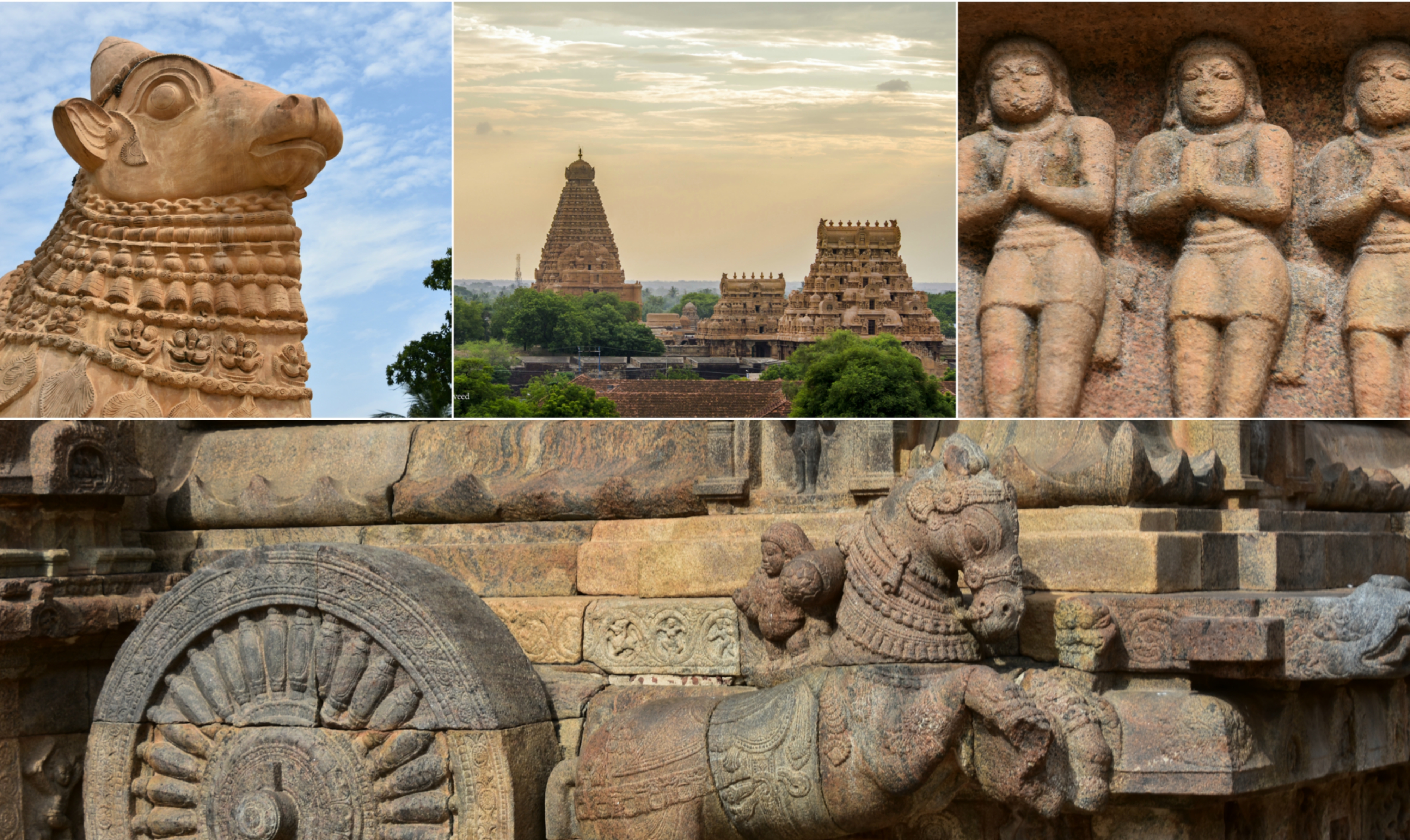
The Woraiyur Thanthondreswarar Temple exemplifies classical Dravidian architectural principles, characterized by its towering gopurams, intricately carved vimanas, and a layout that typically includes multiple mandapams. Although specific material and style details are not extensively documented, the temple showcases traditional South Indian temple construction. Its walls and pillars are adorned with sculptures depicting various deities, mythological narratives, and floral motifs, reflecting the artistic prowess of its builders and the enduring aesthetic of the Dravidian style.
Dravidian Features
The temple exhibits characteristic elements such as multi-tiered towers (gopurams) and pyramidal roofs (vimanas) over the sanctum.
Sculptural Details
Intricate carvings of gods, goddesses, and mythical figures adorn the temple's surfaces, showcasing traditional craftsmanship.
The Self-Manifested Lord: Mythology of Thanthondreswarar
The name "Thanthondreswarar" itself encapsulates the temple's central mythology, translating to "the Lord who manifested Himself." Legends associated with the temple speak of Lord Shiva appearing spontaneously as a lingam, untouched by human hands in its initial form. This self-manifestation signifies Shiva's eternal presence and divine power, making the deity particularly revered. Devotees believe that worshipping Thanthondreswarar grants profound spiritual blessings, as it connects them directly to a primordial, uncreated form of the divine.
The Self-Manifested Lingam
The presiding deity, Thanthondreswarar, is believed to be a svayambhu lingam, meaning it emerged on its own.
Divine Presence
This spontaneous manifestation underscores Lord Shiva's omnipresence and his direct connection with the sacred site.
Experiencing Divinity: A Visitor's Guide to Woraiyur Temple
Planning a visit to the Woraiyur Thanthondreswarar Temple offers a deeply enriching experience. The temple welcomes devotees daily from 6:00 AM to 12:30 PM and 4:00 PM to 9:00 PM, with free entry for all. The months from October to March are considered the best time to visit due to pleasant weather. Visitors are encouraged to wear traditional attire as a sign of respect and to remove footwear before entering. A typical visit duration ranges from 1 to 2 hours, allowing ample time for darshan and peaceful contemplation.
Planning Your Visit
The temple is open from 6:00 AM to 12:30 PM and 4:00 PM to 9:00 PM, with October to March being the ideal visiting period.
Accessibility
Located 5-7 km from Tiruchirappalli Central Bus Stand and 5-6 km from Tiruchirappalli Junction, the temple is easily reachable by local transport.
Cultural Etiquette
Traditional attire is preferred, and removing footwear is customary before entering the temple premises.
| Deity | Shiva |
|---|
The Self-Manifested Lord of Woraiyur
The name Thanthondreswarar itself narrates a profound legend. It signifies 'The Lord who manifested by Himself.' Local lore suggests that the Shiva Lingam in this temple appeared spontaneously from the earth, untouched by human hands. This divine self-emergence underscores the temple's ancient sanctity and unique spiritual power. Devotees believe that worshipping a self-manifested deity brings immense spiritual merit and fulfills sincere prayers, making this temple a revered pilgrimage site for centuries.
Where the divine manifests itself, there lies the true essence of devotion.
In the presence of the self-born Lord, all prayers find their path to fulfillment.
Related temples: Aakkoor Thanthondreeswarar Temple | Aazhimala Shiva Temple
Tracing the Millennium-Old History of Thanthondreswarar
The Woraiyur Thanthondreswarar Temple boasts an ancient lineage, deeply intertwined with the history of Woraiyur, one of the oldest inhabited cities and a capital of the early Chola dynasty. While specific details regarding its original builder and exact founding dynasty remain unknown, the temple's existence is believed to span many centuries, predating much of documented history. Its continuous worship and architectural remnants suggest a rich past, evolving through various periods of regional rule and patronage.
Ancient Origins
The temple's foundation is lost to antiquity, suggesting a construction period that predates clear historical records.
Woraiyur's Heritage
Its location in Woraiyur, the ancient capital, links the temple directly to the early Chola period and subsequent historical developments.
Modern Pilgrimage and Accessibility
Today, the Woraiyur Thanthondreswarar Temple continues to be a vibrant center of Hindu pilgrimage, drawing devotees from across Tamil Nadu and beyond. Its ancient stones resonate with centuries of prayers, offering a profound spiritual experience that blends deep historical reverence with contemporary devotion. Pilgrims often visit to seek the blessings of Lord Shiva as Thanthondreswarar and Goddess Kamalambika, particularly during auspicious days like Pradosham, Mahashivaratri, and the annual Brahmotsavam festival. These occasions see the temple precincts bustling with activity, as devotees participate in special pujas, abhishekams, and circumambulations, reaffirming their faith in this self-manifested deity. The temple serves not only as a place of worship but also as a cultural anchor, preserving age-old rituals and traditions for future generations. Situated within the historic Woraiyur region, now a part of Tiruchirappalli city, the temple enjoys relatively good accessibility for modern pilgrims. It is well-connected by local transportation from various parts of the city, and Tiruchirappalli itself is a major hub with railway and airport facilities, making it convenient for visitors from further afield. While the temple retains its ancient charm, efforts have been made to ensure a comfortable visitor experience, though it largely maintains its traditional, uncommercialized atmosphere. Surrounding the temple, one can find small shops selling puja items, flowers, and traditional snacks, contributing to the authentic pilgrimage ambiance. The temple's continued relevance underscores its role not just as a religious site, but as a significant cultural landmark contributing to the spiritual tourism landscape of Tamil Nadu.🗺 How to Reach
Hover a card to animate the journey on the map
Verified routes to Woraiyur Thanthondreswarar Temple
Common Questions
Where is Woraiyur Thanthondreswarar Temple: Lord Shiva's Divine Abode located?
Woraiyur Thanthondreswarar Temple: Lord Shiva's Divine Abode is documented at Musiri, Tamil Nadu.
Which deity is associated with Woraiyur Thanthondreswarar Temple: Lord Shiva's Divine Abode?
Woraiyur Thanthondreswarar Temple: Lord Shiva's Divine Abode is associated with Shiva.