A complete pilgrim record drawn from the existing published article data.
Kalinga Craftsmanship: The Distinctive Architecture of Visvanath Siva Temple
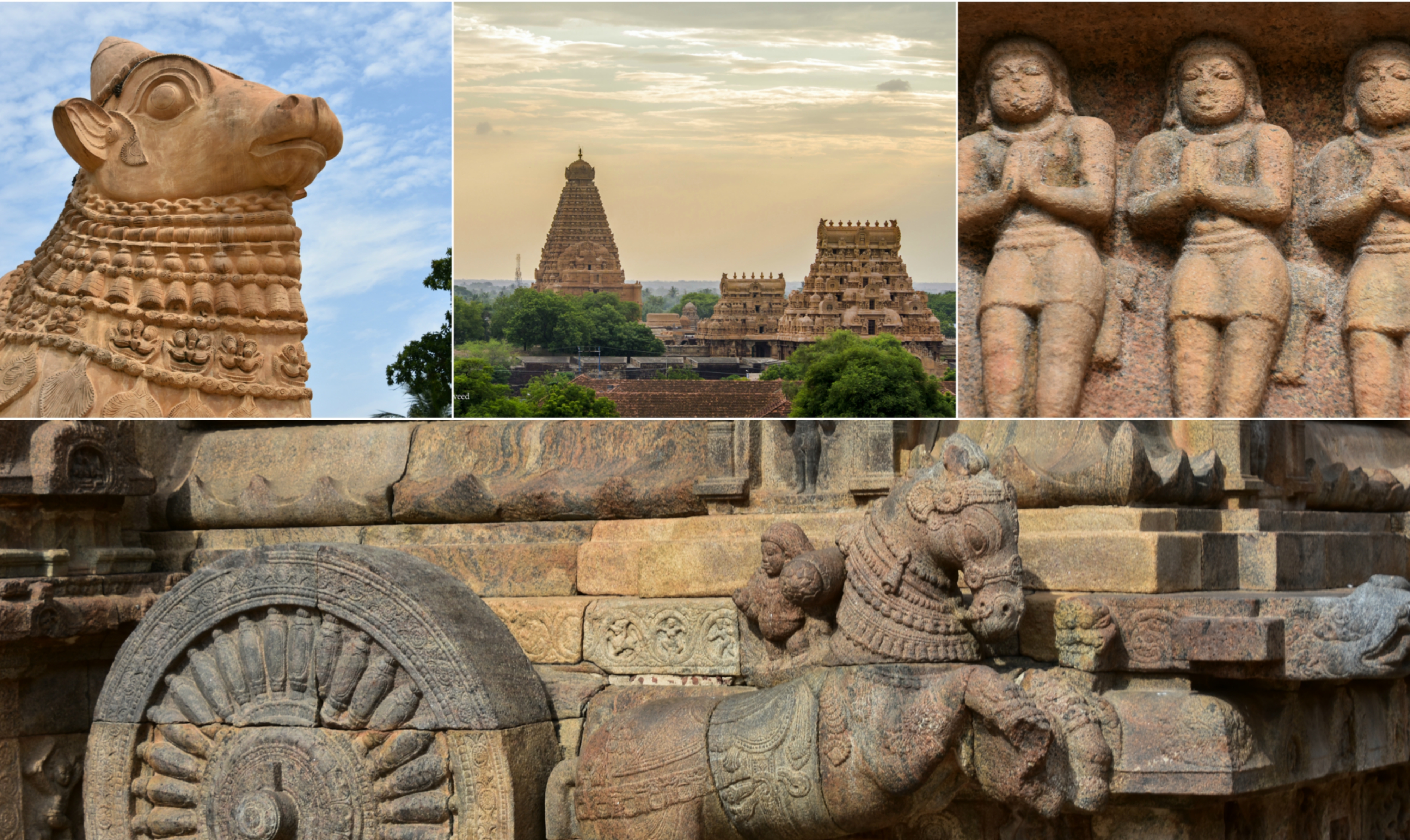
The temple's architecture exemplifies the distinctive Kalinga style, characterized by its intricate carvings, towering shikhara, and harmonious blend of religious symbolism and artistic expression. This architectural tradition, unique to Orissa, is evident in the temple's curvilinear tower (rekha deula) and its pyramidal roofed hall (pidha deula). Every surface, from the base to the finial, is adorned with meticulously sculpted figures of deities, celestial beings, mythical creatures, and floral motifs. The design reflects a profound understanding of sacred geometry and aesthetic principles.
Key Architectural Elements
The Visvanath Siva Temple showcases the classic Kalinga architectural components, including the vimana (sanctum tower) and the jagamohana (assembly hall). These structures are typically adorned with elaborate carvings and precise proportions.
Intricate Sculptural Details
The temple's exterior and interior surfaces are rich with detailed sculptures. These depict scenes from Hindu mythology, various manifestations of Shiva, and decorative patterns, all executed with remarkable precision and artistry.
The Divine Presence: Lord Shiva at Visvanath Siva Temple
At the heart of the Visvanath Siva Temple lies the veneration of Lord Shiva, whose various manifestations and associated myths form the core of the temple's spiritual practices and devotional fervor. Devotees come to offer prayers and seek blessings from Shiva, often represented by a lingam in the sanctum sanctorum. The daily rituals, hymns, and festivals are all centered around honoring this supreme deity, who is revered as the destroyer of evil and the bestower of good fortune. The temple resonates with the spiritual energy of countless acts of devotion.
Principal Deity: Lord Shiva
The presiding deity of the temple is Lord Shiva, worshipped primarily in the form of a lingam. This aniconic representation symbolizes his cosmic energy and creative-destructive power, attracting devotees from far and wide.
Rituals and Offerings
Daily rituals, known as pujas, are performed by priests, involving offerings of flowers, milk, water, and incense. These ceremonies are central to the devotional practices at the Visvanath Siva Temple, fostering a deep spiritual connection.
Discovering the Visvanath Siva Temple: A Spiritual Gateway in Bhubaneswar
The Visvanath Siva Temple stands as a testament to ancient spiritual devotion and architectural prowess in Bhubaneswar, offering visitors a profound glimpse into Orissa's rich religious heritage. Dedicated to Lord Shiva, this sacred site embodies centuries of cultural and artistic evolution, serving as a vibrant center for worship and pilgrimage. Its serene ambiance provides a spiritual retreat, drawing devotees and history enthusiasts alike to experience its timeless charm and deep-rooted traditions. The temple's presence significantly contributes to the spiritual landscape of the region.
Location and Significance
Situated in Bhubaneswar, the capital city of Orissa, the Visvanath Siva Temple is an integral part of the city's ancient temple complex. It represents a living tradition of faith and devotion, reflecting the spiritual heartbeat of the region.
A Beacon of Heritage
The temple serves as a cultural landmark, preserving the architectural styles and religious practices that have defined Orissa for generations. Its enduring structure tells a story of continuous worship and artistic expression.
Experiencing Visvanath Siva Temple: A Visitor's Guide
This practical guide provides essential information for visitors, ensuring a meaningful and well-prepared exploration of the Visvanath Siva Temple's sacred grounds and cultural offerings. Understanding the timings, entry protocols, and appropriate attire will enhance your visit, allowing for a respectful and enriching experience. The temple offers a glimpse into a living tradition, and being prepared ensures you can fully absorb its spiritual and architectural grandeur. Plan your visit during the cooler months for maximum comfort.
Timings and Entry
The temple is open from 6:00 AM to 12:30 PM and again from 4:00 PM to 9:00 PM. Entry to the temple premises is free for all visitors.
Best Time to Visit and Dress Code
The ideal time to visit is between October and March, when the weather is pleasant. Visitors are encouraged to wear traditional attire and must remove footwear before entering the temple.
Getting There
The temple is easily accessible from Bhubaneswar city center by local city buses, auto-rickshaws, or taxis. It is approximately 5-12 km from the main railway station and airport.
| Deity | Shiva |
|---|---|
| Form | Shiva is often depicted as an ascetic, adorned with a third eye, a crescent moon, and a snake around his neck, holding a trident. He is also represented by the aniconic Lingam. |
| Consort | Parvati |
| Sampradaya | Hindu |
| Significance | He is revered as the Destroyer and Transformer within the Trimurti, representing cosmic dissolution and rebirth. Shiva is also the patron of yoga, meditation, and arts, embodying both fierce and benevolent aspects. |
The Blue-Throated God
During the Samudra Manthan, the cosmic churning of the ocean, a deadly poison called Halahala emerged, threatening to destroy the universe. To save all creation, Lord Shiva consumed the potent venom. His consort, Parvati, grasped his throat to prevent the poison from descending into his body, causing his throat to turn blue. Thus, Shiva earned the epithet "Neelakantha," the blue-throated one, symbolizing his selfless act of protection and sacrifice for the welfare of the cosmos.
Shiva is the ultimate reality, the transformative power that dissolves and recreates, embodying both destruction and renewal.
In the presence of Shiva, one finds liberation and the profound peace that transcends all worldly attachments.
Tracing the Legacy: The Visvanath Siva Temple Through the Ages
Delving into the temple's historical narrative reveals its origins, patronage, and the significant periods of construction and renovation that shaped its enduring presence in Bhubaneswar. While precise foundation dates are debated, the architectural style suggests construction during a flourishing period of Kalinga art and religion. Subsequent rulers and local communities contributed to its expansion and maintenance, ensuring its survival through various historical epochs. These periods of patronage reflect the temple's continuous importance as a focal point for spiritual life and community gatherings.
Origins and Early Patronage
The Visvanath Siva Temple's origins are deeply rooted in the historical tapestry of Orissa, likely emerging during the medieval period. Early patronage by local dynasties fostered its initial development and establishment as a place of worship.
Periods of Renovation and Expansion
Over centuries, the temple underwent several phases of renovation and expansion, with various architectural additions and sculptural embellishments. These efforts preserved its structural integrity and enhanced its aesthetic and spiritual grandeur.
🗺 How to Reach
Hover a card to animate the journey on the map
Verified routes to Visvanath Siva Temple
Common Questions
Where is Visvanath Siva Temple: Bhubaneswar's Abandoned Shrine located?
Visvanath Siva Temple: Bhubaneswar's Abandoned Shrine is documented at Bhubaneswar, Orissa.
Which deity is associated with Visvanath Siva Temple: Bhubaneswar's Abandoned Shrine?
Visvanath Siva Temple: Bhubaneswar's Abandoned Shrine is associated with Shiva.