A complete pilgrim record drawn from the existing published article data.
Tracing the Ancient History of Viralipatti Mahalingeshwarar Temple
The origins of the Viralipatti Mahalingeshwarar Temple are steeped in antiquity, with evidence suggesting its existence dates back several centuries. While precise founding dates are often debated, the architectural styles observed point to contributions from various dynasties, including the Pandyas and later the Nayaks, who were prolific temple builders in Tamil Nadu. These rulers undertook significant construction and renovation efforts, expanding the temple complex and enriching its sculptural heritage. The temple has thus evolved over time, reflecting the changing artistic and religious practices of different historical periods.
Early Foundations
Historical accounts and architectural cues suggest the temple's initial structure was established during the early medieval period.
Dynastic Contributions
Subsequent additions and renovations by various South Indian dynasties have shaped its current form and preserved its sanctity.
Architectural Grandeur of Mahalingeshwarar Temple
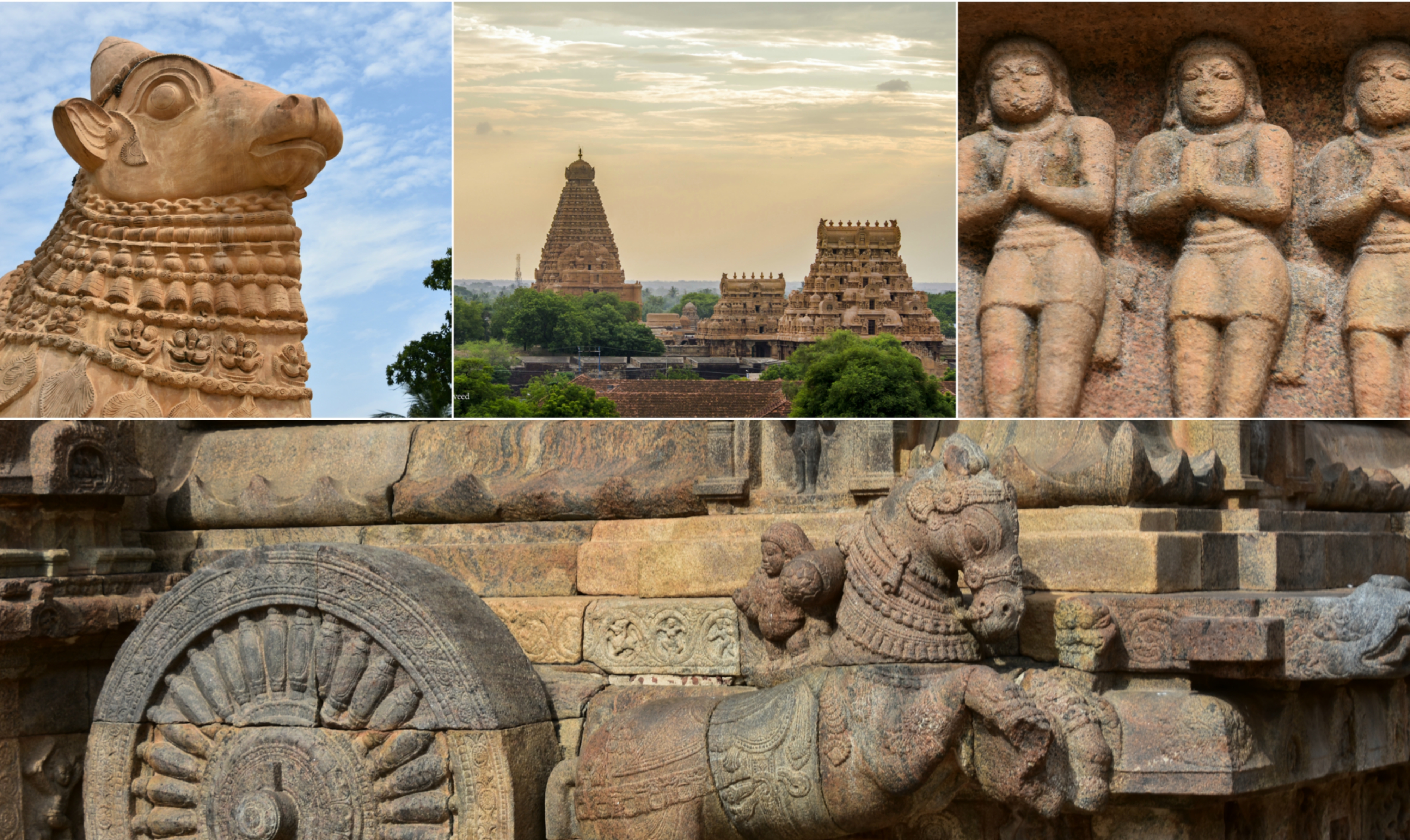
The Viralipatti Mahalingeshwarar Temple showcases a quintessential Dravidian architectural style, characterized by its towering gopurams, intricately carved pillars, and spacious mandapams. The temple's layout typically follows the agama shastras, with the sanctum sanctorum housing the main deity, surrounded by subsidiary shrines. Detailed sculptures depicting mythological narratives, deities, and celestial beings adorn the walls and ceilings, reflecting the craftsmanship of artisans from bygone eras. The use of granite stone for construction ensures its enduring strength and aesthetic appeal, making it a remarkable example of traditional temple architecture.
Dravidian Style Elements
The temple features classic Dravidian architecture, including a main vimana over the sanctum and a gopuram at the entrance.
Intricate Carvings
Stone carvings throughout the temple depict various mythological scenes, deities, and floral motifs, showcasing exquisite artistry.
Lord Mahalingeshwarar: The Presiding Deity and Legends
Lord Shiva, revered as Mahalingeshwarar, is the central deity of the Viralipatti temple. The term "Mahalingeshwarar" signifies "the great Lingam," emphasizing the cosmic form of Shiva as an infinite pillar of light. Local legends often connect the temple's origin to ancient sages who performed penance here, or to divine interventions that led to the manifestation of the lingam. Devotees believe that worshipping Mahalingeshwarar bestows prosperity, spiritual liberation, and protection from adversities. The presence of the lingam as the primary object of worship underscores the temple's deep spiritual significance and connection to Shiva's primordial energy.
Manifestation of Shiva
Mahalingeshwarar represents Shiva in his most fundamental form, the lingam, symbolizing creation, preservation, and dissolution.
Local Lore and Beliefs
Stories passed down through generations speak of the deity's miraculous powers and the fulfillment of devotees' prayers.
Rituals, Festivals, and Spiritual Practices at Viralipatti
Daily rituals at Viralipatti Mahalingeshwarar Temple are meticulously performed according to Shaivite agama traditions. These include morning poojas, abhishekam (ritual bathing) of the lingam, and evening deeparadhanai (waving of lamps). The temple actively celebrates several major Hindu festivals, with Maha Shivaratri being the most significant, drawing large crowds for special prayers and fasting. Other important observances include Pradosham and Annabhishekam, where the lingam is adorned with cooked rice. Devotees often offer vilva leaves and perform circumambulations, seeking divine blessings and spiritual purification.
Daily Worship
Regular poojas, abhishekam, and deeparadhanai are conducted throughout the day, following traditional Shaivite practices.
Major Festivals
Maha Shivaratri is the primary festival, alongside Pradosham and Karthigai Deepam, celebrated with great fervor and devotion.
Planning Your Pilgrimage to Viralipatti Mahalingeshwarar Temple
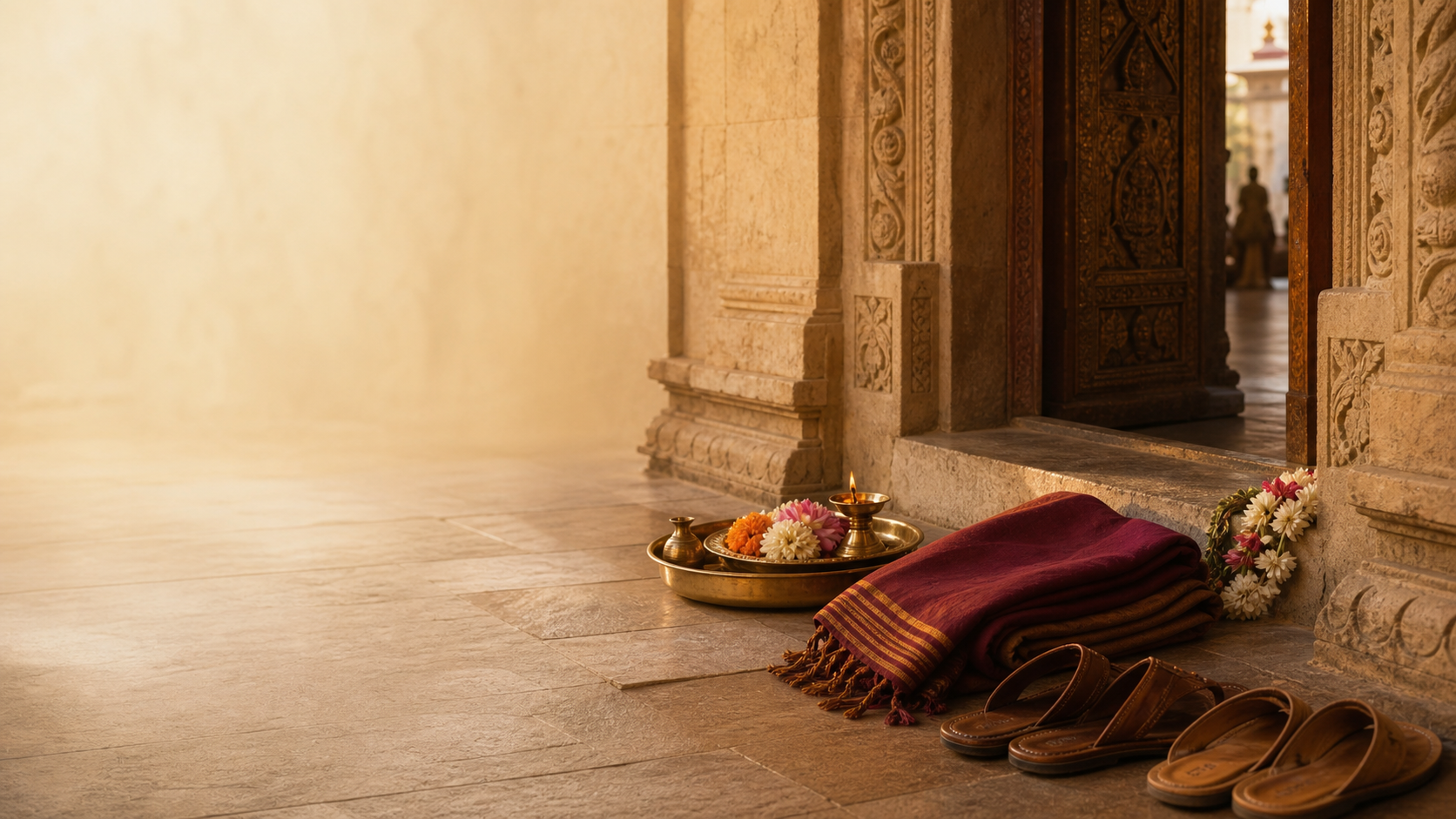
Visiting Viralipatti Mahalingeshwarar Temple offers a serene spiritual experience. The temple operates from 6:00 AM to 12:30 PM and 4:00 PM to 9:00 PM, with free entry for all. The period from October to March is considered the best time to visit due to pleasant weather. Traditional attire is preferred, and footwear must be removed before entering. A visit typically lasts 1–2 hours. The temple is approximately 15 km from Dindigul Junction and Central Bus Stand, with frequent local buses available. Madurai Airport is about 70 km away. Parking is available for cars.
Temple Timings and Entry
The temple is open from 6:00 AM to 12:30 PM and 4:00 PM to 9:00 PM daily, with free admission.
Accessibility and Transport
Located about 15 km from Dindigul, it's accessible by bus from Dindigul Central Bus Stand. Dindigul Junction is the nearest train station. Madurai Airport (IXM) is 70 km away.
Best Time to Visit and Etiquette
The ideal time to visit is October to March. Visitors are encouraged to wear traditional attire and remove footwear.
| Deity | Shiva |
|---|---|
| Form | Shiva is often depicted in various forms, including the aniconic Lingam, symbolizing his formless and infinite nature. Anthropomorphic representations show him with a third eye, a crescent moon, and a snake around his neck. |
| Consort | Parvati |
| Sampradaya | Hindu |
| Significance | As one of the principal deities of Hinduism, Shiva is known as the Destroyer and Transformer within the Trimurti. He represents the cyclical nature of existence, asceticism, and is the patron of yoga and arts. |
No Specific Temple Story
Details of specific mythological stories or legends associated directly with the Viralipatti Mahalingeshwarar Temple were not provided in the given information.
Shiva, the Destroyer and Transformer, embodies the cyclical nature of existence, guiding devotees through the cosmic dance of creation and dissolution.
In the sacred Lingam, Shiva's formless and infinite essence is revealed, inviting contemplation on the boundless nature of the divine.
Viralipatti Mahalingeshwarar Temple: A Sacred Abode in Dindigul
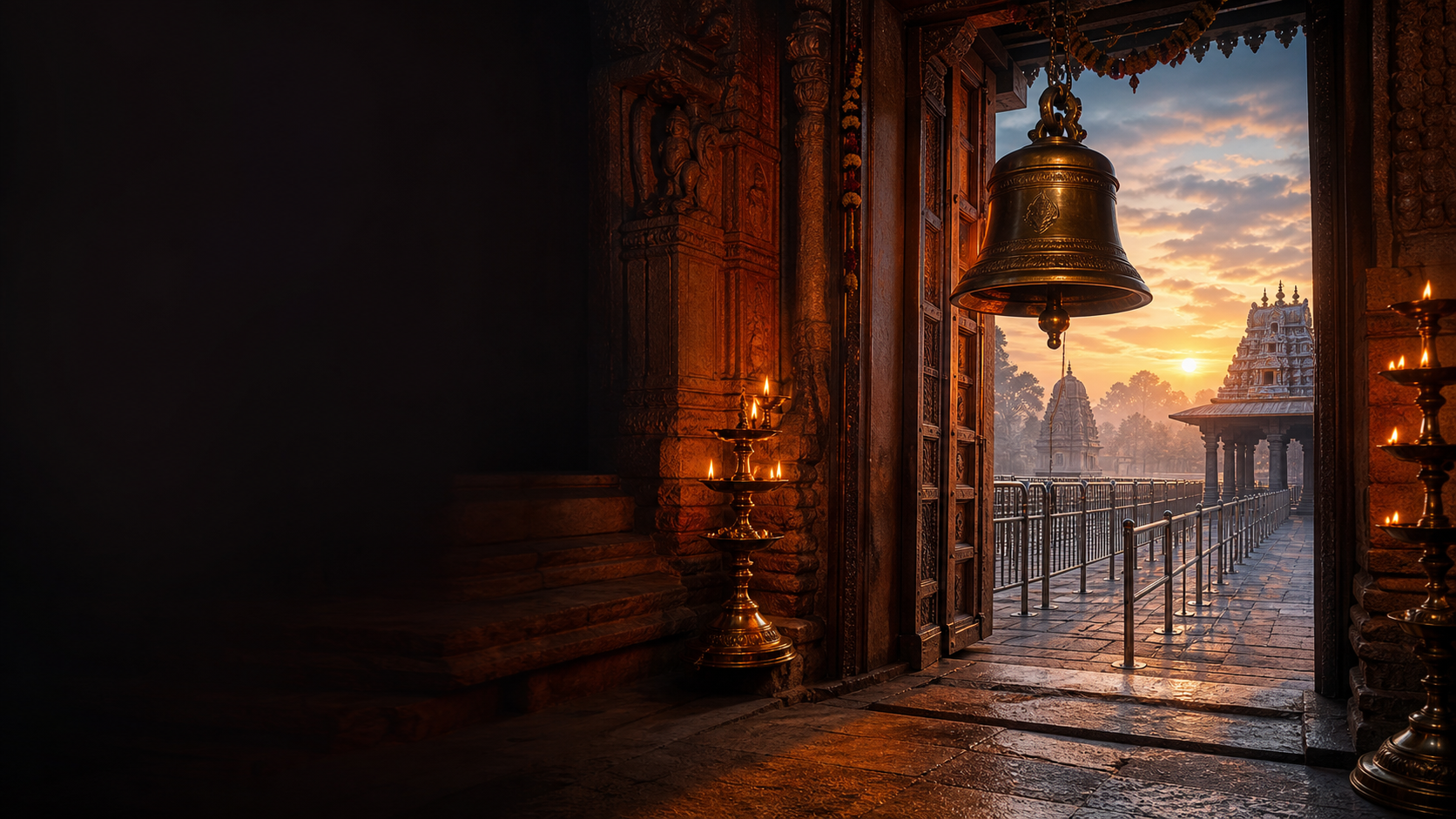
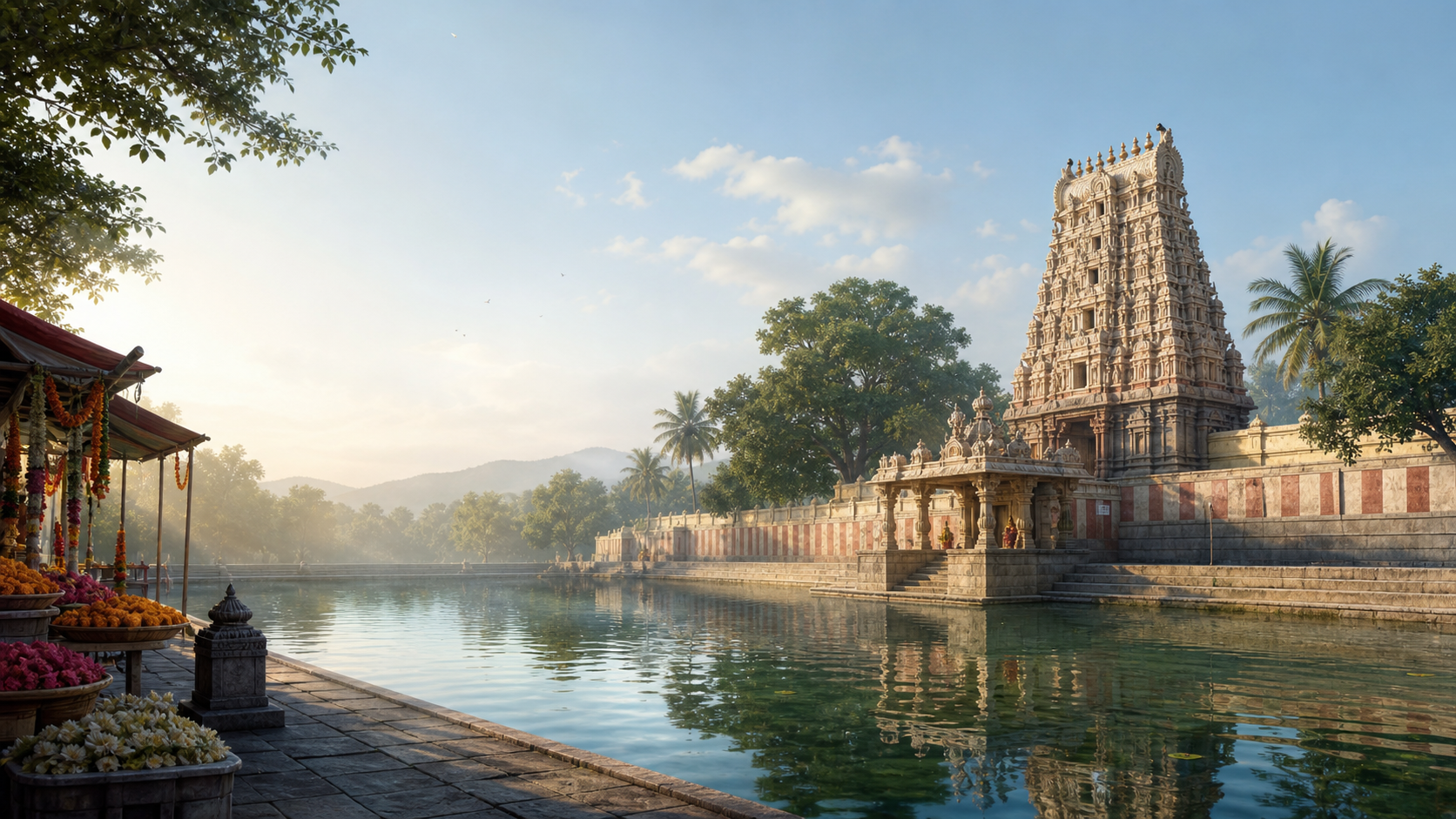
The Viralipatti Mahalingeshwarar Temple, nestled in the serene village of Viralipatti in Tamil Nadu's Dindigul district, stands as a revered sanctuary dedicated to Lord Shiva. This ancient temple is a significant pilgrimage site, drawing devotees seeking spiritual solace and blessings from Mahalingeshwarar, a prominent manifestation of Shiva. Its tranquil setting amidst the rural landscape offers a profound spiritual experience, embodying the rich cultural and religious heritage of the region. The temple serves as a focal point for local communities, preserving age-old traditions and fostering devotion.
Location and Significance
Situated approximately 15 km from Dindigul city, the temple is easily accessible and holds deep spiritual importance for Shiva devotees.
Presiding Deity
Lord Shiva is worshipped here as Mahalingeshwarar, a powerful and benevolent form, with his consort Goddess Parvati.
🗺 How to Reach
Hover a card to animate the journey on the map
Verified routes to Viralipatti Mahalingeshwarar Temple
Common Questions
Where is Viralipatti Mahalingeshwarar: Natchathara Star Temple in Dindigul located?
Viralipatti Mahalingeshwarar: Natchathara Star Temple in Dindigul is documented at Dindigul, Tamil Nadu.
Which deity is associated with Viralipatti Mahalingeshwarar: Natchathara Star Temple in Dindigul?
Viralipatti Mahalingeshwarar: Natchathara Star Temple in Dindigul is associated with Shiva.