A complete pilgrim record drawn from the existing published article data.
Tracing the Ancient Roots of Vasishteswarar Temple
The Vasishteswarar Temple boasts a rich historical lineage, with its origins believed to date back to the Chola period, around the 9th to 12th centuries CE. While specific founding dates are debated, inscriptions found within the temple complex suggest significant patronage and renovations by various Chola kings. Subsequent dynasties, including the Nayaks and Marathas, also contributed to its preservation and expansion, ensuring its enduring legacy. This continuous patronage highlights the temple's sustained importance as a religious and cultural landmark throughout Tamil Nadu's history.
Chola Era Foundations
Evidence points to the temple's initial construction and development under the powerful Chola dynasty, known for their temple-building prowess.
Dynastic Patronage
Over centuries, various rulers from different dynasties have contributed to the temple's upkeep, adding structures and maintaining its sanctity.
Inscriptional Records
Historical inscriptions on the temple walls provide valuable insights into its age, benefactors, and the socio-religious life of the times.
Architectural Grandeur of Vasishteswarar Temple
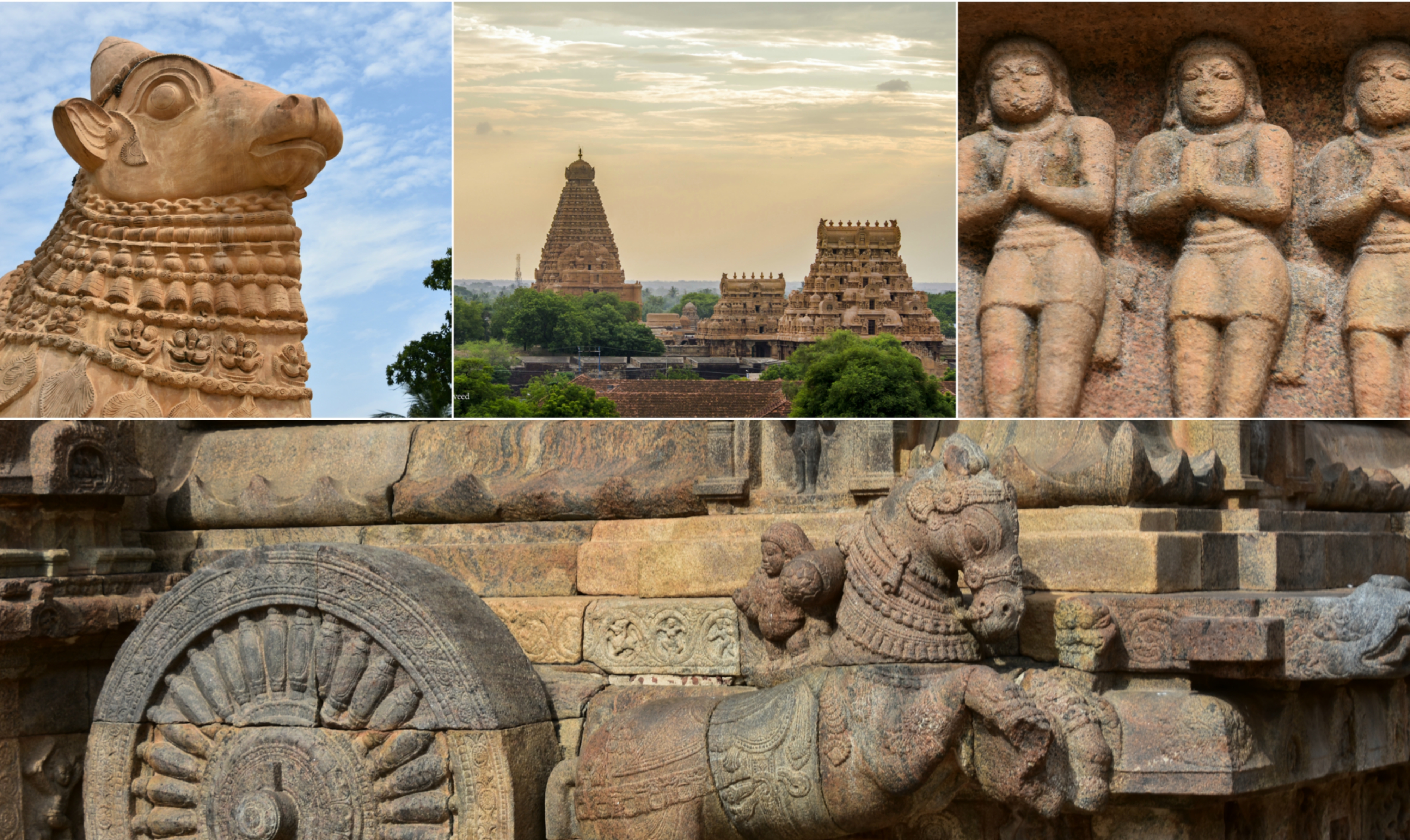
The Vasishteswarar Temple exemplifies the classic Dravidian style of architecture, characterized by its towering gopurams, intricate carvings, and robust stone construction. The temple complex is typically laid out with a central shrine surrounded by various mandapams and smaller shrines, all enclosed within high walls. The vimana, or the tower above the sanctum, showcases elaborate stucco work and sculptures depicting mythological narratives. Every pillar and wall surface is adorned with detailed artistry, reflecting the skilled craftsmanship of ancient Tamil sculptors and architects.
Dravidian Style Elements
Key features include multi-tiered gopurams, pillared halls (mandapams), and a central sanctum sanctorum.
Intricate Sculptures
The temple is rich in detailed carvings of deities, mythical creatures, and historical events, adorning its walls and pillars.
Layout and Design
The architectural plan follows traditional temple building principles, ensuring sacred geometry and a harmonious flow for devotees.
Lord Shiva and the Legends of Vasishteswarar
The presiding deity of the temple is Lord Shiva, worshipped here as Vasishteswarar. The temple's name itself is derived from the revered sage Vasishta, who, according to legend, performed intense penance and worshipped Lord Shiva at this very spot. It is believed that Lord Shiva, pleased with Vasishta's devotion, appeared before him, thus earning the deity the name Vasishteswarar. Another significant legend recounts the story of the Pancha Bootha Sthalams, with Thiruvaiyaru being associated with the element of water (Appu Kshetra), although this is more commonly linked to the nearby Thiruvanaikaval temple. The temple also celebrates the legend of Nandhi, Shiva's divine bull, who is believed to have received blessings here.
Sage Vasishta's Penance
The central legend revolves around Sage Vasishta's worship of Lord Shiva, leading to the deity's manifestation and the temple's name.
Presiding Deity
Lord Shiva, in the form of Vasishteswarar, is the primary deity, revered by devotees for his benevolent presence.
Nandhi's Blessings
Folklore suggests that Nandhi, Lord Shiva's mount, also received divine grace and blessings at this sacred site.
Planning Your Pilgrimage to Vasishteswarar Temple
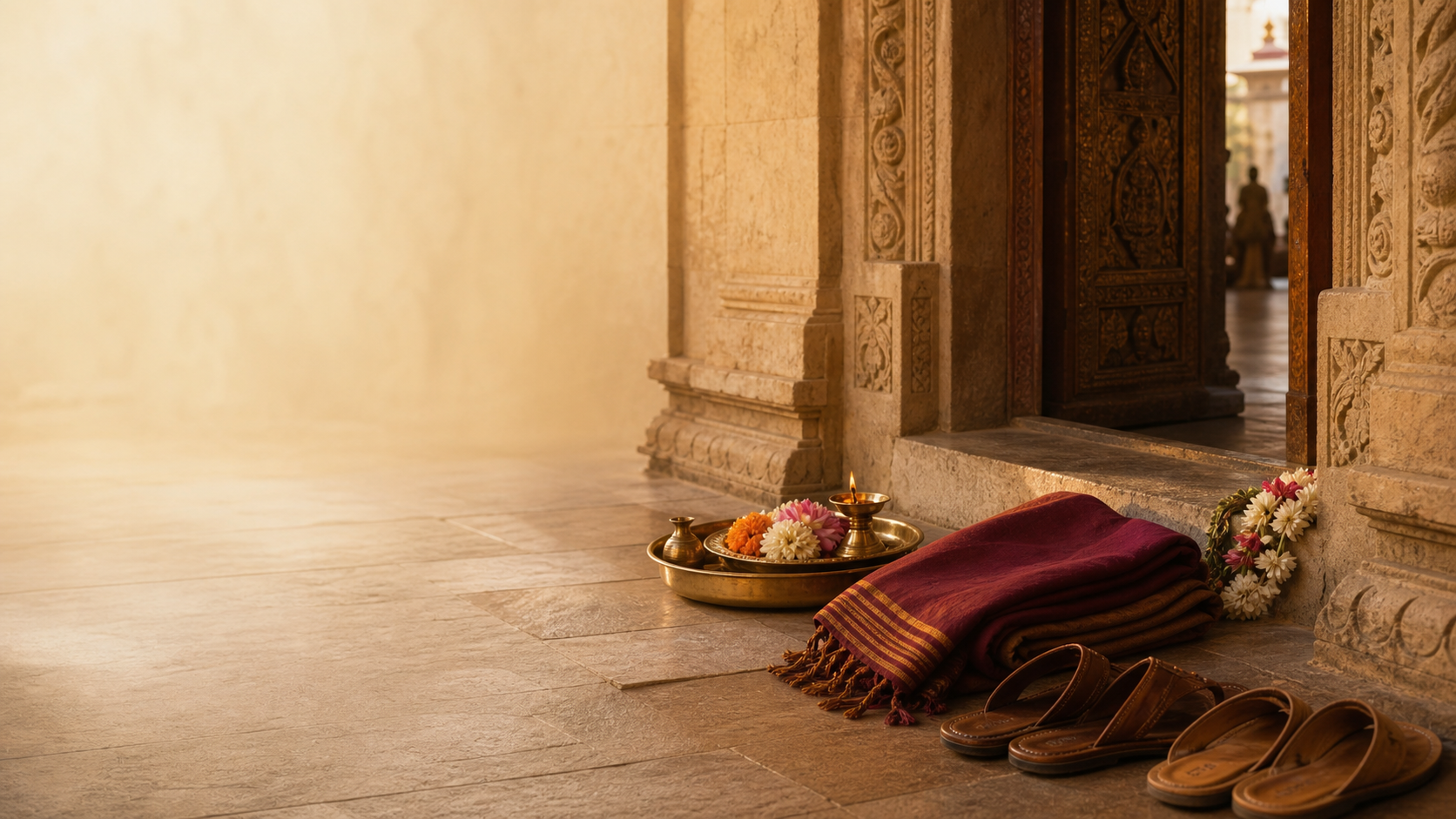
Visiting the Vasishteswarar Temple offers a serene spiritual experience. The temple is open daily from 6:00 AM to 12:00 PM and 4:00 PM to 8:30 PM, with free entry for all. The months from October to March are considered the best time to visit, offering pleasant weather. Devotees are encouraged to wear traditional attire and remove footwear before entering the temple premises, respecting local customs. A visit typically lasts 1 to 2 hours. The temple is easily accessible by bus from Thanjavur and Kumbakonam, and Thanjavur Junction is the nearest major train station. Parking is available for those traveling by car. Nearby attractions include the Panchanadeeswarar Temple and the Cauvery River banks.
Temple Timings and Entry
The temple operates on a split schedule, opening in the morning and evening, with no entry fee.
Best Time to Visit and Attire
The cooler months are ideal for a pilgrimage, and traditional clothing is preferred to honor local customs.
Accessibility and Nearby Sights
The temple is well-connected by road, with train and flight options to nearby cities, and offers other cultural sites in its vicinity.
| Deity | Lord Shiva |
|---|---|
| Form | Lord Shiva is commonly worshipped in the aniconic form of the Lingam, symbolizing his cosmic energy and presence. He is also depicted anthropomorphically with a third eye, crescent moon, and a trident. |
| Consort | Goddess Parvati |
| Sampradaya | Shaivism |
| Significance | As a principal deity in Hinduism, Shiva is revered as the Destroyer and Transformer within the Trimurti, representing the cyclical nature of existence. He is the supreme being in Shaivism, embodying both asceticism and cosmic dance. |
The Sage's Devotion to Vasishteswarar
Legend has it that the revered sage Vasishta, one of the Saptarishis, performed intense penance at this sacred spot. Through his profound devotion and unwavering meditation, he worshipped Lord Shiva. Pleased by Vasishta's piety, Lord Shiva appeared before him, bestowing blessings and granting his wishes. In honor of the sage's devotion, the Shiva Lingam here became known as Vasishteswarar, signifying "the Lord worshipped by Vasishta." This tale underscores the temple's ancient sanctity and the power of sincere devotion.
In the heart of Thiruvaiyaru, Lord Shiva stands eternal, the cosmic dancer whose rhythm sustains and transforms all existence.
Seek refuge in the Destroyer of evil, the benevolent one who grants liberation and peace to all who worship with a pure heart.
Vasishteswarar Temple: A Sacred Abode in Thiruvaiyaru
The Vasishteswarar Temple, nestled in the historic town of Thiruvaiyaru in Tamil Nadu, stands as a revered ancient Hindu temple dedicated to Lord Shiva. It is a significant spiritual center, drawing devotees seeking blessings from its presiding deity. Known for its tranquil ambiance and deep-rooted spiritual importance, the temple embodies centuries of devotion and cultural heritage. It serves as a testament to the enduring faith in Shaivism within the region, offering a profound experience for pilgrims and visitors alike.
Spiritual Significance
The temple is considered highly sacred, believed to grant spiritual solace and fulfill prayers for its devotees.
Location and Heritage
Situated in Thiruvaiyaru, renowned for its musical heritage, the temple is an integral part of the town's cultural landscape.
🗺 How to Reach
Hover a card to animate the journey on the map
Verified routes to Vasishteswarar Temple
Common Questions
Where is Vasishteswarar Temple: Chola Era Marvel in Thittai located?
Vasishteswarar Temple: Chola Era Marvel in Thittai is documented at Thiruvaiyaru, Tamil Nadu.
Which deity is associated with Vasishteswarar Temple: Chola Era Marvel in Thittai?
Vasishteswarar Temple: Chola Era Marvel in Thittai is associated with Shiva.