A complete pilgrim record drawn from the existing published article data.
Tracing the Legacy: History of Varagunapandieshwarar Temple
The historical origins of the Varagunapandieshwarar Temple are largely unrecorded, with its exact construction date and builder remaining unknown. However, the temple's name, 'Varagunapandieshwarar,' strongly suggests a deep connection to the Pandya dynasty, particularly King Varaguna, who was a significant patron of Shiva temples in ancient Tamil Nadu. While specific timelines are not available, the architectural characteristics and local traditions point to an ancient foundation, possibly dating back centuries. Subsequent periods likely saw various renovations and expansions, reflecting the continuous devotion of local rulers and communities.
Pandya Dynasty Connection
The temple's nomenclature indicates a probable association with the Pandya kings, renowned for their contributions to temple architecture and Saivism.
Unrecorded Origins
Despite its ancient appearance, detailed historical records regarding the temple's initial construction and early patrons are not readily available.
Evolution Over Time
Like many ancient temples, Varagunapandieshwarar Temple has likely undergone multiple phases of development, with various local chieftains and devotees contributing to its upkeep and enhancements.
Architectural Marvels of Varagunapandieshwarar Temple
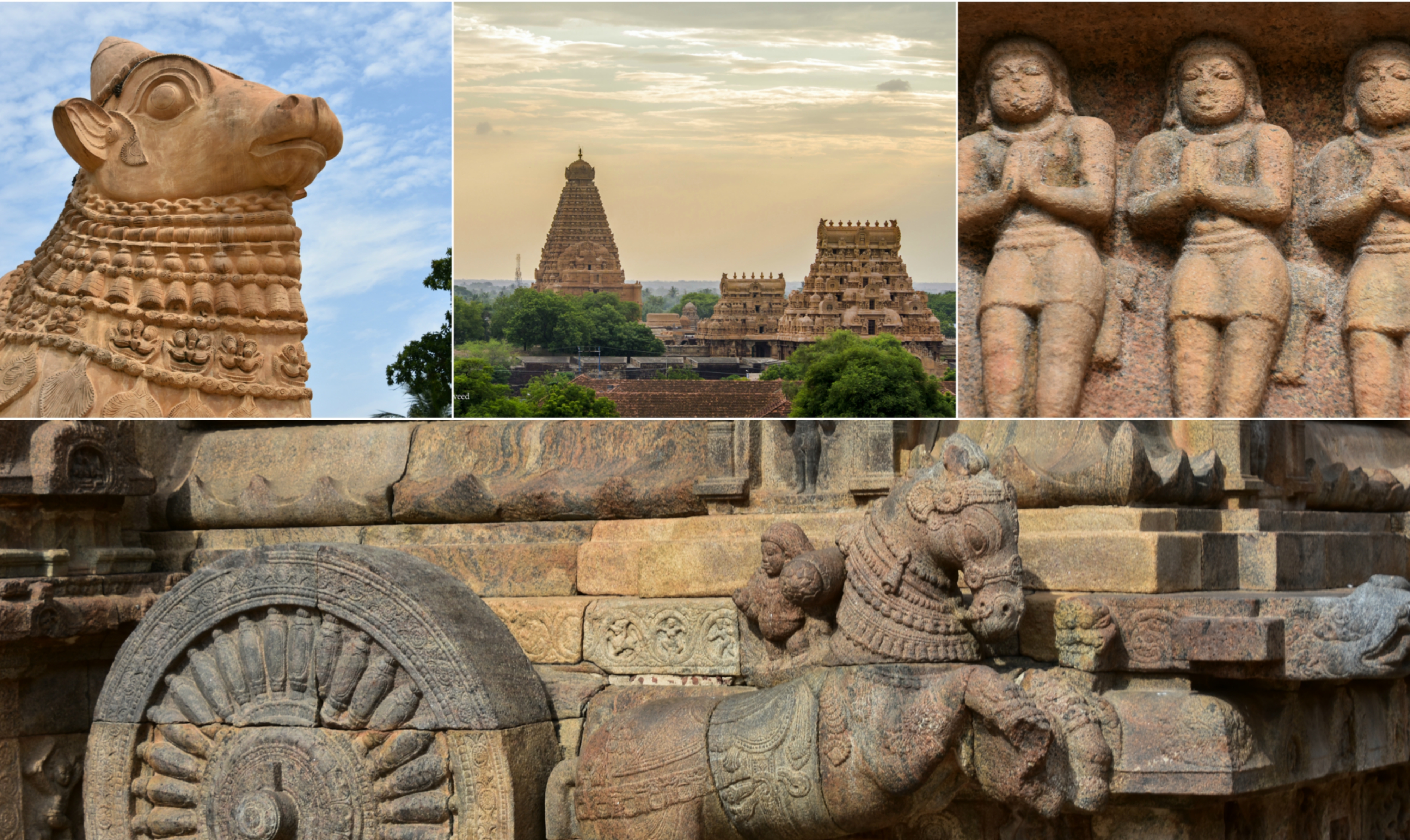
The Varagunapandieshwarar Temple exemplifies the traditional Dravidian architectural style, characterized by its robust stone construction and intricate detailing. Although specific stylistic classifications are unknown, the temple features typical elements such as a central shrine (vimana) housing the main deity, surrounded by various mandapams (halls) for devotees. The gopurams, though perhaps not as towering as some larger temples, exhibit fine craftsmanship. Sculptures and carvings adorning the walls and pillars depict mythological narratives and divine figures, reflecting the rich artistic heritage of the region. The layout adheres to ancient temple building traditions, creating a sacred space for worship.
Dravidian Style Elements
The temple showcases characteristic Dravidian architectural features, including stone structures, pillar designs, and sculptural embellishments.
Intricate Carvings
Detailed carvings on the temple's exterior and interior walls narrate episodes from Hindu mythology and showcase various deities.
Temple Layout
The traditional layout includes a sanctum sanctorum, various halls, and possibly a circumambulatory path, designed for devotional practices.
The Divine Presence: Lord Shiva and Temple Legends
At the heart of the Varagunapandieshwarar Temple resides Lord Shiva, worshipped in the form of Varagunapandieshwarar. This specific manifestation of Shiva is intrinsically linked to the temple's name, suggesting a connection to the Pandya king Varaguna, who was a fervent devotee of Shiva. While no specific local legends or stories have been documented about this particular temple, the worship here follows the broader Hindu Shaivite tradition, emphasizing devotion to Shiva as the supreme being. Devotees believe that offering prayers to Varagunapandieshwarar bestows blessings, spiritual solace, and fulfills desires, reinforcing the temple's profound spiritual significance.
Lord Shiva as Varagunapandieshwarar
The presiding deity is Lord Shiva, revered in the unique form of Varagunapandieshwarar, a name possibly derived from a Pandya monarch.
Shaivite Tradition
The temple adheres to the Shaivite sect of Hinduism, focusing on the worship of Shiva as the primary deity and cosmic dancer.
Spiritual Significance
Devotees visit seeking spiritual merit, peace, and the fulfillment of prayers, believing in the potent blessings of Lord Varagunapandieshwarar.
Planning Your Visit to Varagunapandieshwarar Temple
Visiting the Varagunapandieshwarar Temple offers a serene cultural and spiritual experience. The temple is open from 6:00 AM to 12:30 PM and again from 4:00 PM to 9:00 PM, with free entry. The optimal time to visit is between October and March, when the weather is most pleasant. Visitors are encouraged to wear traditional attire and remove footwear before entering, respecting local customs. A visit typically lasts 1 to 2 hours. The temple is accessible by local bus from Sathankulam. Tirunelveli Junction (50 km) is the nearest major train station, and Tuticorin Airport (60 km) serves air travelers.
Temple Timings and Entry
The temple is open daily from 6:00 AM to 12:30 PM and 4:00 PM to 9:00 PM, with no entry fee.
Best Time to Visit and Dress Code
The months from October to March offer the best weather. Traditional attire is preferred, and footwear must be removed.
Transportation Options
The temple is reachable by local bus from Sathankulam. Tirunelveli Junction is the nearest train station, and Tuticorin Airport is the closest airport.
| Deity | Shiva |
|---|
The Cosmic Dance of Shiva
Lord Shiva, as Nataraja, performs the Ananda Tandava, the dance of bliss. This cosmic dance symbolizes the five principal manifestations of eternal energy: creation, preservation, dissolution, illusion, and liberation. Through his dance, Shiva continuously creates and destroys the universe, maintaining cosmic balance and offering a path to spiritual freedom for all beings. This eternal rhythm is central to understanding Shiva's divine nature.
Shiva, the destroyer and transformer, reminds us that change is the only constant, paving the way for new creation.
In the cosmic dance of Shiva, the universe finds its rhythm, a timeless cycle of existence and dissolution.
Related temples: Aakkoor Thanthondreeswarar Temple | Aazhimala Shiva Temple
Varagunapandieshwarar Temple: A Sacred Abode in Tamil Nadu
The Varagunapandieshwarar Temple, nestled in the serene village of Pallakuruchi near Sathankulam in Tamil Nadu, stands as a significant spiritual landmark. Dedicated to Lord Shiva, known here as Varagunapandieshwarar, this ancient Hindu temple is a revered site for devotees across the region. Its tranquil setting and spiritual ambiance offer a profound experience, drawing visitors seeking blessings and a connection to divine energy. The temple's prominence in the local landscape underscores its enduring religious and cultural importance within the vibrant temple tradition of Tamil Nadu.
Location and Accessibility
The temple is situated in Pallakuruchi, a village easily accessible from Sathankulam town center, approximately 5-10 km away.
Principal Deity
Lord Shiva is the primary deity worshipped here, manifested as Varagunapandieshwarar, signifying his association with the ancient Pandya lineage.
Spiritual Significance
As a sacred Shiva temple, it holds deep spiritual value, serving as a center for worship, meditation, and various religious ceremonies.
Restoration and Conservation Efforts
The Varagunapandieshwarar Temple, with its ancient origins dating back centuries, has naturally undergone various phases of restoration and conservation to preserve its structural integrity and artistic heritage. Over time, the effects of weather, natural calamities, and human activity necessitated interventions to safeguard its intricate carvings, weathered stone walls, and delicate stucco work. Early efforts, often initiated by local communities and religious trusts, focused on essential repairs to prevent collapse and maintain functionality for daily worship. More recent, systematic conservation projects have employed modern archaeological and architectural techniques, collaborating with heritage experts to ensure that repairs are sympathetic to the original construction methods and materials, thereby retaining the temple's historical authenticity and aesthetic value.
The ongoing conservation of Varagunapandieshwarar Temple presents a continuous challenge, requiring significant financial resources and specialized expertise. Government bodies, such as the Archaeological Survey of India (ASI) or the Tamil Nadu Department of Archaeology, along with various non-governmental organizations and local endowments, play a crucial role in funding and executing these preservation initiatives. Future plans often include detailed documentation of the temple's architecture, material analysis to identify optimal preservation treatments, and the implementation of environmental controls to mitigate further degradation. Educating pilgrims and local residents about the importance of heritage preservation is also a key component, ensuring that this sacred site remains a vibrant center of faith and a testament to ancient craftsmanship for generations to come.
🗺 How to Reach
Hover a card to animate the journey on the map
Verified routes to Varagunapandieshwarar Temple, Pallakuruchi
Common Questions
Where is Varagunapandieshwarar Temple: Ancient Shiva Shrine in Tamil Nadu located?
Varagunapandieshwarar Temple: Ancient Shiva Shrine in Tamil Nadu is documented at Sathankulam, Tamil Nadu.
Which deity is associated with Varagunapandieshwarar Temple: Ancient Shiva Shrine in Tamil Nadu?
Varagunapandieshwarar Temple: Ancient Shiva Shrine in Tamil Nadu is associated with Shiva.