A complete pilgrim record drawn from the existing published article data.
Tracing the Ancient Roots and Evolution of Vannivedu
The historical origins of the Vannivedu Agatheeswarar Temple remain largely unrecorded, with its builder and founding dynasty currently unknown. Despite the absence of specific historical documentation, the temple's architectural elements and traditional practices suggest a deep antiquity, implying centuries of continuous worship and local patronage. Its enduring presence through various periods points to its integral role in the community's spiritual life, undergoing renovations and expansions sustained by local devotion rather than specific royal decrees.
Unrecorded Origins
The exact date of construction and the original patrons of the temple are not definitively documented, adding to its ancient mystique.
Enduring Legacy
Despite the lack of specific historical records, the temple has maintained its sanctity and importance over a long period, sustained by local communities.
Dravidian Grandeur: The Architectural Splendor of Agatheeswarar Temple
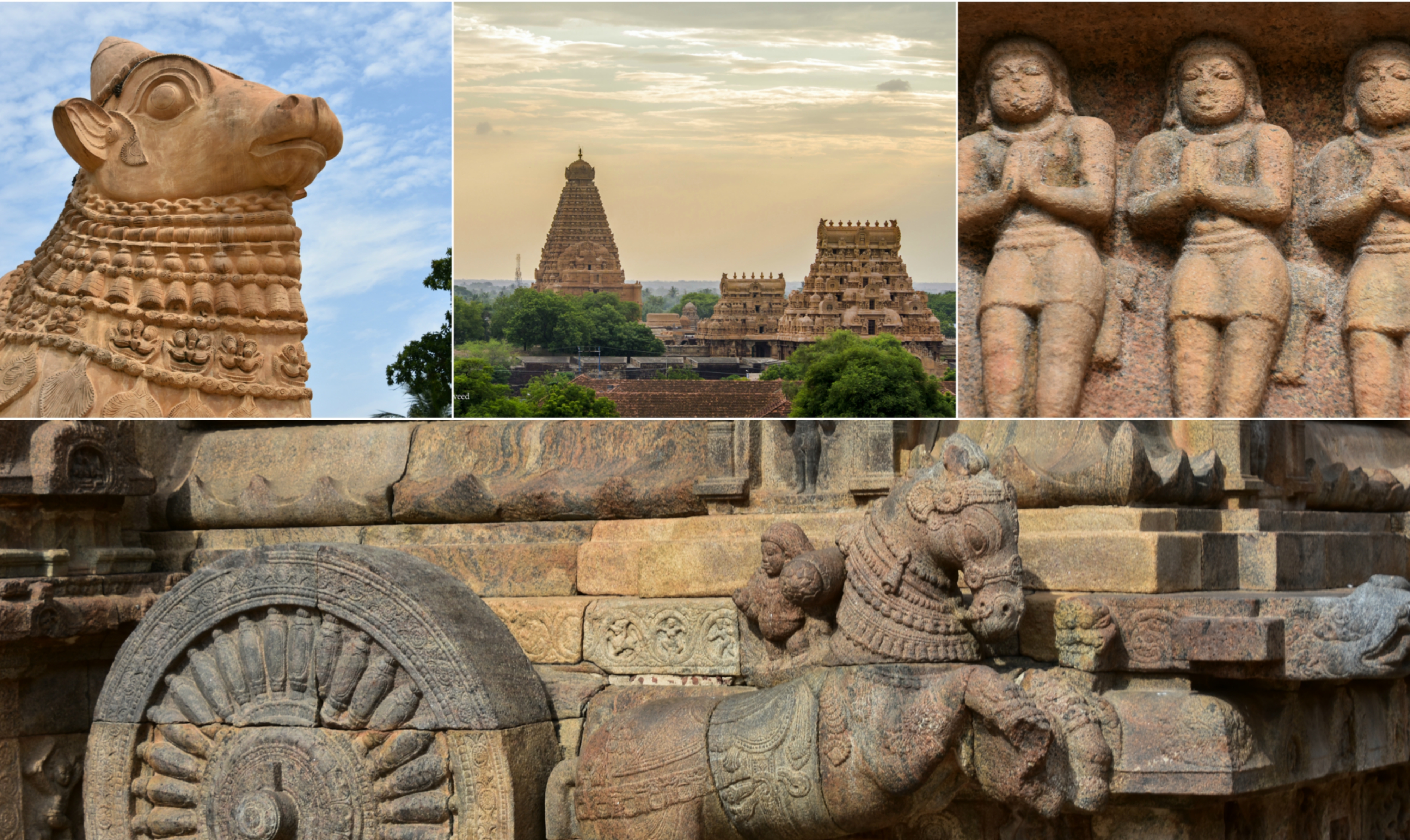
The Vannivedu Agatheeswarar Temple exemplifies traditional Dravidian architectural style, characterized by its robust stone construction and intricate sculptural detailing. While specific features like a towering gopuram or elaborate mandapams might be modest compared to larger temples, the overall design adheres to classic South Indian temple architecture. Intricate carvings often adorn the pillars and walls, depicting mythological figures and devotional scenes, reflecting skilled craftsmanship passed down through generations.
Traditional Dravidian Style
The temple showcases the characteristic features of Dravidian architecture, focusing on stone construction and traditional layouts.
Sculptural Details
Intricate carvings and sculptures depicting various deities and mythological narratives are evident throughout the temple structure.
Lord Shiva as Agatheeswarar: Legends, Lore, and Spiritual Significance
At the heart of the Vannivedu Agatheeswarar Temple resides Lord Shiva, revered in his manifestation as Agatheeswarar. This specific nomenclature often links the deity to the revered Vedic sage Agastya, who is traditionally associated with the spread of Hinduism in South India. While specific legends directly connecting Sage Agastya to this particular temple might be local or oral, the presence of "Agatheeswarar" signifies a deep spiritual lineage. Devotees believe worshipping here can bestow wisdom, health, and spiritual liberation, honoring Shiva's role as the destroyer of ignorance and bestower of blessings.
The Name Agatheeswarar
The deity's name suggests a connection to the legendary Sage Agastya, a significant figure in South Indian spiritual history.
Devotional Beliefs
Worshippers believe that prayers offered to Lord Agatheeswarar at this temple can grant spiritual insights and fulfillment of desires.
Planning Your Pilgrimage: A Comprehensive Guide to Vannivedu
Visiting the Vannivedu Agatheeswarar Temple is a spiritually enriching experience. The temple is open from 6:00 AM to 12:30 PM and 4:00 PM to 9:00 PM daily, with free entry. The best time to visit is from October to March for pleasant weather. Visitors are advised to wear traditional attire and remove footwear before entering. The temple is easily accessible; it is 1-2 km from Walajapet Bus Stand by local buses or auto-rickshaws. Katpadi Junction (KPD) is approximately 18 km away, with taxis and auto-rickshaws available. Parking is offered near the premises.
Temple Timings and Entry
The temple operates in two daily sessions, morning and evening, offering free entry to all devotees.
Accessibility and Transport
The temple is well-connected by road, with easy access via bus from Walajapet and train from Katpadi, offering various transport options.
Visitor Guidelines
Adherence to a traditional dress code and removal of footwear are customary practices for visitors.
| Deity | Shiva |
|---|---|
| Form | Shiva is often depicted as an ascetic yogi, adorned with a third eye, a crescent moon, and the Ganga river flowing from his matted hair. He typically holds a trident and a damaru (drum), and is associated with the bull Nandi. |
| Consort | Parvati |
| Sampradaya | Shaivism |
| Significance | As one of the principal deities of Hinduism, Shiva is known as 'The Destroyer' within the Trimurti, representing the cosmic cycles of creation, preservation, and dissolution. He embodies both destructive and benevolent aspects, symbolizing meditation, asceticism, and the ultimate reality. |
Legend of Vannivedu Agatheeswarar Temple
While the Vannivedu Agatheeswarar Temple is a revered site for Lord Shiva, specific mythological narratives or foundational legends directly linked to its origin or unique significance are not detailed in the provided information. Temples dedicated to Agatheeswarar often allude to the sage Agastya's worship of Shiva. Devotees visit this sacred space to experience the divine presence of Lord Shiva, who embodies both destructive and benevolent aspects, representing the cosmic cycles of creation, preservation, and dissolution. The temple serves as a focal point for spiritual contemplation and devotion, inviting worshippers to connect with the ultimate reality.
Shiva, the great ascetic, embodies the essence of meditation and the ultimate truth, guiding souls towards liberation.
In the cosmic dance of Shiva, creation and destruction intertwine, revealing the eternal rhythm of existence.
Related temples: Aakkoor Thanthondreeswarar Temple | Aazhimala Shiva Temple
Vannivedu Agatheeswarar Temple: A Sacred Abode of Lord Shiva
The Vannivedu Agatheeswarar Temple stands as a revered ancient shrine dedicated to Lord Shiva in Vannivedu, Tamil Nadu. This sacred site holds profound spiritual significance for countless devotees, drawing them to experience its tranquil ambiance and seek blessings. As a prominent Shiva temple, it embodies centuries of devotion and cultural heritage, serving as a vital center for worship and spiritual solace within the region. Its timeless presence underscores its importance in the religious landscape.
Spiritual Significance
The temple is a focal point for spiritual practices, offering devotees a space for meditation, prayer, and connection with the divine.
Devotional Practices
Daily rituals and special pujas are performed, attracting worshippers who participate in various devotional offerings to Lord Shiva.
Restoration & Conservation
The ancient Vannivedu Agatheeswarar Temple, like many historic structures across Tamil Nadu, has faced the relentless challenges of time, weather, and environmental degradation throughout its long existence. Over centuries, its intricate stone carvings, structural elements, and sacred precincts have been subjected to natural erosion, invasive vegetative growth, and the wear and tear of continuous human activity. Periods of neglect, particularly during various historical shifts and socio-political changes, led to significant deterioration, with some sections experiencing structural instability and the loss of original artistic and epigraphic details. The temple's exposed location made it particularly vulnerable to the harsh monsoon rains and extreme temperatures, contributing to the fading of murals and the weakening of traditional mortar joints. These cumulative effects necessitated periodic and often extensive restoration interventions to safeguard its architectural integrity and spiritual sanctity. In recent decades, concerted efforts have been undertaken to preserve and restore the temple's grandeur. These initiatives often involve a collaborative approach, bringing together the Hindu Religious and Charitable Endowments (HR&CE) Department, local temple trusts, archaeological experts, and dedicated community volunteers. Modern conservation techniques are carefully balanced with traditional building methods and materials to ensure authenticity and durability. Work typically includes structural consolidation, meticulous cleaning of sculptures, re-plastering with traditional lime mortar, and the careful preservation of any surviving frescoes or inscriptions. Regular maintenance drives, often supported by devotee contributions, play a crucial role in preventing further decay. These ongoing conservation projects aim not only to repair physical damage but also to rekindle public awareness and ensure the temple remains a vibrant center of worship and cultural heritage for generations to come.🗺 How to Reach
Hover a card to animate the journey on the map
Verified routes to Vannivedu Agatheeswarar Temple
Common Questions
Where is Vannivedu Agatheeswarar Temple: Ancient Shiva Shrine located?
Vannivedu Agatheeswarar Temple: Ancient Shiva Shrine is documented at Walajapet, Tamil Nadu.
Which deity is associated with Vannivedu Agatheeswarar Temple: Ancient Shiva Shrine?
Vannivedu Agatheeswarar Temple: Ancient Shiva Shrine is associated with Shiva.