A complete pilgrim record drawn from the existing published article data.
Tracing the Ancient Roots of Valeeswarar
The historical origins of the Valikandapuram Valeeswarar Temple are largely shrouded in antiquity, with specific details regarding its builder and the dynasty responsible for its initial construction remaining unknown. This lack of definitive records often points to an extremely ancient foundation, predating extensive epigraphic documentation. While direct patronage through various dynasties cannot be precisely traced, the temple's architectural elements and enduring worship patterns suggest continuous reverence and periodic renovations over centuries, reflecting the evolving cultural and religious landscape of Tamil Nadu.
Origins and Patronage
The original builder and the specific dynasty responsible for the temple's inception are not definitively known, indicating its profound antiquity.
Historical Context
Despite unknown precise dates, the temple aligns with the long tradition of Shiva worship prevalent in Tamil Nadu since ancient times.
Inscriptional Evidence
Detailed historical inscriptions regarding its initial construction or early royal patronage are not available, leaving its earliest phases to historical inference.
Dravidian Grandeur and Sacred Symbolism
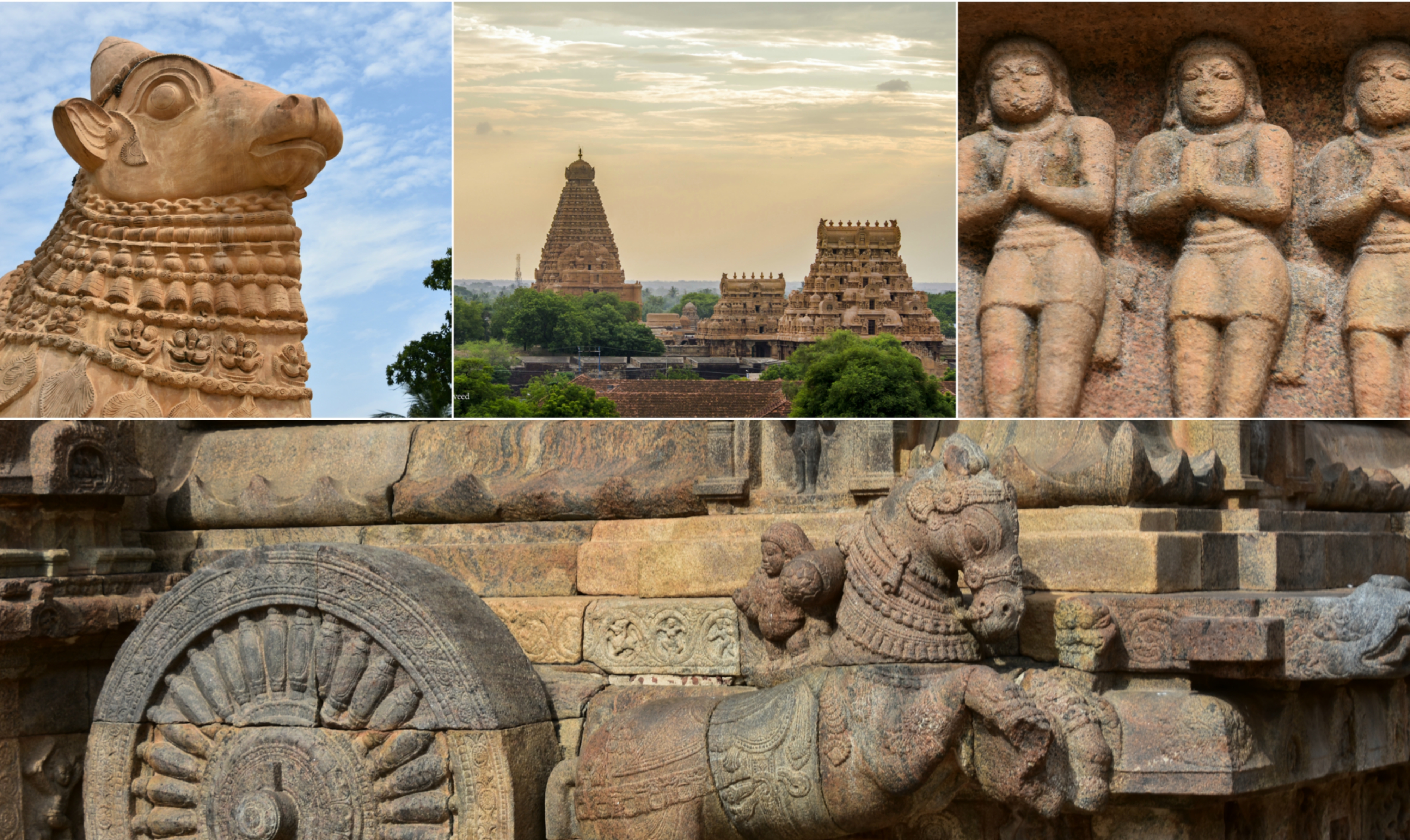
The Valikandapuram Valeeswarar Temple exemplifies the distinctive Dravidian architectural style, characterized by its towering gopurams (entrance towers), intricate sculptural work, and robust stone construction. While specific details of its material and builder are unknown, the temple's design adheres to the classical South Indian temple building traditions. The vimana (tower over the sanctum) and various mandapams (halls) are adorned with mythological figures and deities, each element imbued with sacred symbolism reflecting Hindu cosmology and devotional narratives. This craftsmanship transforms the temple into a spiritual and artistic marvel.
Architectural Style
The temple showcases the traditional Dravidian architectural style, known for its pyramidal towers and elaborate carvings.
Key Features
Prominent features include a majestic gopuram, a well-structured vimana, and various mandapams, all crafted from stone.
Symbolic Elements
Intricate sculptures of gods, goddesses, and mythical beings adorn the walls, conveying deep spiritual and mythological significance.
Lord Shiva as Valeeswarar: Legends and Lore
The presiding deity, Lord Shiva, is revered here as Valeeswarar, a name often associated with strength or the mythical Vanara king Vali from the Ramayana. According to the Sthala Purana (local legend), it is believed that Vali, after losing his strength in a conflict, worshipped Lord Shiva at this very spot to regain his immense power and seek redemption. Through his intense devotion, Shiva appeared and blessed him, thus earning the deity the name Valeeswarar. This legend underscores the temple's sanctity as a place where devotees can pray for strength, courage, and spiritual liberation, connecting their own struggles with the divine narrative.
The Name Valeeswarar
The deity's name, Valeeswarar, is traditionally linked to the Sanskrit word 'Vali', often referring to strength or the legendary Vanara king.
Sthala Purana
Local lore recounts that the Vanara king Vali worshipped Lord Shiva here, regaining his lost strength and receiving divine blessings.
Devotee Connections
Pilgrims visit to seek blessings for physical and spiritual strength, drawing inspiration from the legend of Vali's devotion and redemption.
Planning Your Pilgrimage to Valikandapuram
For pilgrims and visitors planning a trip to the Valikandapuram Valeeswarar Temple, practical arrangements are straightforward. The temple is accessible via various transport modes, and ample parking is available for those traveling by car. The best time to visit is during the cooler months from October to March. Visitors are encouraged to observe the temple's timings and adhere to the dress code, ensuring a respectful and enriching spiritual experience. A typical visit usually lasts between one to two hours, allowing ample time for darshan and appreciating the temple's ambiance.
Getting There
The temple is 20 km from Perambalur Bus Stand, 60 km from Tiruchirappalli Junction (TPJ) and Tiruchirappalli International Airport (TRZ). It is accessible via NH38, with ample parking.
Temple Timings and Entry
The temple is open from 6:00 AM to 12:30 PM and 4:00 PM to 9:00 PM. Entry is free, and the best time to visit is October to March.
Visitor Guidelines
Traditional attire is preferred, and footwear must be removed before entering. Allow 1–2 hours for a complete visit.
| Deity | Shiva |
|---|---|
| Form | Shiva is often worshipped in the aniconic form of the Lingam, representing his cosmic creative and destructive power. He is also depicted in anthropomorphic forms such as Nataraja, the cosmic dancer, or as a meditating ascetic. |
| Consort | Parvati |
| Sampradaya | Shaivism |
| Significance | As one of the principal deities of Hinduism, Shiva is known as 'The Destroyer' or 'The Transformer' within the Trimurti. He is the supreme being in Shaivism, embodying both creation and dissolution, and is associated with yoga, meditation, and asceticism. |
The Blue-Throated Lord
During the cosmic churning of the ocean (Samudra Manthan) by gods and demons to obtain the elixir of immortality, a deadly poison called Halahala emerged. This potent venom threatened to destroy all creation. Fearing annihilation, the gods appealed to Lord Shiva for help. Out of compassion for all beings, Shiva consumed the entire poison. His consort, Parvati, quickly clutched his throat to prevent the poison from descending into his body, thus saving the universe. The poison remained in his throat, turning it blue, earning him the epithet 'Neelakantha,' the blue-throated one. This act exemplifies Shiva's role as a protector and benevolent deity.
He who is the Lord of all, the all-pervading, the protector of the universe, the one who is hidden in all beings.
Svetasvatara Upanishad
From Him comes all, in Him all rests, and to Him all returns, the eternal, the supreme, the omnipresent.
Hindu scripture (paraphrased)
Related temples: Aakkoor Thanthondreeswarar Temple | Aazhimala Shiva Temple
Valikandapuram Valeeswarar Temple: A Sacred Abode
The Valikandapuram Valeeswarar Temple stands as a revered ancient Shiva shrine nestled in the village of Valikandapuram, Tamil Nadu. Dedicated to Lord Shiva, known here as Valeeswarar, this temple holds profound spiritual significance for devotees across the region. Its timeless presence contributes to the rich tapestry of Hindu heritage in South India, offering a serene sanctuary for worship and contemplation. The temple's enduring legacy underscores its importance as a center of devotion.
Location and Deity
Situated in Valikandapuram, Tamil Nadu, the temple's presiding deity is Lord Shiva, worshipped as Valeeswarar. His consort is Goddess Brihannayagi.
Spiritual Significance
As an ancient Shiva temple, it is considered a sacred site for seeking blessings and performing rituals dedicated to the cosmic dancer, Shiva.
Ancient Heritage
Though its exact origins are unknown, the temple's architecture and traditions suggest a deep-rooted history, placing it among Tamil Nadu's venerable religious sites.
Restoration & Conservation
The Valikandapuram Valeeswarar Temple, like many ancient structures in Tamil Nadu, has undergone several phases of restoration throughout its long history, crucial for its continued existence and structural integrity. Initial efforts, often spearheaded by local communities and temple trusts, focused on essential repairs to the gopurams and mandapams, which are particularly susceptible to weathering. More significant interventions in recent decades have involved archaeological departments and heritage conservation groups, meticulously working to stabilize crumbling walls, re-establish lost stucco figures, and strengthen the foundational elements. These projects often involve traditional building materials and techniques, such as lime mortar and natural pigments, to ensure that the repairs are sympathetic to the original Chola-era craftsmanship, preserving the temple's authentic character and historical value for future generations of devotees and historians alike.
Despite these commendable restoration efforts, the Valikandapuram Valeeswarar Temple faces ongoing conservation challenges, primarily from the relentless forces of nature and the impact of increasing human activity. The tropical climate, with its cycles of heavy monsoon rains and intense heat, continuously erodes the intricate carvings and painted surfaces. Pollution from nearby urban areas also contributes to the degradation of stone and plaster. Future conservation strategies emphasize proactive maintenance, regular structural assessments, and the implementation of advanced protective measures without compromising the temple's aesthetic and spiritual essence. Community engagement, educational programs, and sustained funding are paramount to safeguarding this architectural marvel, ensuring its survival as a vibrant center of worship and a significant historical landmark for centuries to come.
🗺 How to Reach
Hover a card to animate the journey on the map
Verified routes to Valikandapuram Valeeswarar Temple
Common Questions
Where is Valikandapuram Valeeswarar Temple: Chola Era Shiva Shrine located?
Valikandapuram Valeeswarar Temple: Chola Era Shiva Shrine is documented at Kunnam, Tamil Nadu.
Which deity is associated with Valikandapuram Valeeswarar Temple: Chola Era Shiva Shrine?
Valikandapuram Valeeswarar Temple: Chola Era Shiva Shrine is associated with Shiva.