



A complete pilgrim record drawn from the existing published article data.
Tracing the Ancient Lineage: History of Ukhra Mahanta Asthal
The origins of Ukhra Mahanta Asthal trace back to the mid-18th century, when Swami Dayaram Devacharya founded this sacred site. From its inception, it rapidly evolved into one of the foremost Nimbarka mutts, particularly significant in Bengal, fostering continuous devotional practice. The temple's history is marked by profound spiritual events and the visits of eminent saints, solidifying its revered status.
Founding and Early Years
Established in the mid-18th century, the temple quickly became a principal Nimbarka mutt, rooted in the 'Dwaar' tradition of the Kathia Babas.
Sanctified Visits
Throughout its history, Ukhra Mahanta Asthal has been sanctified by visits from notable Nimbarki saints, including Swami Narahari Devacharya and Ramdas Kathiababa.
Modern Restoration
In 2015, Mahanta Sri Kamalāsharan Devāchārya undertook significant renovations, including repainting, preserving the temple's architectural and spiritual integrity.
Architectural Marvel: The Navaratna Design of Ukhra Mahanta Asthal
Ukhra Mahanta Asthal showcases a distinctive Bengali architectural style, specifically the Navaratna (nine-towered) design. This intricate style, characterized by its multiple spires and elaborate terracotta ornamentation, reflects a rich artistic heritage. The temple's construction predominantly uses durable brick, reinforced with lime mortar, and adorned with detailed terracotta panels, blending regional aesthetics with spiritual symbolism.
Bengali Navaratna Style
The temple features the unique Navaratna style, meaning 'nine jewels,' distinguished by its nine ornamental spires or pinnacles atop the structure.
Brajbhoomi Influences
Architectural elements and decorative motifs within the temple exhibit clear influences from the Brajbhoomi region, particularly from Mathura-Vrindavan temple designs.
Construction Materials
Built primarily from brick and lime mortar, the temple is richly embellished with terracotta artistry, showcasing traditional craftsmanship.
The Divine Presence: Krishna and Nimbarka Philosophy
At Ukhra Mahanta Asthal, the principal deity is Krishna, worshipped in his form as Yugal Bihari (Radha-Krishna). The temple adheres to the Nimbarka Sampradaya, a Vaishnava tradition emphasizing the simultaneous difference and non-difference of the soul and God. Devotion here is deeply rooted in the Bhagavata Purana, with the enchanting Raas Lila of Krishna central to its spiritual practices. This philosophy, passed down through the lineage of saints like Sri Swabhuram Devacharya, fosters an environment of intense love and devotion.
Principal Deity
The main deity worshipped is Krishna, specifically in his form as Yugal Bihari, representing the divine union of Radha and Krishna.
Nimbarka Vaishnavism
The temple follows the Nimbarka Sampradaya, a Vaishnava tradition that focuses on the worship of Radha-Krishna and the philosophy of Dvaitadvaita (dualistic non-dualism).
Sacred Narratives and Festivals
Spiritual life revolves around the Bhagavata Purana and the reenactment of Krishna's Raas Lila, celebrated during festivals like Raas Utsav and Jhulan Utsav.
Experience the Sacred: A Visitor's Guide to Ukhra Mahanta Asthal
Ukhra Mahanta Asthal welcomes devotees and visitors seeking spiritual solace and a glimpse into Vaishnava tradition. Located in Uttar Pradesh, the temple is accessible via various transport modes, though specific routes and timings should be confirmed with the temple office. Visitors are encouraged to observe local customs, ensuring a respectful and enriching experience within this sacred space.
Getting There
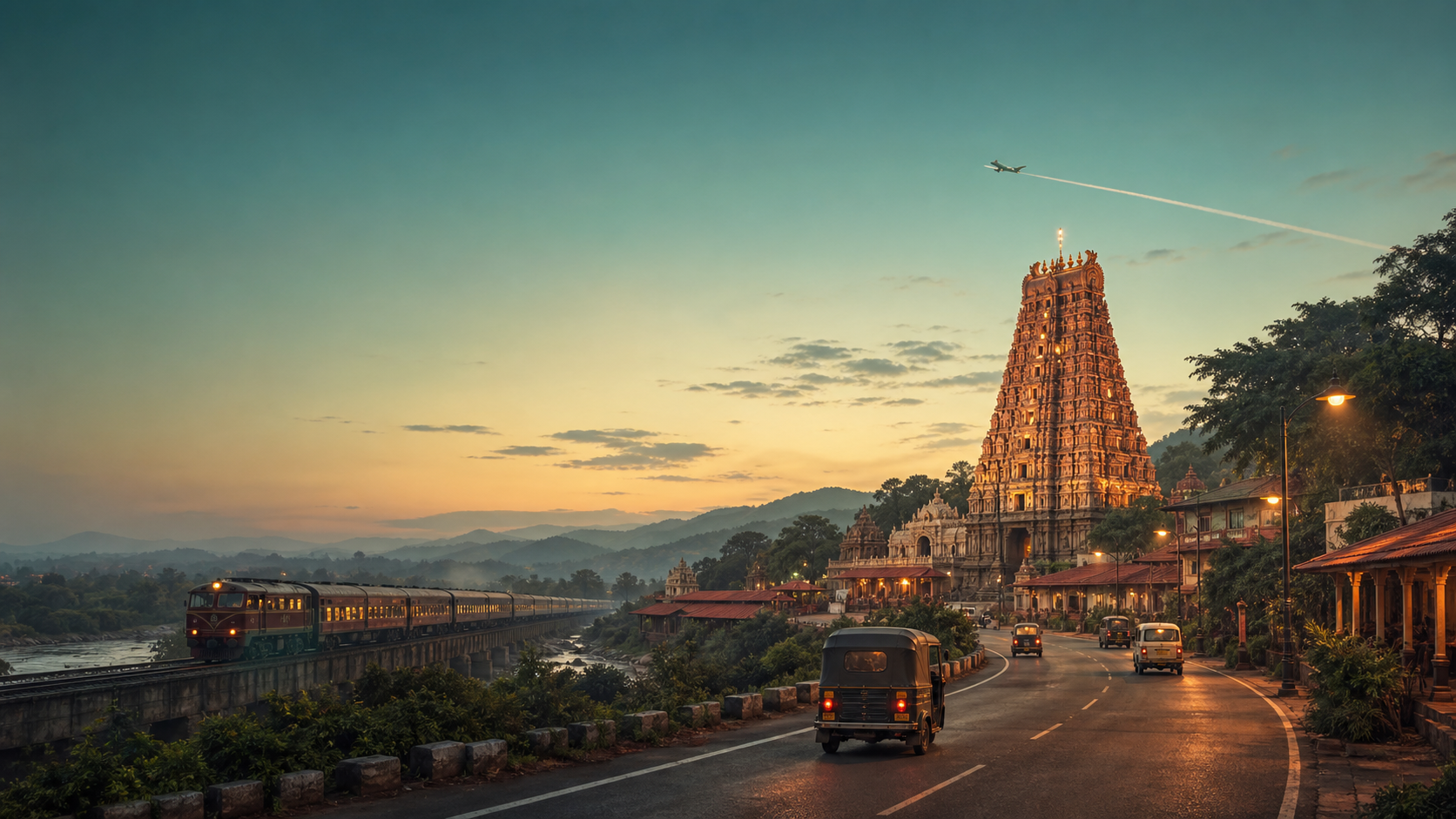
The temple is approximately 8 km from Andal Junction train station and 45 km from Kazi Nazrul Islam Airport (IXB). Bus services are available from Durgapur. Contact the temple for specific routes and car parking information.
Visiting Hours and Etiquette
Entry is free, but visitors should contact the temple office for current timings. Modest dress is required, and footwear must be removed before entering the shrine areas.
Best Time to Visit
The months between September and November are considered ideal for visiting, offering pleasant weather for exploration and participation in festivals.
| Deity | Krishna |
|---|---|
| Form | Revered in his dual form as Radha-Madhav or Yugal Bihari jiu, which is central to the Nimbarka Sampradaya. |
| Consort | Radha |
| Sampradaya | Nimbarka Sampradaya (Vaishnava) |
| Significance | As the primary deity, Krishna embodies divine love and devotion, with his worship deeply rooted in Krishna-centric Vaishnavism. The temple is a site for rituals like the reenactment of Raas Lila. |
The Sacred Founding and Blooming Miracle
In the mid-18th century, Ukhra Mahanta Asthal emerged as a beacon of devotion, founded by the revered Swami Dayaram Devacharya. He was a torchbearer in the esteemed spiritual lineage of Sri Swabhuram Devacharya, a hoary Nimbarki saint, establishing this sacred site within the 'Dwaar' tradition of the Kathia Babas. From its very inception, the temple has been steeped in continuous devotional practice, its air vibrant with sacred energies. A profound testament to its divine sanctity is the miraculous tulasi plant that spontaneously sprouted from the temple cornice. This extraordinary event is revered as a divine affirmation, a living symbol of the temple's consecrated ground and the blessings bestowed upon its dedicated devotees.
The Raas Lila of Krishna, a divine dance of love and joy, is not just a story but a living tradition, ritually enacted with fervent devotion here.
A miraculous tulasi plant spontaneously sprouted from the temple cornice, revered as a divine affirmation of its consecrated ground and blessings.
Related temples: Ahichchhatra Jain temples | Amethi Temple
Ukhra Mahanta Asthal: A Beacon of Nimbarka Tradition
Ukhra Mahanta Asthal, established in the mid-18th century by Swami Dayaram Devacharya, stands as a significant spiritual center within the Nimbarka Sampradaya. Located in Uttar Pradesh, this revered institution draws profound inspiration from the Brajbhoomi region of Mathura-Vrindavan, embodying its devotional spirit. It quickly rose to prominence as one of the principal Nimbarka mutts, continuing the rich Vaishnava traditions passed down through generations.
Founding Principles
The temple's foundation by Swami Dayaram Devacharya marked the establishment of a dedicated space for Nimbarka Vaishnavism, focusing on the dual worship of Radha-Krishna.
Spiritual Lineage
Swami Dayaram Devacharya was a disciple in the esteemed spiritual lineage of Sri Swabhuram Devacharya, a revered Nimbarki saint, ensuring the continuity of ancient teachings.
Modern Pilgrimage and Tourism
In the contemporary era, Ukhra Mahanta Asthal continues to serve as a significant pilgrimage destination, drawing devotees from Uttar Pradesh and beyond. Modern pilgrims often undertake journeys to the Asthal seeking spiritual solace, performing traditional rituals such as circumambulation (parikrama) of the main shrine, offering prayers, and participating in daily aarti ceremonies. The accessibility of the site has improved over time, with better road networks connecting it to major towns, making it easier for families and individual seekers to visit. Despite the passage of centuries, the core spiritual practices remain largely unchanged, emphasizing devotion to the presiding deities and the revered lineage of Mahantas. The tranquil atmosphere, coupled with the historical aura, offers a unique spiritual retreat for those looking to connect with ancient traditions in a modern context. Beyond its spiritual significance, Ukhra Mahanta Asthal also plays a growing role in local tourism and contributes to the regional economy. The influx of pilgrims and visitors supports local businesses, including small eateries, flower vendors, and souvenir shops that cater to their needs. While not yet a major international tourist hub, efforts are being made to promote the Asthal as a cultural and heritage site, potentially attracting a broader audience interested in India's rich religious history. Local festivals, particularly those associated with the temple's founding or specific deities, often see a surge in visitors, providing a vibrant cultural experience. The development of basic amenities around the temple, such as guesthouses or dharamshalas, is gradually enhancing the visitor experience, ensuring a comfortable stay for those who wish to spend more time exploring the sacred grounds and the surrounding area.🗺 How to Reach
Hover a card to animate the journey on the map
Route to Mathura
Common Questions
Where is Ukhra Mahanta Asthal: Vaishnavism's Mathura Legacy located?
Ukhra Mahanta Asthal: Vaishnavism's Mathura Legacy is documented at Mathura, Uttar Pradesh.
Which deity is associated with Ukhra Mahanta Asthal: Vaishnavism's Mathura Legacy?
Ukhra Mahanta Asthal: Vaishnavism's Mathura Legacy is associated with Swabhuram.
Related Temples


A Living Covenant