



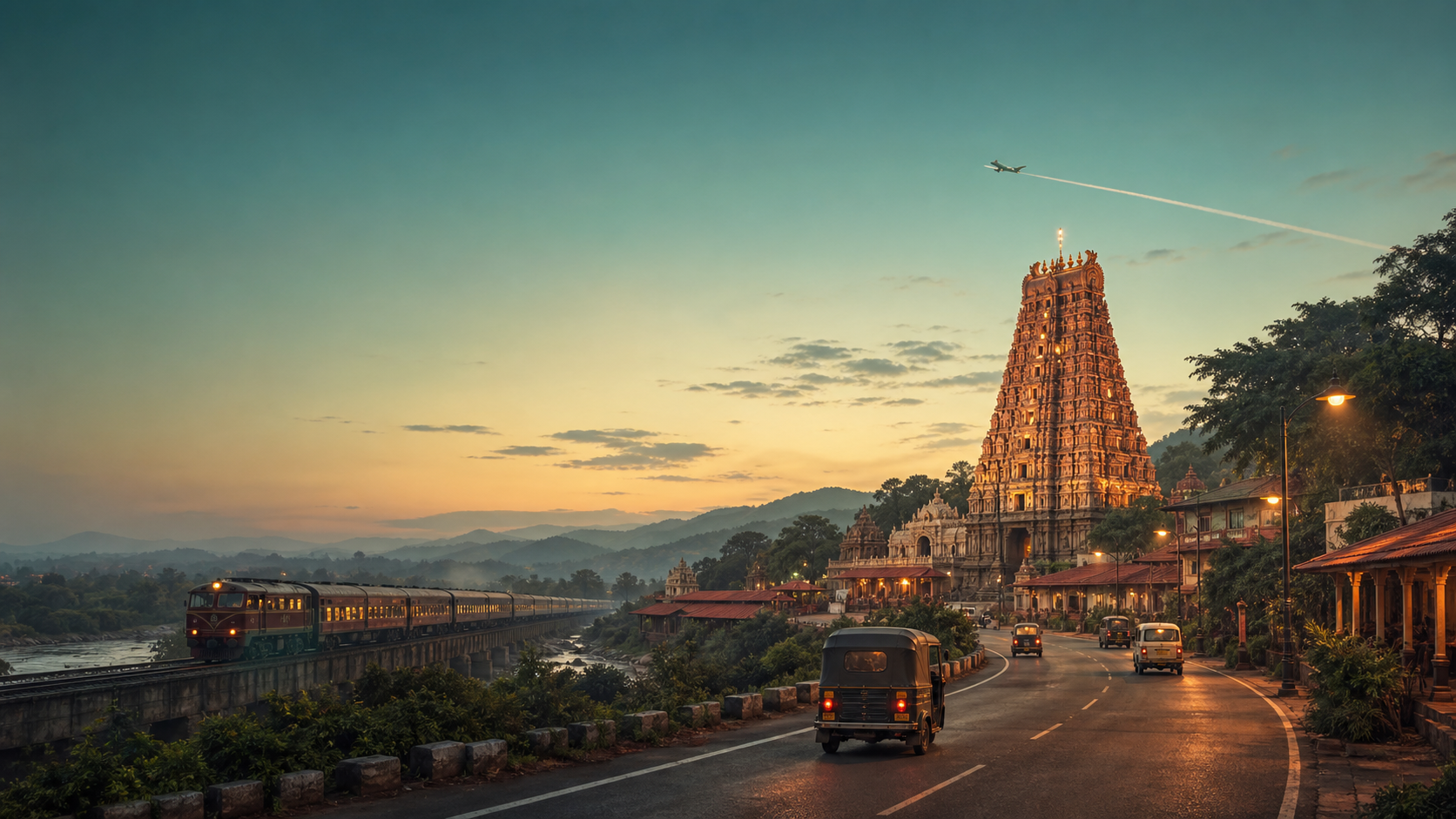
A complete pilgrim record drawn from the existing published article data.
From Ancient Roots to Modern Manifestation: A Historical Overview
The journey to the construction of the Shri Ram Janmbhoomi Teerth Kshetra is rooted in centuries of complex history and unwavering devotion. The site, traditionally believed to be Lord Ram's birthplace, was at the heart of a prolonged legal dispute. This culminated in the landmark 2019 Supreme Court verdict, which paved the way for the temple's construction. A national effort, spearheaded by the Government of India, then commenced, transforming a long-cherished dream into a tangible manifestation of faith, marking a pivotal moment in India's cultural narrative.
A Millennium of Devotion
The belief in Ayodhya as Lord Ram's birthplace has been a continuous thread through centuries of Hindu tradition and oral history.
The Landmark Verdict
The Supreme Court's 2019 decision resolved the long-standing Ayodhya dispute, allocating the land for the construction of the Ram Temple.
From Vision to Reality
Following the verdict, a trust was established, and a nationwide campaign mobilized resources and support for the temple's rapid construction.
A Symphony in Stone: The Architectural Marvel of Ram Mandir
The Ram Mandir exemplifies the traditional Nagara style of Hindu temple architecture, renowned for its towering shikhara and intricate carvings. Spanning a vast complex, it is poised to be one of India's largest temples, constructed primarily from indigenous materials like pink sandstone, granite, and white marble. Master craftsmen have meticulously adorned its structure with sculptures depicting scenes from the Ramayana, reflecting ancient Indian temple building traditions. This symphony in stone blends spiritual grandeur with architectural precision, creating a timeless monument.
Nagara Style Grandeur
The temple's design adheres strictly to the ancient Nagara architectural principles, characterized by its curvilinear tower and elaborate ornamentation.
Materials and Craftsmanship
Constructed without steel or iron, the temple utilizes durable sandstone, granite, and marble, showcasing traditional Indian building techniques and intricate artistry.
An Expansive Pilgrimage Complex
Beyond the main shrine, the complex includes various ancillary structures, gardens, and facilities, designed to accommodate a large influx of pilgrims.
The Divine Presence: Lord Ram and His Spiritual Significance
Lord Ram, the central deity of the Shri Ram Janmbhoomi Teerth Kshetra, holds immense mythological and spiritual significance. Revered as the seventh avatar of Vishnu, he embodies the ideal king, a paragon of righteousness, courage, and compassion. His life, chronicled in the epic Ramayana, serves as a timeless guide for ethical living and adherence to dharma. Millions of devotees across the globe draw profound spiritual inspiration from his divine presence, making him a cornerstone of Hindu tradition and devotion.
The Ideal King
Lord Ram is celebrated as Maryada Purushottam, the perfect man, whose life exemplifies moral integrity and ideal governance.
Embodiment of Dharma
His actions and decisions throughout the Ramayana are seen as the ultimate representation of dharma, guiding devotees in righteous conduct.
A Source of Spiritual Inspiration
For countless Hindus, Lord Ram symbolizes hope, justice, and devotion, inspiring unwavering faith and spiritual growth.
Planning Your Pilgrimage: A Comprehensive Guide for Visitors
Visitors planning a pilgrimage to Shri Ram Janmbhoomi Teerth Kshetra should note that the temple offers free entry, with timings generally accessible from morning to evening. The best time to visit is between October and March, avoiding the summer heat and monsoon. Modest dress is required, and footwear must be removed before entering the sanctum. A typical visit duration is 3-4 hours. Essential tips include respecting local customs and maintaining decorum to ensure a meaningful and respectful experience at this sacred site.
Visiting Hours and Entry
The temple is open to all visitors with free entry. Specific timings are available from the temple office or official website, typically spanning morning and evening hours.
Dress Code and Etiquette
Pilgrims are advised to wear modest attire, covering shoulders and knees. Footwear must be removed before entering the main temple complex, and photography may be restricted in certain areas.
Optimal Visiting Period
The cooler months from October to March offer the most comfortable weather for visiting Ayodhya, making it the ideal season for a pilgrimage.
| Deity | Rama |
|---|---|
| Form | Ram Lalla Virajmaan (infant Rama seated on a lotus pedestal) |
| Consort | Sita |
| Sampradaya | Vaishnava |
| Significance | Shri Ram Lalla Virajmaan represents the infant form of Lord Rama, the seventh avatar of Vishnu, uniquely consecrated at his legendary birthplace. This temple marks the theological locus of his Janmasthan, sanctified by millennia of pilgrimage. |
The Sacred Birthplace of Lord Rama
Ayodhya, the ancient capital of Kosala, holds a profound place in Hindu mythology as the revered birthplace of Lord Rama. It was here, in the auspicious Treta Yuga, that King Dasharatha and Queen Kausalya were blessed with the seventh avatar of Vishnu, Rama. This sacred spot, known as the Janmasthan, is now marked by the Garbhagriha of the new temple, a site sanctified by millennia of unwavering faith and oral tradition. The epic Ramayana, penned by Sage Valmiki, vividly describes Ayodhya as the magnificent city where Rama’s divine journey began, a narrative that has echoed through generations, drawing countless devotees to this holy land.
Ayodhya, the sacred Janmasthan, where Rama’s divine journey began, drawing countless devotees to this holy land.
The very soil of Ayodhya resonates with divine energy, a testament to the living faith that permeates this hallowed ground.
Related temples: Ahichchhatra Jain temples | Amethi Temple
The Dawn of a New Era: Shri Ram Janmbhoomi Teerth Kshetra
The Shri Ram Janmbhoomi Teerth Kshetra stands as a monumental symbol of faith and cultural resurgence in Ayodhya, Uttar Pradesh. Consecrated in 2024, this newly built temple represents a pivotal moment in India's spiritual and national identity. It is envisioned not merely as a place of worship but as a national-level heritage site, drawing pilgrims and visitors from across the globe. Its construction marks the dawn of a new era, reaffirming ancient traditions and the enduring devotion to Lord Ram at his revered birthplace.
A Symbol of National Pride
The temple's construction is widely celebrated as a testament to India's rich cultural heritage and spiritual revival, resonating deeply with millions nationwide.
The Heart of Ayodhya's Revival
This grand edifice serves as the centerpiece of Ayodhya's transformation, enhancing its status as a global pilgrimage destination and fostering local development.
Modern Pilgrimage Experience
The completion and consecration of the Shri Ram Janmbhoomi Temple have ushered in a new era for pilgrimage to Ayodhya, transforming the city into a meticulously planned spiritual hub. Devotees now experience a significantly enhanced infrastructure, including improved transportation links, modern accommodation options ranging from dharamshalas to hotels, and better crowd management systems. The temple complex itself is designed to facilitate a smooth and reverent darshan, with designated queues, security checks, and amenities for visitors of all ages and abilities. This modernization aims to accommodate the anticipated millions of pilgrims annually, ensuring their journey is not only spiritually fulfilling but also comfortable and safe, marking a stark contrast to the challenges faced by pilgrims in previous decades. The focus is on creating a holistic pilgrimage ecosystem, integrating spiritual practices with contemporary convenience.
The modern pilgrimage experience at Shri Ram Janmbhoomi extends beyond the physical structure of the temple, encompassing a revitalized spiritual atmosphere throughout Ayodhya. Pilgrims engage in traditional rituals like bathing in the Sarayu River, visiting other ancient temples, and participating in evening aartis, all within an environment that has been carefully developed to enhance their spiritual connection. The temple's design incorporates elements that guide devotees through the narrative of Lord Rama's life, making the journey an immersive educational and devotional experience. Future plans include further development of spiritual pathways, cultural centers, and educational initiatives to deepen the understanding of Ramayana. This holistic approach ensures that while the physical infrastructure is modern, the essence of the pilgrimage remains deeply rooted in faith and tradition, offering a profound spiritual journey for all who visit.
🗺 How to Reach
Hover a card to animate the journey on the map
Route to Temple
Common Questions
Where is Shri Ram Janmbhoomi: Ayodhya's Divine Rebirth located?
Shri Ram Janmbhoomi: Ayodhya's Divine Rebirth is documented at Uttar Pradesh.
Which deity is associated with Shri Ram Janmbhoomi: Ayodhya's Divine Rebirth?
Shri Ram Janmbhoomi: Ayodhya's Divine Rebirth is associated with Rama.
Related Temples


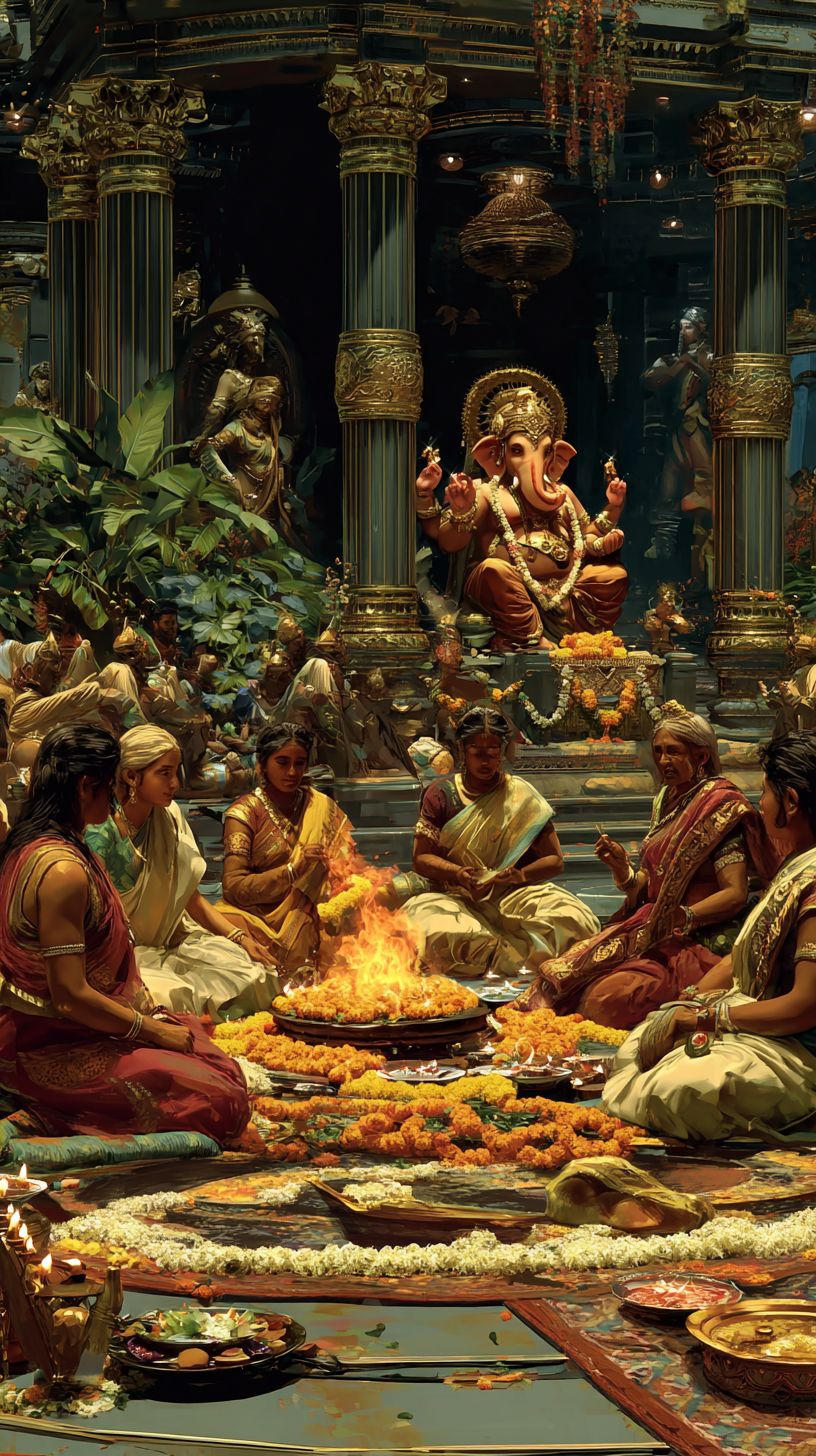

A Living Covenant