A complete pilgrim record drawn from the existing published article data.
Ancient Roots and Enduring Legacy: The Temple's Historical Journey
The exact origins of the Tirunallar Saniswaran Temple are unknown, but its history is deeply intertwined with ancient Tamil kingdoms. While specific builders and dynasties remain unrecorded, the temple's architecture and inscriptions suggest continuous patronage and renovations over centuries, particularly during the Chola and Pandya periods, which left lasting imprints on its structure and religious practices. Its enduring legacy is a testament to its spiritual significance, continuously drawing devotees and maintaining its status as a vital pilgrimage center through various historical epochs.
Early Mentions and Patronage
Though specific founding dates are absent, the temple finds mention in ancient Tamil literature, indicating its presence and importance centuries ago, likely under early Chola or Pallava influence.
Renovations and Expansion
Subsequent dynasties, including the later Cholas and Vijayanagara rulers, contributed to the temple's expansion and renovation, adding new structures and embellishments that are visible today.
Dravidian Splendor: Architectural Marvels of Tirunallar
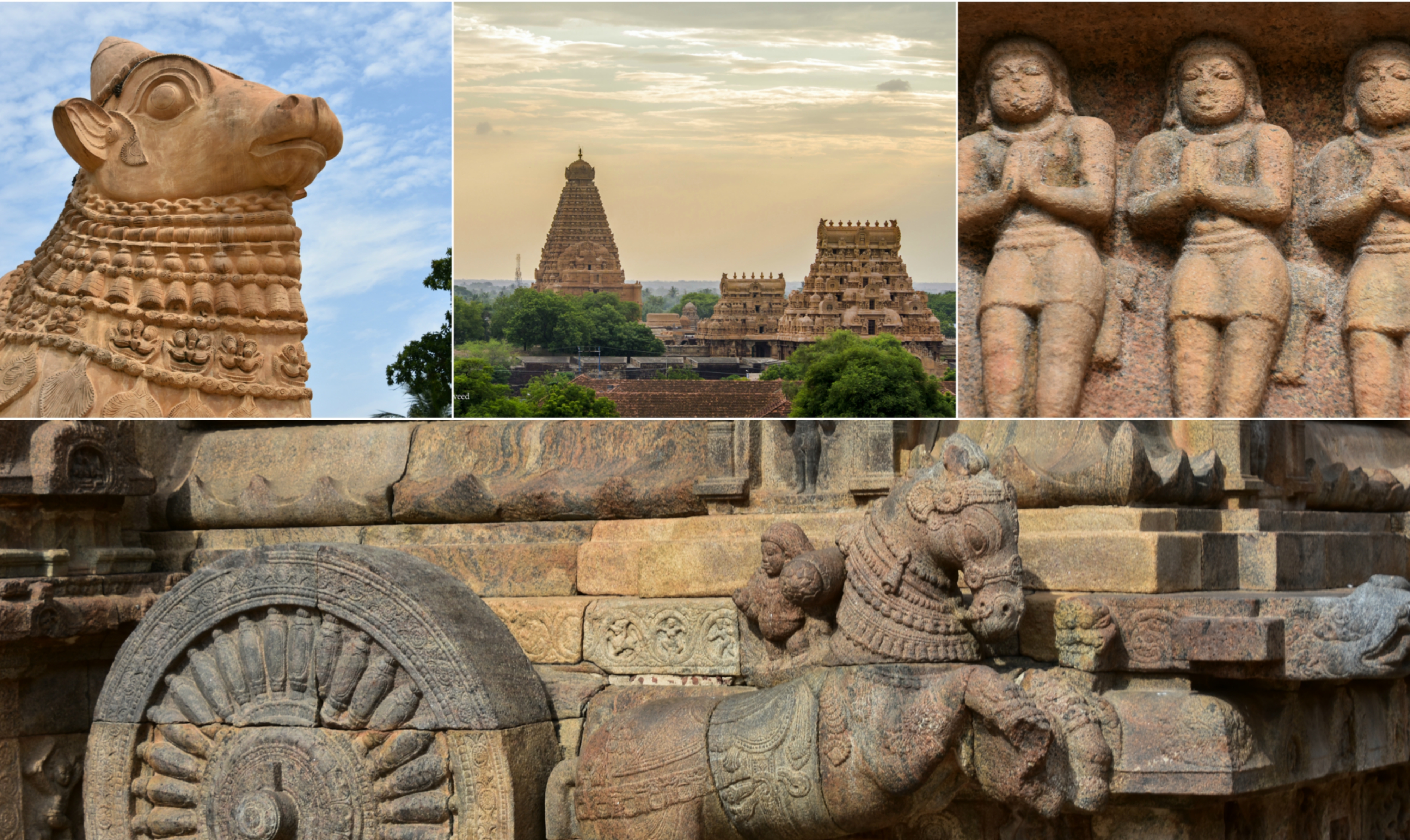
The Tirunallar Saniswaran Temple exemplifies the classical Dravidian architectural style, characterized by its towering gopurams (entrance towers), intricately carved mandapams (halls), and a well-defined temple complex layout. The main gopuram is adorned with numerous sculptures depicting mythological figures and deities, showcasing the exquisite craftsmanship of South Indian artisans. The temple's design reflects centuries of artistic tradition and religious symbolism, providing a visual narrative of Hindu mythology and spiritual concepts.
Gopurams and Sculptural Details
The multi-tiered gopurams are embellished with vibrant stucco figures, depicting scenes from Hindu epics and Puranas, serving as a gateway to the sacred space.
Mandapams and Inner Sanctuaries
Inside, various mandapams, such as the Maha Mandapam, feature finely sculpted pillars and ceilings, leading to the central sanctum housing the main deities.
Lord Shani and the Legend of Nala: Deities and Lore
The Tirunallar Saniswaran Temple is primarily dedicated to Lord Shiva, worshipped here as Darbaranyeswarar, and uniquely features a prominent shrine for Lord Shani. The temple's spiritual importance is deeply rooted in the legend of King Nala, who was afflicted by the malefic influence of Shani. It is believed that King Nala found salvation from his woes after bathing in the temple's Nala Theertham and worshipping Lord Shiva and Lord Shani here. This mythology underscores the temple's reputation as a powerful center for mitigating astrological adversities.
The Presiding Deities
While Lord Shiva (Darbaranyeswarar) is the main deity, the temple's fame largely stems from the separate and significant shrine dedicated to Lord Shani, who is worshipped here in a benevolent form.
The Legend of King Nala
The most famous lore involves King Nala, who endured immense suffering due to Shani's influence. His visit to Tirunallar, bathing in the sacred pond, and prayers are said to have freed him from Shani's grasp.
Tirunallar Saniswaran Temple: A Sanctuary from Shani's Influence
The Tirunallar Saniswaran Temple, located in Pondicherry, stands as a unique and highly revered pilgrimage site dedicated to Lord Shani (Saturn). It is one of the most prominent Shani Sthalams in India, attracting devotees seeking relief from the astrological afflictions attributed to Shani. The temple offers spiritual solace and is believed to mitigate the adverse effects of Sani Dosham, making it a crucial destination for those following Hindu astrological traditions. Its distinctive status stems from the belief that Lord Shani lost his powers here to Lord Shiva.
Significance as a Shani Sthalam
The temple is globally recognized as the only temple where Lord Shani is worshipped with benevolence, rather than fear, due to his powers being subdued by Lord Shiva.
Astrological Importance
Devotees visit to perform rituals and prayers, believing it helps in alleviating the malefic effects of Shani's transit (Sani Peyarchi) in their astrological charts.
Visiting Tirunallar: A Guide for Devotees and Travelers
The Tirunallar Saniswaran Temple welcomes devotees from 6:00 AM to 12:30 PM and 4:00 PM to 9:00 PM. Entry is free, and the best time to visit is from October to March, avoiding the summer heat. Visitors are encouraged to wear traditional attire and remove footwear before entering. A typical visit duration is 1-2 hours. Performing a ritual bath in the Nala Theertham before darshan is considered highly auspicious for mitigating Shani's effects.
Darshan Timings and Etiquette
The temple operates on a split schedule. Devotees should dress modestly, covering shoulders and knees, and maintain decorum within the temple premises.
Rituals and Offerings
Key rituals include bathing in the Nala Theertham, offering sesame oil lamps (til oil) to Lord Shani, and performing archana (special prayers) for the deities.
Accommodation and Local Travel
Karaikal, located 5-7 km away, offers various accommodation options. Local auto-rickshaws and taxis are readily available for transport to the temple.
| Deity | the deity Shiva |
|---|
The Sani Dosha of King Nala
The Tirunallar temple is famously associated with the legend of King Nala. It is believed that King Nala suffered immensely due to the influence of Lord Sani (Saturn), experiencing a period of great misfortune, loss, and separation from his kingdom and family. After years of wandering and hardship, he arrived at Tirunallar. Here, he bathed in the Nala Theertham (temple tank) and worshipped Lord Sani. Through his sincere devotion and penance, he was finally relieved from the afflictions of Sani Dosha, regaining his kingdom and reuniting with his family. This legend reinforces the belief that worshipping at Tirunallar can mitigate the adverse effects of Saturn.
May the benevolent gaze of Saniswaran alleviate all burdens and bring forth peace and prosperity.
In the presence of Shiva and Sani, the cosmic dance of destiny finds its balance and grace.
Related temples: Soundaresvarar Temple, Neduvasal | Sundaresvarar Temple, Kattur
Cultural Impact
The Tirunallar Saniswaran Temple exerts a profound cultural influence on the town of Tirunallar and its surrounding regions, shaping daily routines and community life. Beyond its primary role as a place of worship, the temple serves as a vital social hub, drawing residents together for various religious ceremonies, festivals, and communal events. Its presence dictates the rhythm of the local economy, with numerous businesses catering to pilgrims, from flower vendors and pooja item sellers to eateries and guesthouses. The unique rituals associated with propitiating Lord Shani, such as bathing in the Nala Theertham and offering black sesame seeds and oil, have become deeply ingrained in the local customs, passed down through generations, making the temple an inseparable part of the region's cultural identity and heritage. The cultural significance of the Tirunallar Saniswaran Temple extends far beyond its immediate locality, resonating across India and among the global Tamil diaspora. Its reputation as the only temple where Lord Shani is said to lose his power upon entering, offering solace to those experiencing "Sani Dosham" (afflictions of Saturn), has cemented its place as a pivotal pilgrimage site. This unique narrative is often referenced in popular culture, including regional cinema, folklore, and devotional music, further amplifying its mystique and draw. The temple's annual "Sani Peyarchi" festival, marking Saturn's transit, is a major cultural event, attracting hundreds of thousands of devotees and becoming a significant moment in the spiritual calendar, underscoring its broad and enduring cultural footprint.🗺 How to Reach
Hover a card to animate the journey on the map
Verified routes to Tirunallar Saniswaran Temple
Common Questions
Where is Tirunallar Saniswaran Temple: Shani's Holy Abode located?
Tirunallar Saniswaran Temple: Shani's Holy Abode is documented at Thirunallar Commune Panchayat, Pondicherry.
Which deity is associated with Tirunallar Saniswaran Temple: Shani's Holy Abode?
Tirunallar Saniswaran Temple: Shani's Holy Abode is associated with Shiva.