A complete pilgrim record drawn from the existing published article data.
Tracing the Ancient Past: History of Thiruvalluvar Temple
The Thiruvalluvar Temple's precise historical origins, including its builder and construction date, are largely unknown. However, tradition firmly links its existence to the era of the revered Tamil poet-saint Thiruvalluvar. It has consistently served as a significant site for the worship of Lord Shiva.
Ancient Shiva Worship
The temple's primary dedication has always been to Lord Shiva. This continuous worship tradition underscores its ancient establishment and its integral role in the Shaivite spiritual landscape of the region.
Thiruvalluvar's Historical Link
A key historical aspect is its strong association with the lifetime of Thiruvalluvar. The site is believed to have been significant during his period, cementing its place in Tamil cultural history.
A Glimpse into Dravidian Artistry: Temple Architecture
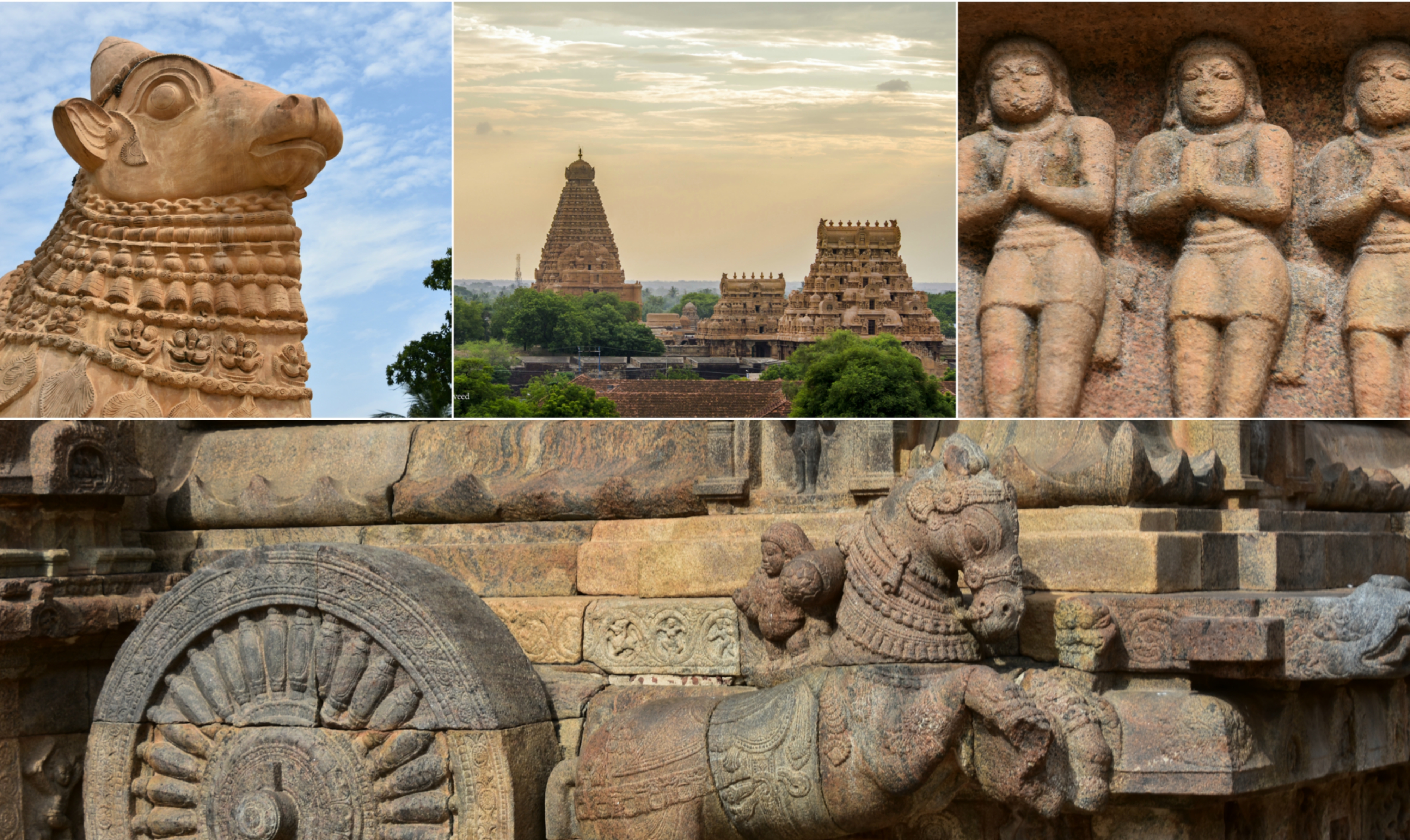
The Thiruvalluvar Temple exemplifies the rich traditions of Dravidian architecture, characterized by its towering gopuram and intricately carved vimana. While specific construction details are unrecorded, its design reflects the typical South Indian temple layout, featuring multiple mandapams leading to the sanctum. The stonework showcases detailed sculptures, depicting mythological narratives and devotional figures, a hallmark of the region's artistic heritage. This architectural style emphasizes grandeur and spiritual symbolism through its structural components and decorative elements, offering a profound visual experience.
Key Structural Elements
The temple complex typically includes a prominent entrance tower, or gopuram, though its exact dimensions here are modest compared to larger Dravidian temples. The central shrine is crowned by a vimana, a pyramidal structure above the sanctum. Various mandapams, or pillared halls, serve as transitional spaces for devotees, each contributing to the temple's functional and aesthetic design.
Intricate Carvings and Iconography
Throughout the temple, intricate carvings adorn the pillars, walls, and tower. These sculptures depict various deities, mythological scenes, and floral motifs, characteristic of Dravidian artistry. The detailed iconography serves not only as decoration but also as a visual narrative, conveying spiritual teachings and stories to the devotees visiting the sacred space.
Deity and Devotion: Shiva's Role in Thiruvalluvar's Era
During the period attributed to the poet-saint Thiruvalluvar, the worship of Shiva, one of the principal deities of Hinduism, was prevalent in the Tamil region. Shiva was revered in various forms, including as the supreme being, creator, preserver, and destroyer. While Thiruvalluvar's _Tirukkural_ is largely secular and ethical, it contains invocations to a formless, attributeless God, which scholars often interpret as aligning with the monotheistic tendencies within Shaivism. The spiritual landscape of the era was deeply influenced by Shaiva Siddhanta, emphasizing devotion and ethical living as paths to liberation.
Shiva Worship in Ancient Tamilakam
Ancient Tamil literature and archaeological findings indicate that Shiva worship was deeply entrenched in the cultural and religious fabric of Tamilakam during the Sangam period and subsequent eras. Temples dedicated to Shiva were prominent, and various hymns and devotional poems attest to his widespread veneration as the ultimate reality. Shiva was often depicted as Nataraja, the cosmic dancer, and as Lingam, representing the formless absolute.
Thiruvalluvar's Spiritual Context
Though the _Tirukkural_ does not explicitly name any deity, its opening verses, known as 'Kadavaul Vaazhthu' (Praise of God), describe a primordial, pure, and omniscient being. This abstract concept of God is often seen as compatible with the philosophical underpinnings of Shaivism, which emphasizes a singular, supreme Shiva beyond form and attributes, accessible through righteous conduct and wisdom. The ethical framework of the _Kural_ resonates with the moral tenets found in Shaiva thought.
Experiencing the Sacred: A Visitor's Guide
Visiting the Thiruvalluvar Temple offers a serene and culturally enriching experience. To ensure a respectful and fulfilling visit, guests should be aware of the temple's operational hours and entry protocols. The temple is conveniently located and easily accessible via various transport modes within Chennai. Following local customs, such as the preferred dress code and removing footwear, significantly enhances the spiritual atmosphere. The period between October and March is generally considered the most favorable time for a visit, offering pleasant weather.
Visiting Hours and Entry
The temple welcomes devotees from 6:00 AM to 12:30 PM and again from 4:00 PM to 9:00 PM daily. Entry to the temple premises is free for all visitors.
Reaching the Temple
Located within Chennai, the temple is well-connected. City buses from Chennai Mofussil Bus Terminus (CMBT) serve the area. Chennai Central Railway Station (MAS) is approximately 5-10 km away, and Chennai International Airport (MAA) is about 15-20 km.
Visitor Guidelines
Traditional attire is preferred for visitors, and removing footwear before entering the inner sanctum is customary. A typical visit allows 1 to 2 hours for darshan and peaceful contemplation.
| Deity | Shiva during the times of Valluvar |
|---|
The Sage's Reverence at Thiruvalluvar Temple
While specific mythological narratives deeply intertwined with the Thiruvalluvar Temple are not extensively documented, the temple's essence lies in its dedication to Lord Shiva, revered during the era of the great Tamil poet and philosopher, Thiruvalluvar. It is believed to represent the spiritual environment that inspired Valluvar's timeless work, the Tirukkural. Devotees visit to experience the quiet sanctity and reflect on the profound wisdom that permeated the land during Valluvar's time, connecting his philosophical insights with the divine presence of Shiva.
In the presence of Shiva, one finds the wisdom that transcends time, echoing the profound truths of Thiruvalluvar's teachings.
The sacred space of Thiruvalluvar Temple invites reflection, connecting the devotee to ancient spirituality and timeless philosophical insights.
Related temples: Aakkoor Thanthondreeswarar Temple | Abhaya Varadeeswarar Temple, Adirampattinam
Cultural Impact and Enduring Legacy
The Thiruvalluvar Temple stands as a profound testament to the enduring cultural impact of its namesake, the revered poet-saint Thiruvalluvar. More than just a place of worship, it functions as a vibrant cultural hub, perpetually reminding devotees and visitors of the timeless wisdom encapsulated in the Tirukkural. The temple plays a crucial role in preserving Tamil literary heritage, fostering a deeper appreciation for the language and its profound philosophical traditions. Its existence reinforces the significance of ethical living and moral conduct, themes central to Thiruvalluvar's work, thereby influencing the cultural fabric of Tamil Nadu. It serves as a pilgrimage site for those seeking intellectual and spiritual solace, connecting them directly to the legacy of one of humanity's greatest moral teachers.
Beyond its historical and religious significance, the Thiruvalluvar Temple actively contributes to the contemporary cultural landscape of Tamil Nadu. It frequently hosts literary events, discussions, and educational programs aimed at disseminating the principles of the Tirukkural to new generations. These initiatives ensure that Thiruvalluvar's ethical guidelines and insights into governance, family life, and love remain pertinent in modern society. The temple acts as a rallying point for cultural pride, inspiring artists, scholars, and common people alike to uphold the values championed by the poet. Its presence reinforces a collective identity rooted in ancient wisdom, demonstrating how classical literature can continue to shape moral consciousness and societal values in the 21st century.
Discovering the Legacy of Thiruvalluvar Temple
The Thiruvalluvar Temple, situated in Chennai, Tamil Nadu, stands as a significant cultural and historical landmark. It is revered for its deep connection to the celebrated Tamil poet-saint Thiruvalluvar, author of the Tirukkural. While dedicated to Shiva, the temple's primary importance lies in its association with the saint, offering devotees and visitors a glimpse into the spiritual and literary heritage of the region. It serves as a testament to the enduring legacy of one of Tamil literature's most influential figures.
Association with Thiruvalluvar
This temple is traditionally believed to be the birthplace or a significant dwelling place of Thiruvalluvar, the revered author of the Tirukkural. Though the exact historical details of its construction remain unknown, its spiritual link to the saint makes it a cherished site for followers of Tamil culture and literature.
Spiritual and Cultural Significance
Beyond its religious function as a Shiva temple, the Thiruvalluvar Temple holds immense cultural value. It serves as a reminder of Thiruvalluvar's contributions to ethics and morality through his literary work. Devotees visit not only to worship Shiva but also to honor the memory and teachings of the great poet-saint.
🗺 How to Reach
Hover a card to animate the journey on the map
Verified routes to Thiruvalluvar Temple
Common Questions
Where is Thiruvalluvar Temple: Birthplace of Saint Valluvar located?
Thiruvalluvar Temple: Birthplace of Saint Valluvar is documented at Chennai, Tamil Nadu.
Which deity is associated with Thiruvalluvar Temple: Birthplace of Saint Valluvar?
Thiruvalluvar Temple: Birthplace of Saint Valluvar is associated with Shiva.