A complete pilgrim record drawn from the existing published article data.
Tracing the Ancient History of Thiruvadigai
The Thiruvadigai Temple boasts a rich historical narrative, with its origins tracing back to the Pallava period. It received significant patronage from various dynasties, including the Pallavas, Cholas, and later the Vijayanagara rulers, each contributing to its expansion and architectural splendor. The temple played a pivotal role in the Bhakti movement, being glorified by the Nayanmars, particularly Appar and Sambandar, whose devotional hymns are inscribed within the temple. Over centuries, the temple underwent numerous renovations, preserving its ancient structures while adding new elements, reflecting the changing artistic and religious sensibilities of different eras. Its history is deeply intertwined with the cultural and religious evolution of Tamil Nadu.
Early Patronage
The temple's earliest structures are attributed to the Pallava dynasty, particularly King Mahendravarman I, who converted to Shaivism. Subsequent Chola kings further enhanced the temple's grandeur with their architectural contributions.
Nayanmar Connections
The temple is renowned for its association with the Nayanmars, especially Appar, who regained his sight here. Their hymns, known as Tevaram, immortalize the deity and the temple's sanctity, making it a revered pilgrimage site.
Dynastic Contributions
Beyond the Pallavas and Cholas, the Vijayanagara Empire also left its mark, adding mandapams and sculptures, ensuring the temple's continuous development and maintenance through different historical periods.
Architectural Marvels of Thiruvadigai Temple
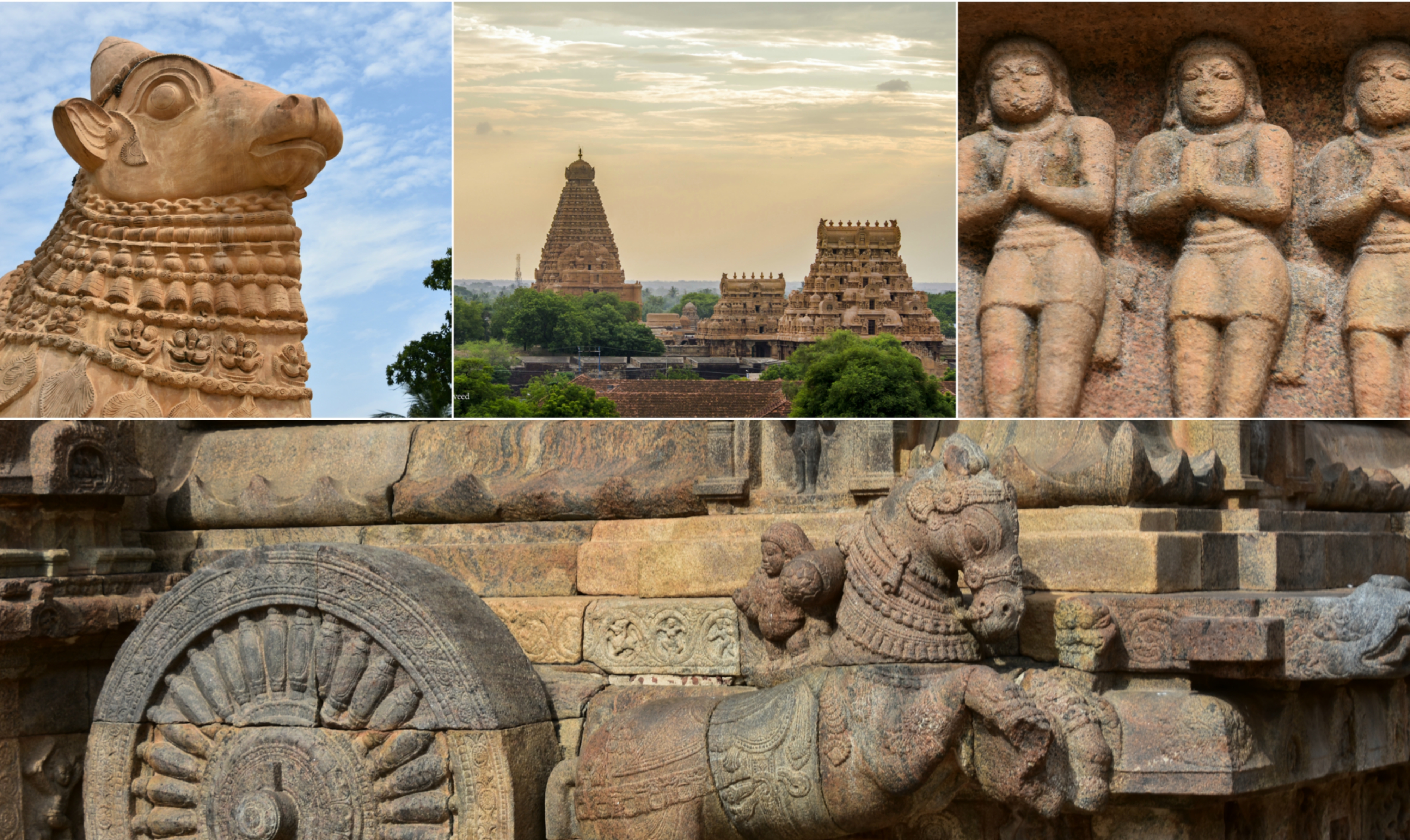
The Thiruvadigai Temple exemplifies the distinctive Dravidian architectural style, characterized by its towering gopurams, intricate carvings, and robust stone structures. The temple complex features multiple mandapams, each adorned with sculptures depicting mythological scenes and divine figures. The main gopuram, a multi-tiered pyramidal tower, is a prominent landmark, showcasing detailed stucco work. Inside, the pillars and walls are embellished with exquisite carvings that narrate stories from Hindu epics and Puranas. The unique structural elements, such as the vimanam over the sanctum sanctorum, reflect the masterful craftsmanship and engineering prowess of ancient artisans, making it an architectural treasure.
Dravidian Style
The temple adheres to classic Dravidian architecture, featuring a central shrine, circumambulatory paths, and a series of progressively smaller towers leading to the main sanctum.
Gopurams and Mandapams
The temple boasts a majestic rajagopuram at its entrance, along with several smaller gopurams and elaborate mandapams like the maha mandapam and ardha mandapam, each serving a specific ritualistic or congregational purpose.
Intricate Sculptures
Every surface, from pillars to ceilings, is adorned with finely detailed sculptures of deities, mythical creatures, and devotees, offering a visual narrative of Hindu mythology and religious practices.
The Divine Presence: Lord Shiva at Thiruvadigai
At Thiruvadigai, Lord Shiva is worshipped as Veerattaneswarar, signifying his valorous act of destroying the Tripurasuras. The primary deity is a Lingam, representing Shiva's formless aspect. This temple is particularly significant for its association with the legend of Shiva destroying the three flying cities of the Tripurasuras, which is symbolically represented in various temple sculptures and rituals. The temple's connection to the Nayanmars, especially Appar, further elevates its spiritual status. Their devotional hymns, known as Tevaram, eloquently praise Lord Shiva's glory at this sacred site, making it a focal point for Shaivite devotion and pilgrimage, drawing devotees seeking blessings and spiritual solace.
Presiding Deity: Veerattaneswarar
Lord Shiva is revered here as Veerattaneswarar, a name that commemorates his heroic feat of annihilating the three cities of the asuras, Tripurasuras, with a single arrow.
Associated Legends
The central myth revolves around Shiva's manifestation as Tripurantaka, the destroyer of Tripurasura. This legend is vividly depicted in the temple's iconography and is a cornerstone of its spiritual identity.
Nayanmar Glorification
The temple finds extensive mention in the Tevaram hymns of Appar and Sambandar. Appar, in particular, composed many verses praising Veerattaneswarar, highlighting the temple's ancient and revered status in the Shaivite tradition.
Planning Your Visit to Thiruvadigai Temple
Visiting the Thiruvadigai Temple offers a deeply enriching experience for devotees and cultural enthusiasts. The temple operates from 6:00 AM to 12:30 PM and again from 4:00 PM to 9:00 PM, with free entry for all visitors. The months between October and March are considered the best time to visit, offering pleasant weather for exploration. While there is no strict dress code, traditional attire is preferred out of respect for the sanctity of the place. Visitors are kindly requested to remove their footwear before entering the temple premises. A typical visit duration ranges from one to two hours, allowing ample time to admire the architecture, offer prayers, and soak in the spiritual atmosphere.
Temple Timings and Entry
The temple is open daily from 6:00 AM to 12:30 PM and 4:00 PM to 9:00 PM. There is no entry fee, making it accessible to all.
Accessibility and Transport
Thiruvadigai is well-connected by road. Vriddhachalam Bus Stand and Vriddhachalam Junction railway station are approximately 25 km away, offering regular services. Tiruchirappalli International Airport is the nearest airport, about 130 km distant. Parking is available near the temple.
Etiquette and Best Time to Visit
Modest, traditional attire is recommended. Visitors should remove footwear before entering. The cooler months from October to March provide the most comfortable climate for a visit, enhancing the overall experience.
| Deity | Shiva |
|---|---|
| Form | Often depicted as an ascetic with a third eye, crescent moon, and the river Ganga flowing from his hair, or as Nataraja, the cosmic dancer. |
| Consort | Parvati |
| Sampradaya | Shaivism |
| Significance | One of the principal deities of Hinduism, known as 'The Destroyer' within the Trimurti, symbolizing transformation, creation, and destruction. He is revered as the supreme being in Shaivism. |
The Cosmic Dance of Shiva
While specific legends for Thiruvadigai Temple are not provided, Shiva is universally celebrated as Nataraja, the Lord of Dance. His cosmic dance, the Tandava, symbolizes the rhythm of creation and destruction, the cycle of life, death, and rebirth. This dance is not merely an act of destruction but a dynamic process that sustains the universe, reflecting Shiva's role as the ultimate force of change and renewal in the cosmos.
In Shiva, we find the ultimate truth, the destroyer of ignorance and the giver of bliss.
The sacred presence of Shiva purifies the soul and grants inner peace to all who seek it.
Thiruvadigai Temple: A Sacred Abode of Lord Shiva
The Thiruvadigai Temple, located in Panruti, Tamil Nadu, stands as a profound testament to ancient Dravidian spiritual heritage. Dedicated to Lord Shiva, this revered shrine is celebrated for its deep spiritual significance and historical prominence. It is one of the eight Veeratta Sthalams, sites where Shiva is believed to have performed heroic acts. The temple's serene ambiance and architectural grandeur attract devotees and history enthusiasts alike, offering a glimpse into centuries of devotion and cultural richness. It remains a vital center for Shaivism in the region.
Location and Overview
Situated in Thiruvadigai, a suburb of Panruti in Cuddalore district, the temple is easily accessible and forms a significant part of Tamil Nadu's temple circuit. Its historical importance is underscored by its mention in ancient texts.
Spiritual Importance
As a Veeratta Sthalam, Thiruvadigai holds a unique place among Shiva temples. It is believed to be the place where Lord Shiva vanquished the demon Tripurasura, emphasizing its mythological and spiritual weight for devotees.
🗺 How to Reach
Hover a card to animate the journey on the map
Verified routes to Thiruvadigai Temple, Panruti
Common Questions
Where is Thiruvadigai Temple: Ancient Shiva Shrine of Panruti located?
Thiruvadigai Temple: Ancient Shiva Shrine of Panruti is documented at Vriddhachalam, Tamil Nadu.
Which deity is associated with Thiruvadigai Temple: Ancient Shiva Shrine of Panruti?
Thiruvadigai Temple: Ancient Shiva Shrine of Panruti is associated with Shiva.