A complete pilgrim record drawn from the existing published article data.
Thirukattalai Sundareswarar Temple: A Glimpse into Ancient Devotion
The Thirukattalai Sundareswarar Temple stands as a testament to ancient devotion in Tamil Nadu. Dedicated to Lord Shiva, this historic shrine is revered for its spiritual aura and architectural grandeur. It serves not only as a place of worship but also as a significant cultural landmark, reflecting centuries of religious practices and artistic traditions. Pilgrims visit to experience its tranquil atmosphere and seek blessings from Lord Sundareswarar. The temple's enduring presence underscores its importance in the region's spiritual landscape.
Spiritual Significance
As an ancient Shiva shrine, the temple holds deep spiritual meaning for devotees, offering a sacred space for prayer and contemplation.
Cultural Heritage
The temple is a cultural landmark, preserving historical architectural styles and religious traditions that have evolved over centuries.
A Beacon of Faith
It continues to be a vital center of faith, drawing pilgrims and visitors who seek solace and connection with the divine.
Architectural Marvels of Sundareswarar Temple
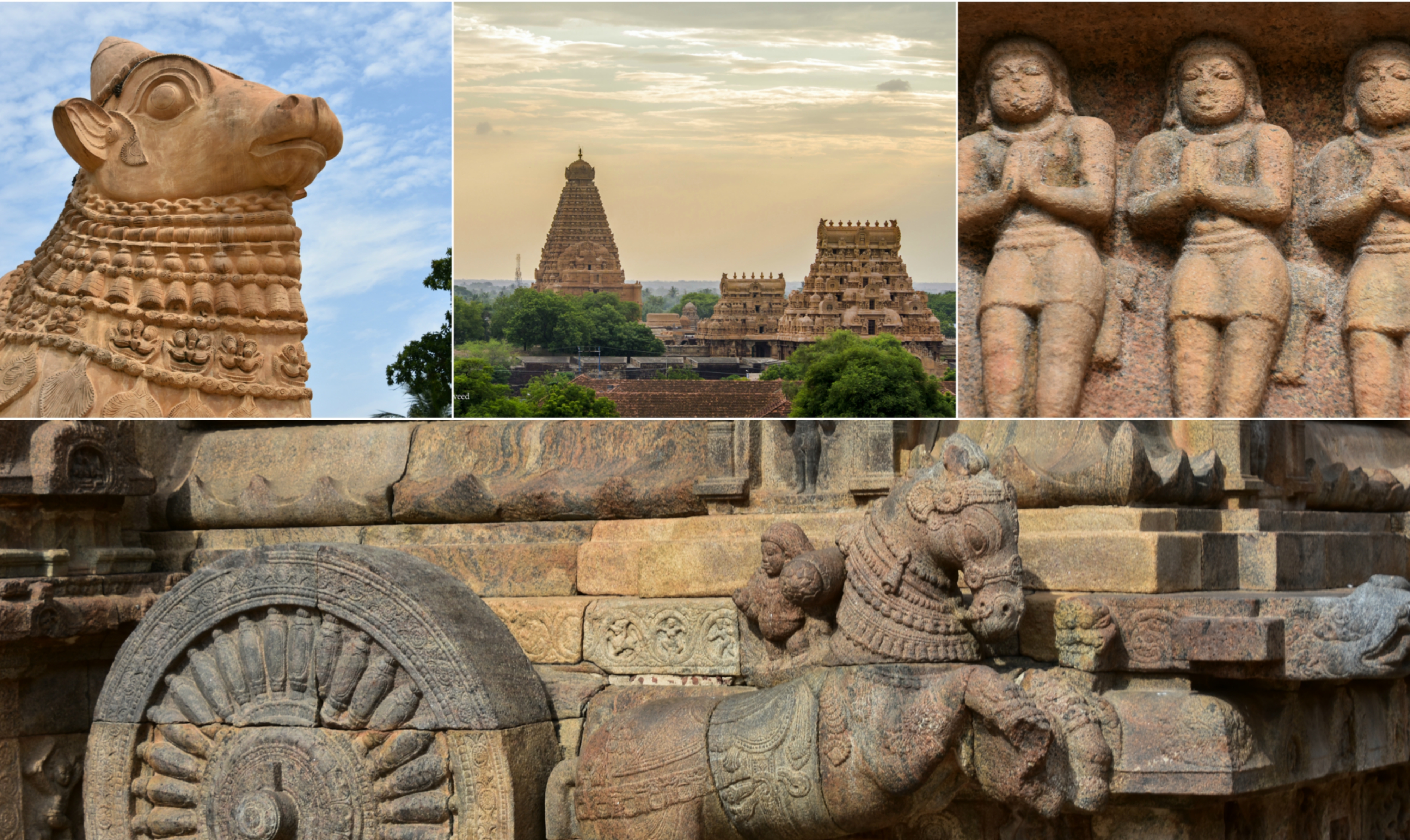
The Thirukattalai Sundareswarar Temple exemplifies the distinctive Dravidian architectural style, characterized by its towering gopurams and intricate stone carvings. The temple complex features various mandapams, each adorned with sculpted pillars depicting mythological figures and divine narratives. The construction primarily utilizes durable granite, meticulously carved by skilled artisans. These traditional techniques highlight the craftsmanship of ancient builders, evident in the detailed bas-reliefs and structural integrity. The temple's design elements, from its sanctum to its peripheral shrines, showcase a harmonious blend of aesthetics and engineering, reflecting the rich artistic heritage of Tamil Nadu.
Dravidian Style
The temple showcases classic Dravidian architecture, featuring multi-tiered gopurams and a layout typical of South Indian temples.
Intricate Sculpture
Detailed carvings adorn the pillars and walls, depicting mythological scenes, deities, and decorative motifs.
Construction Techniques
Built primarily with granite, the temple demonstrates ancient masonry skills and enduring construction methods.
The Divine Presence: Lord Sundareswarar and Temple Lore
At the heart of the Thirukattalai Sundareswarar Temple resides Lord Sundareswarar, a manifestation of Shiva. The deity is revered in his lingam form, representing the cosmic creative energy. Local legends and spiritual narratives abound, often intertwining with the temple's history and the surrounding landscape. Devotees believe that worshipping Lord Sundareswarar here bestows blessings of prosperity and spiritual well-being. The temple's lore often speaks of divine interventions and miracles, reinforcing its sanctity. These unique stories contribute significantly to the temple's spiritual identity, drawing pilgrims seeking a deeper connection with the divine.
Lord Sundareswarar
The principal deity, Lord Sundareswarar, is worshipped as a manifestation of Shiva, primarily in his iconic lingam form.
Local Legends
The temple is rich with local legends and myths that narrate tales of the deity's presence and miraculous events associated with the shrine.
Spiritual Significance
Devotees believe that worship at this temple brings spiritual merit and fulfills desires, reinforcing its sacred status.
Experiencing Thirukattalai: A Visitor's Guide
Visiting the Thirukattalai Sundareswarar Temple offers a profound spiritual experience. The temple is open from 6:00 AM to 12:30 PM and 4:00 PM to 9:00 PM daily, with free entry. The period from October to March is considered the best time due to pleasant weather. Visitors are encouraged to wear traditional attire and remove footwear before entering. Rituals and pujas are performed throughout the day, offering glimpses into traditional Hindu worship. The temple is approximately 25 km from Tiruchirappalli Junction, accessible by road. Allow 1-2 hours for a complete visit to absorb the temple's serene atmosphere and architectural details.
Planning Your Visit
The temple is open daily from 6:00 AM to 12:30 PM and 4:00 PM to 9:00 PM, with free entry. The best time to visit is from October to March.
Temple Etiquette
Visitors are advised to wear traditional attire and remove footwear before entering the temple premises as a mark of respect.
Access and Duration
Located approximately 25 km from Tiruchirappalli, the temple is accessible by road. A typical visit duration is 1-2 hours.
| Deity | Shiva |
|---|
No Specific Legend Available
Information regarding specific mythological stories or legends associated with the Thirukattalai Sundareswarar Temple is not available in the provided facts.
Shiva, the transformer, embodies the cycles of creation and dissolution, guiding devotees towards inner peace and cosmic understanding.
In the silence of the temple, one finds the eternal dance of Shiva, a timeless rhythm that connects all existence.
Related temples: Aakkoor Thanthondreeswarar Temple | Aazhimala Shiva Temple
Tracing the Centuries: The Rich History of Thirukattalai
The historical origins of the Thirukattalai Sundareswarar Temple are shrouded in the mists of time, with its initial construction period largely unknown. However, inscriptions and architectural styles suggest significant patronage from various South Indian dynasties. While the primary builder remains unconfirmed, the temple has undergone numerous renovations and expansions over centuries, reflecting the evolving artistic and religious fervor of different eras. It is believed to have flourished under the influence of early medieval kingdoms, contributing to its current form and historical depth. These successive contributions have shaped its identity as a site of continuous worship and architectural evolution.
Ancient Origins
The temple's initial founding period is largely unknown, hinting at a deep antiquity rooted in early South Indian history.
Dynastic Patronage
Various dynasties contributed to the temple's development, with their patronage evident in architectural additions and renovations over time.
Evolution Through Eras
The temple has been continuously shaped by successive generations and rulers, reflecting a rich tapestry of historical and cultural influences.
Restoration & Conservation
The Thirukattalai Sundareswarar Temple, with its centuries-old granite structure and intricate carvings, has undergone various phases of restoration and conservation throughout its history. The primary challenge in preserving such ancient edifices lies in combating the natural wear and tear caused by weather, humidity, and biological growth, alongside the impact of human activity. Early efforts, often initiated by local patrons or temple management, focused on structural reinforcement and minor repairs using traditional lime mortar and local stone. However, more systematic conservation began in recent decades, addressing issues like water seepage, crumbling stucco work, and the fading of mural paintings. These initial interventions aimed to stabilize the temple's integrity while respecting its original architectural style and material composition, ensuring the longevity of its historical and spiritual essence. Contemporary conservation efforts at Thirukattalai Sundareswarar Temple involve a multi-faceted approach, often spearheaded by the Tamil Nadu Hindu Religious and Charitable Endowments (HR&CE) Department, sometimes in collaboration with archaeological experts. These projects employ a blend of traditional craftsmanship and modern scientific techniques to meticulously restore damaged sections, clean accumulated grime without harming the delicate surfaces, and document the temple's condition for future reference. Community involvement also plays a crucial role, with local artisans and volunteers contributing to the upkeep and awareness campaigns. The goal is not merely to repair but to preserve the temple's authenticity, ensuring that its architectural grandeur and spiritual sanctity endure for future generations, allowing devotees and historians alike to appreciate its profound cultural legacy.🗺 How to Reach
Hover a card to animate the journey on the map
Verified routes to Thirukattalai Sundareswarar Temple
Common Questions
Where is Thirukattalai Sundareswarar: Hoysala's Shiva Legacy located?
Thirukattalai Sundareswarar: Hoysala's Shiva Legacy is documented at Kulathur, Tamil Nadu.
Which deity is associated with Thirukattalai Sundareswarar: Hoysala's Shiva Legacy?
Thirukattalai Sundareswarar: Hoysala's Shiva Legacy is associated with Shiva.