A complete pilgrim record drawn from the existing published article data.
Historical Tapestry: The Chola Legacy in Stone
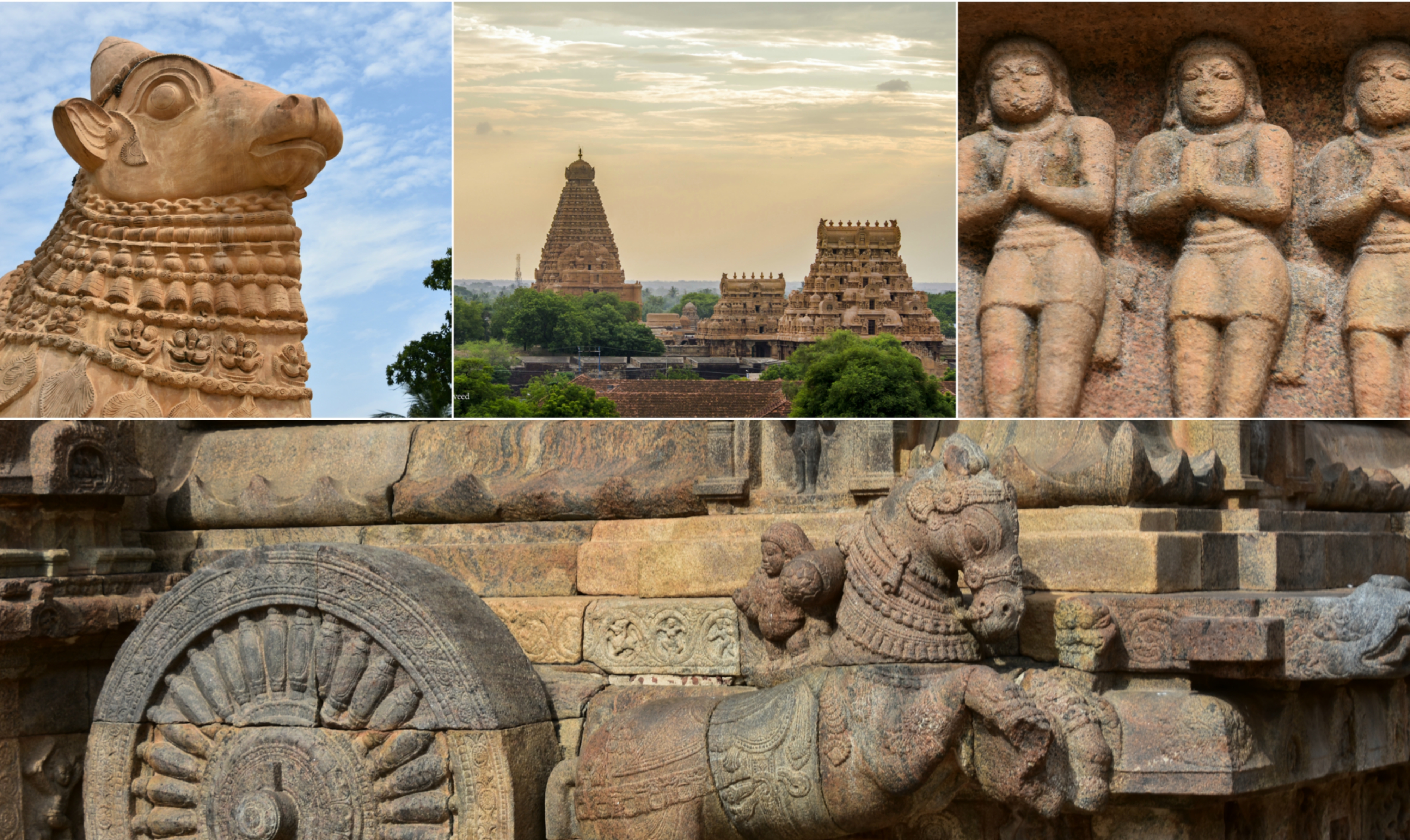
Thanjavur's profound history is inextricably linked to the mighty Chola dynasty, whose rise and influence shaped much of South India. Under Chola patronage, particularly during the reigns of Raja Raja Chola I and his successors, the region witnessed an unparalleled era of temple construction. These iconic structures, forming the core of the sacred trail, stand as enduring monuments to Chola power, artistic vision, and deep religious devotion. Their architectural innovations and sculptural richness profoundly influenced the region's spiritual and artistic identity, establishing Thanjavur as a pivotal center of Dravidian culture and heritage for centuries.
The Chola Empire's Zenith
Explore the period when the Cholas dominated South India, fostering a golden age of art and architecture.
Royal Patronage and Construction
Understand how Chola kings commissioned and funded the construction of these monumental temples.
Impact on Regional Identity
Witness how Chola temples solidified Thanjavur's status as a spiritual and cultural epicenter.
Architectural Grandeur: Dravidian Masterpieces of Thanjavur
The temples along the Thanjavur walk exemplify the distinctive Dravidian architectural style, characterized by its towering gopurams (gateway towers), intricate carvings, and multi-storied vimanas (main shrine towers). These ancient structures are engineering marvels, often constructed from granite with precise interlocking techniques. Key elements include the mandapams (halls), garbhagriha (sanctum sanctorum), and elaborate sculptural panels depicting mythological tales and divine forms. The scale and detail of these masterpieces reflect an advanced understanding of architecture, sculpture, and religious iconography, showcasing the pinnacle of Chola artistic achievement.
Towering Gopurams and Vimanas
Marvel at the sky-piercing gateway towers and the pyramidal main shrine structures unique to Dravidian architecture.
Intricate Carvings and Sculpture
Examine the detailed stone carvings that adorn every surface, narrating stories from Hindu scriptures and epics.
Engineering Marvels in Stone
Discover the sophisticated construction techniques used by ancient artisans to build these massive, enduring granite temples.
Divine Narratives: Shiva and the Pantheon of Thanjavur
Lord Shiva holds the central role as the presiding deity in many of Thanjavur's temples, particularly the Brihadeeswarar Temple, where he is worshipped as Peruvudaiyar. The sacred spaces also honor a rich pantheon of other revered gods and goddesses, including Parvati, Ganesha, Murugan, and various forms of Vishnu. Each temple is steeped in myths, legends, and spiritual significance, with sculptures and frescoes illustrating tales of divine exploits, cosmic dances, and devotional narratives. These stories are not merely decorative but embody the philosophical and theological tenets of Hinduism, inviting devotees into a deeper spiritual connection.
Shiva as the Supreme Deity
Understand the prominence of Lord Shiva in Thanjavur's temples, often in his various iconic and aniconic forms.
A Pantheon of Deities
Explore the presence and worship of other significant Hindu gods and goddesses within the temple complexes.
Myths, Legends, and Symbolism
Uncover the rich mythological narratives and spiritual symbolism embedded in the temple's art and architecture.
Planning Your Sacred Journey: A Visitor's Guide to the Thanjavur Temple Walk
To enhance your experience of the Thanjavur Temple Walk, careful planning is recommended. The best time to visit is between October and March, when the weather is pleasant. While entry is free, visitors should allocate 2-3 hours for each major temple. Traditional attire is preferred, and removing footwear before entering shrines is mandatory. Respect local customs by maintaining silence in sacred areas and refraining from touching idols. Consider hiring a local guide for deeper insights into the history and legends. Drinking water, hats, and comfortable walking shoes are advisable for this enriching heritage trail.
Best Time to Visit
The cooler months from October to March offer the most comfortable conditions for exploring the temples.
Dress Code and Etiquette
Adhere to traditional attire and observe temple customs like removing footwear and maintaining decorum.
Practical Tips for Exploration
Carry essentials like water and wear comfortable shoes for an enjoyable and respectful journey through the sacred sites.
| Deity | Shiva |
|---|
Legend of the Temple
No specific mythological story or legend was provided for this temple. The Thanjavur Temple Walk typically encompasses various sacred sites, each with its own rich history and lore. Without specific details for this particular temple within the walk, a detailed story cannot be generated based on the provided information.
In the heart of devotion, Shiva's presence is felt, guiding all who seek his grace.
A sacred space where time stands still, inviting reflection and peace.
Related temples: Aakkoor Thanthondreeswarar Temple | Aazhimala Shiva Temple
Embarking on the Thanjavur Temple Walk: A Journey Through Sacred Heritage
The Thanjavur Temple Walk offers an immersive heritage experience, unveiling the profound spiritual and cultural legacy of Tamil Nadu. This curated trail guides visitors through a collection of magnificent temples, each a testament to ancient craftsmanship and devotion. It serves as a gateway to understanding the region's rich history, artistic prowess, and deep-rooted religious traditions, centered around the worship of Shiva and other deities. The walk connects significant sacred spaces, inviting exploration into the heart of Dravidian spirituality and architectural genius, making it an essential journey for cultural enthusiasts.
A Cultural Immersion
The walk provides a unique opportunity to delve into the vibrant cultural landscape of Thanjavur, showcasing its enduring traditions.
Connecting Sacred Sites
It links various temples, allowing for a comprehensive exploration of the city's spiritual core and architectural diversity.
Gateway to Dravidian Art
Discover the intricate artistry and sculptural narratives that adorn these ancient structures, reflecting centuries of devotion.
Restoration & Conservation Efforts
The enduring grandeur of Thanjavur's temples, particularly the iconic Brihadeeswarar Temple, is a testament not only to ancient engineering but also to continuous, meticulous restoration and conservation efforts. Over centuries, these magnificent granite structures have faced the relentless assault of time, tropical weather patterns, and, at various historical junctures, human neglect or conflict. Issues such as water seepage causing damage to intricate carvings, the natural degradation and erosion of granite surfaces, and structural stresses from seismic activity or foundation shifts have necessitated ongoing intervention. Organizations like the Archaeological Survey of India (ASI) and various state heritage departments, alongside international bodies and local trusts, play a crucial role in identifying vulnerabilities and implementing scientifically-backed preservation strategies to safeguard these invaluable cultural assets for posterity.
Modern conservation approaches employed at Thanjavur's temple complexes blend traditional craftsmanship with advanced scientific techniques. This includes detailed laser scanning for precise structural analysis, chemical cleaning to remove pollutants and biological growth without harming the original stone, and the meticulous replacement of damaged elements using historically accurate materials and traditional construction methods. A significant challenge lies in balancing the imperative of strict heritage preservation with the temples' continued function as living places of worship, ensuring interventions respect and do not impede religious practices. Community engagement and public awareness campaigns are also vital components, fostering a sense of shared responsibility for these UNESCO World Heritage Sites, thereby ensuring their legacy endures for future generations of devotees and heritage enthusiasts.
🗺 How to Reach
Hover a card to animate the journey on the map
Verified routes to Thanjavur Temple Walk: A Heritage Trail Through Sacred Spaces
Common Questions
Where is Thanjavur Temple Walk: Chola Heritage & Sacred Trails located?
Thanjavur Temple Walk: Chola Heritage & Sacred Trails is documented at Madurai, Tamil Nadu.
Which deity is associated with Thanjavur Temple Walk: Chola Heritage & Sacred Trails?
Thanjavur Temple Walk: Chola Heritage & Sacred Trails is associated with Shiva.