A complete pilgrim record drawn from the existing published article data.
A Glimpse into the Temple's Rich History
The precise origins of the Thanjavur South Road Kasi Vishwanath Temple remain largely unknown, with no definitive records indicating its builder or the specific dynasty responsible for its initial construction. Despite this, the temple is recognized as an ancient religious site, suggesting centuries of continuous worship and cultural significance. Its evolution has likely been shaped by local patronage and community support, allowing it to maintain its spiritual legacy through various historical periods in Thanjavur, a city renowned for its rich heritage.
Ancient Origins
While specific dates are not available, the temple's traditional architecture and established presence within Thanjavur suggest an ancient foundation, predating many modern structures in the area.
Patronage and Development
Over centuries, it is believed that various local rulers and devout communities contributed to the temple's maintenance and expansion, ensuring its survival and spiritual continuity as a place of worship.
Architectural Marvels of Kasi Vishwanath Temple
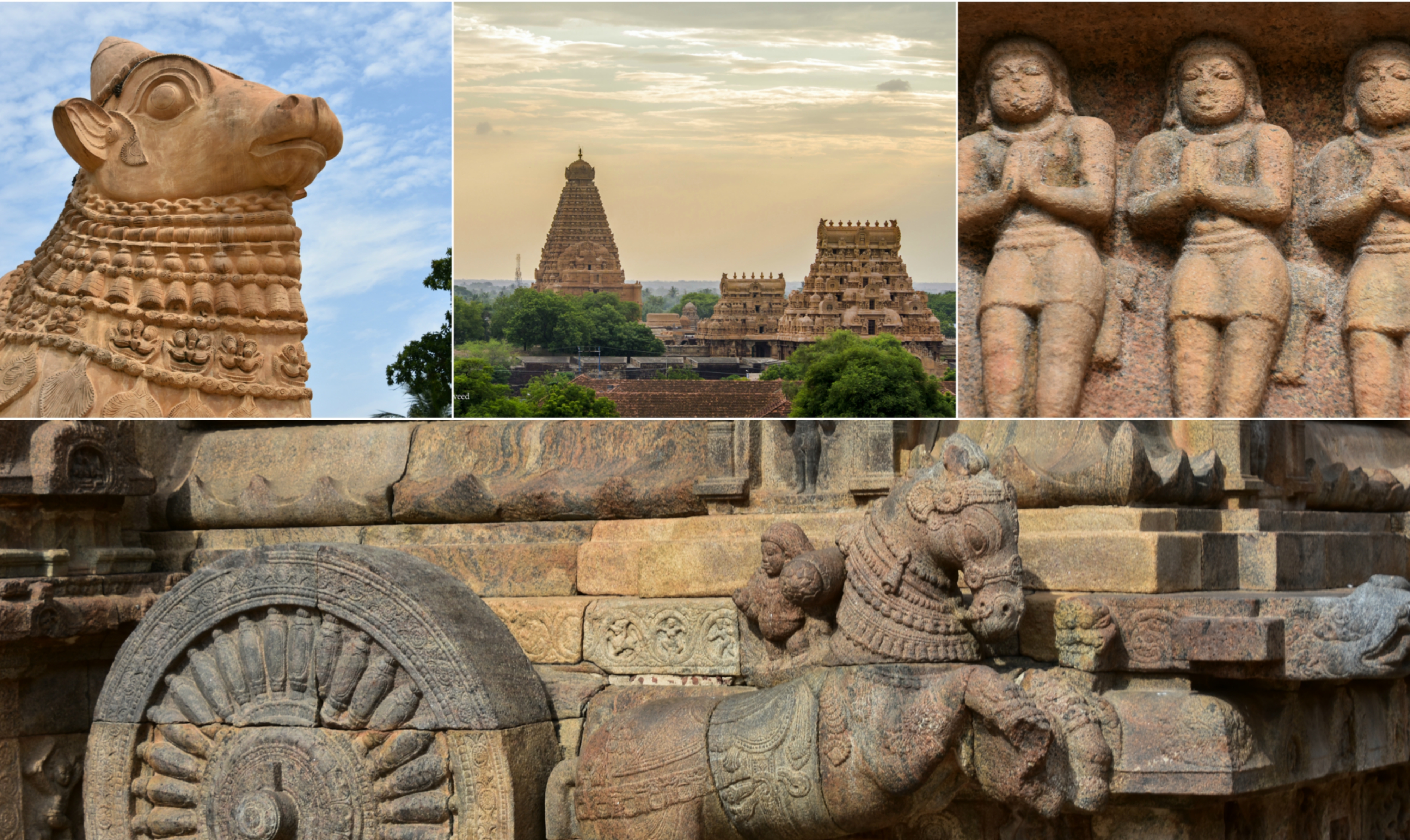
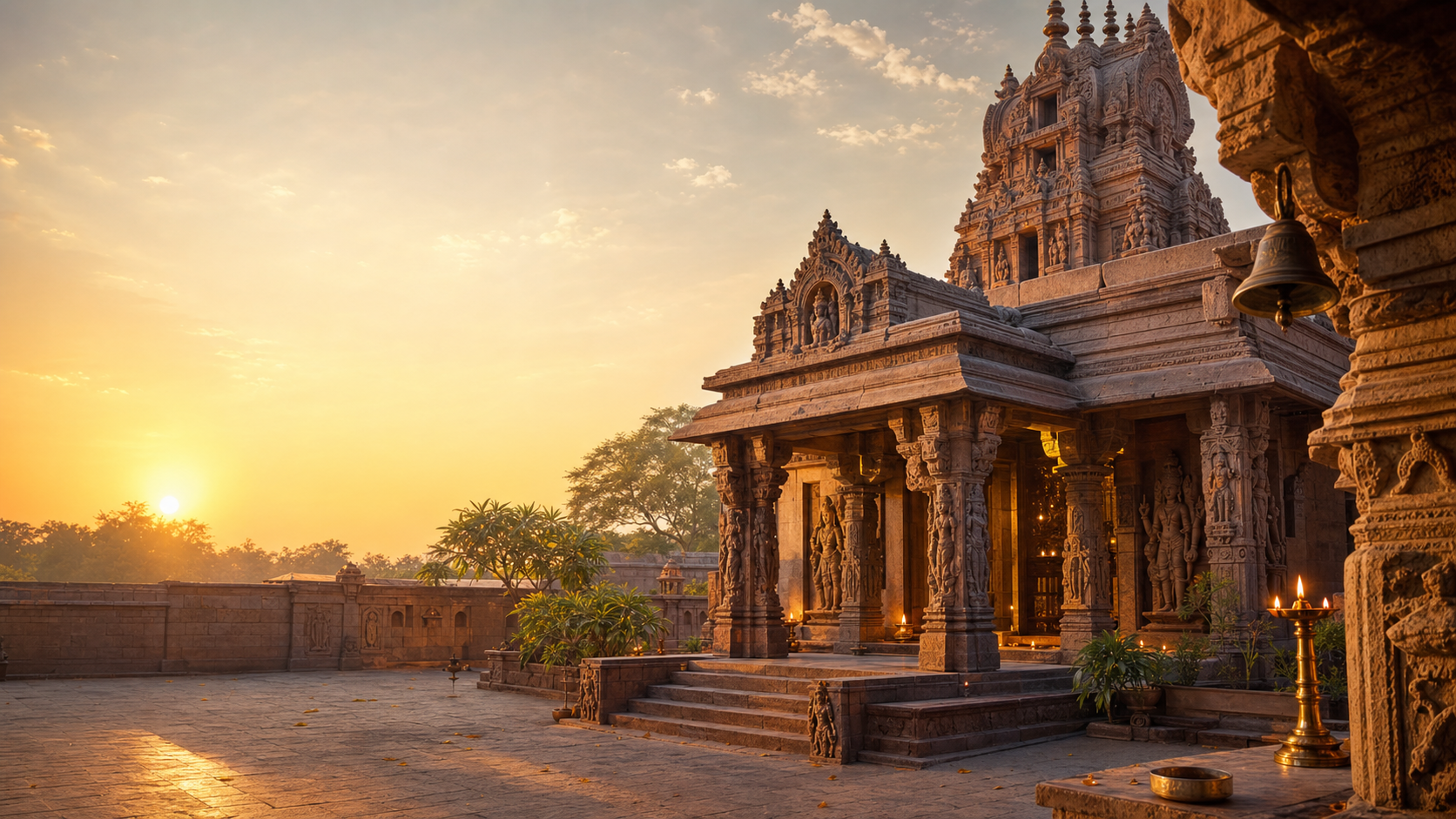
The Thanjavur South Road Kasi Vishwanath Temple showcases classic elements of Dravidian architecture, a style characteristic of South Indian temple construction. Its design incorporates traditional features such as a prominent gopuram (ornate tower at the entrance), a vimana (tower over the sanctum), and various mandapams (halls). The temple complex is adorned with intricate carvings and sculptures depicting mythological figures, deities, and narrative scenes, reflecting the artistic prowess of its builders and adhering to established temple design principles that emphasize cosmic symbolism and devotional art.
Dravidian Style
The temple's architecture prominently features the pyramidal vimana and the elaborate gopuram, hallmarks of the Dravidian style, which evolved over centuries in Tamil Nadu.
Intricate Sculptures
Detailed stone carvings embellish the temple walls and pillars, showcasing skilled craftsmanship and narrating episodes from Hindu mythology, which serve both decorative and didactic purposes.
Lord Shiva: The Presiding Deity and Local Legends
The central deity of the Thanjavur South Road Kasi Vishwanath Temple is Lord Shiva, revered in his form as Kasi Vishwanath. This particular manifestation is significant as it spiritually links the temple to the revered Kashi Vishwanath Temple in Varanasi, one of the twelve Jyotirlinga shrines. Devotees believe that worshipping Kasi Vishwanath here bestows blessings akin to those received in Varanasi. While specific local legends exclusive to this Thanjavur temple are not widely documented, the presence of this form of Shiva reinforces the pan-Indian spiritual network and the profound devotion to the deity.
Kasi Vishwanath Form
Lord Shiva as Kasi Vishwanath embodies the aspect of the Lord of the Universe, particularly associated with the sacred city of Kasi, symbolizing spiritual liberation and cosmic energy.
Associated Myths
The worship of Kasi Vishwanath often draws upon the extensive mythological narratives surrounding Lord Shiva, including tales of his cosmic dance, divine marriages, and benevolent acts, inspiring deep devotion.
Planning Your Visit to Thanjavur Kasi Vishwanath Temple
For those planning a visit to the Thanjavur South Road Kasi Vishwanath Temple, it operates daily from 6:00 AM to 12:30 PM and again from 4:00 PM to 9:00 PM. Entry to the temple is free for all visitors. The best time to experience the temple and the region's pleasant weather is between October and March. Visitors are encouraged to wear traditional attire as a mark of respect and must remove their footwear before entering the temple premises. A typical visit duration ranges from one to two hours, allowing ample time for darshan and appreciating the architecture.
Visitor Information
The temple is open during specific morning and evening hours, with free entry. The cooler months from October to March are ideal for a comfortable visit. Allocate 1-2 hours for a complete experience.
Etiquette and Best Practices
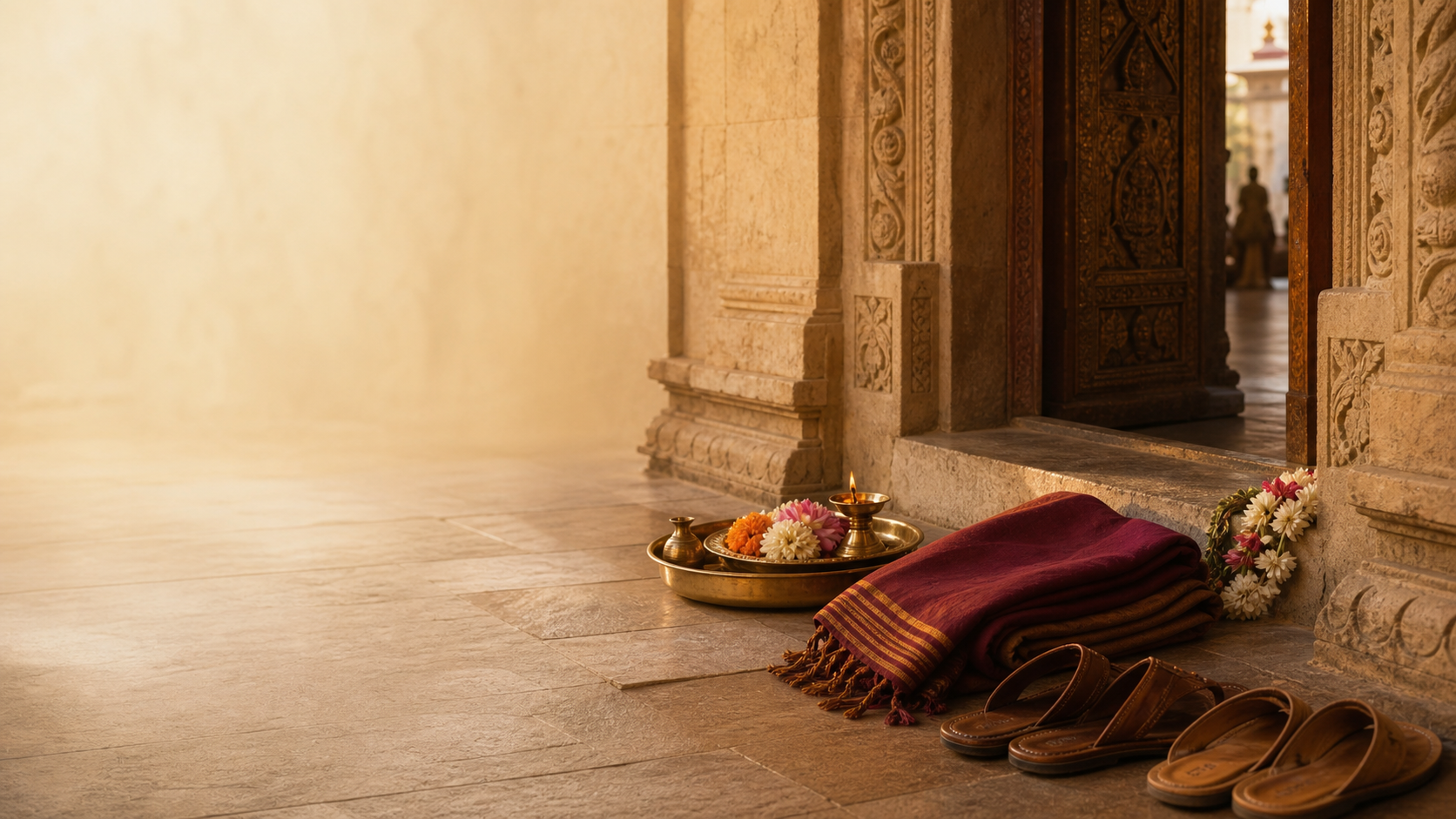
Respectful conduct includes wearing traditional clothing and removing footwear before entering. Photography rules should be observed, and maintaining silence is appreciated to preserve the sacred atmosphere.
Accessibility and Transport
The temple is easily accessible from Thanjavur city center by auto-rickshaws or local buses. Parking is generally available nearby for those traveling by car.
| Deity | Shiva |
|---|---|
| Form | Shiva is often worshipped in the aniconic form of a Lingam, representing his cosmic creative and destructive power. He is also depicted iconically with a third eye, a crescent moon, and a trident. |
| Consort | Parvati |
| Sampradaya | Hindu |
| Significance | As one of the principal deities of Hinduism, Shiva is the Destroyer within the Trimurti, but also the patron god of yoga, meditation, and arts. He represents the cycle of creation and dissolution, embodying both asceticism and domesticity. |
Awaiting its Sacred Narrative
While the Thanjavur South Road Kasi Vishwanath Temple is a place of devotion, specific mythological stories or legends uniquely associated with its founding or a particular miracle are not readily available in historical records. Devotees primarily connect with the universal stories of Lord Shiva, whose presence consecrates this sacred space.
Shiva is both the destroyer and the creator, the ultimate ascetic and the loving householder, embodying the profound paradoxes of existence.
In the presence of the Lingam, one finds not merely a symbol, but the boundless energy of the cosmic dance.
Related temples: Aakkoor Thanthondreeswarar Temple | Abhaya Varadeeswarar Temple, Adirampattinam
Introduction to Thanjavur South Road Kasi Vishwanath Temple
The Thanjavur South Road Kasi Vishwanath Temple is a significant Hindu shrine located in the historic city of Thanjavur, in the Indian state of Tamil Nadu. Dedicated to Lord Shiva, specifically in his form as Kasi Vishwanath, this temple serves as a vital spiritual center for devotees. It is revered for its tranquil ambiance and its connection to the rich religious traditions of the region. The temple stands as a testament to the enduring faith and cultural heritage of Thanjavur, attracting pilgrims and visitors seeking spiritual solace and a glimpse into South Indian temple architecture.
Location and Significance
Situated on South Road in Thanjavur, the temple's location is easily accessible within the city. Its significance stems from its dedication to Lord Shiva, a primary deity in Hinduism, making it a focal point for local worship and pilgrimage.
Deity and Devotion
The presiding deity, Kasi Vishwanath, is a manifestation of Lord Shiva, revered as the Lord of Kasi (Varanasi). This connection implies a spiritual link to one of Hinduism's holiest cities, enhancing the temple's devotional appeal among adherents.
Restoration and Conservation Efforts
Over its many centuries of existence, the Thanjavur South Road Kasi Vishwanath Temple has naturally faced the ravages of time, weather, and, at various points, neglect. The intricate granite carvings and stucco figures, while remarkably resilient, require continuous attention to prevent deterioration. Early efforts at maintenance were often localized and community-driven, relying on traditional knowledge and materials. However, without systematic conservation practices, elements like water seepage, biological growth, and structural stresses from seismic activity or foundation issues posed significant threats. The temple's historical records, though sparse on detailed restoration logs, hint at periodic renovations, particularly during periods of strong royal patronage, which helped preserve its core architectural integrity through various epochs. In more recent decades, a structured approach to the temple's preservation has been adopted, often involving the Archaeological Survey of India (ASI) or state archaeological departments, alongside local temple trusts and community organizations. These modern conservation efforts focus on scientific analysis of material degradation, structural stabilization, and the meticulous restoration of damaged sculptures and murals. Projects have included reinforcing foundations, treating salt efflorescence, conserving ancient inscriptions, and implementing better drainage systems to protect the plinth from water damage. The aim is not merely to repair but to preserve the temple's original character and historical authenticity, ensuring that future generations can experience the same spiritual and architectural grandeur that has captivated devotees for centuries, highlighting an ongoing commitment to its legacy.🗺 How to Reach
Hover a card to animate the journey on the map
Verified routes to Thanjavur South Road Kasi Vishwanath Temple
Common Questions
Where is Thanjavur Kasi Vishwanath: Navagraha Shiva Shrine located?
Thanjavur Kasi Vishwanath: Navagraha Shiva Shrine is documented at Thanjavur, Tamil Nadu.
Which deity is associated with Thanjavur Kasi Vishwanath: Navagraha Shiva Shrine?
Thanjavur Kasi Vishwanath: Navagraha Shiva Shrine is associated with Shiva.