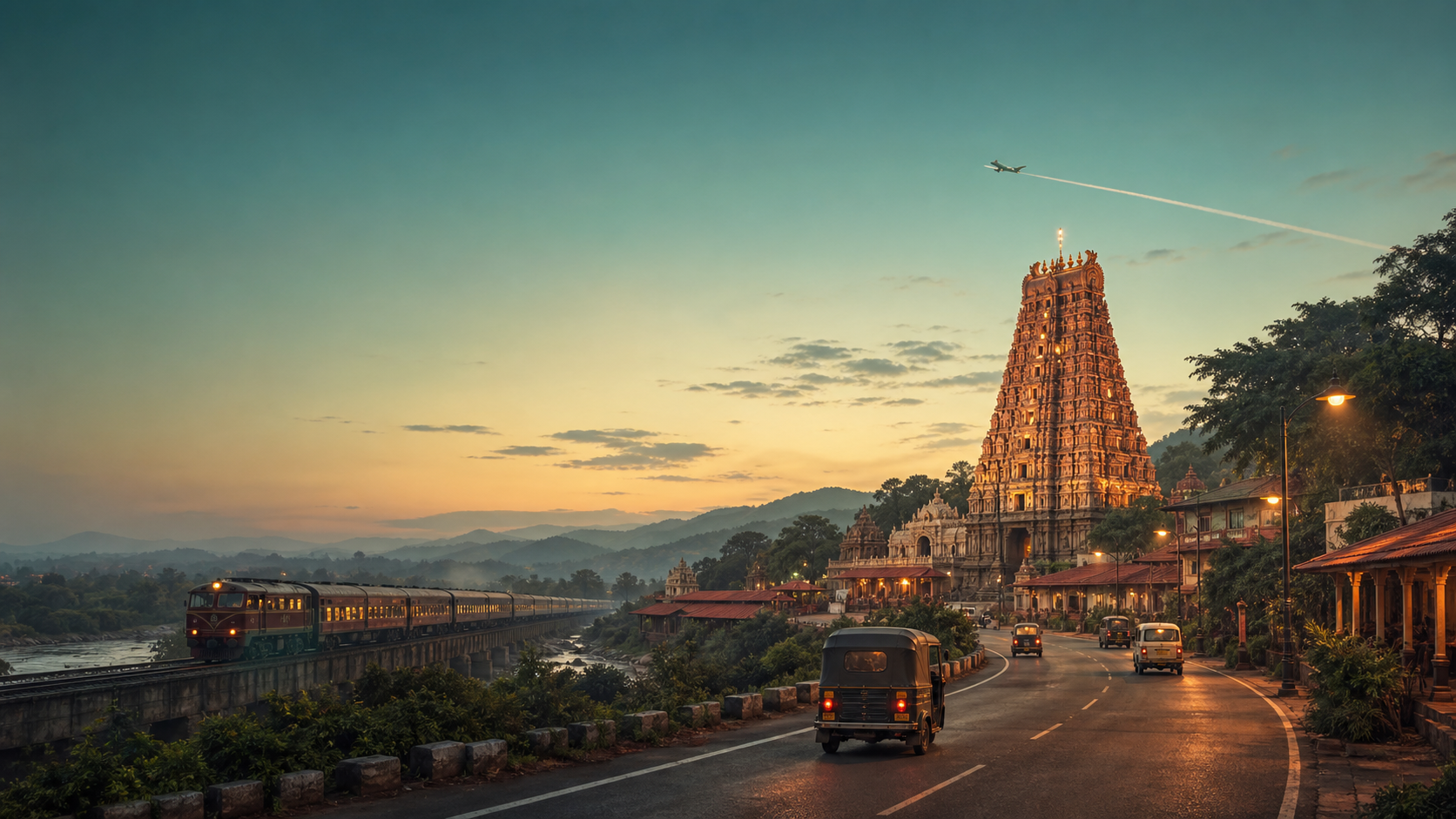
A complete pilgrim record drawn from the existing published article data.
Tracing the Ancient Roots of Swayambhunath
The history of Swayambhunath is deeply intertwined with the legends of the Kathmandu Valley's formation, with its origins dating back to ancient times. Traditional accounts suggest Emperor Ashoka visited in the 3rd century BCE. Major reconstruction efforts were undertaken in 640 CE by King Vṛsadeva of the Licchavi dynasty, as confirmed by an inscription. Later, the Malla rulers, including King Pratap Malla, significantly contributed to the complex's expansion and renovation, shaping its present form and ensuring its enduring legacy.
Legendary Origins
The site's legend begins with a cosmic lotus blooming in an ancient lake, from which a self-arisen light emerged. The Bodhisattva Manjushri then drained the lake, revealing the valley and establishing the site of the stupa, marking it as a place of primordial enlightenment.
Licchavi Dynasty Contributions
King Vṛsadeva of the Licchavi dynasty is credited with a major reconstruction in 640 CE, solidifying the stupa's structure. This period marked a significant phase in the development of the complex, enhancing its spiritual and architectural prominence.
Malla Era Renovations
During the 15th and 17th centuries, Malla kings, notably King Pratap Malla, undertook extensive renovations. King Pratap Malla commissioned the eastern stairway, significantly improving access and adding to the grandeur of the complex.
The Iconic Architecture of Swayambhunath
The architectural grandeur of Swayambhunath is dominated by its magnificent white dome and gilded spire, representing a profound spiritual cosmology. This Newar Buddhist stupa architecture features a whitewashed dome symbolizing the earth, surmounted by a cubical structure depicting the Buddha's eyes. Above this, a thirteen-tiered golden spire signifies the stages to enlightenment, culminating in a golden canopy holding a finial. The fusion of brick, stone, and gold plating creates a visually stunning and spiritually resonant monument.
The All-Seeing Buddha Eyes
The cubical structure beneath the spire features the iconic 'eyes of Buddha' painted on all four sides, symbolizing the omniscient gaze of the Buddha over the world. A third eye, the urna, is depicted between them, signifying wisdom.
Newar Stupa Design
Swayambhunath exemplifies classic Newar Buddhist stupa architecture. Its design elements, from the base to the pinnacle, are rich with symbolic meaning, guiding devotees through a spiritual journey towards enlightenment. The use of traditional materials like brick and stone, combined with intricate gold plating, showcases skilled craftsmanship.
Symbolism of the Spire
The thirteen gilded rings of the spire represent the thirteen stages of the Bodhisattva path, leading to full enlightenment. Crowning the spire is a golden umbrella, the gajur, symbolizing royalty and spiritual protection, adorned with a jewel-encrusted finial.
Planning Your Visit to the Monkey Temple
Visiting Swayambhunath offers an enriching cultural and spiritual experience, requiring practical considerations for ascent, exploration, and respecting its sacred atmosphere. The site is accessible via a long stairway or a shorter road to the rear. Modest dress is required, and no leather items are allowed in inner sanctum areas. The best times to visit are during October–November or April–May, offering pleasant weather for exploring the complex and its panoramic views of Kathmandu.
Access and Transport
Swayambhunath is located within Kathmandu city limits and is easily reachable by local buses or taxis. While there is no direct train service, Tribhuvan International Airport is approximately 5 km away. Parking is available near the complex for those traveling by car.
Best Time and Duration
For optimal weather and clear views, plan your visit during the autumn months of October to November or the spring months of April to May. Allow 2–3 hours to fully explore the stupa, surrounding shrines, and enjoy the serene atmosphere.
Respectful Conduct
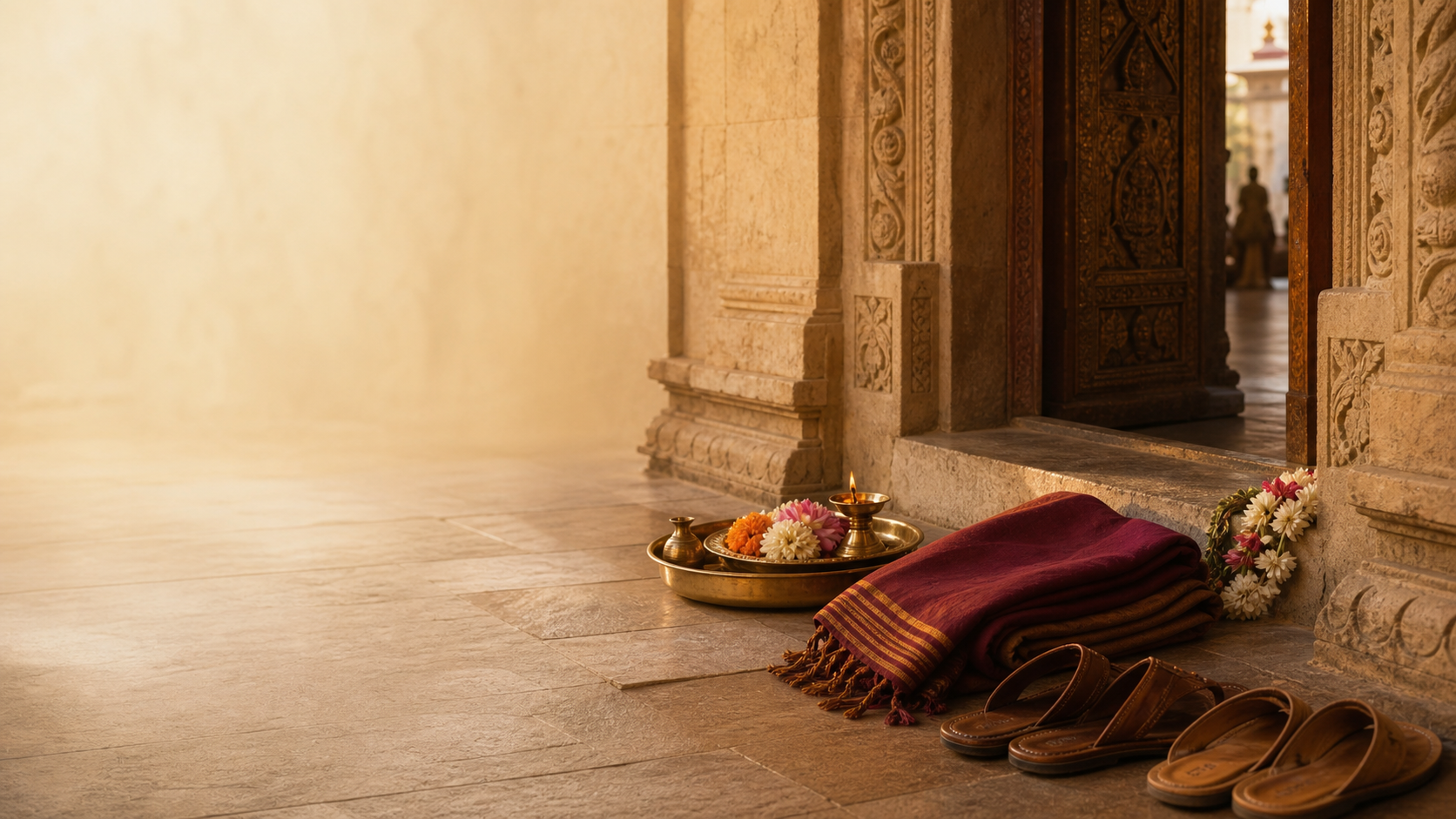
As a sacred site, visitors are encouraged to dress modestly. When circumambulating the stupa, always walk in a clockwise direction. Photography is generally permitted, but always be mindful and respectful of worshippers and ongoing rituals.
| Deity | Shiva |
|---|---|
| Form | Unknown |
| Consort | Unknown |
| Sampradaya | Hindu, Buddhist |
| Significance | Shiva is revered within the complex, reflecting the syncretic Hindu-Buddhist iconography of the site. His shrines are an integral part of the temple's diverse spiritual landscape. |
The Cosmic Lotus and the Valley's Birth
Long ago, where the bustling Kathmandu Valley now lies, there was a vast, serene lake, home to mystical Nāgas. Into its tranquil waters, the enlightened Vipassī Buddha cast a single lotus seed. From this seed, a miraculous thousand-petaled lotus bloomed, radiating an ethereal, self-arisen light – the Jyotirupa – embodying the essence of the Five Dhyani Buddhas. This brilliant luminescence attracted the attention of the Bodhisattva Manjushri, who, with a mighty sweep of his flaming sword, cleaved a gorge, draining the ancient lake and revealing the fertile valley below. Later, many Buddhas paid homage to this divine manifestation, and eventually, King Prachandadev of Gaud reverently enshrined this sacred light within the magnificent stupa we see today at Swayambhunath, a beacon of spiritual awakening.
From a lotus seed, a self-arisen light illuminated the valley, guiding Manjushri to create the sacred land of Swayambhu, a beacon of spiritual awakening.
Once a fearsome demoness, Hariti transformed into a protector of children, her shrine at Swayambhunath a testament to compassion's profound power.
Related temples: Aakkoor Thanthondreeswarar Temple | Aazhimala Shiva Temple
Swayambhunath: The Self-Existent Stupa of Kathmandu
Swayambhunath, an ancient religious complex atop a hill in the Kathmandu Valley, stands as a profound symbol of Nepal's spiritual heritage and a testament to its unique blend of Buddhist and Hindu traditions. This sacred site, often referred to as the "Monkey Temple," is a beacon of peace and spiritual awakening, drawing pilgrims and visitors alike. Its designation as a UNESCO World Heritage Site underscores its global cultural significance, preserving centuries of devotion and architectural marvel. The complex offers panoramic views of the valley, making it a pivotal landmark.
A UNESCO World Heritage Site
Recognized in 1979 as part of the Kathmandu Valley serial listing, Swayambhunath's heritage status highlights its outstanding universal value. This designation ensures the preservation of its ancient structures and spiritual traditions for future generations.
Blend of Traditions
Swayambhunath uniquely embodies both Hindu and Buddhist faiths, with devotees of both traditions revering the site. This syncretism is evident in the various shrines and practices observed within the complex, reflecting Nepal's inclusive spiritual landscape.
The Sacred Heart: Deities, Beliefs, and Harmony
Swayambhunath embodies a unique spiritual syncretism, revered by both Buddhists and Hindus, with its central stupa representing the primordial Buddha. While primarily a Buddhist site, numerous shrines dedicated to various deities, including Shiva, are present. The stupa is considered a powerful site for wish-fulfillment, with pilgrims circling it clockwise. This harmonious coexistence of traditions is a hallmark of Nepalese spirituality, reflected in shared reverence for sacred spaces and deities across faiths.
The Primordial Buddha
The main stupa at Swayambhunath is believed to enshrine the Jyotirupa, the self-arisen light representing the essence of the Five Dhyani Buddhas. This makes it a focal point for Buddhist devotion, symbolizing the origin of enlightenment.
Hindu Deities and Shrines
Despite its Buddhist core, Swayambhunath hosts several Hindu shrines, including a temple dedicated to Hariti, a deity revered for protecting children. Offerings are made to various Hindu gods and goddesses, illustrating the site's inclusive spiritual landscape.
Hariti's Protective Embrace
The shrine of Hariti, once a demoness who transformed into a benevolent protector of children, stands within the complex. Devotees, particularly parents, offer prayers here for the well-being of their offspring, trusting in her transformed compassionate powers.
Restoration and Conservation Efforts
The ancient temple complex of Swayambhunath in Uttar Pradesh, a site steeped in centuries of history and spiritual devotion, has long been a subject of critical restoration and conservation efforts. The ravages of time, coupled with environmental factors such as monsoons, wind erosion, and atmospheric pollution, have taken a significant toll on its delicate sandstone carvings and structural integrity. Early, often localized, attempts at preservation by temple committees or devout villagers primarily focused on immediate repairs and maintaining ritualistic cleanliness. However, the sheer scale of degradation necessitated more systematic and scientifically informed interventions to safeguard this invaluable cultural heritage for future generations. These initial efforts highlighted the urgent need for a comprehensive strategy to combat both natural decay and the impact of human activity. In recent decades, the Archaeological Survey of India (ASI) and various state heritage departments have undertaken more structured conservation projects at Swayambhunath. These initiatives typically involve meticulous documentation, structural stabilization of crumbling sections, chemical treatment to remove accretions and prevent further deterioration, and the careful restoration of damaged sculptures and architectural elements. Funding for these extensive projects often comes from government allocations, supplemented by grants from cultural heritage organizations and, occasionally, international bodies recognizing the site's universal significance. Community engagement and awareness programs are also integral, aiming to foster a sense of shared responsibility among locals and pilgrims for the temple's long-term preservation, ensuring its spiritual and historical legacy endures.🗺 How to Reach
Hover a card to animate the journey on the map
Route to काठमाडौँ महानगरपालिका
Common Questions
Where is Swayambhunath: Ancient Shiva Shrine on a Sacred Hill located?
Swayambhunath: Ancient Shiva Shrine on a Sacred Hill is documented at काठमाडौँ महानगरपालिका, Uttar Pradesh.
Which deity is associated with Swayambhunath: Ancient Shiva Shrine on a Sacred Hill?
Swayambhunath: Ancient Shiva Shrine on a Sacred Hill is associated with Shiva.
Related Temples


A Living Covenant