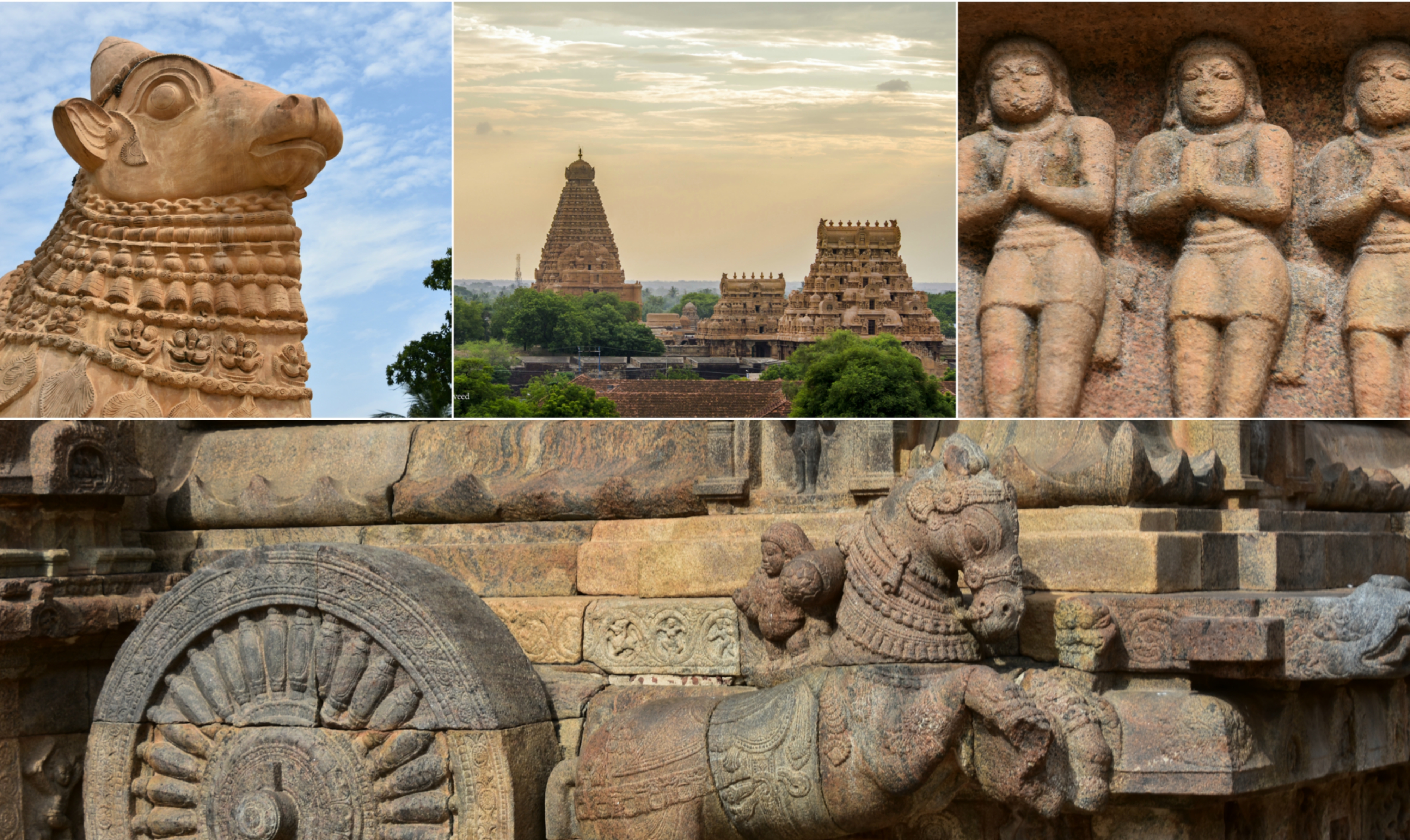
A complete pilgrim record drawn from the existing published article data.
Unveiling the Ancient Shiva Temple Ruins of Devgarh-Bhadwahi
Nestled in the heart of Chhattisgarh, the Shiva Temple ruins of Devgarh-Bhadwahi stand as a poignant testament to ancient Hindu tradition and architectural prowess. Though time has taken its toll, these remnants continue to emanate a profound spiritual and historical significance. Dedicated to Lord Shiva, the site offers a unique glimpse into the devotional practices and artistic expressions of bygone eras. Its location in Devgarh-Bhadwahi, near Lakhanpur, makes it a significant heritage site in the region, inviting reflection on the enduring legacy of faith and craftsmanship.
Historical Significance
The ruins represent a crucial link to the historical religious landscape of Chhattisgarh, hinting at a once-flourishing center of Shiva worship.
Spiritual Resonance
Despite its ruined state, the temple area retains a palpable spiritual energy, drawing visitors seeking connection to its sacred past.
Cultural Heritage
As an integral part of the region's cultural heritage, the site underscores the rich artistic and religious traditions that shaped this part of India.
Echoes of Grandeur: Architecture of the Shiva Temple Ruins
The architecture of the Devgarh-Bhadwahi Shiva Temple, though largely in ruins, still offers glimpses into its former grandeur. The original style and specific materials used are not fully documented, but surviving structural elements suggest construction primarily with local stone. Remnants of intricately carved pillars, foundations, and wall sections indicate a sophisticated design and skilled craftsmanship. The layout likely followed traditional Hindu temple architecture principles, featuring a garbhagriha (sanctum sanctorum) and possibly a mandapa (hall). These surviving fragments provide valuable insights into the artistic and engineering capabilities of the artisans who built this sacred edifice.
Surviving Elements
Fragments of stone carvings, pillars, and structural foundations are visible, hinting at the temple's original form and scale.
Craftsmanship
The intricate details on the remaining stone pieces showcase the advanced artistic skills of the ancient sculptors and builders.
Material Use
Local stone appears to be the primary construction material, reflecting regional availability and traditional building practices.
The Divine Presence: Shiva and the Mythology of Devgarh-Bhadwahi
As a Shiva temple, the Devgarh-Bhadwahi ruins were dedicated to Lord Shiva, one of the principal deities of Hinduism. It is highly probable that a Shiva Lingam, the aniconic representation of Shiva, was the primary object of worship in the garbhagriha. While specific local legends or unique iconography associated with this particular temple are not widely documented, the site would have been a focal point for traditional Shaivite practices. Devotees would have performed rituals, offered prayers, and sought blessings from Lord Shiva, embodying his roles as the destroyer, preserver, and regenerator within the cosmic cycle. The temple's existence underlines the deep reverence for Shiva in the region.
Presiding Deity
Lord Shiva is the central deity, revered in his various forms, likely including the aniconic Shiva Lingam within the sanctum.
Traditional Worship
The temple facilitated traditional Shaivite rituals and devotional practices, connecting local communities with universal Hindu traditions.
Iconographic Clues
Though specific iconography is limited by the ruins, the dedication to Shiva suggests the presence of typical Shaivite motifs and symbols.
Journey to the Past: A Visitor's Guide to Devgarh-Bhadwahi
Visiting the Shiva Temple ruins offers a tranquil journey into history. The site is open from sunrise to sunset, with free entry for all. The best time to visit is from October to March, when the weather is most pleasant. Modest clothing is recommended, along with comfortable footwear suitable for exploring ruins. Allow 1-2 hours for a comprehensive visit. The nearest bus hub is Ambikapur Bus Stand, approximately 25 km away, with local transport available to the ruins. Ambikapur Railway Station (ABKP) is also about 25 km distant. Swami Vivekananda Airport (RPR) in Raipur is the closest airport, around 250 km away.
Access and Timings
The ruins are accessible from sunrise to sunset with free entry. Plan your visit during the cooler months from October to March.
Transportation
Reach Ambikapur by bus or train, then take local transport to Lakhanpur. Swami Vivekananda Airport (Raipur) is the nearest major airport.
Visitor Guidelines
Dress modestly and wear comfortable shoes. Limited roadside parking is available. Respect the historical significance of the site.
| Deity | Shiva |
|---|
The Enduring Spirit of Mahadev
While specific legends tied to these particular ruins remain veiled by time, the presence of Lord Shiva here evokes the timeless narratives of the Hindu pantheon. Devotees would have once gathered to honor Mahadev, the Great God, whose stories encompass cosmic creation, the destruction of evil, and profound asceticism. From his meditative state on Mount Kailash to his fierce battles and compassionate acts, Shiva's legends remind us of the cyclical nature of existence and the ultimate power of transformation, a spirit that lingers even amidst these ancient stones.
In the silence of ruins, the spirit of Shiva endures, a testament to timeless devotion.
Every stone whispers tales of a bygone era, echoing the grandeur of a forgotten faith.
Related temples: Aakkoor Thanthondreeswarar Temple | Aazhimala Shiva Temple
A Glimpse into the Past: History of Devgarh-Bhadwahi's Shiva Temple
The precise origins of the Shiva Temple ruins in Devgarh-Bhadwahi are shrouded in the mists of time, with the builder and dynasty responsible for its construction remaining unknown. While specific dates are elusive, the architectural fragments suggest an ancient lineage, indicating periods of significant religious activity. The temple likely served as a vibrant center for Shiva worship for centuries, supported by local patronage. Over time, factors such as natural degradation, neglect, or possibly historical conflicts led to its current state of ruin. Despite the lack of detailed records, its very existence speaks volumes about the enduring legacy of Hindu faith in the region.
Elusive Origins
The exact period of construction and the founding dynasty are not documented, contributing to the site's enigmatic allure.
Periods of Worship
Evidence suggests sustained religious activity over an extended period, indicating its importance as a local pilgrimage site.
Decline and Ruin
The transition from a functional temple to its current ruined state is attributed to various historical and environmental factors, leaving behind significant archaeological interest.
Restoration & Conservation Efforts
The Shiva Temple ruins at Devgarh-Bhadwahi present a significant challenge for preservationists, with centuries of neglect, natural weathering, and occasional human interference contributing to their current dilapidated state. Exposed to the elements, many intricate carvings and structural components have deteriorated, making scientific conservation an urgent priority. While local efforts have sometimes been made to clear vegetation or stabilize precarious sections, a comprehensive, systematic approach has largely been absent. The Archaeological Survey of India (ASI) or state archaeological departments face hurdles such as remote access, limited funding, and a shortage of specialized personnel required for such delicate work. Understanding the original construction techniques and materials is crucial before any major intervention, ensuring that restoration respects the historical integrity of the site rather than imposing modern aesthetics.
Future conservation initiatives for the Devgarh-Bhadwahi Shiva Temple ruins necessitate a multi-faceted strategy involving governmental agencies, heritage organizations, and local communities. Securing substantial funding is paramount to engage expert conservators, architects, and archaeologists who can undertake detailed documentation, structural stabilization, and material conservation using appropriate, reversible techniques. Community involvement is equally vital, fostering a sense of ownership and discouraging further damage, while also providing opportunities for local employment through heritage tourism. Beyond mere physical preservation, the aim should be to interpret the site's history and significance, making it accessible for scholarly study and public appreciation. Sustainable conservation practices will ensure that this invaluable piece of Chattisgarh's architectural and religious heritage can be safeguarded for generations to come, revealing more about the region's ancient past.
🗺 How to Reach
Hover a card to animate the journey on the map
Verified routes to Shiva Temple ruins, Devgarh-Bhadwahi
Common Questions
Where is Devgarh-Bhadwahi Shiva Ruins: Unearthing 11th-Century Grandeur located?
Devgarh-Bhadwahi Shiva Ruins: Unearthing 11th-Century Grandeur is documented at Lakhanpur, Chattisgarh.
Which deity is associated with Devgarh-Bhadwahi Shiva Ruins: Unearthing 11th-Century Grandeur?
Devgarh-Bhadwahi Shiva Ruins: Unearthing 11th-Century Grandeur is associated with Shiva.