A complete pilgrim record drawn from the existing published article data.
Discover the Ancient Shiva Temple of Pujeripali Maharajpur
The Shiva temple at Pujeripali Maharajpur, located in Chhattisgarh's Raigarh district, stands as a testament to ancient spiritual devotion. Dating back to the 10th century, this historic Hindu shrine is dedicated to Lord Shiva, drawing devotees and history enthusiasts alike. It serves as a significant cultural and religious landmark, preserving centuries of tradition and architectural heritage in the region. The temple offers a serene environment for worship and reflection, embodying the enduring spiritual ethos of Chhattisgarh.
Location and Accessibility
Situated in Pujeripali Maharajpur, the temple is an important site within the Raigarh district of Chhattisgarh, accessible by road from major cities.
Spiritual Significance
As a Shiva temple, it holds deep spiritual value for Hindu devotees, offering a place for prayer and religious observance.
The Revered Deity: Lord Shiva
At the heart of the Pujeripali Maharajpur temple resides Lord Shiva, one of the principal deities of Hinduism. Revered as the Destroyer and Transformer, Shiva embodies both asceticism and cosmic dance, representing the cyclical nature of existence. Devotees visit to offer prayers, perform abhishekam, and seek blessings for prosperity, peace, and spiritual liberation. The serene atmosphere within the temple fosters deep devotion, allowing visitors to connect with the divine energy of Mahadev and experience a sense of profound spiritual calm.
Lord of Transformation
Shiva is worshipped as the deity of destruction and recreation, essential for cosmic balance.
Devotional Practices
Pilgrims engage in various rituals and prayers, seeking spiritual solace and blessings.
Plan Your Spiritual Journey
For those planning a visit to the ancient Shiva temple at Pujeripali Maharajpur, considering travel logistics is key. The temple is located in Raigarh district, Chhattisgarh. While specific timings are not provided, most temples are open from morning until evening. It is advisable to check local conditions and transport options before departure. Respectful attire is recommended for visiting any place of worship. Preparing for a journey that offers both historical exploration and spiritual reflection will enhance the overall experience.
Getting There
The temple is accessible via road, with Raipur being a major bus hub approximately 227 km away.
Visitor Etiquette
Modest dress is appropriate, and visitors should maintain decorum within the temple premises.
Best Time to Visit
Visiting during cooler months or early mornings can offer a more comfortable experience.
| Deity | Shiva |
|---|---|
| Form | Lord Shiva is the primary deity worshipped here. |
| Consort | Parvati |
| Sampradaya | Shaivism |
| Significance | As one of the principal deities of Hinduism, Shiva is known as the Destroyer and Transformer, part of the Trimurti, embodying both destructive and creative aspects of the universe. |
The Cosmic Dance of Shiva
Lord Shiva, in his cosmic dance form known as Nataraja, performs the Tandava, a vigorous dance that is the source of the cycles of creation, preservation, and dissolution. This divine dance symbolizes the rhythmic movement of the universe, where Shiva's raised leg signifies liberation, his dwarf demon Apasmara represents ignorance crushed underfoot, and the drum in his hand beats the rhythm of creation. The fire in his other hand signifies destruction and transformation, constantly reminding devotees of the cyclical nature of existence and the ultimate reality.
From Shiva, all things proceed; in Shiva, all things exist; to Shiva, all things return.
He is the supreme reality, the ultimate truth, the light of all lights, the one beyond all forms.
Tracing the 10th-Century Legacy
Constructed in the 10th century, the Shiva temple of Pujeripali Maharajpur provides a direct link to a rich historical period. Its establishment reflects the prevalent religious and artistic patronage of that era, indicating a flourishing cultural landscape. This ancient structure has withstood the passage of time, offering insights into the region's past civilizations and their profound spiritual beliefs. The temple's longevity underscores its importance as a continuously active place of worship and historical monument.
A Glimpse into History
The temple's 10th-century origin places it within a significant period of temple building in central India.
Cultural Heritage
Its existence highlights the deep-rooted cultural and religious traditions that have thrived in Chhattisgarh for over a millennium.
Glimpses of Ancient Temple Architecture
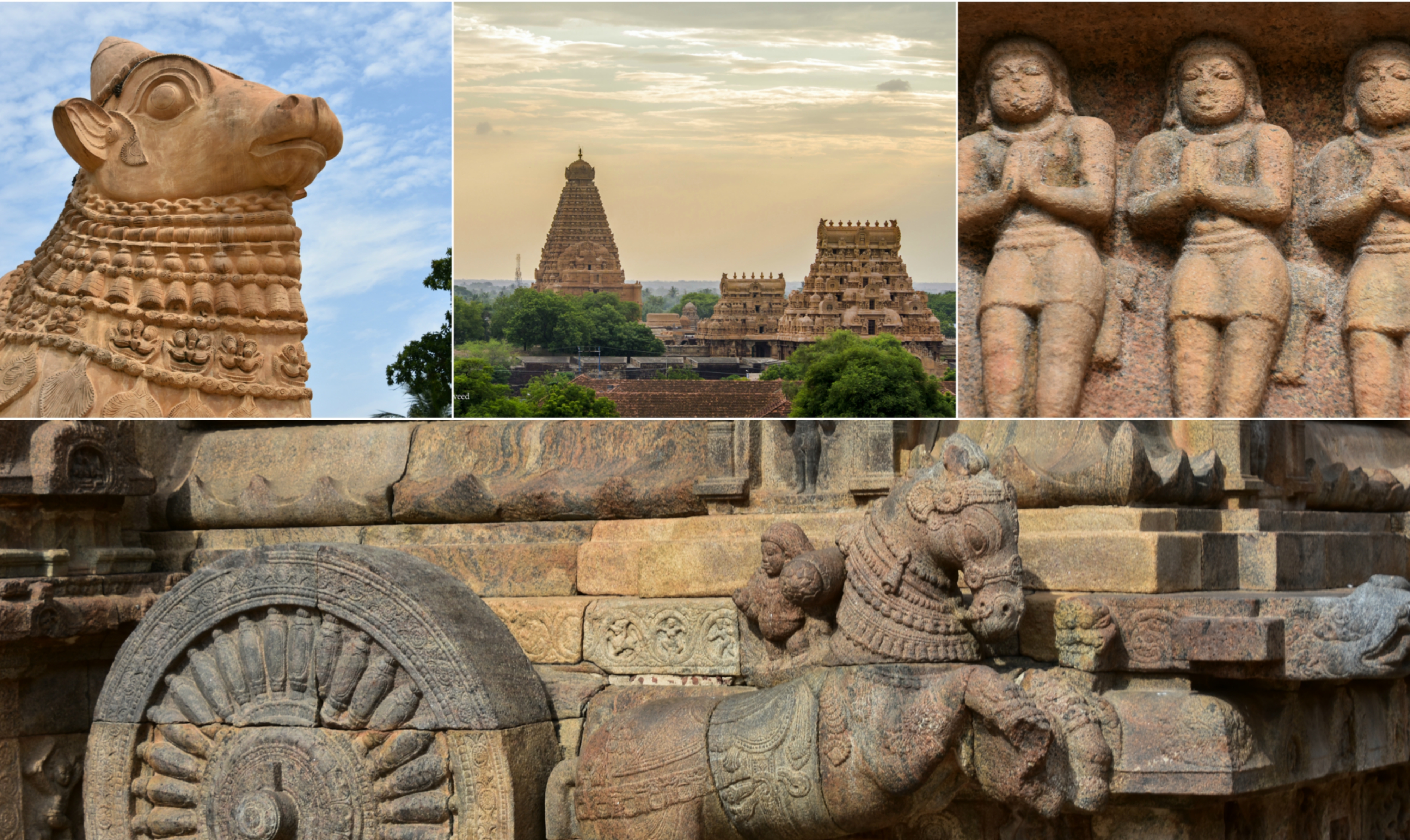
While specific architectural details for the Pujeripali Maharajpur temple are not extensively documented, 10th-century temples in the region typically exhibit characteristics of early medieval Indian temple architecture. These often include a garbhagriha (sanctum sanctorum), a mandapa (hall), and a shikhara (tower) over the sanctum. Carvings often depict deities, celestial beings, and narrative scenes, reflecting the religious iconography and artistic styles prevalent during that period. Such structures showcase skilled craftsmanship and a deep understanding of sacred geometry.
Typical Features
Regional temples of the era commonly featured a sanctum, assembly hall, and an ornate tower.
Artistic Expression
Sculptural elements often adorned the walls, depicting mythological themes and divine figures.
🗺 How to Reach
Hover a card to animate the journey on the map
Verified routes to Shiva temple, Pujeripali Maharajpur
Common Questions
Where is Shiva temple, Pujeripali Maharajpur located?
Shiva temple, Pujeripali Maharajpur is documented at Sarangarh, Chattisgarh.
Which deity is associated with Shiva temple, Pujeripali Maharajpur?
Shiva temple, Pujeripali Maharajpur is associated with Shiva.