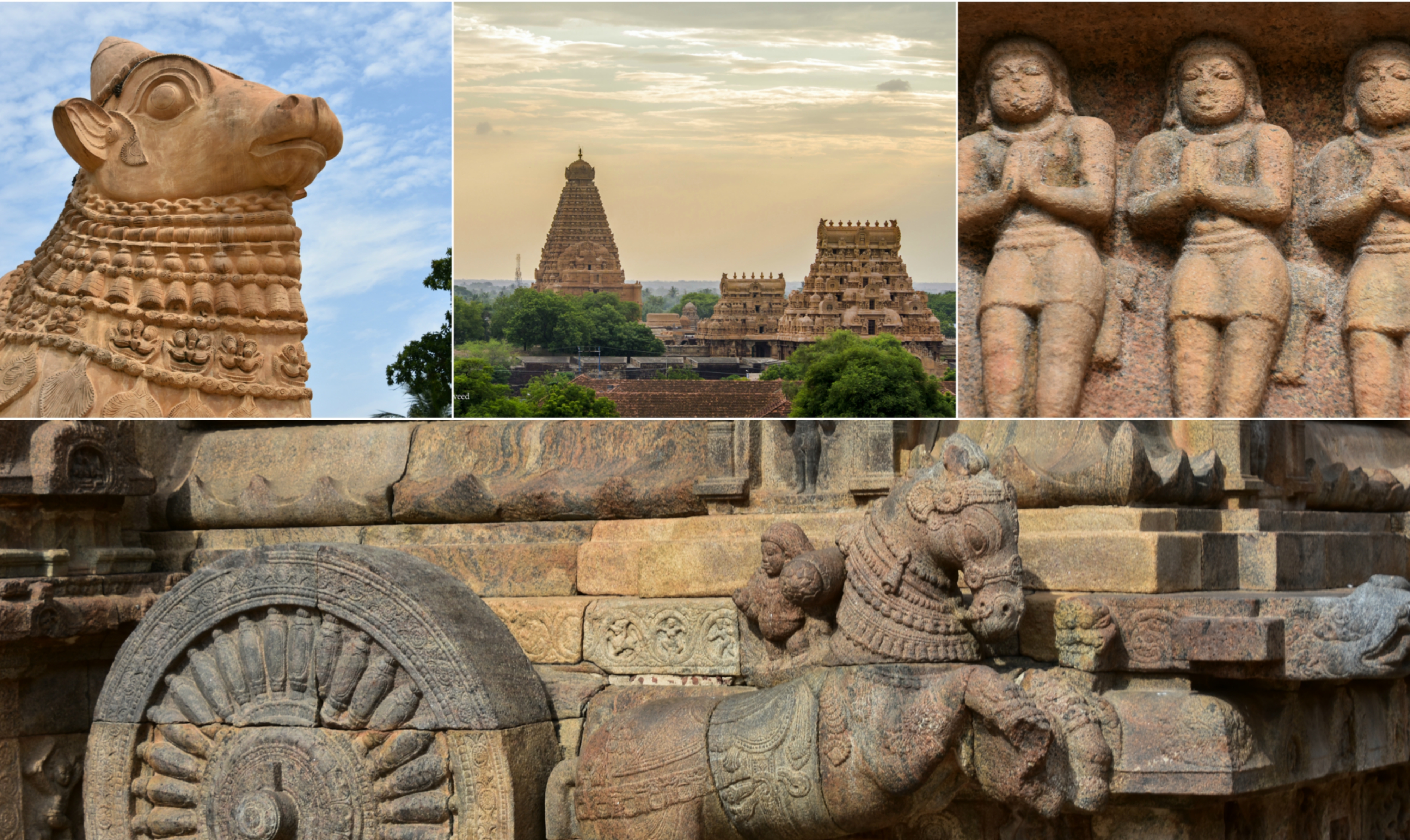
A complete pilgrim record drawn from the existing published article data.
Discovering the Ancient Shiva Temple of Gumadpal
The ancient Shiva temple in Gumadpal, Chhattisgarh, is a significant spiritual landmark dedicated to Lord Shiva. Its unique location within the region underscores its importance as a center of devotion and a testament to enduring Hindu traditions.
Geographical Uniqueness
Situated in Gumadpal, Chhattisgarh, the temple is approximately 10-15 km from Konta. Its remote yet culturally rich setting highlights its historical and spiritual presence.
Spiritual Core
Dedicated to Lord Shiva, this temple holds profound spiritual significance for local communities and pilgrims. It serves as a vibrant hub for Hindu traditions and religious practices.
Architectural Marvels of the Gumadpal Shiva Temple
The Shiva temple in Gumadpal, dedicated to Lord Shiva, embodies the traditional Hindu temple architecture seen in the region. While specific details regarding its construction period, builder, and exact style remain unknown, its design reflects the enduring principles of sacred Hindu structures. The temple serves as a significant cultural and religious landmark in Gumadpal, Chhattisgarh.
Structural Design
Typically, Shiva temples feature a garbhagriha (sanctum sanctorum) housing the main deity, often a Shiva Lingam, preceded by a mandapa (hall). These structures are generally oriented to specific cardinal directions, following ancient Vastu Shastra principles, to align with cosmic energies. The overall layout provides a clear path for devotees during worship.
Material and Craftsmanship
Though the specific construction material for the Gumadpal temple is unknown, temples of this tradition often utilize locally sourced stone, which allows for intricate carvings and durability. The craftsmanship typically involves skilled artisans who meticulously sculpt deities, mythological scenes, and decorative motifs onto the temple walls and pillars.
Lord Shiva: Deity, Devotion, and Local Lore at Gumadpal
The Shiva temple at Gumadpal is dedicated to Lord Shiva, the principal deity. Devotion to Shiva forms the core of the temple's spiritual life, with practices centered around his worship.
Deity Representation
Lord Shiva is worshipped as a _lingam_ in the sanctum. This aniconic symbol embodies cosmic energy. Offerings include water, milk, and _bilva_ leaves.
Rituals and Worship
Daily _pujas_ involve _abhishekam_ and _aarti_ by priests. Devotees offer prayers. Major festivals like Maha Shivaratri feature special worship and large gatherings.
Local Significance
Local beliefs emphasize the temple's ancient sanctity. It is regarded as a protective spiritual anchor for the Gumadpal community.
Planning Your Pilgrimage: A Comprehensive Guide to Gumadpal
For a comfortable and enriching spiritual experience at Gumadpal's Shiva temple, plan your visit carefully to appreciate this sacred site fully.
Best Time & Travel Options
Visit October to March for pleasant weather. The temple is 10-15 km from Konta Bus Stand. Jagdalpur Railway Station/Airport are approx. 160 km. NH30 offers car access; parking available. Entry is free.
Temple Customs & Schedule
Traditional attire preferred; remove footwear. Temple hours: 6:00 AM–12:30 PM and 4:00 PM–9:00 PM. Allow 1–2 hours.
| Deity | Shiva |
|---|---|
| Form | Shiva is often depicted in various forms, including the Lingam, Nataraja (cosmic dancer), and as a meditating ascetic. His form represents both destructive and creative aspects of the universe. |
| Consort | Parvati |
| Sampradaya | Shaivism |
| Significance | Shiva is one of the principal deities of Hinduism, revered as the Supreme Being in Shaivism. He is known as 'The Destroyer' within the Trimurti, but also as the transformer, protector, and patron of yoga and arts. |
The Significance of Lord Shiva
Lord Shiva, the presiding deity of this temple, is a complex and powerful figure in Hinduism. Revered as the Supreme Being in Shaivism, he embodies both destruction and creation, representing the cyclical nature of existence. His meditative form symbolizes asceticism and spiritual discipline, while his cosmic dance as Nataraja signifies the universe's eternal rhythm of creation, preservation, and dissolution. Devotees seek his blessings for transformation, protection, and liberation.
Shiva, the transformer and protector, embodies both destruction and creation, guiding devotees towards spiritual liberation and artistic expression.
Experience the divine presence of the Supreme Being in Shaivism, where devotion flows freely and ancient traditions are upheld.
Related temples: Aakkoor Thanthondreeswarar Temple | Aazhimala Shiva Temple
A Journey Through Time: The History of Gumadpal's Shiva Temple
The Shiva temple in Gumadpal, Chhattisgarh, possesses a largely unrecorded history. Its construction date, original builder, and the specific dynasty responsible for its patronage are unknown. Architectural style and materials also lack documentation. Despite this historical ambiguity, the temple remains a significant center for Shiva worship, reflecting a long and continuous spiritual legacy in the region.
Uncertain Foundations
The exact period of the temple's establishment and its early patrons are not known, leaving its foundational details unrecorded.
Continuous Devotion
Despite the lack of a detailed timeline, the temple's sustained role as a place of worship underscores its enduring religious importance.
Restoration and Conservation Efforts
The Shiva temple at Gumadpal, like many ancient structures in Chhattisgarh, has faced the ravages of time, weather, and, at various points, neglect. Its remote location, while preserving some of its pristine charm, also meant that systematic conservation efforts were slow to materialize. Early observations by archaeological surveyors in the colonial and post-independence eras often noted the temple's deteriorating condition, including crumbling masonry, overgrown vegetation, and structural instability in certain areas. The intricate carvings and iconic sculptures, vital to understanding the region's artistic heritage, were particularly vulnerable to erosion and vandalism. Initial, often localized, efforts by community members focused primarily on basic upkeep and preventing further decay, but lacked the scientific approach required for comprehensive restoration. In more recent decades, the Archaeological Survey of India (ASI) or the State Archaeology Department has undertaken more structured conservation initiatives at the Gumadpal Shiva temple. These efforts typically involve detailed documentation of the temple's current state, including photogrammetry and structural analysis, to inform appropriate restoration strategies. Techniques employed include chemical cleaning to remove accretions and biological growth, consolidation of weakened stone, and careful reconstruction of fallen sections using original materials where possible, or matching new materials to maintain architectural integrity. Challenges often include sourcing appropriate stone, managing logistical complexities in a relatively isolated area, and balancing preservation with the temple's continued use as a place of worship. Ongoing monitoring and community engagement are crucial for the long-term sustainability of these conservation endeavors, ensuring the temple's legacy for future generations.🗺 How to Reach
Hover a card to animate the journey on the map
Verified routes to Shiva temple, Gumadpal Chhattisgarh
Common Questions
Where is Gumadpal Shiva Temple: Ancient Ganga Heritage located?
Gumadpal Shiva Temple: Ancient Ganga Heritage is documented at Konta, Chattisgarh.
Which deity is associated with Gumadpal Shiva Temple: Ancient Ganga Heritage?
Gumadpal Shiva Temple: Ancient Ganga Heritage is associated with Shiva.