A complete pilgrim record drawn from the existing published article data.
Discovering the Ancient Shiva Temple Group of Harratoli
The Shiva Temple Group in Harratoli, Chhattisgarh, stands as a significant spiritual landmark dedicated to Lord Shiva. This ancient complex, nestled in the serene landscape of Chhattisgarh, serves as a revered pilgrimage site for devotees across the region. Its historical and spiritual resonance attracts visitors seeking both religious solace and a connection to India's rich cultural heritage. The temples offer a tranquil atmosphere for worship and contemplation, embodying centuries of devotion to the Destroyer and Transformer within the Hindu pantheon. It is a testament to enduring faith in the heart of rural India.
Spiritual Significance
As a prominent Hindu pilgrimage site, the Harratoli temple group is central to the spiritual lives of many, particularly those devoted to Shaivism. It provides a focal point for religious rituals and festivals.
Cultural Heritage
Beyond its religious role, the site represents a valuable piece of Chhattisgarh's cultural tapestry, reflecting ancient traditions and architectural practices that have shaped the region.
Stonework and Spirituality: The Architecture of Harratoli
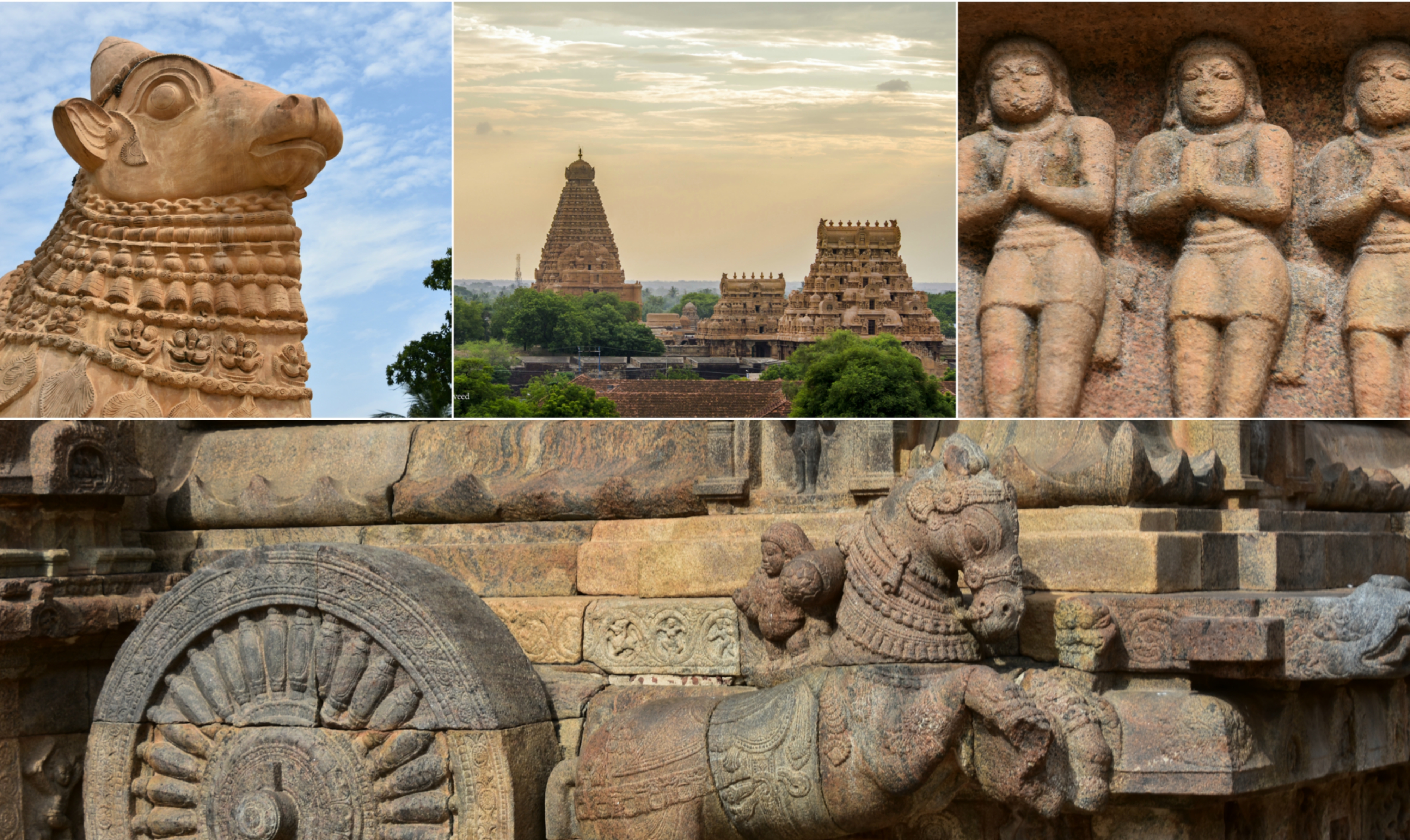
The Shiva Temple Group at Harratoli showcases an indigenous architectural style, characterized by its robust stone construction. While a specific stylistic classification is not firmly established, the temples exhibit structural elements typical of regional Hindu temple architecture. Intricate carvings often adorn the exterior walls and pillars, depicting deities, mythological narratives, and auspicious symbols, reflecting the skilled craftsmanship of their builders. The primary material used is stone, sourced locally, which contributes to the temples' enduring stability and rustic charm. Each structure within the group contributes to a cohesive spiritual landscape.
Architectural Features
The temples are constructed predominantly from local stone, featuring a design that emphasizes durability and traditional structural elements common in regional temple building.
Intricate Carvings
Sculptural details are present on the temple walls and columns, illustrating various deities and episodes from Hindu mythology, showcasing the artistic skill of ancient artisans.
The Divine Presence: Shiva Worship and Mythology at Harratoli
At the heart of the Harratoli Temple Group lies the profound worship of Lord Shiva, the principal deity. Devotees primarily venerate Shiva in his iconic lingam form, symbolizing the cosmic creative and destructive power. The temples likely also house various manifestations of Shiva and his consort Parvati, along with other associated deities. Local legends and myths, though not extensively documented, contribute to the spiritual aura of the site, often narrating tales of Shiva's presence or miraculous events. Religious practices include daily pujas, abhishekams, and special prayers, especially during auspicious Shaivite festivals, drawing numerous worshippers.
Principal Deity Worship
Lord Shiva is the central deity, primarily worshipped in the form of a lingam, representing his eternal and formless aspect.
Religious Practices
Daily rituals, including pujas and abhishekams, are performed, with special ceremonies conducted during significant Hindu festivals to honor Shiva.
Experience Harratoli: A Visitor's Guide to the Shiva Temple Group
Visiting the Shiva Temple Group at Harratoli offers a serene and enriching experience. The temples are open from 6:00 AM to 12:30 PM and again from 4:00 PM to 9:00 PM, with free entry for all visitors. The best time to visit is between October and March, when the weather is most pleasant. Guests are encouraged to wear traditional attire as a mark of respect and to remove footwear before entering the temple premises. A typical visit lasts 1–2 hours. Harratoli is approximately 25 km from Balrampur, which is a bus hub. Ambikapur Railway Station is about 100 km away, and Swami Vivekananda Airport in Raipur is around 380 km distant.
Access and Timings
The temple complex is accessible by road, with Balrampur serving as the nearest major bus hub. Visitors can enter free of charge during the operational hours of 6:00 AM–12:30 PM and 4:00 PM–9:00 PM.
Visitor Guidelines
To ensure a respectful visit, traditional attire is preferred, and footwear must be removed before entering the sacred areas. The optimal visiting period is from October to March for comfortable weather.
| Deity | Shiva |
|---|---|
| Form | Shiva is often depicted as a yogi, meditating on Mount Kailash, with a third eye, a crescent moon, and a snake around his neck. He is also revered in the aniconic form of the Lingam. |
| Consort | Parvati |
| Sampradaya | Hindu |
| Significance | As one of the principal deities of Hinduism, Shiva is known as the Destroyer and Transformer within the Trimurti. He represents both asceticism and domesticity, embodying the cycles of creation, preservation, and dissolution. |
The Cosmic Dance of Shiva
While specific legends of the Shiva Temple Group in Harratoli are not detailed, Lord Shiva, the presiding deity, is central to countless Hindu myths. One profound story is that of the Tandava, his divine cosmic dance. This powerful dance symbolizes the cycles of creation, preservation, and dissolution. Through his dance, Shiva destroys the weary universe to prepare for its renewal by Brahma, representing the eternal rhythm of existence. Devotees visiting temples like Harratoli meditate on these profound cosmic truths, seeking spiritual liberation and understanding the transient nature of life.
Om Namah Shivaya: The sacred mantra resonates, invoking the presence of the benevolent Lord Shiva, the ultimate reality.
In Shiva, one finds both the fierce ascetic and the loving householder, embodying the dualities of existence.
Related temples: Aakkoor Thanthondreeswarar Temple | Aazhimala Shiva Temple
A Journey Through Time: The History of Harratoli's Shiva Temples
The exact origins of the Shiva Temple Group in Harratoli remain largely unrecorded, with its construction period and specific patrons lost to time. Despite the absence of definitive historical records, the architectural vestiges suggest an ancient lineage, hinting at a long and continuous tradition of worship at this site. The temples have likely evolved over centuries, with various phases of construction, renovation, and expansion undertaken by unknown local rulers or communities. This enduring presence underscores its deep historical roots and sustained importance as a sacred space in Chhattisgarh, predating many documented structures in the area.
Unrecorded Origins
The precise date of construction and the identities of the original builders or ruling dynasties responsible for the Harratoli Shiva temples are currently unknown.
Evolution Over Centuries
Despite the lack of specific records, the temple complex is believed to have developed over a long period, with additions and modifications reflecting continuous devotional activity.
Scholarly Studies
The Shiva Temple Group at Harratoli has been a subject of interest for archaeologists and art historians for decades, offering crucial insights into the architectural and religious developments of the Chhattisgarh region. Early surveys, often conducted by the Archaeological Survey of India (ASI), meticulously documented the site's layout, identifying the distinct Nagara style elements prevalent in Central Indian temple architecture. Researchers have studied the temples' construction techniques, the types of stone used, and the intricate carving styles, linking them to the broader Kalachuri period influence that dominated the area. The unique iconography found on some of the temple panels, depicting various forms of Shiva and other Puranic deities, has provided valuable data for understanding the prevailing religious syncretism and sectarian practices of the era, establishing Harratoli as a significant archaeological landmark. More recent scholarly endeavors have delved deeper into the art historical significance of the Harratoli temples, comparing their sculptural programs and architectural motifs with contemporary sites across Chhattisgarh and neighboring states. These studies often focus on deciphering the narrative cycles depicted on the temple walls, offering interpretations of their theological implications and their role in communicating religious doctrines to devotees. Debates continue regarding the precise dating of certain structures within the complex, with some scholars proposing a longer period of construction and renovation than initially thought, based on stylistic variations. Furthermore, analyses of epigraphic evidence, where available, or comparative architectural analysis, contribute to understanding the patronage behind these monumental structures and the socio-political context of their creation. Such ongoing research continually enriches our understanding of Harratoli's place within the grand tapestry of Indian temple art and history.🗺 How to Reach
Hover a card to animate the journey on the map
Verified routes to Shiva Temple Group, Harratoli Chhattisgarh
Common Questions
Where is Shiva Temple Group Harratoli: Ancient Protected Heritage located?
Shiva Temple Group Harratoli: Ancient Protected Heritage is documented at Surguja, Chattisgarh.
Which deity is associated with Shiva Temple Group Harratoli: Ancient Protected Heritage?
Shiva Temple Group Harratoli: Ancient Protected Heritage is associated with Shiva.