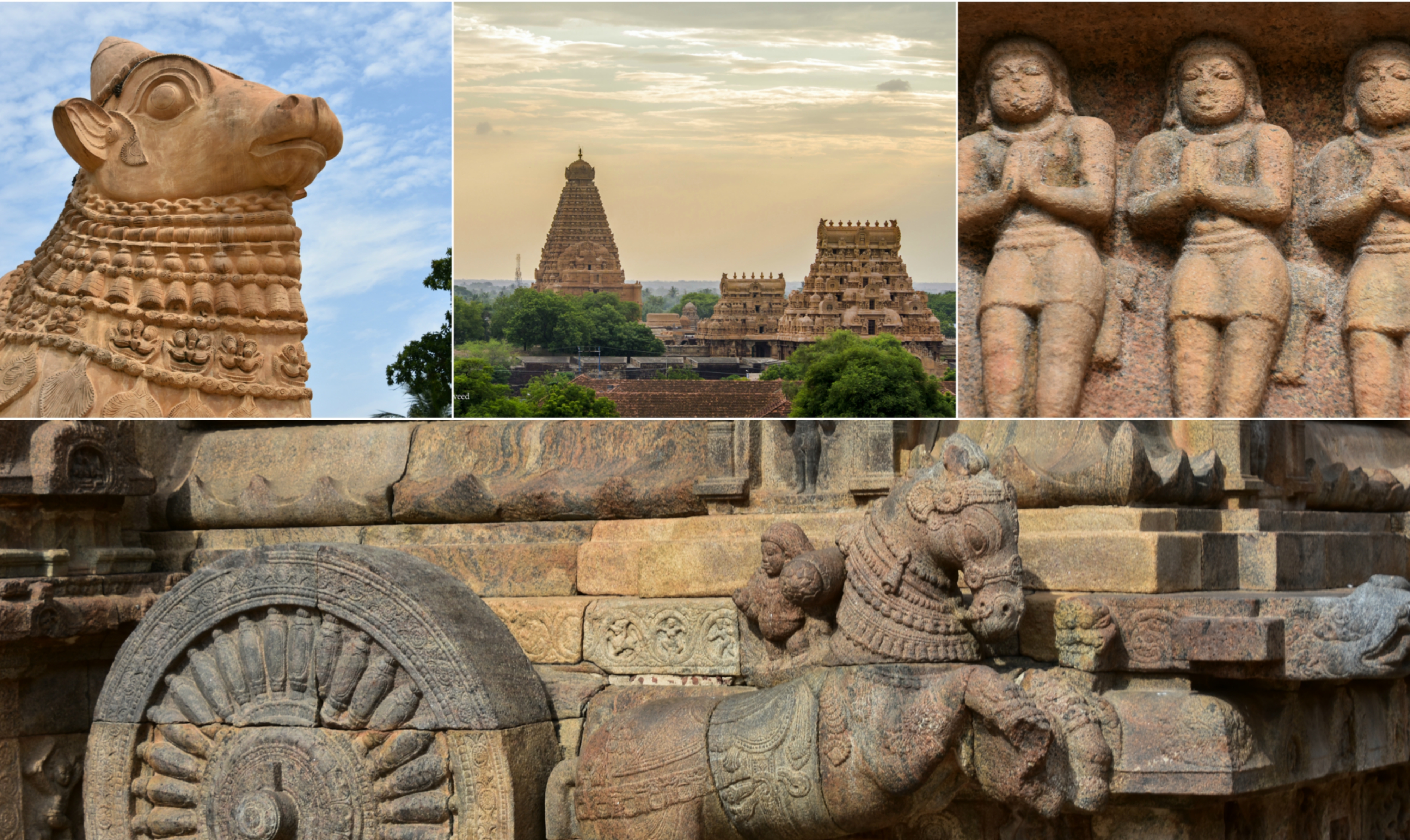
A complete pilgrim record drawn from the existing published article data.
Historical Context and Builder
The Shiva Parvati Temple was constructed under the patronage of Bahadur Shah, a prominent figure of the Shah dynasty. Its construction reflects the religious fervor and architectural traditions prevalent during his reign. As part of the Kathmandu Durbar Square complex, the temple has witnessed centuries of history, including various political changes and natural calamities. Its enduring presence speaks to the robust building techniques of the period and subsequent restoration efforts that have preserved its original form and spiritual essence.
Bahadur Shah's Legacy
Bahadur Shah, a key member of the Shah dynasty, is credited as the builder of this significant temple. His contribution underscores the royal family's devotion and their role in commissioning important religious structures.
Dynastic Patronage
The construction of the Shiva Parvati Temple exemplifies the long tradition of royal patronage towards religious institutions in Nepal. Such projects were often undertaken to express piety and consolidate political legitimacy.
Architectural Resilience
Despite its age and exposure to seismic activity common in the region, the temple has demonstrated remarkable structural resilience. Regular maintenance and restoration efforts have ensured its survival and continued function.
Deities and Spiritual Significance
The temple is primarily dedicated to Shiva Parvati, the divine couple in Hinduism. Lord Shiva, the destroyer and transformer, represents cosmic consciousness, while Goddess Parvati, his consort, symbolizes divine energy, power, and devotion. Together, they embody the perfect union of masculine and feminine principles, creation, preservation, and dissolution. Devotees visit to seek blessings for marital harmony, prosperity, and spiritual well-being, reflecting the profound spiritual significance of this revered pair.
Lord Shiva
As one of the principal deities of Hinduism, Lord Shiva is revered as the Supreme Being who creates, protects, and transforms the universe. He is often depicted with a third eye and a crescent moon.
Goddess Parvati
Goddess Parvati is the Hindu goddess of fertility, love, beauty, harmony, marriage, children, and devotion. She is the gentle and nurturing aspect of the Supreme Hindu Goddess Adi Parashakti.
Symbolism of Union
The temple celebrates the sacred union of Shiva and Parvati, symbolizing the balance of cosmic forces. Their presence together represents the ideal relationship and the interplay of static and dynamic energies in the universe.
Planning Your Visit
Visiting the Shiva Parvati Temple offers an immersive cultural and spiritual experience. Located in Kathmandu Durbar Square, the temple is accessible via various transport modes. For international travelers, flying to Kushinagar Airport (KBK) and then taking ground transport is an option, though direct flights to Kathmandu's Tribhuvan International Airport (KTM) are more common for Nepal. Trains to Raxaul Junction (RXL) in India, about 92 km away, also provide access, followed by a bus or car journey into Nepal. Visitors should plan for travel time and local customs.
Transportation Options
Travelers can reach the region by flight to nearby international airports or by train to Raxaul Junction. From these points, local buses, taxis, or private cars are available to complete the journey to Kathmandu Durbar Square.
Respectful Conduct
When visiting, it is advisable to dress modestly, covering shoulders and knees, and to remove shoes before entering the inner sanctum. Photography may be restricted in certain areas, so observe local signage and customs.
Exploring Durbar Square
The temple is part of a larger complex. Visitors should allocate ample time to explore the numerous other temples, palaces, and courtyards within Kathmandu Durbar Square, each offering unique historical insights.
| Deity | Shiva and Parvati |
|---|---|
| Form | Shiva, the destroyer and transformer, is often depicted with his consort Parvati, the goddess of power, love, and devotion. |
| Consort | Parvati (for Shiva) |
| Sampradaya | Hindu |
| Significance | Together, Shiva and Parvati represent the divine masculine and feminine energies, symbolizing creation, preservation, and dissolution, and the ideal marital union. |
Parvati's Penance and Divine Union
Parvati, daughter of Himavan, was destined to be Shiva's consort. However, Shiva was deep in meditation after Sati's demise. To win his affection, Parvati undertook severe penance, enduring harsh conditions and forsaking all comforts. Her unwavering devotion and asceticism eventually caught Shiva's attention. Impressed by her dedication and love, Shiva agreed to marry her. Their union symbolizes the perfect balance of masculine and feminine energies, representing creation, preservation, and dissolution, and serves as an ideal of marital harmony and spiritual partnership, highlighting the power of devotion.
In Shiva and Parvati, we witness the perfect cosmic dance of creation and destruction, a timeless symbol of love, devotion, and the harmonious balance of divine energies.
The unwavering devotion of Parvati to Shiva teaches us that true love and dedication can overcome any obstacle, leading to ultimate union and spiritual fulfillment.
Introduction to Shiva Parvati Temple
The Shiva Parvati Temple is a revered Hindu shrine located prominently within Kathmandu Durbar Square, a UNESCO World Heritage Site in Bagmati Province, Nepal. Dedicated to the divine couple, Lord Shiva and Goddess Parvati, this temple stands as a significant cultural and religious landmark. Its distinctive architecture and central placement make it a focal point for both devotees and visitors exploring the historic square. The temple embodies traditional Nepalese craftsmanship and spiritual devotion, reflecting centuries of religious practice and rich heritage in the Kathmandu Valley.
Location and Accessibility
Situated in the heart of Kathmandu Durbar Square, the temple is easily accessible. It forms part of the ancient royal palace complex, surrounded by other historical structures and courtyards, making it a central point of interest.
Architectural Significance
The temple showcases traditional Nepalese temple architecture, characterized by its multi-tiered pagoda style and intricate wooden carvings. It reflects the artistic and engineering prowess of its era, adding to the aesthetic appeal of the square.
Cultural Prominence
Beyond its religious function, the Shiva Parvati Temple holds considerable cultural prominence. It serves as a gathering place during festivals and is a testament to the enduring Hindu heritage of Nepal.
Kathmandu Durbar Square Setting
The Shiva Parvati Temple is an integral part of Kathmandu Durbar Square, a historic complex that serves as a UNESCO World Heritage Site. Its location within this vibrant square places it amidst a rich tapestry of ancient palaces, courtyards, and other temples, creating a unique architectural and cultural landscape. The temple's presence contributes significantly to the square's historical ambiance and its role as a center for religious ceremonies, cultural events, and daily life, drawing both local worshippers and international tourists.
UNESCO World Heritage Status
Kathmandu Durbar Square's designation as a UNESCO World Heritage Site underscores its universal value. The Shiva Parvati Temple is a key component of this protected area, contributing to its historical and architectural significance.
Architectural Harmony
The temple stands in architectural harmony with the surrounding Malla and Shah era structures. Its design complements the overall aesthetic of the square, creating a cohesive and visually stunning historical precinct.
Cultural Nexus
As part of Durbar Square, the temple is at the heart of Kathmandu's cultural life. It witnesses numerous festivals and rituals throughout the year, acting as a vibrant nexus for community gatherings and traditional celebrations.
🗺 How to Reach
Hover a card to animate the journey on the map
Verified routes to Shiva Parvati Temple
Common Questions
Where is Shiva Parvati Temple: Kathmandu's Living Legacy located?
Shiva Parvati Temple: Kathmandu's Living Legacy is documented at Kathmandu Durbar Square, Bagmati Province.
Which deity is associated with Shiva Parvati Temple: Kathmandu's Living Legacy?
Shiva Parvati Temple: Kathmandu's Living Legacy is associated with Shiva.