A complete pilgrim record drawn from the existing published article data.
Discovering the Ancient Rudra Temple of Onakona
The Rudra Temple in Onakona, Chhattisgarh, is a revered ancient shrine dedicated to Lord Shiva. It stands as a significant spiritual landmark, drawing devotees and visitors with its profound religious importance and historical charm, reflecting centuries of devotion in the region.
Spiritual Core
Dedicated to Lord Shiva, the temple is a focal point for spiritual practices and worship, offering a sacred space for pilgrims to connect with the divine.
Enduring Legacy
Despite its unknown origins, the temple's ancient presence and architectural elements hint at a rich, enduring historical legacy within Chhattisgarh.
Stone Speaks: The Unique Architecture of Rudra Temple
The Rudra Temple at Onakona showcases a distinctive architectural character, despite its origins remaining unknown. Its design reflects a blend of functional temple structure with elaborate artistic expression, making it a significant example of regional craftsmanship.
Structural Layout
The temple typically comprises a garbhagriha (sanctum sanctorum) where the deity resides, preceded by an antarala (vestibule) and a mandapa (hall). These elements are arranged to facilitate ritualistic worship and congregation, forming a cohesive sacred space.
Ornate Sculptures and Motifs
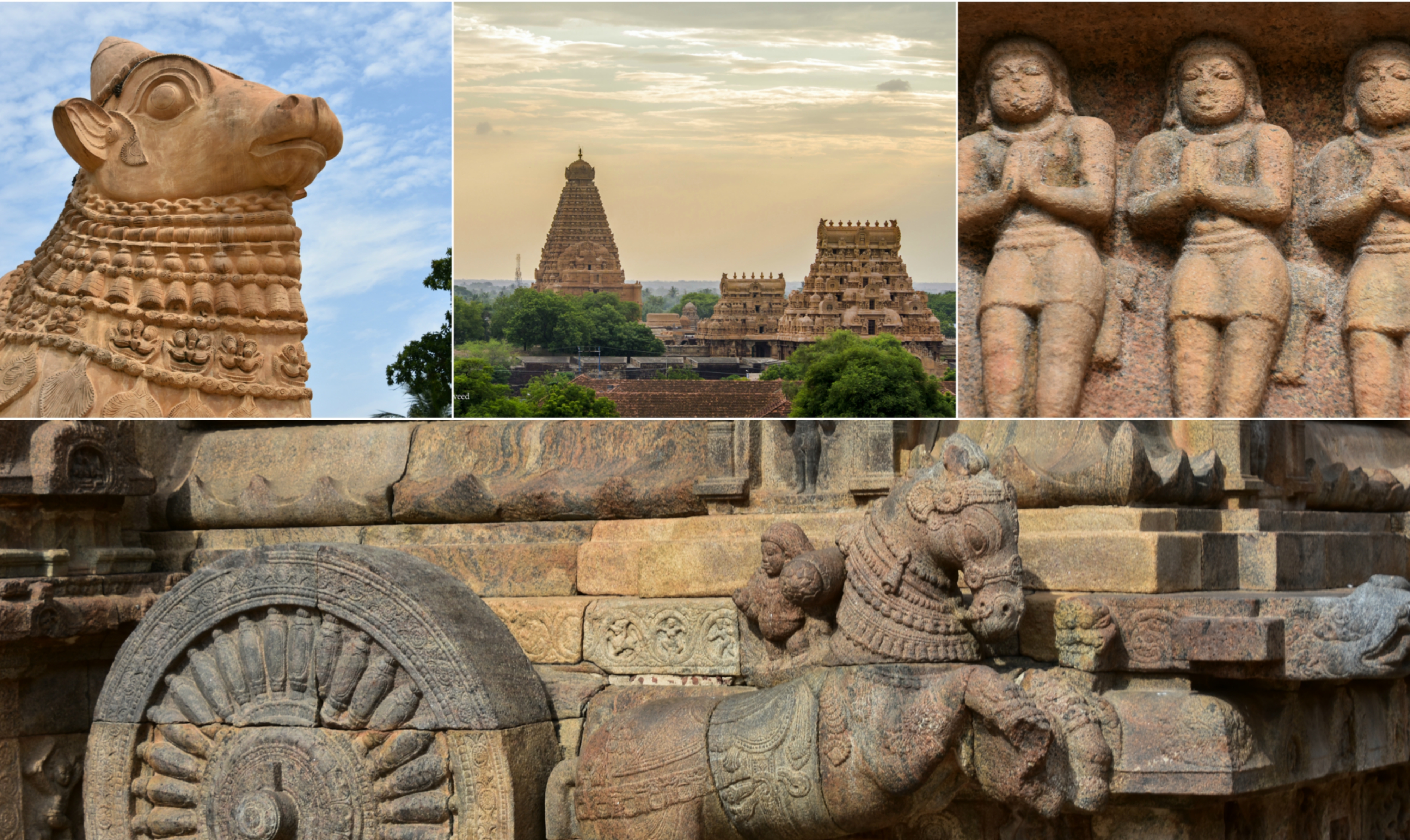
The exterior and interior surfaces of the Rudra Temple are adorned with intricate carvings. These include mythological figures, divine beings, floral patterns, and geometric designs. The detailed craftsmanship highlights the skill of the artisans who shaped the stone.
The Divine Presence: Lord Shiva and Onakona's Mythology
The Rudra Temple in Onakona is primarily dedicated to Lord Shiva, revered here in his Rudra form, signifying his fierce yet benevolent aspects. The temple stands as a testament to the deep devotion to Shiva prevalent in the region. Local folklore and spiritual narratives intricately weave around his presence, detailing his divine acts and blessings bestowed upon the land and its devotees. The sanctity of this site is rooted in ancient legends that speak of Shiva's manifestation or significant events occurring here, drawing pilgrims seeking his grace and spiritual solace. His worship at Onakona is central to the community's religious life.
The Manifestation of Rudra
While specific founding myths are unrecorded, local traditions suggest a spontaneous manifestation of the Shiva Lingam, or a significant event involving Lord Shiva, consecrated this site. Devotees believe the energy of Rudra, the roaring storm god, is particularly potent here, offering protection and fulfilling desires. This belief underpins many of the temple's rituals and the reverence shown to the deity.
Spiritual Practices and Offerings
Worship at the Rudra Temple typically involves traditional _abhishekam_ with water, milk, and bilva leaves, sacred to Lord Shiva. Devotees offer flowers, incense, and prayers seeking prosperity, health, and spiritual liberation. The atmosphere during _aarti_ is particularly vibrant, resonating with chants and devotion, reflecting the deep spiritual connection between the community and Lord Shiva.
Experience Onakona: A Guide to Visiting Rudra Temple
Plan your visit to the Rudra Temple in Onakona, Chhattisgarh. This guide provides practical details for a meaningful experience.
Reaching the Temple
Access by bus from Durg (70 km) or train via Durg Junction (DURG, 70 km). Raipur Airport (RPR, 110 km) is nearest. Drive via NH-30; parking available.
Visitor Information
Open 6:00 AM – 12:30 PM, 4:00 PM – 9:00 PM; entry free. Best time: October to March. Traditional attire preferred; remove footwear. Allow 1-2 hours.
| Deity | Shiva |
|---|---|
| Form | Shiva is often depicted as a yogi, meditating in the Himalayas, with a third eye, a crescent moon on his head, and a snake around his neck. He typically holds a trishula (trident) and a damaru (drum). |
| Consort | Parvati |
| Sampradaya | Shaivism |
| Significance | Shiva is one of the principal deities of Hinduism, known as the Destroyer or Transformer within the Trimurti. He represents both creation and destruction, meditation and asceticism, and is revered as the supreme being in Shaivism. |
The Manifestation of Rudra at Onakona
A local legend tells of a time when the region of Onakona was plagued by a fearsome demon, causing great distress to the villagers and sages. In their desperation, they offered fervent prayers to Lord Shiva for protection. Moved by their unwavering devotion, Shiva manifested in his fierce and powerful Rudra form. With a thunderous roar that echoed through the dense forests, Rudra vanquished the demon, restoring peace and harmony to the land. To commemorate this divine intervention and the protective energy of Rudra, a temple was erected at this sacred spot. It stands today as a testament to Rudra's power and compassion, safeguarding the people of Onakona.
In the heart of Onakona, Rudra's presence reminds us that destruction paves the way for new creation, a timeless cycle of divine power.
The trishula and damaru of Shiva symbolize the cosmic dance of life and death, echoing through the sacred spaces of this ancient temple.
Related temples: Aakkoor Thanthondreeswarar Temple | Aazhimala Shiva Temple
A Glimpse into the Past: The History of Rudra Temple
The historical origins of the Rudra Temple in Onakona, Chhattisgarh, are largely unrecorded, presenting a significant challenge to historians and archaeologists. Details regarding its exact construction date, the specific dynasty responsible for its patronage, and the original builder remain unknown. Despite the absence of definitive historical records, the temple stands as a testament to ancient religious practices in the region. Its enduring presence suggests a long period of continuous worship and local significance, passed down through generations. The lack of documented history contributes to the temple's enigmatic aura, inviting further research into its past.
Obscure Origins
The precise period of the Rudra Temple's construction is not documented. Scholarly efforts to ascertain its foundational era have been hampered by the absence of inscriptions or reliable historical texts directly referencing its establishment. This obscurity means that its initial phases of development and the cultural context of its inception are primarily subjects of archaeological conjecture rather than historical fact.
Undocumented Patronage
The identities of the rulers or local patrons who commissioned or significantly supported the Rudra Temple through its early history are not known. Many ancient temples received royal patronage, but for the Rudra Temple, such records are missing. Its continued existence likely points to consistent local community support and veneration over centuries, even without prominent royal backing.
Enduring Legacy
Despite the gaps in its recorded history, the Rudra Temple has maintained its sacred status and function for an extended period. Its survival through various historical epochs, without clear records of destruction or major reconstruction, underscores its deep-rooted spiritual importance to the local populace of Onakona and the surrounding regions of Chhattisgarh.
Restoration & Conservation
The Rudra temple at Onakona, like many ancient structures across India, has faced significant challenges to its preservation over centuries. Exposed to the harsh elements of Chhattisgarh's climate, including torrential monsoons, extreme temperatures, and natural erosion, its intricate sandstone carvings and structural integrity have been continuously threatened. Evidence of wear and tear, including crumbling masonry, faded reliefs, and foundational instability, necessitated urgent intervention. Historically, local communities might have undertaken rudimentary repairs, but a comprehensive, scientific approach was often lacking, leading to further degradation. The temple's somewhat remote location also contributed to periods of neglect, allowing unchecked vegetation overgrowth and deterioration to compromise its artistic and architectural value, making systematic conservation efforts a critical imperative for its survival. In recent decades, significant strides have been made towards the scientific restoration and conservation of the Rudra temple. The Archaeological Survey of India (ASI), often in collaboration with state archaeological departments, has undertaken detailed surveys and implemented various preservation techniques. These efforts include the careful documentation of existing damage, chemical cleaning of stone surfaces to remove accretions, structural consolidation of walls and foundations, and the meticulous anastylosis of fallen architectural members. The goal is not merely to repair but to preserve the temple's original character and materials, ensuring its longevity for future generations. Community engagement and awareness programs also play a vital role, fostering a sense of ownership and encouraging responsible tourism, which collectively contribute to the ongoing safeguarding of this invaluable heritage site.🗺 How to Reach
Hover a card to animate the journey on the map
Verified routes to Rudra temple, Onakona
Common Questions
Where is Rudra Temple Onakona: Shiva's Abode by Gangrel Dam located?
Rudra Temple Onakona: Shiva's Abode by Gangrel Dam is documented at Gurur, Chattisgarh.
Which deity is associated with Rudra Temple Onakona: Shiva's Abode by Gangrel Dam?
Rudra Temple Onakona: Shiva's Abode by Gangrel Dam is associated with Shiva.