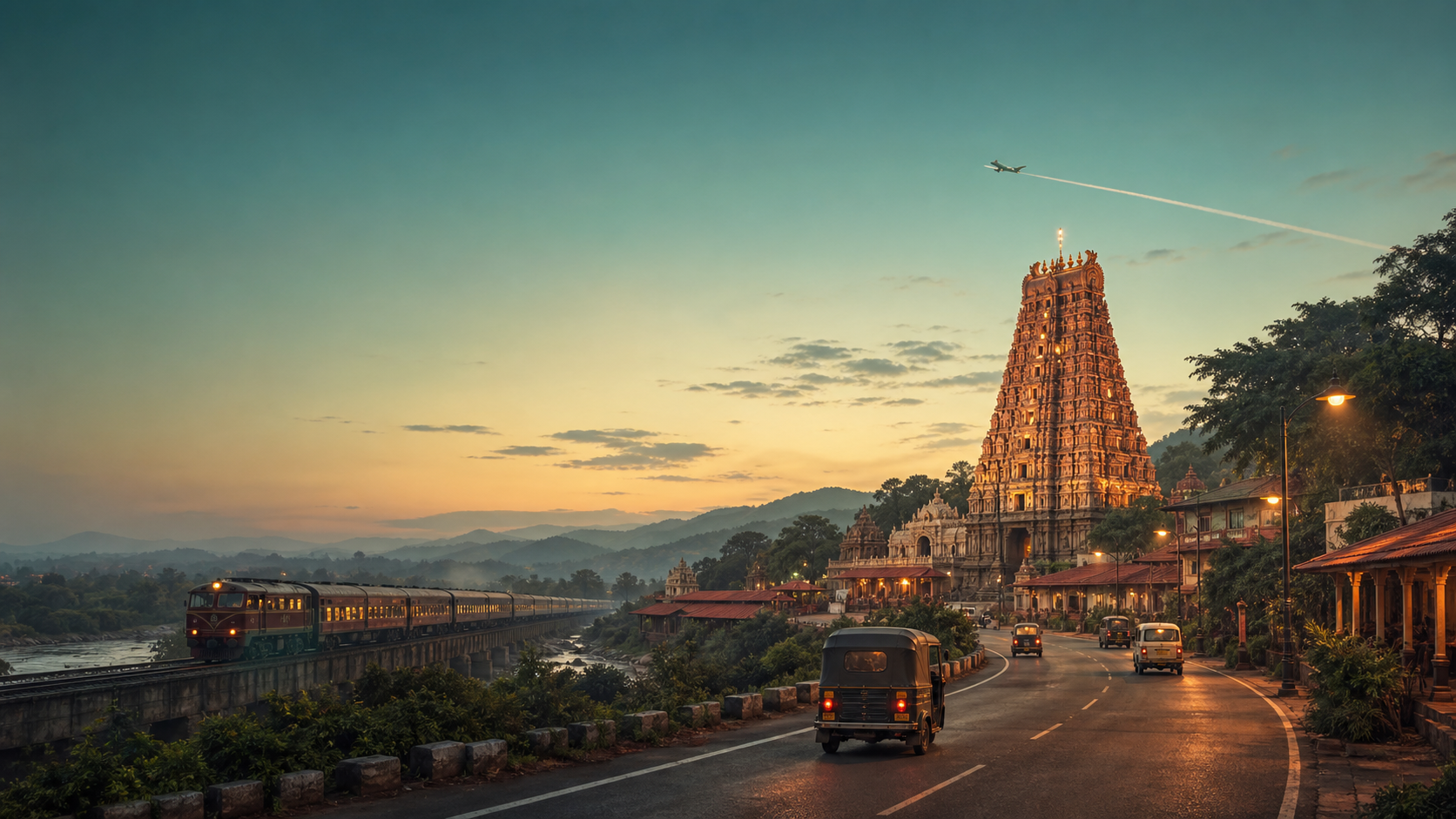
A complete pilgrim record drawn from the existing published article data.
Tracing the Legacy: History of the Mandal Family Rasmancha
The Rasmancha of the Mandal family, located in Howrah, West Bengal, stands as a significant architectural and cultural landmark from the 19th century. This structure was commissioned and built by the prominent Mandal family, often referred to as the Bawali Raj, who were influential landowners and patrons of art and religion in the region. Its construction reflects the family's devotion to Krishna and their commitment to traditional Hindu practices.
The Mandal Family's Influence
The Mandal family, known for their considerable wealth and social standing, played a crucial role in the cultural landscape of Bengal. Their patronage extended to various religious edifices, with the Rasmancha being a notable example. This family was instrumental in preserving and promoting Vaishnavite traditions in the area.
19th Century Construction
Erected during the 19th century, the Rasmancha's construction period coincides with a flourishing era of temple building under local zamindars. The structure was specifically designed for the annual Ras festival, a celebration dedicated to Krishna, showcasing the architectural styles prevalent during the Mughal era, despite being built much later.
Architectural Grandeur of the Rasmancha
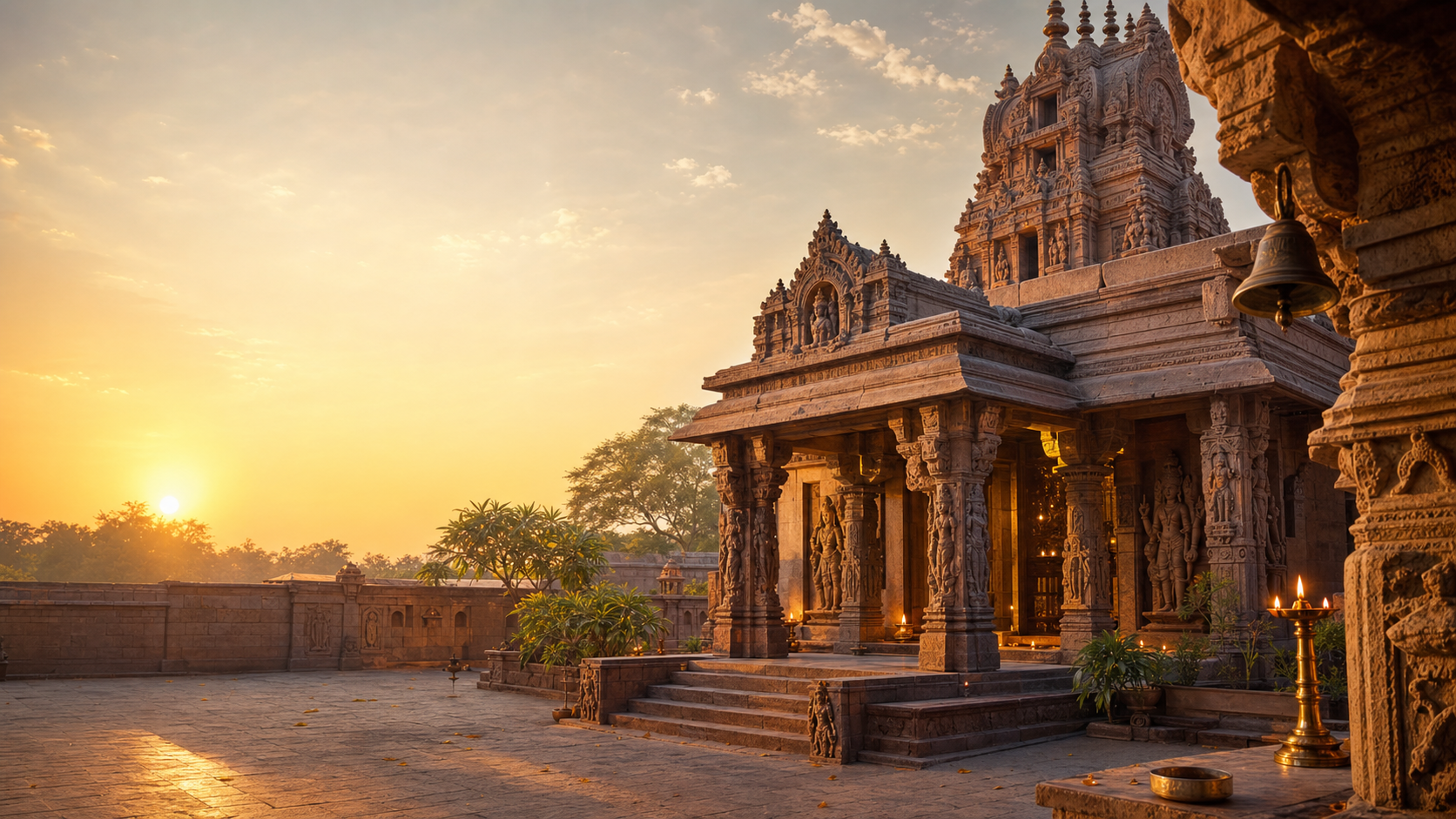
The 19th-century Rasmancha of the Mandal family in Howrah, West Bengal, exhibits a distinctive architectural style. Dedicated to Krishna, its design blends indigenous Bengali temple forms with Mughal artistic influences, reflecting the period's syncretic trends.
Structural Form
Built on an elevated plinth, the Rasmancha features a multi-arched, tiered, pyramidal structure, often crowned with a ratna or dome. It served as a grand stage for the annual Ras festival.
Decorative Elements
Intricate terracotta plaques and stucco work adorn the surfaces. These panels depict Hindu mythological narratives, floral designs, and geometric motifs, exemplifying 19th-century Bengali craft.
Devotion to Krishna: The Main Deity
The Rasmancha of the Mandal family is primarily dedicated to the worship of Lord Krishna, serving as a significant center for Vaishnavite devotion in Howrah, West Bengal. This 19th-century structure was built specifically to facilitate communal worship and festivities centered around the deity, reflecting the deep spiritual commitment of its patrons.
Krishna as the Central Figure
Lord Krishna, revered as the Supreme Being in Vaishnavism, holds the central position within the Rasmancha. Devotees gather to offer prayers and participate in rituals that celebrate his divine pastimes and attributes, particularly during festivals. The temple embodies a space for direct communion with the deity.
Spiritual Significance of the Rasmancha
Beyond its architectural form, the Rasmancha functions as a spiritual hub. It is a place where the community's faith in Krishna is reinforced through collective worship, devotional songs, and religious discourses. Its design and purpose are intrinsically linked to fostering a vibrant devotional atmosphere.
Planning Your Visit to Rasmancha
The 19th-century Rasmancha of the Mandal family, a Krishna temple in Howrah, West Bengal, is a site of historical interest. Plan your visit with the following practical details for a smooth experience.
Location & Transport
Located in Howrah, the Rasmancha is ~34 km from Kolkata. Buses take ~45 minutes. Bauria Junction (BVA) is the nearest train station, ~18 km, via Kolkata Sealdah. Kolkata Airport (CCU) is also ~34 km away.
Visitor Advice
Respectful attire is advised for this religious site. Specific timings or entry fees are not detailed. Confirm local transport schedules and road conditions. Expect ~1.5 hours drive from Kolkata.
| Deity | Krishna |
|---|---|
| Sampradaya | Hindu |
| Significance | Central deity in Hinduism, revered as the Supreme Being or an avatar of Vishnu, known for his divine play (leela) and teachings. |
No Specific Legend Known
Information regarding specific mythological stories or legends uniquely associated with the Rasmancha of the Mandal family is not available in the provided data.
In the heart of Bengal, a sacred stage for divine love.
Where devotion to Krishna echoes through time.
Introduction to the Rasmancha of Mandal Family
The Rasmancha of the Mandal family is a notable historical monument located in Howrah, West Bengal. This 19th-century structure was built by the Mandal family, reflecting their patronage of religious architecture. Dedicated to Krishna, it stands as an important example of the region's cultural and spiritual legacy from that era.
Location and Context
The Rasmancha is found in Howrah, West Bengal, an area rich in traditional heritage. Its presence contributes to the historical landscape of the district.
Historical Construction
Erected in the 19th century, the Rasmancha represents the architectural trends and religious devotion prevalent during its construction by the Mandal family.
🗺 How to Reach
Hover a card to animate the journey on the map
Verified routes to Rasmancha of Mandal family
Common Questions
Where is Rasmancha of Mandal Family: A Mughal Era Legacy located?
Rasmancha of Mandal Family: A Mughal Era Legacy is documented at Howrah, West Bengal.
Which deity is associated with Rasmancha of Mandal Family: A Mughal Era Legacy?
Rasmancha of Mandal Family: A Mughal Era Legacy is associated with Krishna.


