A complete pilgrim record drawn from the existing published article data.
Historical Significance and Royal Patronage
Commissioned in 1600 AD by King Bir Hambir of the Malla dynasty, the Rangamani Ras Mancha is a cornerstone of Bishnupur's historical landscape. This ruler was a devout Vaishnavite and played a significant role in promoting the Krishna cult in the region. The construction of the Ras Mancha underscored the Malla kings' patronage of arts and religion, solidifying Bishnupur's reputation as a center of Vaishnavism. The monument's existence is directly linked to the Malla dynasty's golden age, reflecting their power, devotion, and architectural prowess.
Malla Dynasty's Legacy
The temple is a direct product of the Malla dynasty's reign, particularly under King Bir Hambir, who was instrumental in shaping Bishnupur's religious and architectural identity.
King Bir Hambir's Vision
King Bir Hambir, a devoted follower of Vaishnavism, initiated the construction of the Ras Mancha, establishing it as a focal point for the worship of Lord Krishna.
17th-Century Origins
Built in the early 17th century, the monument stands as a historical marker from a period of significant cultural and religious development in West Bengal.
Architectural Grandeur of Ras Mancha
The Rangamani Ras Mancha showcases an unparalleled architectural design, distinct from other temples in the region. Its most striking feature is the unique pyramidal roof, composed of three successive tiers, each supported by a series of arches. The structure features a large central chamber surrounded by a circumambulatory path, with multiple arched doorways providing access. While terracotta ornamentation is a hallmark of Bishnupur architecture, the Ras Mancha primarily uses brick, with minimal but intricate terracotta work on some panels. This majestic relic stands as a testament to 17th-century Bengali architectural innovation.
Unique Pyramidal Roof
The most distinctive feature is its multi-tiered pyramidal roof, which is an architectural anomaly compared to typical Bengali temple styles.
Arched Corridors
The structure is characterized by numerous arches that support its tiers and form a series of interconnected corridors, creating a visually impressive and functional space.
Brick Construction and Terracotta Details
Primarily built of brick, the Mancha exhibits the robust construction techniques of its era, complemented by subtle yet intricate terracotta carvings on specific sections.
The Divine Presence: Lord Krishna
At the heart of the Rangamani Ras Mancha's spiritual significance lies its dedication to Lord Krishna. Although it does not house a permanent idol, the structure was specifically designed as a stage for the annual Ras festival, where idols of Radha Krishna from various temples across Bishnupur were assembled. This gathering celebrated the divine love and cosmic dance of Krishna, known as Ras Leela. The Mancha served as a focal point for collective devotion, embodying the Vaishnavite spiritual fervor patronized by the Malla rulers and deeply ingrained in the local culture.
Central Deity: Krishna
The Mancha is dedicated to Lord Krishna, serving as a revered site for Vaishnavite worship and celebrations.
The Ras Festival
Its primary function was to host the annual Ras festival, a significant event where various Radha Krishna idols were brought together for communal worship and festivities.
Symbol of Vaishnavite Devotion
The monument embodies the deep devotion to Krishna and the Vaishnavite traditions that flourished under the patronage of the Malla dynasty in Bishnupur.
Planning Your Visit to Ras Mancha
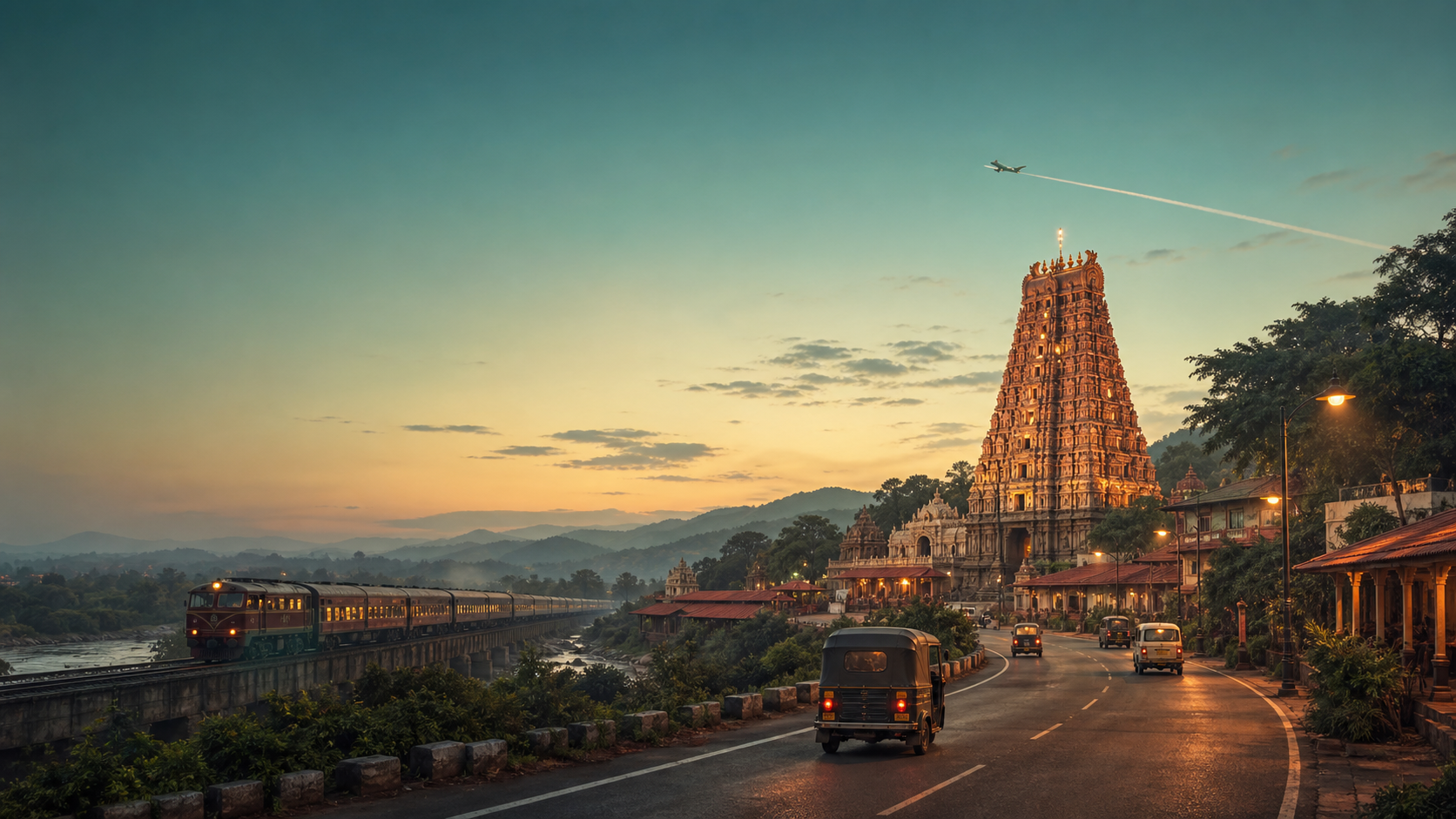
The Rangamani Ras Mancha is situated in Bishnupur, West Bengal, offering visitors a profound historical and cultural experience. It is accessible by various modes of transport. Kolkata is approximately 151 km away by road, with bus routes taking about 3.5 hours. Durgapur railway station (DGR) is about 39 km, with trains available from Kolkata Sealdah (SDAH). Durgapur Airport (RDP) is around 53 km, requiring further travel by taxi or local transport. A car journey from Kolkata takes approximately 5 hours. Visitors should plan for ample time to explore the site and its surroundings.
Location and Accessibility
The Ras Mancha is located in Bishnupur, West Bengal. It is a prominent site easily integrated into any tour of the town's historical monuments.
Travel by Road
Bishnupur is approximately 151 km from Kolkata by road, with bus services typically taking around 3.5 hours. Car travel from Kolkata is an option, with an estimated drive time of 5 hours.
Rail and Air Connections
The nearest major railway station is Durgapur (DGR), about 39 km away. Durgapur Airport (RDP) is approximately 53 km from Bishnupur, requiring onward travel by taxi or local transport.
| Deity | Krishna |
|---|---|
| Sampradaya | Vaishnavism |
| Significance | Lord Krishna, the eighth avatar of Vishnu, is revered as the Supreme Being, embodying love, compassion, and divine joy. He is central to Vaishnavism and inspires devotion through his playful childhood, heroic deeds, and profound teachings. |
The King's Devotion and the Sacred Stage
King Bir Hambir, a devout Vaishnava ruler of the Malla dynasty, was deeply dedicated to Lord Krishna. In the early 17th century, he envisioned a unique structure where the annual Ras Leela festival could be celebrated with grandeur, allowing all his subjects to witness the divine play of Krishna. The Rangamani Ras Mancha was thus conceived as a central stage for these spiritual performances, symbolizing the king's profound faith and his desire to foster devotion among his people. Its distinctive pyramidal design and intricate terracotta work were a testament to the era's artistic and religious fervor, creating a sacred space for communal worship and celebration.
A sacred stage where divine love unfolds, echoing the devotion of a king and his people.
The terracotta whispers tales of Krishna, etched in time by the hands of devoted artisans.
Introduction to Rangamani Ras Mancha
The Rangamani Ras Mancha, located in Bishnupur, West Bengal, stands as a unique architectural marvel and a testament to the region's rich cultural heritage. Built in 1600 AD, this historical monument is dedicated to Lord Krishna and served as a crucial venue for the annual Ras festival, where all the Radha Krishna idols of Bishnupur were brought together for public worship. Its distinctive pyramidal structure and historical significance make it a prominent landmark. The site reflects the deep Vaishnavite traditions prevalent during the Malla dynasty rule, offering visitors a glimpse into an important spiritual and artistic past.
Location and Purpose
Situated in the historic town of Bishnupur, the Ras Mancha was conceived as a central platform for community religious celebrations, particularly the annual Ras festival dedicated to Lord Krishna.
Cultural Significance
This monument is a key representation of the cultural and spiritual ethos of the Malla kingdom, showcasing their devotion to Vaishnavism and patronage of religious art and architecture.
Architectural Landmark
Recognized for its unusual pyramidal roof and arched pathways, the Rangamani Ras Mancha is a distinctive example of 17th-century Bengali temple architecture.
🗺 How to Reach
Hover a card to animate the journey on the map
Verified routes to Rangamani Ras Mancha
Common Questions
Where is Rangamani Ras Mancha located?
Rangamani Ras Mancha is documented at Bishnupur, West Bengal.
Which deity is associated with Rangamani Ras Mancha?
Rangamani Ras Mancha is associated with Krishna.


