A complete pilgrim record drawn from the existing published article data.
Tracing the Historical Roots of Rajim's Ramachandra Temple
The historical foundations of the Ramachandra Temple in Rajim are primarily derived from historical reports, notably those by Alexander Cunningham. These accounts suggest two possible periods for its construction, placing its origins firmly within the medieval era. The temple's builder, Govind Lal, is consistently mentioned as the patron responsible for its establishment, linking the structure to a specific dynastic or local ruler. This historical ambiguity regarding the exact century of construction adds to the temple's mystique, inviting further archaeological and historical inquiry into its precise dating.
Construction Period
The temple's construction is generally placed in either the 15th century CE or the 17th century CE, as indicated by historical records and reports.
The Builder: Govind Lal
Historical accounts attribute the construction of the Ramachandra Temple to an individual named Govind Lal, likely a local ruler or patron of the arts.
Alexander Cunningham's Report
The earliest known documentation of the temple's construction and its builder, Govind Lal, comes from Alexander Cunningham's report in 1884, providing crucial historical context.
Architectural Glimpse: The Structure of Ramachandra Temple
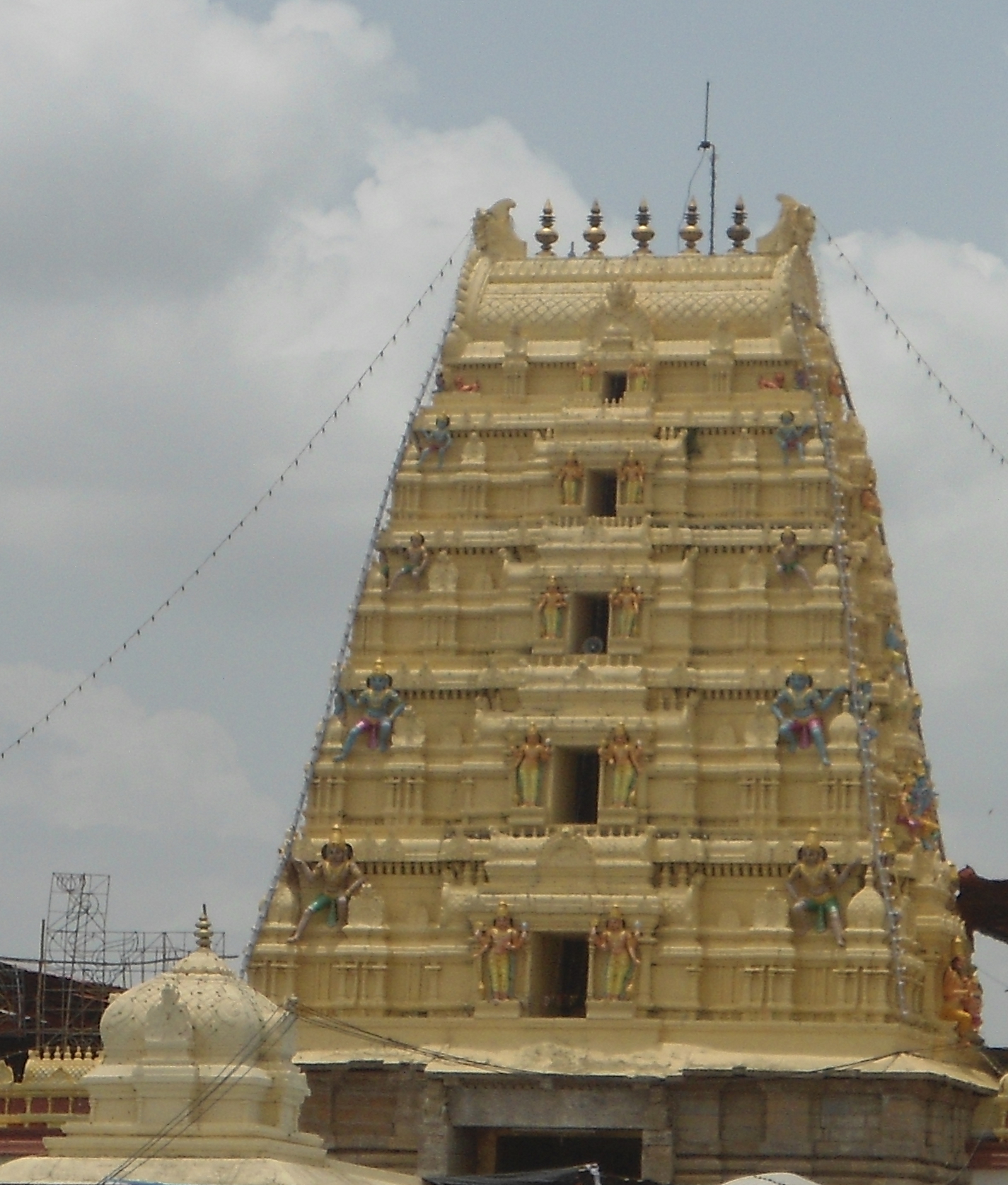
The Ramachandra Temple exhibits a distinctive architectural style, characterized by its robust construction and material choices. The temple stands on a solid stone plinth, providing a stable and elevated foundation for the main structure. The upper portions of the temple are notable for being plastered, a common technique used to adorn and protect temple walls in various periods. This combination of a sturdy stone base and a finished, plastered exterior suggests a blend of durability and aesthetic consideration in its design and execution.
The Stone Plinth
The temple is built upon a substantial stone plinth, which forms the base of the structure and elevates it from the ground.
Plastered Temple Walls
The main body of the temple is characterized by its plastered finish, a technique that allows for intricate detailing and provides a smooth exterior.
Structural Composition
The architectural composition combines a durable stone foundation with a plastered superstructure, reflecting common building practices of its era.
Devotion to Rama: The Main Deity
At the heart of the Ramachandra Temple's spiritual significance is Lord Rama, the revered main deity. As an embodiment of dharma (righteousness), courage, and ideal kingship, Rama holds a central place in the Hindu tradition. Devotees visit the temple to offer prayers and seek blessings from Lord Rama, reflecting their faith in his divine attributes. The temple serves as a focal point for the worship of Rama, perpetuating ancient traditions and spiritual practices.
Lord Rama as Presiding Deity
Lord Rama, the seventh avatar of Vishnu, is the principal deity enshrined within the temple, revered for his virtuous character.
Hindu Tradition
The temple adheres to the Hindu tradition, specifically focusing on Vaishnavism, the worship of Vishnu and his incarnations.
Spiritual Significance
Devotion to Rama at this temple symbolizes adherence to moral values and the pursuit of spiritual enlightenment, as exemplified by the deity.
Planning Your Visit to Ramachandra Temple
Visiting the Ramachandra Temple in Rajim, Chhattisgarh, is accessible through various modes of transport. Raipur serves as a central hub for bus travel, while train services connect via Abhanpur Junction. For air travelers, Raipur Airport is the nearest option, requiring further ground transport. Specific details regarding timings, entry fees, and the best time to visit are not available and should be verified with local sources prior to your trip to ensure a smooth experience.
Bus Connectivity
The temple is approximately 48 km from Raipur, with bus routes taking about 1 hour for the journey.
Train and Flight Access
Abhanpur Junction (AVP) is the nearest train station, about 17 km away. Raipur Airport (RPR) is approximately 28 km distant, offering connections from major cities like Nagpur.
Local Transport and Parking
Upon arrival at Raipur Airport, visitors can utilize authorized taxis, app cabs, or auto-rickshaws. Drive times by car are estimated at around 1 hour, though specific parking information is not available.
| Deity | Lord Rama |
|---|---|
| Form | Lord Rama is revered as the seventh avatar of Vishnu, embodying righteousness, courage, and virtue. |
| Consort | Sita |
| Sampradaya | Vaishnavism |
| Significance | The temple is dedicated to Lord Rama, a central figure in the Hindu epic Ramayana, worshipped as the ideal king and embodiment of Dharma. |
The Ideal King's Journey
Lord Rama, the revered prince of Ayodhya, embodied Dharma and righteousness. Despite being the rightful heir, he willingly accepted fourteen years of exile to honor his father Dasharatha's promise. Accompanied by his devoted wife Sita and loyal brother Lakshmana, Rama traversed vast forests, facing numerous challenges and demons. His unwavering commitment to truth, justice, and compassion, even in the face of adversity, made him the epitome of an ideal ruler and a beloved deity. The Ramachandra Temple stands as a tribute to his virtuous life and divine exploits, inspiring devotees to follow the path of Dharma.
Dharma is the foundation of all existence, and Rama is its living embodiment.
In every challenge, Rama teaches us courage; in every decision, the path of righteousness.
Ramachandra Temple: An Overview
The Ramachandra Temple, a significant Hindu pilgrimage site, is located in the town of Rajim in Chhattisgarh, India. Dedicated to Lord Rama, this temple stands as a testament to historical devotion and architectural heritage. Its construction is attributed to Govind Lal, dating back to either the 15th or 17th century CE. The temple draws visitors and devotees alike, offering a glimpse into the region's rich spiritual and cultural past.
Location and Significance
Situated in Rajim, Chhattisgarh, the temple is a prominent landmark, often referred to as the 'Prayag of Chhattisgarh' due to its sacred confluence of rivers.
The Presiding Deity
Lord Rama, an incarnation of Vishnu and a central figure in the Hindu epic Ramayana, is the main deity worshipped here, embodying righteousness and virtue.
Historical Footprint
The temple's origins are traced to the 15th or 17th century CE, with its construction credited to Govind Lal, reflecting an enduring legacy through the centuries.
🗺 How to Reach
Hover a card to animate the journey on the map
Verified routes to Ramachandra Temple, Rajim
Common Questions
Where is Ramachandra Temple, Rajim located?
Ramachandra Temple, Rajim is documented at Rajim, Chattisgarh.
Which deity is associated with Ramachandra Temple, Rajim?
Ramachandra Temple, Rajim is associated with Rama.