
A complete pilgrim record drawn from the existing published article data.

An artistic rendering of the majestic Ram Mandir, showcasing its Nagara architecture.
Historical Foundation
Key Milestones in Ram Mandir's History
What is Bhūmi Pūjana?
Bhūmi Pūjana is a traditional Hindu ceremony performed before commencing the construction of any building. It involves prayers to Mother Earth (Bhūmi Devi) and various deities to seek blessings for the success of the construction, ward off negative energies, and ensure the well-being of those involved.
The Supreme Court Verdict & Land Allocation
– Supreme Court of India, 2019 Verdict
From Groundbreaking to Consecration
What is Prāṇa Pratiṣṭhā?
Prāṇa Pratiṣṭhā is a Hindu ritual that involves infusing life (prāṇa) into an idol or deity. Through specific mantras, rituals, and offerings, the idol is believed to transform from a mere sculpture into a living embodiment of the divine, making it suitable for worship.
Architecture & Craftsmanship

Intricate carvings and towering shikhara, hallmarks of the Nagara style, adorn the Ram Mandir.
Nagara Style & Structural Grandeur
A Monumental Endeavor
At 161 feet (49 m) high, the Ram Mandir stands as a towering example of modern temple construction, becoming the world's third largest Hindu temple upon completion.
Exquisite Craftsmanship & Iconography

Detail of the exquisite craftsmanship found within the Ram Mandir complex, showcasing traditional Nagara sculptural styles.
The Presiding Deity
Balak Ram: The Infant Lord of Ayodhya
- Main Deity: Balak Ram (infant form of Lord Rama)
- Iconographic Uniqueness: The Mūlavirāt mūrti (main installed idol) depicts Rama as a five-year-old child.
- Utsava mūrti: The 1949 Ram Lalla Virajman idol, historically revered and a litigant in the Supreme Court case, is retained as the Utsava mūrti (processional idol).
- Consort Deity: Sita (represented in depictions and secondary shrines)
- Secondary Deities: Lakshmana, Hanuman, Surya, Bhagwati, Ganesh, Shiv, Annapurna
- Tradition (Sampradaya): Vaishnava (worship of Vishnu and his avatars)
- Spiritual Classification: Ram Janmabhoomi, considered a Divya Desam by devotional attribution, though not part of the traditional Tamil Alvar canon.
The Mūlavirāt mūrti and Utsava mūrti
– Supreme Court of India, 2019 Verdict (referring to the 1949 idol)
Pantheon of Deities

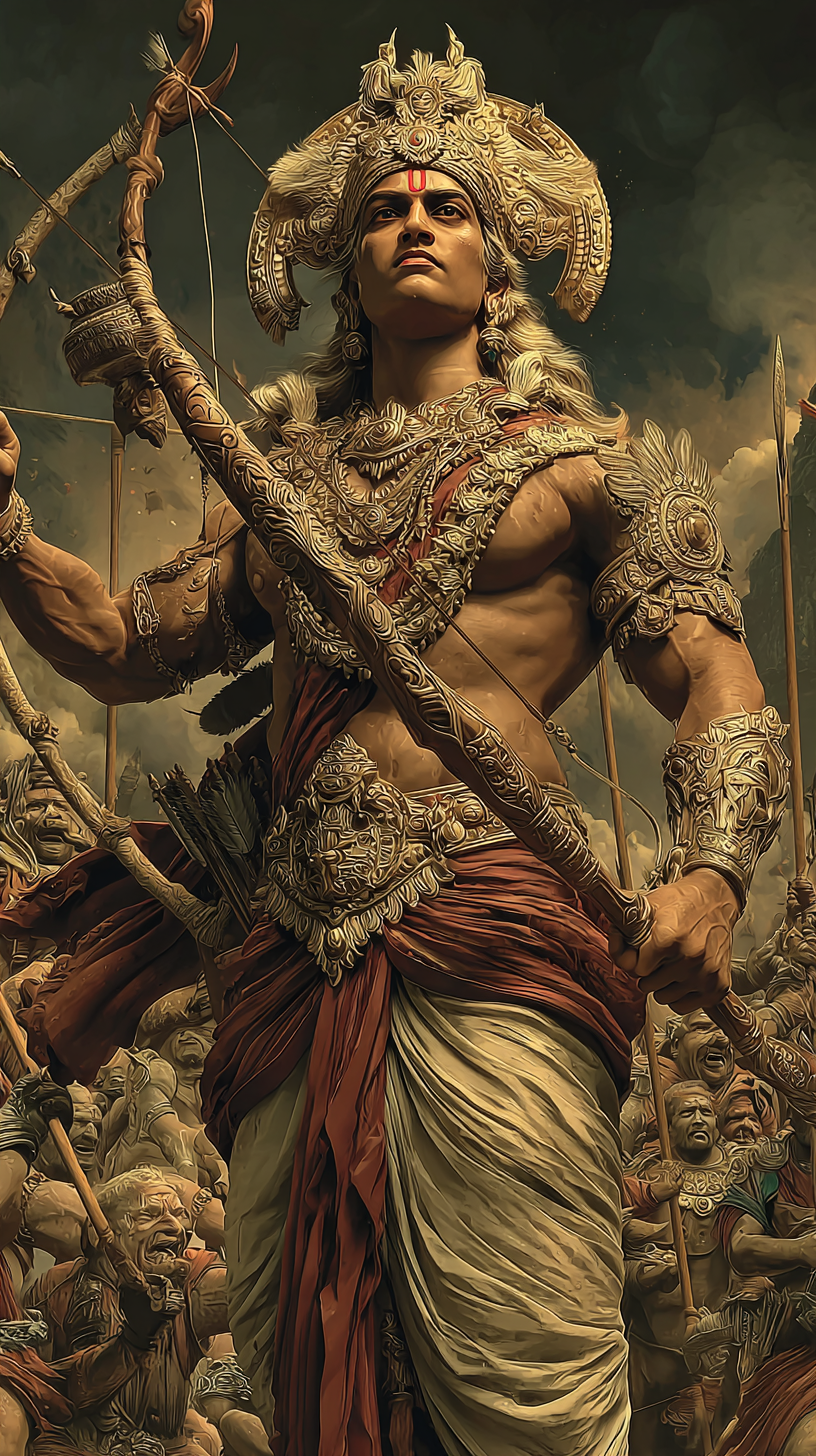
The newly consecrated idol of Balak Ram, depicting Lord Rama in his childhood form.
Festivals & Living Traditions
Major Annual Festivals
- Ram Navami: Celebrated in the Hindu month of Chaitra (March–April), Ram Navami commemorates the birth of Lord Rama. This is the most significant annual festival at the temple, marked by elaborate pujas, devotional singing (bhajans), and grand processions. Devotees undertake pilgrimages to Ayodhya to be part of the birthplace celebrations, experiencing a profound connection to Rama's divine advent. The energy during Ram Navami is palpable, as devotees celebrate the birth of their beloved deity with immense fervor.
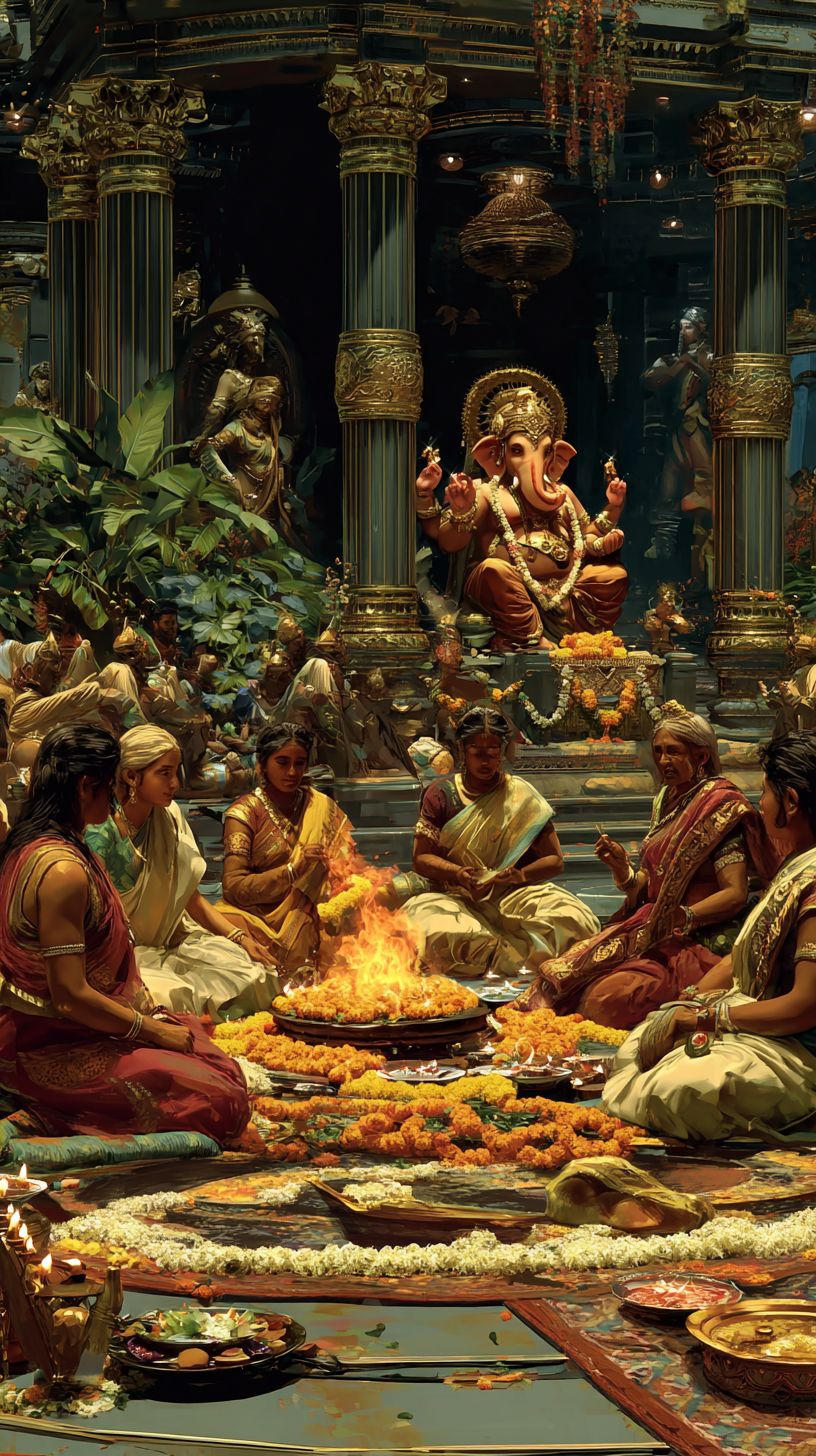
- Diwali: Observed in Kartik (October–November), Diwali is the festival of lights, commemorating Lord Rama's triumphant return to Ayodhya after his 14-year exile and victory over Ravana. The Ram Mandir, along with the entire city of Ayodhya, is adorned with millions of lamps (diyas), creating a spectacular display of light and devotion. Cultural programs, including Ramlila performances (dramatic enactments of the Ramayana), are integral to the festivities, symbolizing the victory of light over darkness and good over evil.

The Ram Mandir adorned with countless lamps during the grand celebrations of Diwali.
Daily Rituals and Cultural Expressions
Plan Your Visit
Getting There & Best Time to Visit
Ayodhya is well-connected and easily accessible. The nearest city is Ayodhya itself, which has seen significant infrastructure development to accommodate pilgrims.
- By Air: The Maharishi Valmiki International Airport (Ayodhya Airport) is conveniently located just 15 km from the temple, offering domestic connections.
- By Rail: Ayodhya Junction Railway Station, approximately 4 km from the temple, is a major railway hub connecting to various cities across India.
Visiting Rules and Nearby Attractions
To ensure a smooth and respectful visit, certain rules are in place:
- Dress Code: Modest dress is required for entry into the temple complex.
- Footwear: Footwear must be removed before entering the temple premises. Designated facilities are available.
- Photography: Photography is strictly prohibited inside the sanctum sanctorum (garbhagriha) to maintain sanctity and security.
- Security: Mandatory security screening is in place for all visitors.
While in Ayodhya, enrich your spiritual journey by visiting nearby temples that are part of the broader Ayodhya circuit:
- Kanak Bhawan Temple: Dedicated to Lord Rama and Sita, known for its opulent idols.
- Hanuman Garhi: A prominent temple dedicated to Lord Hanuman, believed to be the spot where Hanuman guarded Ayodhya.
- Nageshwarnath Temple: An ancient Shiva temple with a significant history.
- Treta Ke Thakur: Another important site associated with Rama’s time in Ayodhya.
Related temples: Ahichchhatra Jain temples | Amethi Temple
Sacred Stories & Mythology
The Ram Janmabhoomi Legend
The Birth of Lord Rama
The Ramayana narrates that King Dasharatha of Ayodhya, longing for an heir, performed a grand Yajna (fire ritual). From this ritual emerged a divine being offering a bowl of sacred pudding (payasam). Dasharatha distributed it among his queens, resulting in the birth of four illustrious sons: Rama, Lakshmana, Bharata, and Shatrughna. Rama, born to Queen Kausalya, was believed to be an incarnation of Vishnu, destined to uphold dharma and vanquish evil. His birth in Ayodhya marked the beginning of his divine लीला (leela, divine play) on Earth, making the city eternally sacred.
Ramayana: The Epic Connection
Saints, Poets & Devotees
Tulsidas and Ramcharitmanas
Modern Devotional Movements
Records, Marvels & Heritage
A Temple Born from a Verdict
Scale and Significance
Heritage and Endowments

The Ram Mandir complex illuminated at night, a beacon of faith in Ayodhya.
🗺 How to Reach
Hover a card to animate the journey on the map
Route to Ayodhya
Common Questions
Where is Ram Mandir: Ayodhya's Sacred Birthplace of Lord Rama located?
Ram Mandir: Ayodhya's Sacred Birthplace of Lord Rama is documented at Ayodhya, Uttar Pradesh.
Which deity is associated with Ram Mandir: Ayodhya's Sacred Birthplace of Lord Rama?
Ram Mandir: Ayodhya's Sacred Birthplace of Lord Rama is associated with Rama.
Related Temples


A Living Covenant