A complete pilgrim record drawn from the existing published article data.
Ram Mandir, Saidpur: A Glimpse into History
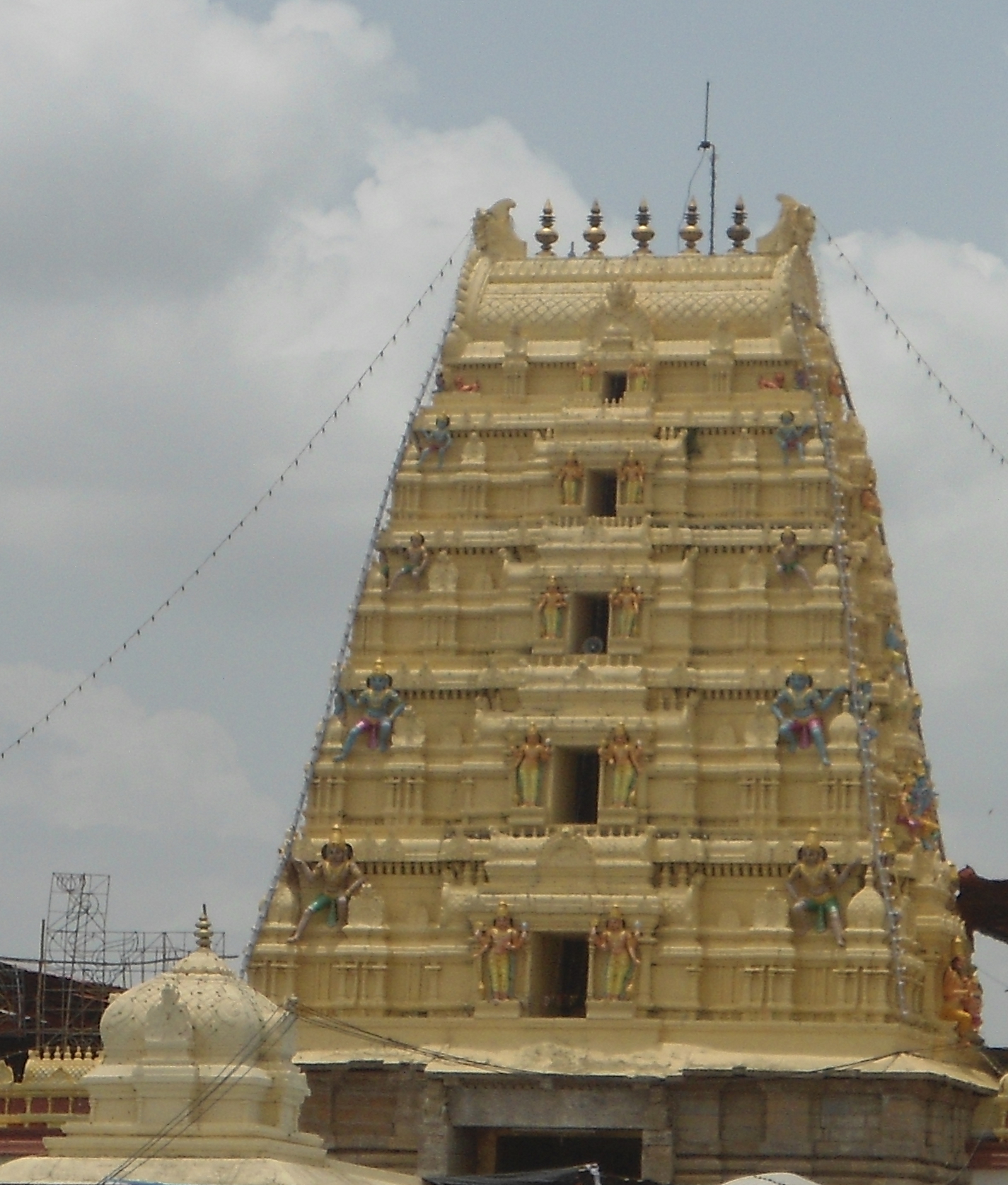
The Ram Mandir in Saidpur Village, Islamabad Capital Territory, Pakistan, stands as a significant Hindu pilgrimage site. Dedicated to the Shri Ram, this temple's origins are rooted in ancient legends, with its current structure dating back to the 16th century. It is believed to be a hallowed ground where Lord Ram, Sita, and Lakshman once visited during their exile, establishing its profound historical and spiritual importance as a place of worship and reflection for centuries.
Location and Deity
Situated in Saidpur Village, Islamabad Capital Territory, the temple is primarily dedicated to the Shri Ram.
Ancient Pilgrimage Site
The site holds legendary significance as a place visited by Lord Ram during his 14-year exile, making it an ancient pilgrimage destination.
Historical Foundation
While its spiritual roots are ancient, the existing temple structure was built in the 16th century.
Architectural Legacy of Saidpur's Ram Mandir
The Ram Mandir in Saidpur Village, built in the 16th century, represents a significant historical structure within the Islamabad Capital Territory. While specific architectural details are not extensively documented, its age alone signifies its enduring legacy. The temple stands as a testament to the Hindu tradition that flourished in the region, reflecting the building styles and religious patronage of its era. Its presence contributes to the cultural tapestry of Saidpur, serving as a silent witness to centuries of history.
16th Century Construction
The temple structure dates back to the 16th century, built under the Raja Mann dynasty.
Historical Landmark
It serves as an important historical landmark in Saidpur Village, reflecting centuries of religious and cultural heritage.
Enduring Presence
The temple's ancient origins and continued existence highlight its architectural and cultural resilience.
Planning Your Visit to Ram Mandir
For those planning to visit the Ram Mandir in Saidpur Village, practical considerations are important. While specific timings and entry fees are not provided, it is advisable to check local information prior to arrival. The temple's historical and spiritual significance makes it a compelling destination. Access to Saidpur Village can be facilitated by various means, though direct rail or flight options to the immediate vicinity are limited. Visitors typically travel via major hubs and then proceed by road.
General Visit Information
Specific timings, entry fees, and best times to visit should be verified locally before planning your trip.
Transportation Options
While direct train or flight access to Saidpur is not available, visitors can reach the area via major transport hubs. For instance, flying to Srinagar Airport (SXR), about 160 km away, or taking a train to S M V D Katra (SVDK), about 193 km away, then proceeding by road.
Local Amenities
Visitors should inquire about local amenities and dress code expectations upon arrival in Saidpur Village.
| Deity | Shri Ram |
|---|---|
| Form | Shri Ram is revered as the deity who, along with his family, is believed to have resided in this area during his 14-year exile. |
| Consort | Sita |
| Sampradaya | Hindu |
| Significance | The temple's significance stems from the belief that Lord Ram, along with his wife Sita and brother Lakshman, resided in this area during their 14-year exile. |
Lord Ram's Exile in Margalla Hills
According to ancient legends, during their arduous 14-year exile, Lord Ram, his devoted wife Sita, and his loyal brother Lakshman journeyed through the Margalla Hills. They are believed to have found solace and sustenance at this very spot in Saidpur Village, where they drank water from the sacred pond. This profound connection to the epic Ramayana forms the spiritual bedrock of the Ram Mandir, marking it as a hallowed ground touched by divine presence during a pivotal period of Lord Ram's life.
A sacred spot where Lord Ram, Sita, and Lakshman are believed to have found solace during their 14-year exile.
The Ram Mandir stands as a testament to ancient legends, echoing the divine journey of the Ramayana in the Margalla Hills.
Historical Roots and Legendary Tales
The Ram Mandir's construction in the 16th century is attributed to Man Singh I, a prominent builder of the Raja Mann dynasty. This historical establishment solidified the temple's presence at a site already steeped in profound legends. Oral traditions and ancient texts recount that Lord Ram, along with Sita and Lakshman, found solace at this very location in Saidpur during their arduous 14-year exile. They are said to have partaken of the sacred pond's water, an event that deeply intertwines the temple's physical structure with the epic narrative of the Ramayana.
Construction by Man Singh I
The existing temple was constructed in the 16th century by Man Singh I, under the Raja Mann dynasty.
Lord Ram's Exile in Saidpur
Legends state that Lord Ram, Sita, and Lakshman visited this site during their 14-year exile, finding solace and water from the sacred pond.
Spiritual Bedrock
This connection to the Ramayana forms the spiritual foundation, marking the temple as a sacred ground touched by divine presence.
Shri Ram and His Exile: The Temple's Heart
At the core of the Ram Mandir's reverence is the main deity, the Shri Ram, whose legendary visit during his 14-year exile defines the temple's spiritual essence. According to ancient lore, Lord Ram, accompanied by his wife Sita and brother Lakshman, journeyed through the Margalla Hills. They are believed to have paused at Saidpur Village, where they drank from a sacred pond. This narrative transforms the site into a hallowed space, directly linking it to a pivotal period in the Ramayana and making it a place of deep devotion for followers of the Shri Ram.
The Main Deity
The temple is dedicated to the Shri Ram, revered for his virtuous life and divine incarnation.
A Pause in Exile
Legends recount Lord Ram, Sita, and Lakshman's visit to Saidpur Village during their 14-year exile, where they found sustenance.
Sacred Pond Connection
The act of drinking water from the sacred pond at Saidpur by the divine trio is a central part of the temple's spiritual narrative.
🗺 How to Reach
Hover a card to animate the journey on the map
Verified routes to Ram Mandir, Saidpur
Common Questions
Where is Ram Mandir Saidpur: A 16th-Century Devotion to Shri Ram located?
Ram Mandir Saidpur: A 16th-Century Devotion to Shri Ram is documented at Saidpur Village, Islamabad Capital Territory.
Which deity is associated with Ram Mandir Saidpur: A 16th-Century Devotion to Shri Ram?
Ram Mandir Saidpur: A 16th-Century Devotion to Shri Ram is associated with Rama.