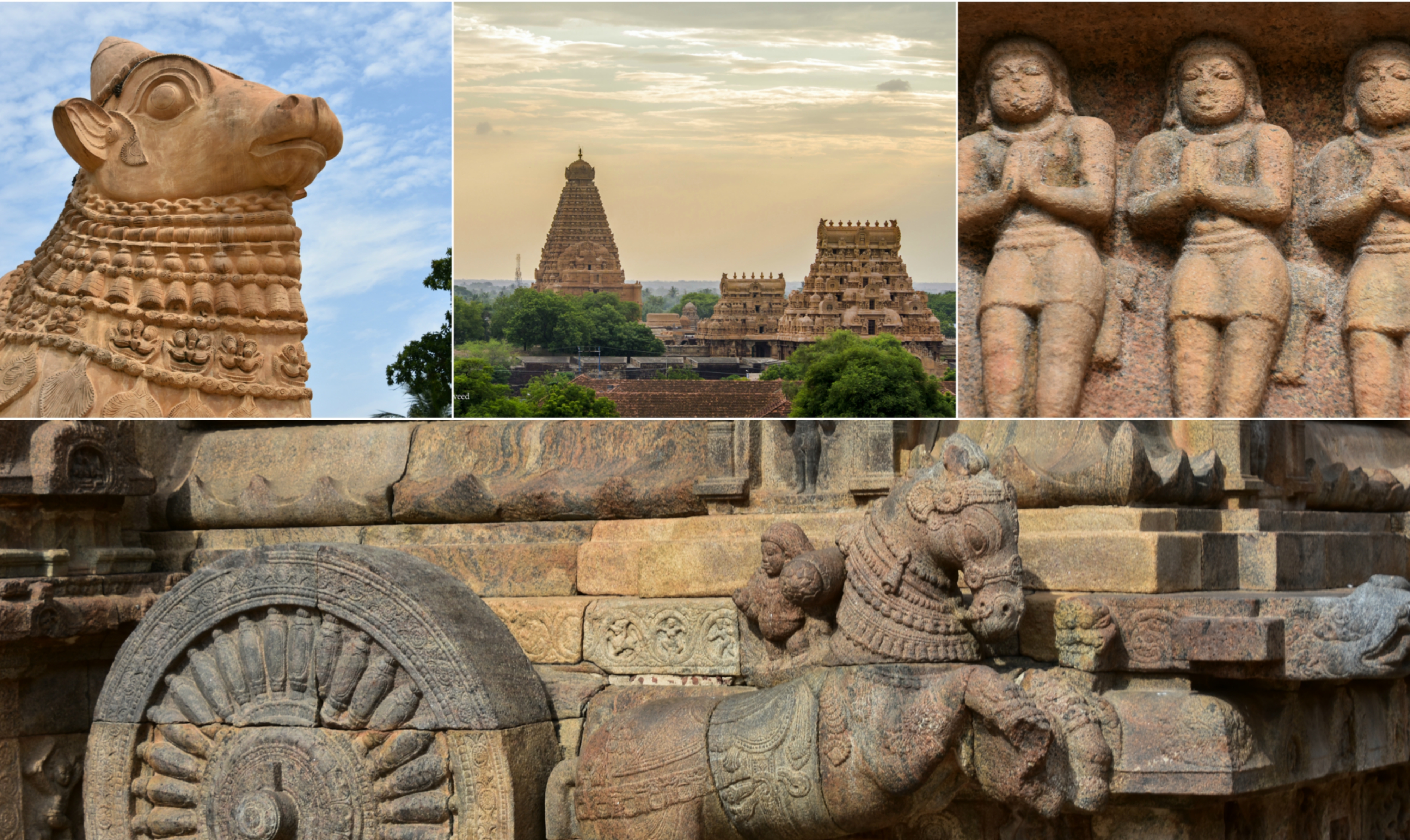
A complete pilgrim record drawn from the existing published article data.
Embarking on the Pallava Temple Trail: A Journey Through Ancient Devotion
The Pallava Temple Trail is a significant heritage pilgrimage route in Tamil Nadu, inviting both devotees and history enthusiasts to explore the profound architectural and spiritual contributions of the Pallava dynasty. This trail offers a unique opportunity to witness the evolution of South Indian temple architecture, from early rock-cut caves to majestic structural temples. Each site along the route tells a story of ancient devotion, artistic innovation, and the enduring legacy of a powerful empire that shaped the cultural landscape of the region. It's a journey through time, revealing the artistic prowess and religious fervor of the Pallava kings.
Purpose of the Trail
The trail serves as a cultural and spiritual pathway, connecting multiple Pallava-era temples across Tamil Nadu.
Spiritual Significance
Pilgrims engage with ancient traditions and deities, experiencing the deep-rooted spiritual heritage of the region.
Architectural Highlights
The route showcases a spectrum of Pallava architectural styles, from monolithic carvings to structural masterpieces.
Stone Speaks: Distinctive Pallava Architecture Along the Route
Pallava architecture is characterized by its transition from monolithic rock-cut structures to grand structural temples. Early examples include the mandapas (pillared halls) and rock-cut caves, carved directly from granite outcrops. A significant innovation was the rathas, or monolithic temples, like those at Mahabalipuram, sculpted from single boulders to resemble chariots. Later, structural temples emerged, featuring distinct architectural elements such as vimanas (pyramidal towers), gopurams (entrance towers, though smaller than later Chola ones), and elaborate mandapas. Intricate sculptures depicting deities, mythical beings, and royal figures adorn these structures, showcasing exceptional artistic skill and religious narrative.
Rock-cut vs. Structural
The trail demonstrates the shift from excavating temples from existing rock to building them with assembled stones.
Monolithic Rathas
Single-stone temples, known as rathas, are a unique feature, representing chariots or shrines carved entirely from one rock.
Sculptural Artistry
Intricate carvings and bas-reliefs narrate mythological tales and depict various deities, showcasing Pallava artistic prowess.
Lord Shiva's Domain: Mythology and Worship on the Trail
Lord Shiva is the predominant deity worshipped in many temples along the Pallava Trail, embodying creation, preservation, and destruction. Pilgrims encounter numerous forms of Shiva, from Lingam manifestations to anthropomorphic representations, each holding deep spiritual significance. The temples are steeped in rich Hindu mythology, recounting tales of Shiva's cosmic dance, his ascetic life, and his interactions with various deities and devotees. These legends, often depicted in temple sculptures, enrich the pilgrimage, offering insights into ancient beliefs and fostering a profound connection with the divine. The trail thus becomes a journey of spiritual discovery.
Shiva as Presiding Deity
Many Pallava temples are dedicated to Lord Shiva, reflecting the Shaivite leanings of the dynasty.
Mythological Narratives
Temple walls and pillars often depict stories from Hindu scriptures, particularly those related to Shiva's exploits.
Forms of Worship
Devotees engage in traditional rituals, offering prayers and performing abhishekams to Shiva Lingams and idols.
Tracing the Legacy: The Pallava Dynasty and Temple Building
The Pallava dynasty, flourishing from the 3rd to 9th centuries CE, was a pivotal force in South Indian history, renowned for its extensive patronage of art and architecture. Their reign marked a golden age of temple construction, profoundly influencing the cultural and religious landscape of Tamil Nadu. Kings like Mahendravarman I and Narasimhavarman I initiated a massive temple-building spree, transitioning from rock-cut caves to elaborate structural temples. This era saw the emergence of a distinct architectural style that laid the groundwork for later Dravidian architecture, leaving an indelible mark on the region's heritage and spiritual identity.
Rise of the Pallavas
The Pallavas emerged as a dominant power, establishing their kingdom with Kanchipuram as their capital.
Royal Patronage
Pallava kings actively sponsored the construction of temples, viewing it as a means of expressing devotion and asserting power.
Architectural Evolution
Their building efforts showcased a clear progression from carving temples out of rock to constructing freestanding stone structures.
Navigating the Trail: Essential Tips for Your Pallava Journey
Planning your Pallava Temple Trail journey requires careful consideration. The best time to visit is from October to March, when the weather is pleasant. Recommended routes often start from Chennai, covering sites like Mahabalipuram, Kanchipuram, and other significant Pallava temples. Local etiquette includes dressing modestly, removing footwear before entering shrines, and respecting religious customs. Carry sufficient water, sunscreen, and comfortable walking shoes. While focusing on the trail, consider exploring nearby attractions that offer further insights into Tamil Nadu's rich cultural tapestry. Public transport options like buses and trains are available, but a private vehicle offers more flexibility.
Best Time to Visit
The cooler months from October to March are ideal for exploring the outdoor temple complexes comfortably.
Travel & Etiquette
Dress respectfully, remove shoes before entering temples, and be mindful of local customs and traditions.
Nearby Attractions
Beyond the temples, explore local markets, traditional eateries, and other historical sites in the vicinity.
| Deity | Shiva |
|---|
No Known Story
There are no specific mythological stories or legends associated with this particular temple trail provided in the available information.
Walk the path of devotion, where ancient stones whisper tales of timeless faith and architectural grandeur.
In the heart of Tamil Nadu, the Pallava legacy stands, a testament to enduring spiritual artistry and cultural depth.
Related temples: Aakkoor Thanthondreeswarar Temple | Aazhimala Shiva Temple
Restoration & Conservation Efforts
The ancient Pallava temples, while marvels of engineering and art, have naturally faced the relentless march of time, weather erosion, and, in some instances, human neglect or intervention over centuries. The imperative to preserve these invaluable heritage sites became increasingly apparent, leading to structured restoration efforts by various governmental and-non-governmental organizations. The Archaeological Survey of India (ASI) has been at the forefront of these initiatives, undertaking extensive surveys, documentation, and phased conservation work across the Pallava Trail. Early interventions often focused on structural stabilization and preventing further decay, utilizing traditional materials and techniques where possible to maintain the architectural integrity and historical authenticity of these sacred spaces. These initial efforts laid the groundwork for more sophisticated preservation methodologies employed today. Contemporary restoration practices on the Pallava Temple Trail involve a multi-disciplinary approach, integrating archaeological expertise, architectural conservation, material science, and traditional craftsmanship. Projects often focus on meticulous documentation of existing conditions, scientific analysis of original building materials, and the careful removal of later additions or inappropriate repairs. The goal is not merely to repair but to conserve the original fabric and aesthetic, ensuring the temples can withstand future environmental challenges while remaining accessible and inspiring for pilgrims and visitors. Community engagement and public awareness campaigns also play a crucial role, fostering a sense of shared responsibility for these living heritage sites. These ongoing efforts are vital for ensuring the Pallava Temple Trail continues to tell its story for generations to come, balancing preservation with the needs of active worship and tourism.🗺 How to Reach
Hover a card to animate the journey on the map
Verified routes to Pallava Temple Trail: A Heritage Pilgrimage Route
Common Questions
Where is Pallava Temple Trail: Shiva's Ancient Heritage located?
Pallava Temple Trail: Shiva's Ancient Heritage is documented at Tamil Nadu.
Which deity is associated with Pallava Temple Trail: Shiva's Ancient Heritage?
Pallava Temple Trail: Shiva's Ancient Heritage is associated with Shiva.