A complete pilgrim record drawn from the existing published article data.
A Journey Through Time: The History of Sundareswarar Temple
Tracing its origins back centuries, the temple's history is interwoven with various dynasties and significant periods of patronage, reflecting its enduring spiritual and cultural importance. While specific construction dates remain unknown, the architectural elements suggest a long and rich past, possibly dating back to early medieval periods. Subsequent rulers and local chieftains contributed to its expansion and maintenance, ensuring its preservation through generations. This continuous patronage underscores the temple's revered status and its role as a beacon of faith and heritage in Tamil Nadu.
Ancient Origins
The exact founding date of the Neikuppai Sundareswarar Temple is not definitively recorded, but its ancient structure and legends point to a history spanning several centuries, possibly predating major dynastic records.
Dynastic Patronage
Throughout its history, the temple received patronage from various local dynasties and benevolent rulers who contributed to its architectural enhancements and ensured its religious continuity. These contributions helped shape its current form and sustained its spiritual activities.
Dravidian Splendor: Architecture of Neikuppai Sundareswarar Temple
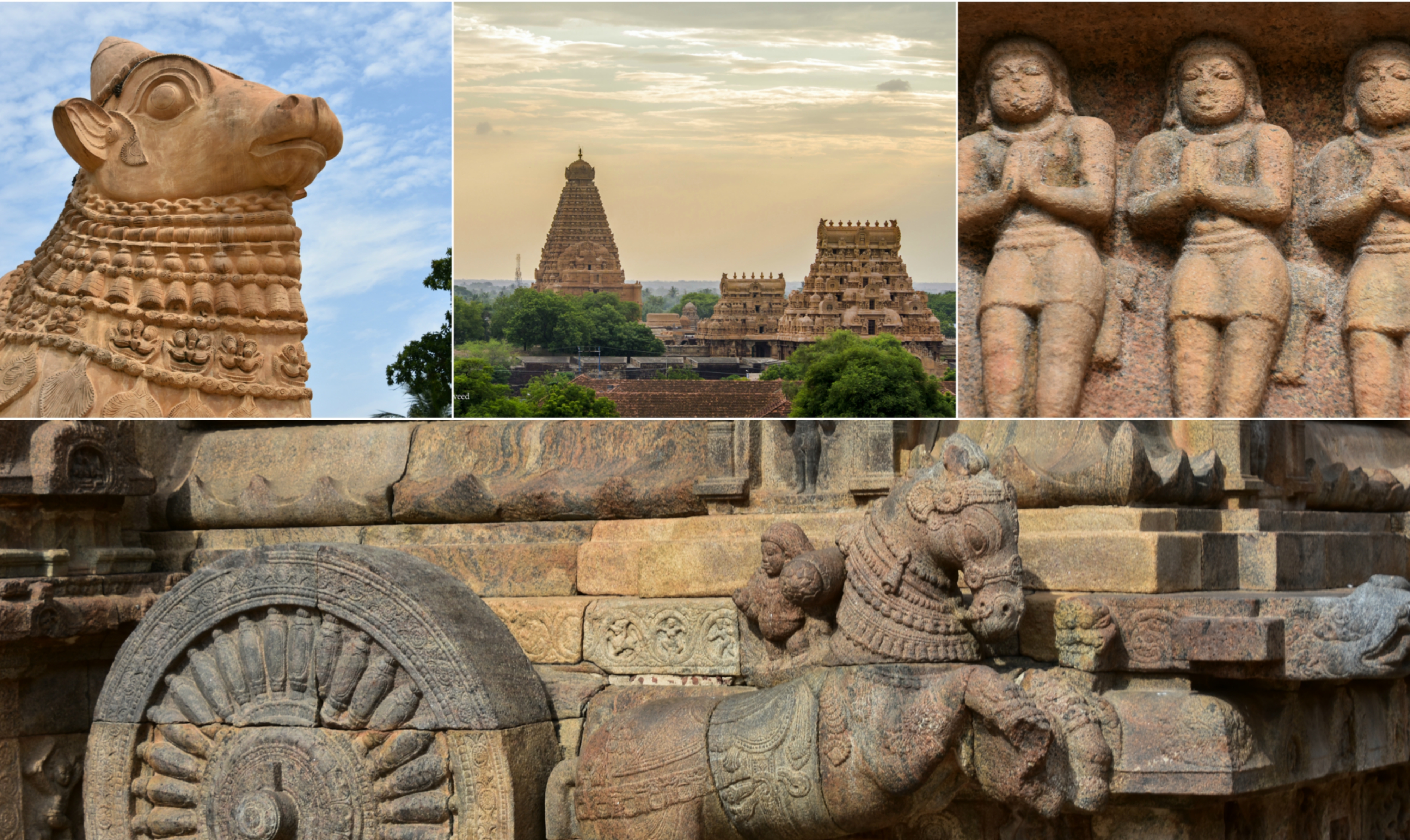
The temple showcases exquisite examples of Dravidian architecture, characterized by its towering gopurams, intricate carvings, and traditional layout that exemplify South Indian temple design. The structural integrity and artistic details reflect the craftsmanship of ancient artisans. Pillars adorned with mythological figures, vibrant frescoes, and sanctums built according to agamic principles are prominent. The overall design creates a sacred space that guides devotees through a spiritual journey, culminating at the main shrine of Lord Sundareswarar. Its aesthetic appeal is a testament to the rich architectural heritage of the region.
Architectural Style
The Neikuppai Sundareswarar Temple is a classic example of Dravidian architectural style, featuring a central shrine, mandapams, and a surrounding prakaram. The use of granite is evident throughout its construction.
Key Features
Notable features include a modest yet artistically detailed gopuram, intricately carved pillars depicting deities and mythical creatures, and a sanctum sanctorum housing the Shiva Lingam. The temple's layout adheres to traditional South Indian temple planning.
Lord Sundareswarar and Sacred Legends
Dedicated to Lord Shiva as Sundareswarar, the temple is steeped in rich mythology and local legends that narrate the deity's divine manifestations and miraculous acts. These stories, passed down through generations, enhance the temple's sanctity and draw devotees who seek to connect with its sacred past. The legends often describe Shiva's compassion, power, and his interactions with devotees or other divine beings. Such narratives are central to the temple's identity, providing spiritual context and inspiring faith among pilgrims who visit this hallowed ground.
The Presiding Deity
Lord Sundareswarar, meaning 'The Beautiful Lord,' is the main deity of the temple, worshipped in the form of a Lingam. His consort is Goddess Meenakshi, who is also enshrined within the temple complex.
Mythological Narratives
Local folklore and Puranic accounts associated with the temple recount various divine interventions and miracles performed by Lord Shiva. These tales often explain the origin of the temple or specific rituals observed there.
Planning Your Visit: A Guide to Neikuppai Sundareswarar Temple
For devotees and tourists alike, a visit to Neikuppai Sundareswarar Temple offers a chance to partake in ancient rituals and experience its serene ambiance, with practical information ensuring a fulfilling pilgrimage. The temple provides a peaceful retreat from daily life, inviting visitors to observe or participate in its daily pujas and special ceremonies. Planning your trip during the cooler months enhances the experience, allowing for comfortable exploration of the temple grounds and surrounding areas. Adherence to local customs and dress codes is encouraged to respect the sacred environment.
Temple Timings and Entry
The temple is open daily from 6:00 AM to 12:30 PM and again from 4:00 PM to 9:00 PM. Entry to the temple is free for all visitors.
Best Time to Visit
The ideal time to visit the Neikuppai Sundareswarar Temple is between October and March, when the weather is cooler and more pleasant for sightseeing and spiritual activities. Visitors are advised to wear traditional attire and remove footwear before entering the temple premises.
| Deity | Shiva |
|---|---|
| Form | Shiva is often worshipped in the aniconic form of the Lingam, representing his cosmic creative and destructive power. He is also depicted anthropomorphically as an ascetic with a third eye, matted hair, and a crescent moon. |
| Consort | Parvati |
| Sampradaya | Shaivism |
| Significance | As one of the principal deities of Hinduism, Shiva is known as 'The Destroyer' or 'The Transformer' within the Trimurti. He is the supreme being in Shaivism, embodying both destructive and regenerative forces, and is associated with meditation, yoga, and asceticism. |
No Specific Temple Legend Available
Information regarding specific mythological stories or legends uniquely associated with the Neikuppai Sundareswarar Temple is not available in the provided data. Many Shiva temples share common Puranic legends, but unique local narratives are not detailed here.
In the heart of devotion, Shiva's presence transforms all, guiding seekers towards ultimate truth and liberation.
The Lingam, a symbol profound and ancient, embodies the cosmic dance of creation and dissolution.
Related temples: Aakkoor Thanthondreeswarar Temple | Aazhimala Shiva Temple
Discovering Neikuppai Sundareswarar Temple: A Sacred Abode
The Neikuppai Sundareswarar Temple stands as a revered Hindu shrine dedicated to Lord Shiva, offering a profound spiritual experience in the heart of Tirupanandal, Tamil Nadu. This ancient temple serves as a significant pilgrimage site, drawing devotees seeking blessings and spiritual solace. Its serene ambiance and rich devotional practices reflect centuries of religious tradition, making it a cornerstone of local Hindu faith. The temple provides a tranquil sanctuary for worship, contemplation, and participation in traditional rituals, embodying the enduring spiritual heritage of the region.
Deity and Location
The principal deity enshrined in the temple is Lord Sundareswarar, a manifestation of Shiva, with his consort Goddess Meenakshi. It is located in Neikuppai, a village near Tirupanandal in the Thanjavur district of Tamil Nadu.
Spiritual Significance
The temple is considered a powerful spiritual center where devotees offer prayers for prosperity, health, and liberation. It plays a crucial role in the religious life of the surrounding communities, hosting daily pujas and special observances.
Restoration and Conservation Efforts
The Neikuppai Sundareswarar Temple, with its centuries-old stone architecture, has naturally faced the relentless challenges of time and the elements. Its granite and laterite structures, while robust, are susceptible to weathering, erosion, and biological growth, which can obscure intricate carvings and compromise structural integrity. Historical records indicate periods of both reverence and neglect, with significant damage likely occurring during various invasions or natural calamities. Early repair efforts, often carried out by local artisans, focused primarily on functional stability rather than archaeological precision, sometimes resulting in alterations that deviated from the original design. Understanding these past interventions is crucial for contemporary conservationists aiming to reverse damage while respecting the temple's layered history. In recent decades, there has been a growing awareness of the need for systematic and scientifically informed conservation at Neikuppai Sundareswarar Temple. Initiatives, often spearheaded by the Tamil Nadu Department of Archaeology or local heritage trusts, have focused on documenting the temple's current state, removing harmful accretions, and undertaking structural consolidation. Modern conservation techniques, including lime mortar repointing, chemical cleaning to reveal original patinas, and careful reconstruction of fallen elements, are employed to ensure the temple's longevity. These efforts are not merely about repair but about preserving the temple's artistic and historical authenticity, ensuring that future generations can appreciate its architectural grandeur and spiritual significance without further loss.🗺 How to Reach
Hover a card to animate the journey on the map
Verified routes to Neikuppai Sundareswarar Temple
Common Questions
Where is Neikuppai Sundareswarar Temple: Lord Shiva's Abode located?
Neikuppai Sundareswarar Temple: Lord Shiva's Abode is documented at Tirupanandal, Tamil Nadu.
Which deity is associated with Neikuppai Sundareswarar Temple: Lord Shiva's Abode?
Neikuppai Sundareswarar Temple: Lord Shiva's Abode is associated with Shiva.