A complete pilgrim record drawn from the existing published article data.
Architectural Features and Surroundings
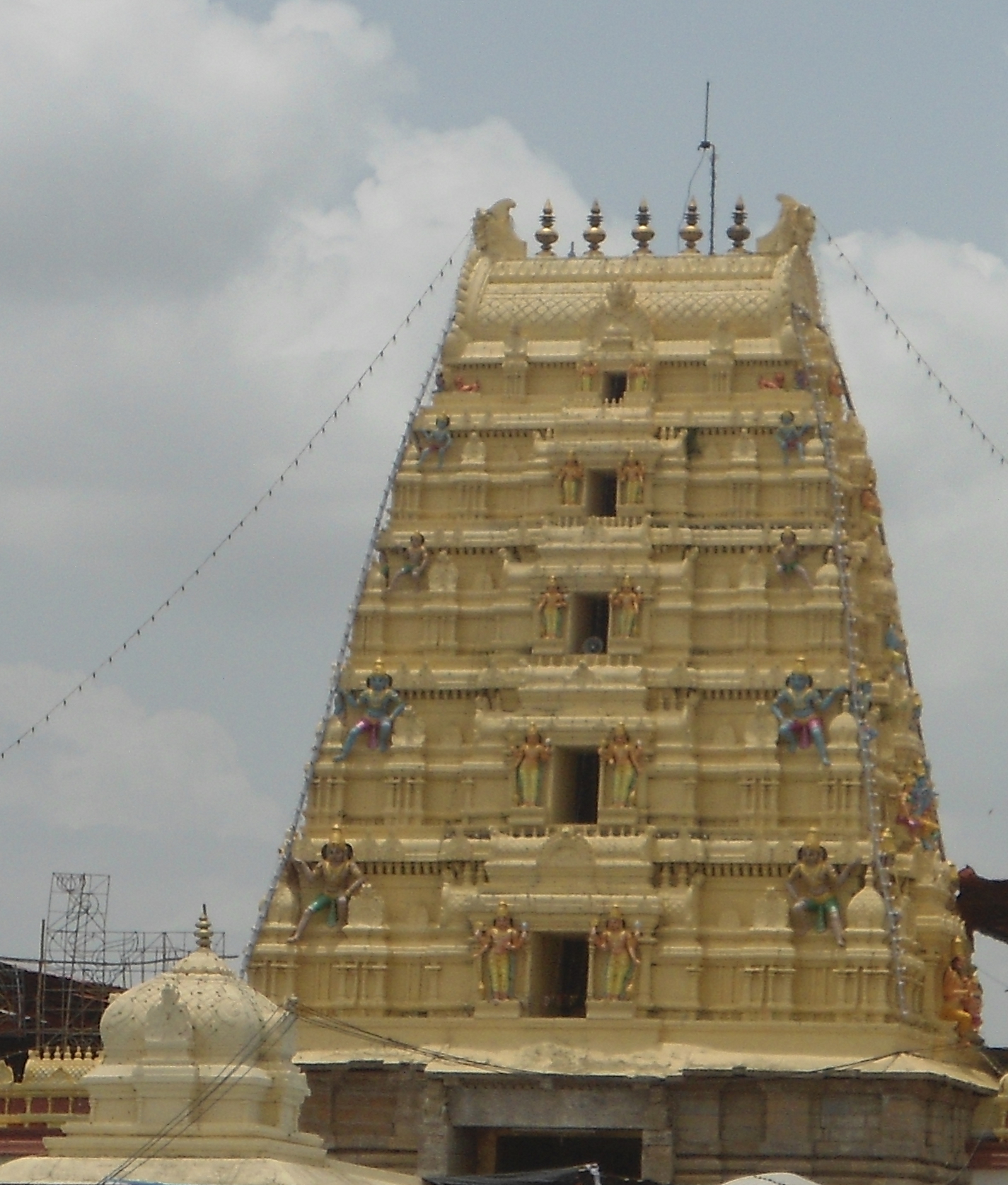
Manimandapa Temple, situated amidst the spiritual landscape of Janakpur, reflects traditional Hindu temple architecture, though specific elaborate details might vary. The structure typically features elements common to temples in the region, focusing on enshrining the deities and providing space for congregational worship. While not always grand in scale compared to some larger complexes, its significance stems from its historical and mythological context rather than purely architectural grandeur. The surroundings contribute to a serene atmosphere suitable for reflection and devotion.
Traditional Design
The temple exhibits architectural styles characteristic of Hindu temples in the Madhesh region, emphasizing devotional spaces.
Sacred Setting
The temple is located within Janakpur, a city deeply intertwined with the Ramayana, enhancing its spiritual ambiance.
Focus on Deity Worship
The architectural layout is primarily designed to facilitate the worship of Lord Rama and Goddess Sita, the main deities.
The Legend of Sita-Rama's Marriage
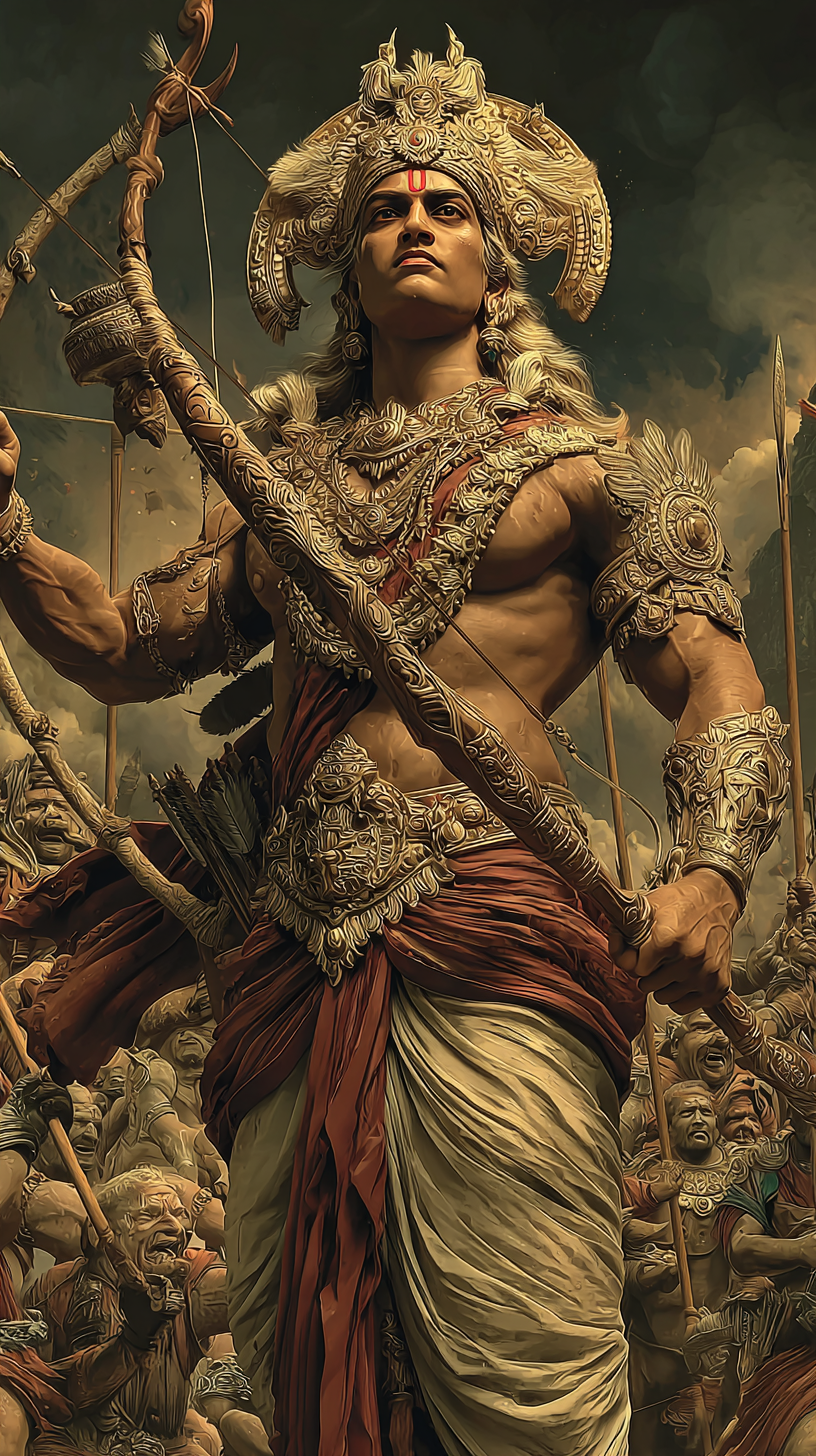
The Ramayana recounts that King Janaka of Mithila organized a Swayamvar for his daughter, Sita. The challenge was to string Shiva's formidable bow. Many powerful suitors failed, but Prince Rama of Ayodhya effortlessly strung and subsequently broke the bow, fulfilling the condition. This miraculous feat led to the momentous union of Rama and Sita, celebrated with grand ceremonies. Manimandapa is consecrated as the very spot where this divine wedding occurred, making it a place of immense spiritual importance, echoing the sacred vows taken by the divine couple.
The Swayamvar Challenge
King Janaka's condition for Sita's hand involved stringing Shiva's divine bow, a task deemed impossible for most.
Rama's Triumph
Prince Rama's successful stringing and breaking of the bow demonstrated his divine strength and worthiness.
The Divine Wedding
Following Rama's success, the sacred marriage ceremony of Rama and Sita was performed at this very site, celebrated with great devotion.
Planning Your Pilgrimage to Manimandapa
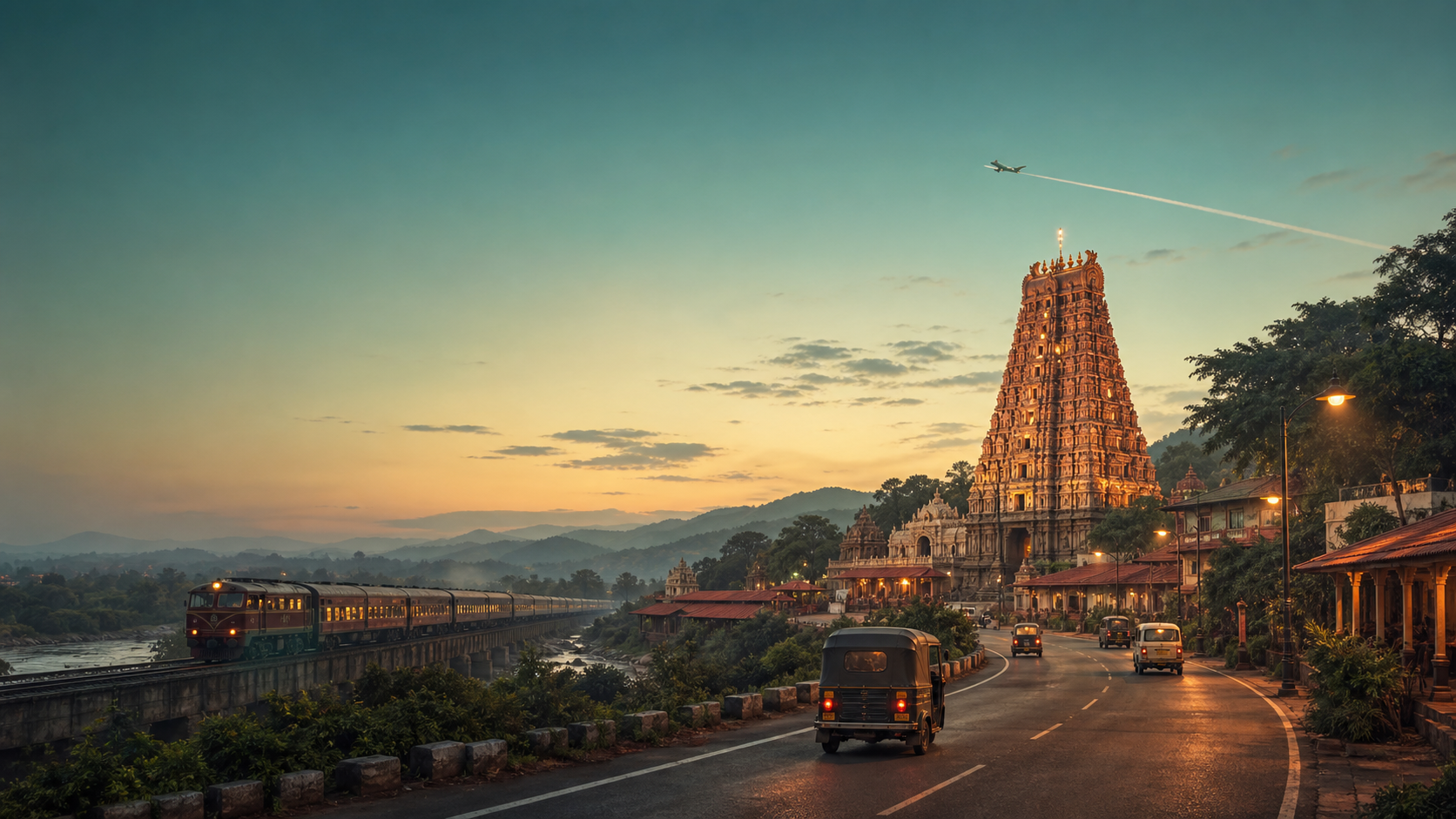
Pilgrims wishing to visit Manimandapa in Janakpur, Madhesh Pradesh, can plan their journey using various transport options. The nearest major airport is Patna Airport (PAT), approximately 51 km away, with routes from cities like Lucknow. From Patna, local transport is available. For train travelers, Chhapra Kacheri Junction (CIF), about 31 km distant, serves as a railhead, with connections via New Jalpaiguri. It is advisable to verify current travel options and local transport availability for a smooth and spiritually enriching experience at this sacred site.
Air Travel
Patna Airport (PAT) is the closest airport, located about 51 km from Manimandapa, offering connections from various cities.
Rail Connectivity
Chhapra Kacheri Junction (CIF), approximately 31 km away, provides train access, including routes via New Jalpaiguri.
Local Transportation
Upon arrival at the airport or train station, local taxis, buses, or auto-rickshaws can be utilized to reach the temple in Janakpur.
| Deity | Rama and Goddess Sita |
|---|---|
| Form | Lord Rama, an incarnation of Vishnu, is revered as the ideal king and husband. Goddess Sita, an incarnation of Lakshmi, embodies purity, courage, and devotion. |
| Consort | Sita (for Rama), Rama (for Sita) |
| Sampradaya | Hindu |
| Significance | Their union at Manimandapa symbolizes divine love, dharma, and the sacred bond of marriage, central to the Ramayana epic. |
The Divine Wedding of Rama and Sita
Manimandapa is deeply revered as the sacred site where the divine marriage of Prince Rama of Ayodhya and Princess Sita of Mithila Kingdom is believed to have taken place. According to the Ramayana, King Janaka of Mithila organized a grand Swayamvar Sabha for his daughter Sita. A condition was set that only the suitor who could string Shiva's mighty bow would win Sita's hand. Many powerful kings and princes attempted, but none succeeded until Prince Rama effortlessly strung and broke the bow. This momentous event led to their holy matrimony, celebrated with great pomp and devotion, establishing Manimandapa as a place of immense spiritual significance for devotees who wish to connect with this pivotal moment in the Ramayana.
Here, Rama broke Shiva's mighty bow, claiming Sita's hand in a union that forever symbolizes divine love and dharma.
Manimandapa stands as a testament to the sacred bond of marriage, echoing the eternal vows of Rama and Sita.
Introduction to Manimandapa Temple
Manimandapa Temple, located in Janakpur, Madhesh Pradesh, Nepal, holds profound significance as the sacred site believed to be where the divine marriage of Lord Rama and Goddess Sita took place. This revered Hindu temple is a pivotal pilgrimage destination, drawing devotees who seek to connect with the epic narrative of the Ramayana. It commemorates the union of the prince of Ayodhya and the princess of Mithila, marking a cornerstone event in Hindu mythology. The temple stands as a testament to their eternal love and devotion, embodying centuries of spiritual heritage and tradition.
Historical Significance
The temple's importance is rooted in its association with one of the most celebrated events in Hindu scriptures, the wedding of Rama and Sita.
Location and Accessibility
Situated in Chapra, within Madhesh Pradesh, Manimandapa is accessible to pilgrims traveling to the Janakpur region of Nepal.
Spiritual Reverence
Devotees visit Manimandapa to experience the spiritual energy of this holy site and to offer prayers to the divine couple.
Deities of Manimandapa: Rama and Sita
At Manimandapa, the principal deities are Lord Rama and Goddess Sita, revered as the ideal divine couple. Lord Rama, the seventh incarnation of Vishnu, embodies righteousness, courage, and virtue. Goddess Sita, an incarnation of Lakshmi, represents purity, devotion, and sacrifice. Their idols are central to worship, depicting them in their royal wedding attire, symbolizing their eternal bond. Devotees offer prayers to seek blessings for harmonious relationships, marital bliss, and spiritual well-being, drawing inspiration from their exemplary lives and divine love story.
Lord Rama: The Ideal King
Rama is worshipped as the embodiment of dharma and an exemplary ruler, an incarnation of Vishnu.
Goddess Sita: Epitome of Purity
Sita, an incarnation of Lakshmi, represents unwavering devotion, resilience, and purity, the ideal consort.
Symbol of Marital Bliss
The divine couple at Manimandapa symbolizes perfect marital harmony and is a source of inspiration for devotees seeking blessings for their own relationships.
🗺 How to Reach
Hover a card to animate the journey on the map
Verified routes to Manimandapa
Common Questions
Where is Manimandapa: Rama and Sita's Sacred Wedding Site located?
Manimandapa: Rama and Sita's Sacred Wedding Site is documented at Chapra, Madhesh Pradesh.
Which deity is associated with Manimandapa: Rama and Sita's Sacred Wedding Site?
Manimandapa: Rama and Sita's Sacred Wedding Site is associated with Rama.