A complete pilgrim record drawn from the existing published article data.
The Genesis and Evolution of Kooram Temple
Kooram Vidya Veenitha Pallava Parameswaram Temple represents a foundational period in Pallava temple architecture. Its establishment was crucial in the religious and cultural development of ancient Kanchipuram under royal patronage.
Royal Patronage and Construction
The temple is attributed to Pallava king Parameswaravarman I (c. 670–700 CE). His epithet "Vidya Veenitha" is part of the temple's name, indicating his direct involvement and devotion. This patronage solidified its status as a significant Shaivite center.
Architectural and Cultural Role
Kooram temple showcases early Pallava architectural features, marking a transitional phase in Dravidian temple building. It contributed to evolving styles and enhanced Kanchipuram's reputation as a prominent center for learning and religion.
Kooram Temple: A Glimpse into Pallava Grandeur
The Kooram Vidya Veenitha Pallava Parameswaram Temple, nestled in Kanchipuram, Tamil Nadu, stands as a testament to early Pallava architectural prowess and religious devotion. This ancient shrine, dedicated to Lord Shiva, is a significant historical marvel, reflecting the artistic and spiritual zenith achieved during the Pallava dynasty. Its very name, "Pallava Parameswaram," underscores its deep connection to the imperial Pallava lineage, making it a crucial site for understanding the region's rich heritage and the evolution of South Indian temple architecture.
Pallava Origins
Though specific builder details are unknown, the temple's name and stylistic elements firmly establish its roots within the Pallava dynasty period. It represents an early phase of Pallava temple construction, predating some of the larger rock-cut and structural temples, offering insights into their foundational architectural practices.
Dedicated to Lord Shiva
The primary deity enshrined within the Kooram Temple is Lord Shiva. This dedication aligns with the prevalent Shaivite traditions fostered by many Pallava rulers, who patronized the construction of numerous temples devoted to the supreme deity across their kingdom.
Lord Shiva and Local Legends of Kooram
The Kooram Vidya Veenitha Pallava Parameswaram Temple in Kanchipuram is primarily dedicated to Lord Shiva, revered here as Parameswaram. The deity is worshipped in the form of a Lingam, symbolizing the cosmic energy and creative power. While specific foundational myths are not widely documented, the temple's existence during the Pallava period suggests a deep-rooted spiritual connection to Shaivism in the region. Local traditions often highlight the temple as a site of spiritual learning and devotion.
The Presiding Deity, Parameswaram
Lord Shiva is enshrined in the Kooram temple as Parameswaram. The primary object of worship is the Shiva Lingam, a representation of the unmanifested and manifested aspects of the divine. This form emphasizes Shiva's role as the supreme being, embodying creation, preservation, and dissolution. Devotees offer prayers and perform rituals to seek blessings for wisdom and liberation.
Pallava Era Significance
Although detailed founding legends are scarce, the temple's name, "Vidya Veenitha Pallava Parameswaram," directly links it to the Pallava dynasty. This suggests patronage by Pallava rulers who were devout Shaivites. The temple likely served as a significant religious center during their reign, fostering Shaivite traditions and contributing to the cultural and spiritual landscape of Kanchipuram.
Local Lore and Devotion
Local folklore often connects the temple to the spiritual endeavors of ancient sages and devotees. While no specific puranic legends directly attribute a major miracle to this particular shrine, the continuous worship over centuries underscores its importance to the local community. Pilgrims believe that devotion to Parameswaram at Kooram bestows knowledge and removes obstacles.
Planning Your Pilgrimage: Visiting Kooram Temple
Visiting Kooram Vidya Veenitha Pallava Parameswaram Temple is best from October to March. Entry is free, and a visit typically lasts 1-2 hours.
Timings and Transport
Open 6:00 AM – 12:30 PM, 4:00 PM – 9:00 PM. Located 12 km from Kanchipuram Bus Stand and 15 km from Kanchipuram Railway Station (KMU). Local buses, autos, and taxis connect. Chennai International Airport (MAA) is 85 km away. Parking is available.
Visitor Etiquette
Traditional attire is preferred. Remove footwear before entering temple premises.
| Deity | Shiva |
|---|---|
| Form | Shiva is commonly depicted as a meditative ascetic with a third eye, matted hair, a crescent moon, and a snake around his neck, often holding a trident and a damaru drum. He is also worshipped in the aniconic form of a Lingam. |
| Consort | Parvati |
| Sampradaya | Hindu |
| Significance | As one of the principal deities of Hinduism, Shiva is known as 'The Destroyer' within the Trimurti, representing transformation, meditation, and the cosmic cycle of creation and destruction. He is the patron god of yoga and arts. |
The Silent Stories of Kooram Temple
While the Kooram Vidya Veenitha Pallava Parameswaram Temple stands as a testament to devotion to Lord Shiva, the specific mythological narratives or founding legends directly associated with this particular shrine are not detailed in the provided historical records. Many ancient temples, especially those with origins lost to time or undocumented, often share in the broader Puranic traditions of their presiding deity. Visitors to this sacred site in Kanchipuram are encouraged to bring their own reverence and connect with the universal aspects of Shiva, meditating on his roles as the destroyer of ignorance, the cosmic dancer, or the ultimate ascetic, allowing personal spiritual experience to fill the narrative void.
In Shiva, we find the ultimate ascetic, the master of yoga, and the cosmic dancer who orchestrates creation and dissolution.
The Lingam is not merely a symbol, but the formless form of the Absolute, representing Shiva's infinite nature.
Related temples: Aakkoor Thanthondreeswarar Temple | Aazhimala Shiva Temple
Scholarly Studies and Archaeological Significance
The Kooram Vidya Veenitha Pallava Parameswaram Temple has been a subject of extensive scholarly inquiry due to its pivotal role in understanding early Pallava architecture and religious practices. Researchers have meticulously studied its structural elements, noting the transition from rock-cut to structural temples in the region, and identifying unique features that predate later Dravidian styles. Epigraphical studies, particularly the inscriptions found within the temple complex, have provided invaluable insights into the political, social, and economic conditions of the Pallava era. These ancient scripts often detail royal grants, temple administration, and the patronage extended by kings like Parameswaravarman I, after whom the temple is believed to be named, thus offering a direct link to the historical narrative of the dynasty and its religious endowments.
Archaeological excavations around the Kooram temple site have further enriched academic understanding, unearthing artifacts and structural remains that shed light on the temple's original layout and subsequent modifications. Art historians have meticulously analyzed the sculptures, friezes, and iconography, recognizing their distinct Pallava characteristics and their influence on subsequent South Indian art forms. The temple's iconography, particularly its depiction of Vaishnava deities, offers a window into the evolving religious landscape of the period. These scholarly endeavors collectively position the Kooram Vidya Veenitha Pallava Parameswaram Temple not merely as a place of worship, but as a critical historical document, continually reinterpreted and studied to deepen our appreciation of ancient Tamil Nadu's rich cultural and architectural legacy.
Pallava Artistry in Stone: Architectural Splendor
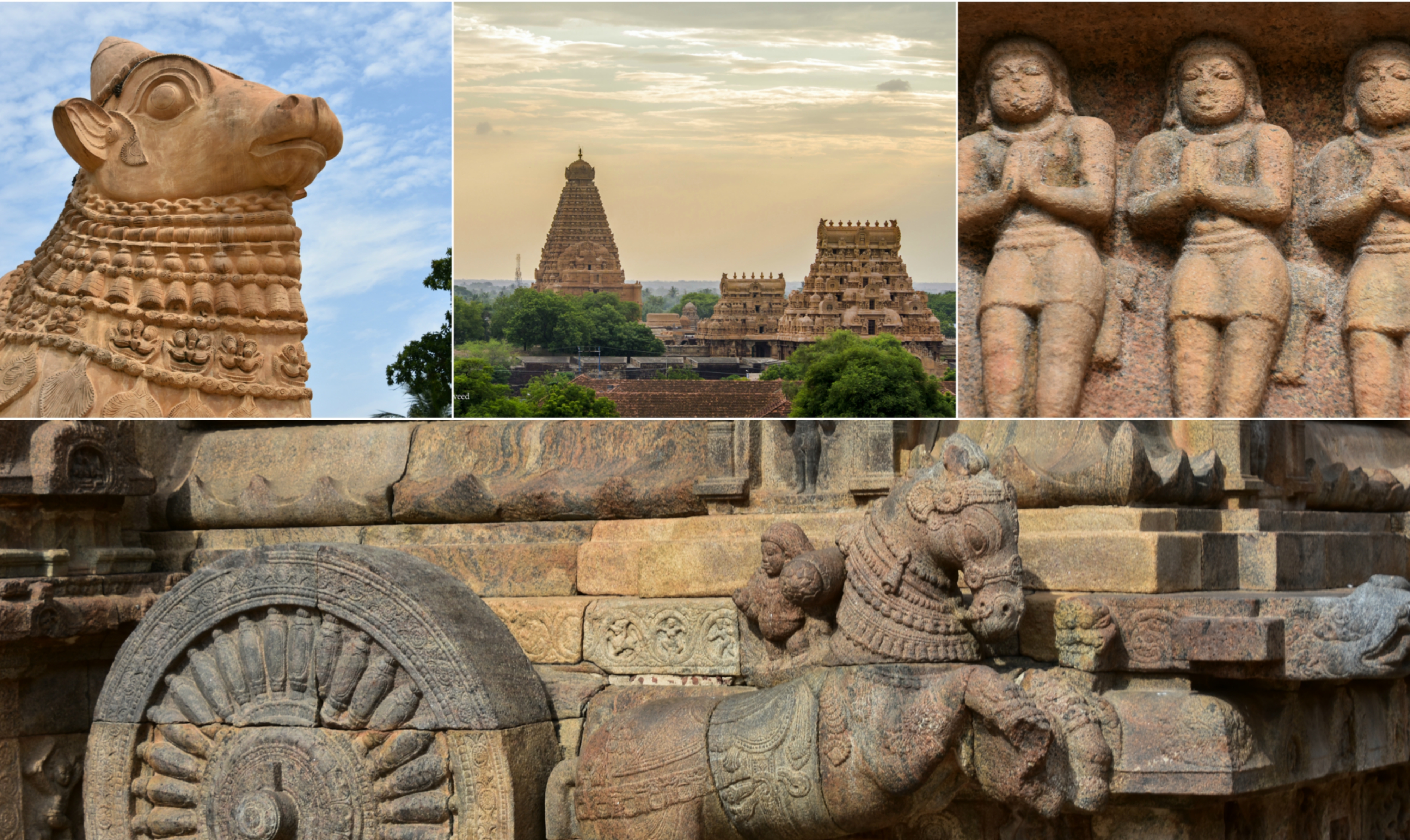
The Kooram Vidya Veenitha Pallava Parameswaram Temple showcases early Pallava structural architecture. Its design highlights the dynasty's transition from rock-cut to freestanding stone temples, demonstrating unique architectural ingenuity and artistic skill.
Distinctive Pallava Elements
Constructed primarily from granite, the temple features a _vimana_ (tower) over the sanctum, adorned with _kudus_ (horseshoe-shaped dormer motifs). Its robust pillars and overall layout exemplify early Dravidian temple architecture.
Iconographic Details
The temple's stone surfaces are embellished with intricate carvings of deities and mythological narratives. These sculptures are characterized by their refined forms and expressive quality, typical of Pallava iconography.
🗺 How to Reach
Hover a card to animate the journey on the map
Verified routes to Kooram Vidya Veenitha Pallava Parameswaram Temple Kanchipuram
Common Questions
Where is Kooram Vidya Veenitha Pallava Parameswaram Temple: Ancient Shiva located?
Kooram Vidya Veenitha Pallava Parameswaram Temple: Ancient Shiva is documented at Kanchipuram, Tamil Nadu.
Which deity is associated with Kooram Vidya Veenitha Pallava Parameswaram Temple: Ancient Shiva?
Kooram Vidya Veenitha Pallava Parameswaram Temple: Ancient Shiva is associated with Shiva.