A complete pilgrim record drawn from the existing published article data.
Echoes of the Past: The Rich History of Klianur
The history of Klianur Agastheeswarar Temple, though its exact origins remain unknown, is believed to trace back through various ancient dynasties. While specific builders and periods are unrecorded, the architectural style suggests influences from South Indian temple traditions that evolved over centuries. The temple's presence in the region is deeply intertwined with local legends and religious movements, indicating periods of significant patronage and architectural evolution. It stands as a testament to the continuous spiritual life and cultural development of the area.
Ancient Roots
The temple's antiquity is evident in its architectural elements, hinting at origins that predate recorded history, reflecting early South Indian religious practices.
Dynastic Influences
Despite unknown builders, the temple's design and sculptural motifs suggest patronage from various dynasties that ruled the region, contributing to its artistic evolution.
Legends and Lore
Local folklore and religious narratives often connect the temple to ancient sages and kings, enriching its historical tapestry beyond documented records.
Stone and Spirit: The Architecture of Agastheeswarar Temple
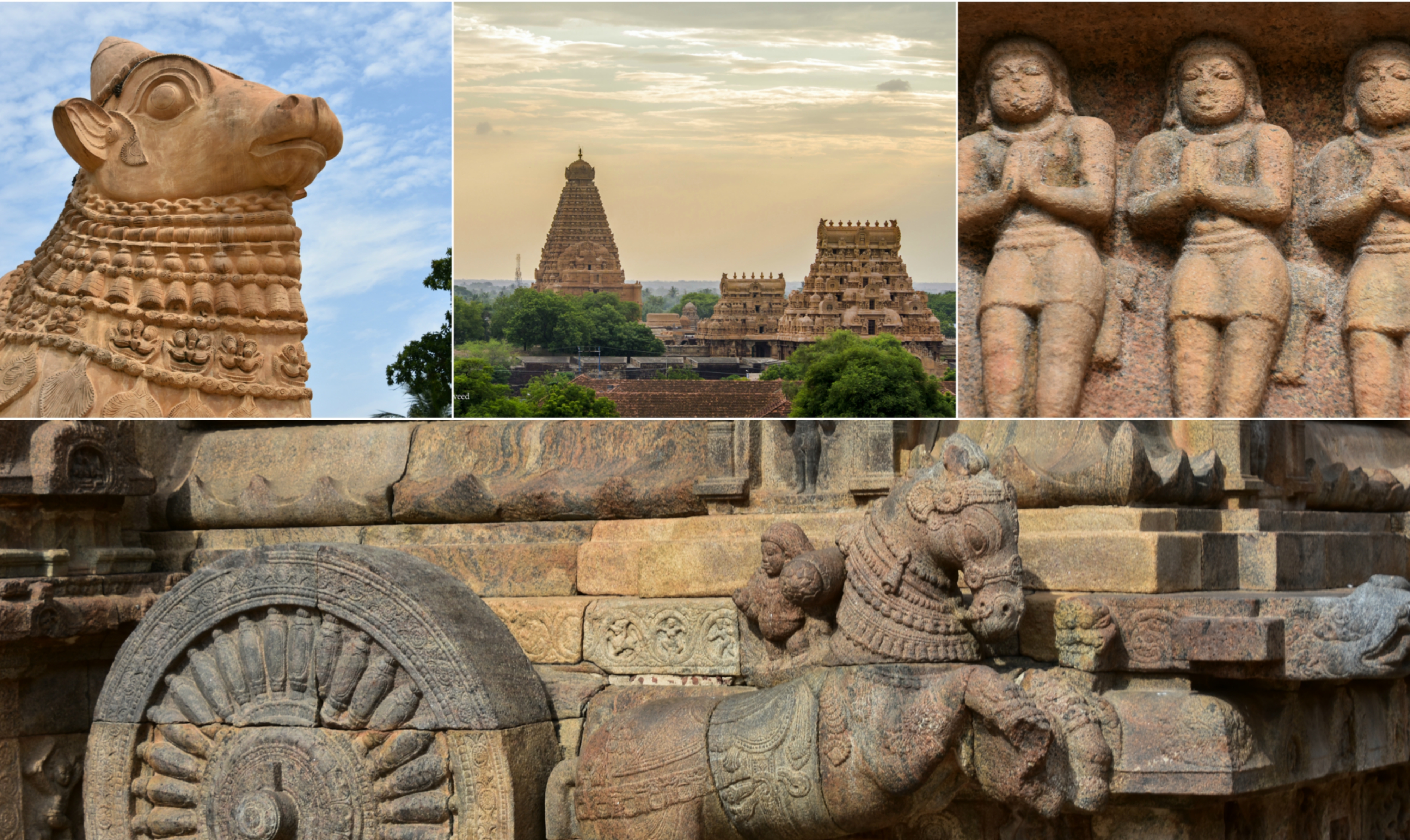
The Klianur Agastheeswarar Temple showcases classic Dravidian architectural elements, characteristic of South Indian temple construction. Its design features intricate carvings adorning the vimana and mandapams, depicting mythological scenes and deities. While towering gopurams are a hallmark of Dravidian style, the temple's specific gopuram details are part of its unique charm. The overall layout adheres to traditional South Indian temple building principles, with a central sanctum, circumambulatory paths, and subsidiary shrines, creating a sacred space for worship and reflection.
Dravidian Style
The temple exemplifies the Dravidian architectural style, characterized by its pyramidal vimana over the sanctum and intricately carved stone structures.
Intricate Sculptures
Throughout the temple, detailed carvings of deities, mythical creatures, and narrative panels adorn pillars and walls, showcasing skilled craftsmanship.
Structural Layout
The temple follows a conventional layout, including a main shrine for Agastheeswarar, a Nandi mandapam, and other smaller shrines, arranged for ritualistic worship.
Lord Shiva and Sage Agastya: Divine Narratives
Dedicated to Lord Shiva, worshipped here as Agastheeswarar, the temple is steeped in profound mythology. The central legend revolves around Sage Agastya, a revered Vedic sage. According to tradition, Agastya is believed to have worshipped Shiva at this very spot, establishing the lingam and lending his name to the deity. This narrative highlights the sage's spiritual prowess and his connection to the divine, making his worship integral to the temple's unique spiritual identity. Devotees visit to seek blessings associated with wisdom, knowledge, and spiritual purification, reflecting the sage's influence.
Agastheeswarar's Identity
Lord Shiva is revered as Agastheeswarar, signifying his association with Sage Agastya, who is said to have installed and worshipped the lingam here.
The Legend of Agastya
Sage Agastya, a prominent figure in Hindu mythology, is central to the temple's origin, with local legends detailing his penance and worship of Shiva at Klianur.
Spiritual Significance
The temple's connection to Sage Agastya imbues it with a unique spiritual aura, attracting those who seek wisdom, health, and spiritual growth through the sage's blessings.
Planning Your Pilgrimage: A Guide to Klianur Temple
Planning a visit to Klianur Agastheeswarar Temple promises a fulfilling and respectful experience. The temple is open from 6:00 AM to 12:30 PM and again from 4:00 PM to 9:00 PM. Entry is free for all visitors. The best time to visit is between October and March, when the weather is pleasant. Visitors are encouraged to wear traditional attire and remove footwear before entering the temple premises, respecting local customs. The duration of a typical visit ranges from 1 to 2 hours, allowing ample time for darshan and exploration of the temple's architectural beauty.
Visitor Information
The temple operates with specific timings for darshan, offering free entry to all, with the cooler months being ideal for a visit.
Getting There
The temple is accessible by bus from Tindivanam (15 km), which also has a railway station. Chennai International Airport is 125 km away. Parking is available for those traveling by car on NH32.
Etiquette and Experience
Adhering to the dress code of traditional attire and removing footwear is customary. Visitors can expect a serene visit lasting 1–2 hours, offering a chance to connect with the temple's spiritual essence.
| Deity | Shiva |
|---|---|
| Form | Shiva is often worshipped in the aniconic form of the Lingam, representing his cosmic energy and creative power. He is also depicted in anthropomorphic forms such as Nataraja, the cosmic dancer, or as a meditating ascetic. |
| Consort | Parvati |
| Sampradaya | Hindu |
| Significance | As one of the principal deities of Hinduism, Shiva is known as the Destroyer and Transformer within the Trimurti. He embodies both asceticism and householder life, representing the cycles of creation, preservation, and dissolution. |
No Specific Temple Legend Available
Information regarding a unique mythological story or legend specifically associated with the Klianur Agastheeswarar Temple is not available in the provided data. However, as a Shiva temple, it is generally associated with the vast Puranic narratives surrounding Lord Shiva, his cosmic dances, ascetic practices, and his role as the destroyer and regenerator.
Shiva, the Destroyer and Transformer, embodies the cycles of creation, preservation, and dissolution.
In the sacred space, the aniconic Lingam represents Shiva's cosmic energy and creative power.
Related temples: Aakkoor Thanthondreeswarar Temple | Aazhimala Shiva Temple
Discovering Klianur Agastheeswarar Temple: A Sacred Abode
The Klianur Agastheeswarar Temple stands as a revered Shiva shrine in Klianur, near Tindivanam, Tamil Nadu. This ancient temple embodies centuries of spiritual devotion and architectural heritage, attracting devotees seeking the blessings of Lord Shiva. It serves as a significant spiritual landmark in the region, preserving age-old traditions and rituals. The temple's serene environment offers a profound experience of peace and spiritual connection, reflecting the deep-rooted faith of its community.
Location and Significance
Situated in Klianur village, the temple is a prominent place of worship for followers of Shaivism, known for its tranquil atmosphere and historical importance.
Spiritual Core
Dedicated to Lord Shiva, known here as Agastheeswarar, the temple's primary deity is a focal point for daily prayers and special observances, drawing pilgrims from various places.
Enduring Legacy
The temple's continued existence and active worship signify its enduring legacy as a center of spiritual and cultural life in Tamil Nadu.
Modern Pilgrimage and Devotional Practices
Klianur Agastheeswarar Temple continues to draw a steady stream of devotees, albeit perhaps not on the scale of larger, more famous temples in Tamil Nadu. For many, a visit here is a deeply personal and spiritual journey, often undertaken to seek blessings for health, prosperity, or relief from specific ailments, particularly those related to the influence of planetary positions (Navagraha worship), given its ancient roots. The temple's serene atmosphere and historical significance provide a tranquil escape from modern life, offering a space for introspection and prayer. Pilgrims typically arrive by private vehicle or local transport, with basic amenities available in the nearby village for their comfort. The temple priests facilitate various pujas and archana services, ensuring that traditional rituals are maintained and accessible to all who wish to participate in the ancient devotional practices. Beyond individual pilgrimages, the Klianur Agastheeswarar Temple plays a vital role in the cultural and spiritual life of the surrounding communities. Major festivals, such as Mahashivaratri, Karthigai Deepam, and the annual Brahmotsavam, transform the quiet temple grounds into vibrant hubs of activity. During these times, the temple comes alive with special rituals, musical performances, and community feasts, attracting devotees from far and wide. The temple also serves as a focal point for local gatherings and social events, fostering a strong sense of community and shared heritage. Efforts are often made by local committees and devotees to maintain the temple's sanctity and infrastructure, ensuring its continued relevance as a living monument of faith and tradition for future generations.🗺 How to Reach
Hover a card to animate the journey on the map
Verified routes to Klianur Agastheeswarar Temple
Common Questions
Where is Klianur Agastheeswarar: Unraveling 2000-Year Mysteries located?
Klianur Agastheeswarar: Unraveling 2000-Year Mysteries is documented at Tindivanam, Tamil Nadu.
Which deity is associated with Klianur Agastheeswarar: Unraveling 2000-Year Mysteries?
Klianur Agastheeswarar: Unraveling 2000-Year Mysteries is associated with Shiva.