A complete pilgrim record drawn from the existing published article data.
Tracing the Legacy: History of Kanthi Deul
The history of Kanthi Deul Temple is deeply intertwined with the powerful dynasties that once ruled the Chhattisgarh region. While specific dates for its initial construction remain unknown, historical accounts and architectural evidence often attribute significant patronage or construction phases to the Kalachuri dynasty. This dynasty, known for its extensive temple-building activities, likely played a pivotal role in establishing or renovating the Kanthi Deul. Over centuries, the temple has witnessed various periods of development and preservation, reflecting the changing socio-political landscape while maintaining its spiritual essence.
Kalachuri Patronage
The Kalachuri dynasty, prominent rulers of the region, are historically linked to the temple's development, contributing to its architectural style and religious importance.
Evolution Through Eras
Despite its exact origins being unknown, the temple's structure suggests adaptations and renovations across different historical periods, preserving its ancient character.
Architectural Marvels: The Design of Kanthi Deul
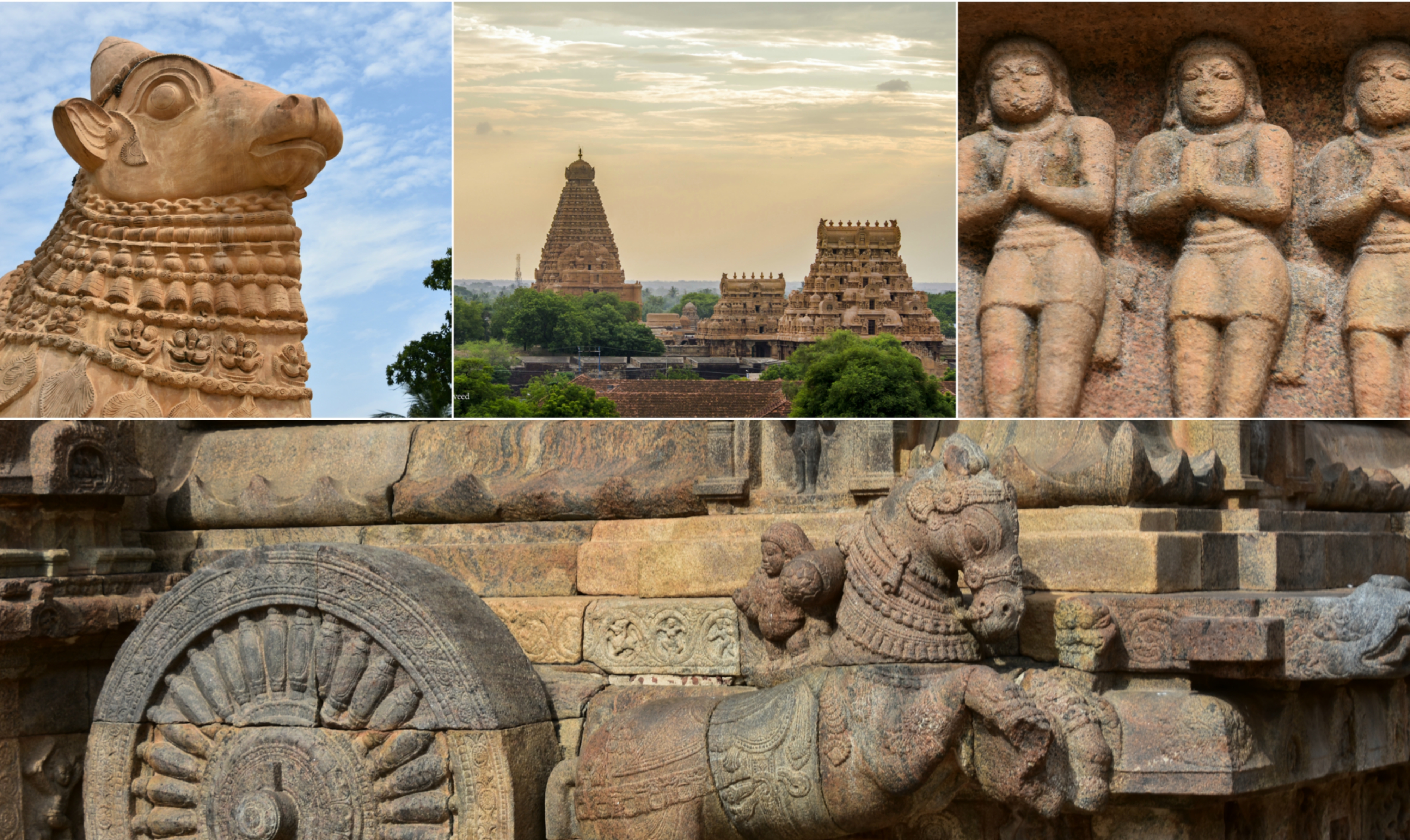
Kanthi Deul Temple showcases a distinctive architectural style, characterized by its intricate carvings and structural ingenuity. The temple's spire, often pyramidal or curvilinear, is a prominent feature, drawing the eye upwards. Details of deities, mythical creatures, and floral motifs adorn its walls, reflecting the artistic prowess of its builders. The use of durable materials, likely stone, has allowed the temple to withstand the test of time, preserving its original charm and historical integrity. Its layout typically includes a sanctum (garbhagriha) and a mandapa, common to Hindu temple architecture.
Intricate Carvings
The temple walls are embellished with detailed sculptures depicting various mythological scenes and divine figures, showcasing exceptional craftsmanship.
Unique Spire Design
The spire of Kanthi Deul is a notable architectural element, contributing to its distinct silhouette against the Ratanpur skyline.
Structural Elements
The temple's design incorporates traditional Hindu temple elements, including a sacred inner sanctum and a hall for devotees.
The Divine Presence: Lord Shiva at Kanthi Deul
Lord Shiva, the Destroyer and Transformer, is the central deity enshrined at Kanthi Deul Temple, making it a powerful spiritual center for his devotees. The temple resonates with the energy of Shiva, attracting pilgrims who seek blessings for prosperity, peace, and spiritual liberation. While specific local myths or legends are not widely documented, the temple's long-standing presence in Ratanpur suggests a deep-rooted spiritual connection with the divine, fostering a sense of devotion and reverence among the local populace and visitors alike. The worship practices here are aligned with traditional Hindu rituals dedicated to Shiva.
Shiva as Presiding Deity
The temple is primarily dedicated to Lord Shiva, revered in his various forms, symbolizing creation, preservation, and destruction.
Spiritual Significance
Kanthi Deul serves as a significant site for spiritual contemplation and worship, drawing devotees seeking divine intervention and inner peace.
Planning Your Visit to Kanthi Deul
Visiting Kanthi Deul Temple is a rewarding experience, best enjoyed between October and March when the weather is pleasant. The temple is open from 6:00 AM to 12:00 PM and again from 4:00 PM to 8:00 PM, with free entry for all visitors. A visit typically lasts 1-2 hours. Modest attire is recommended, and footwear must be removed before entering the sanctum. Ratanpur is accessible by bus from Bilaspur (approx. 25-30 km). Bilaspur Junction (BSP) is the nearest major train station, while Swami Vivekananda Airport (RPR) in Raipur is about 120-130 km away. Parking is available near the temple premises.
Timings and Entry
The temple operates with specific morning and evening hours, offering free entry to all visitors throughout the day.
Best Time to Visit
The cooler months from October to March provide the most comfortable weather for exploring the temple and its surroundings.
Accessibility and Transport
Ratanpur is well-connected by road, with regular bus services from Bilaspur. Major rail and air hubs are located in Bilaspur and Raipur, respectively.
| Deity | Shiva |
|---|---|
| Form | Shiva is often depicted in various forms, including the ascetic yogi, the cosmic dancer (Nataraja), and the lingam, a symbolic representation of his aniconic nature. |
| Consort | Parvati |
| Sampradaya | Hindu |
| Significance | As one of the principal deities of Hinduism, Shiva is known as 'The Destroyer' or 'The Transformer' within the Trimurti, representing destruction and recreation, meditation, and arts. |
The Infinite Lingam's Revelation
The Lingam, a central symbol in Shiva worship, has a profound origin story. Once, Brahma and Vishnu argued over supremacy. To settle the dispute, a colossal, endless pillar of light, the Jyotirlinga, appeared. Brahma flew upwards to find its top, and Vishnu delved downwards to find its base, but neither could find an end. Exhausted, they returned to find Shiva emerging from the pillar, revealing his supreme nature. This cosmic pillar, limitless and eternal, is worshipped as the Lingam, representing Shiva's infinite power and formless essence, reminding devotees of the ultimate reality beyond perception.
Shiva, the great ascetic, embodies both destruction and creation, a cosmic dance of existence.
In the presence of the divine, find solace and the eternal rhythm of the universe.
Related temples: Aakkoor Thanthondreeswarar Temple | Aazhimala Shiva Temple
Kanthi Deul Temple: A Jewel of Ratanpur
The Kanthi Deul Temple, nestled in the historic town of Ratanpur in Chhattisgarh, stands as a significant shrine dedicated to Lord Shiva. This ancient temple is revered for its profound spiritual ambiance and remarkable architectural grandeur. It draws devotees and history enthusiasts alike, offering a glimpse into the rich cultural and religious heritage of the region. The temple's serene environment and intricate design make it a prominent landmark and a testament to the enduring devotion to Shiva in central India.
Location and Significance
Situated in Ratanpur, a town with a rich historical past, Kanthi Deul is a focal point for religious activities and cultural studies in Chhattisgarh.
Presiding Deity
Lord Shiva is the primary deity worshipped here, making it a sacred pilgrimage site for Shaivites and devotees seeking his blessings.
Restoration & Conservation Efforts
The Kanthi Deul Temple, a venerable edifice standing for centuries, has naturally faced the relentless forces of time and nature, necessitating periodic restoration and conservation efforts. Its ancient sandstone structure, while robust, has been susceptible to weathering, erosion, and the gradual decay inherent in such old constructions. Over the years, environmental factors like monsoons, wind, and temperature fluctuations have taken their toll on the intricate carvings and structural elements. Furthermore, the temple's remote location and historical periods of neglect might have contributed to its deterioration, leading to concerns about the stability of its shikhara (spire) and the clarity of its sculptural narratives. These challenges underscore the critical importance of ongoing preservation work to safeguard this invaluable cultural heritage.
Recognizing its immense historical and architectural significance, various agencies, often including the Archaeological Survey of India (ASI) or state archaeological departments, have undertaken systematic conservation projects at Kanthi Deul. These efforts typically involve structural consolidation, chemical cleaning of stone surfaces to remove grime and biological growth, and the meticulous repair or replacement of damaged sculptural panels using traditional materials and techniques. The goal is not merely to repair but to preserve the temple's original character and aesthetic integrity, ensuring that future generations can appreciate its grandeur. Such interventions are crucial not only for the physical survival of the monument but also for maintaining its spiritual sanctity and its role as a living testament to Chhattisgarh's rich artistic legacy.
🗺 How to Reach
Hover a card to animate the journey on the map
Verified routes to Kanthi Deul Temple
Common Questions
Where is Kanthi Deul Temple: Ancient Shiva Shrine in Ratanpur located?
Kanthi Deul Temple: Ancient Shiva Shrine in Ratanpur is documented at Ratanpur, Chattisgarh.
Which deity is associated with Kanthi Deul Temple: Ancient Shiva Shrine in Ratanpur?
Kanthi Deul Temple: Ancient Shiva Shrine in Ratanpur is associated with Shiva.