A complete pilgrim record drawn from the existing published article data.
Unveiling the Ancient Ruins of Ghatiyari
The Hindu temple ruins at Ghatiyari, located in Khairagarh, Chhattisgarh, represent a significant historical and spiritual site. Dedicated primarily to Lord Shiva, these ancient remnants offer a profound glimpse into a bygone era of religious devotion and architectural grandeur. Despite their ruined state, the site continues to hold immense cultural value, attracting historians, archaeologists, and devotees alike. It stands as a testament to the region's rich heritage and the enduring legacy of Shaivism.
Location and Context
Ghatiyari is situated in the Khairagarh region of Chhattisgarh, a state known for its ancient temples and historical sites.
Spiritual Significance
The ruins are revered as a sacred space, primarily due to their dedication to Lord Shiva, embodying centuries of worship.
Historical Importance
The site serves as a crucial archaeological resource for understanding the historical religious practices and architectural styles of the region.
Lord Shiva: The Presiding Deity
The Hindu temple ruins at Ghatiyari were primarily dedicated to Lord Shiva, the destroyer and transformer within the Hindu trinity. Though the main idol is no longer present, the architectural layout and surviving iconography strongly suggest Shaivite worship. Local traditions and legends often associate the site with Shiva's ascetic form or his cosmic dance. The presence of lingams or their pedestals, along with depictions of Nandi, would have affirmed Shiva's central role, making it a significant pilgrimage spot for devotees in ancient times.
Dedication to Shiva
The temple's primary dedication was to Lord Shiva, evidenced by its structure and remnants.
Iconographic Clues
Surviving carvings and layout suggest typical Shaivite iconography and worship practices.
Local Legends
Oral traditions in the region link the temple site to various legends concerning Lord Shiva.
Experiencing the Ruins: A Visitor's Guide
Visitors to the Ghatiyari temple ruins can explore the site from sunrise to sunset, with free entry. The best time to visit is between October and March, when the weather is most pleasant. Located approximately 15 km from Khairagarh, it is accessible via local buses or auto-rickshaws. While there's no strict dress code, comfortable clothing is recommended for navigating the uneven terrain. Visitors are encouraged to maintain decorum, respect the historical significance of the ruins, and ensure their safety while exploring.
Accessibility
The ruins are about 15 km from Khairagarh and can be reached by local transport.
Best Time to Visit
The cooler months from October to March offer the most comfortable visiting conditions.
Visitor Conduct
Respectful behavior and safety precautions are advised when exploring the ancient site.
| Deity | Shiva |
|---|---|
| Form | Shiva is commonly depicted with a third eye, a crescent moon, and a snake around his neck, often holding a trident. He is also revered in the aniconic form of a lingam. |
| Consort | Parvati |
| Sampradaya | Shaivism |
| Significance | As one of the principal deities of Hinduism, Shiva is the Destroyer or Transformer within the Trimurti, embodying the cycles of creation, preservation, and dissolution. He is the supreme being in Shaivism, representing cosmic consciousness and ultimate reality. |
The Enduring Spirit of Ghatiyari
Though the specific tales of the Ghatiyari temple are lost to time, the presence of Shiva here speaks to an ancient devotion. Shiva, the cosmic dancer and transformer, embodies the cycles of creation and dissolution. These ruins stand as a testament to the impermanence of structures and the eternal nature of faith. Devotees once gathered here, offering prayers to the Lord who transcends all forms, reminding us that true worship resides not in stone, but in the heart.
Even in ruins, the spirit of devotion endures, echoing the timeless presence of Lord Shiva.
The stones whisper tales of ancient prayers, a testament to faith that transcends centuries.
Related temples: Aakkoor Thanthondreeswarar Temple | Aazhimala Shiva Temple
A Glimpse into Ghatiyari's Past
The precise origins and construction period of the Ghatiyari temple remain largely unknown, shrouded in the mists of time. Archaeological assessments suggest its existence dates back several centuries, though specific dynastic affiliations are yet to be definitively established. The temple likely flourished under regional rulers before facing eventual decline, possibly due to natural calamities, invasions, or shifting political landscapes. Its current ruined state speaks to a long history of neglect, yet offers valuable clues about past architectural and religious traditions.
Undetermined Origins
The exact date of construction and the founding dynasty of the Ghatiyari temple are not definitively known.
Period of Flourishing
It is believed the temple prospered under local or regional dynasties, serving as a center for worship.
Decline and Ruin
The temple's eventual decay is attributed to various factors, including time, natural forces, and historical conflicts.
Echoes of Ancient Craftsmanship
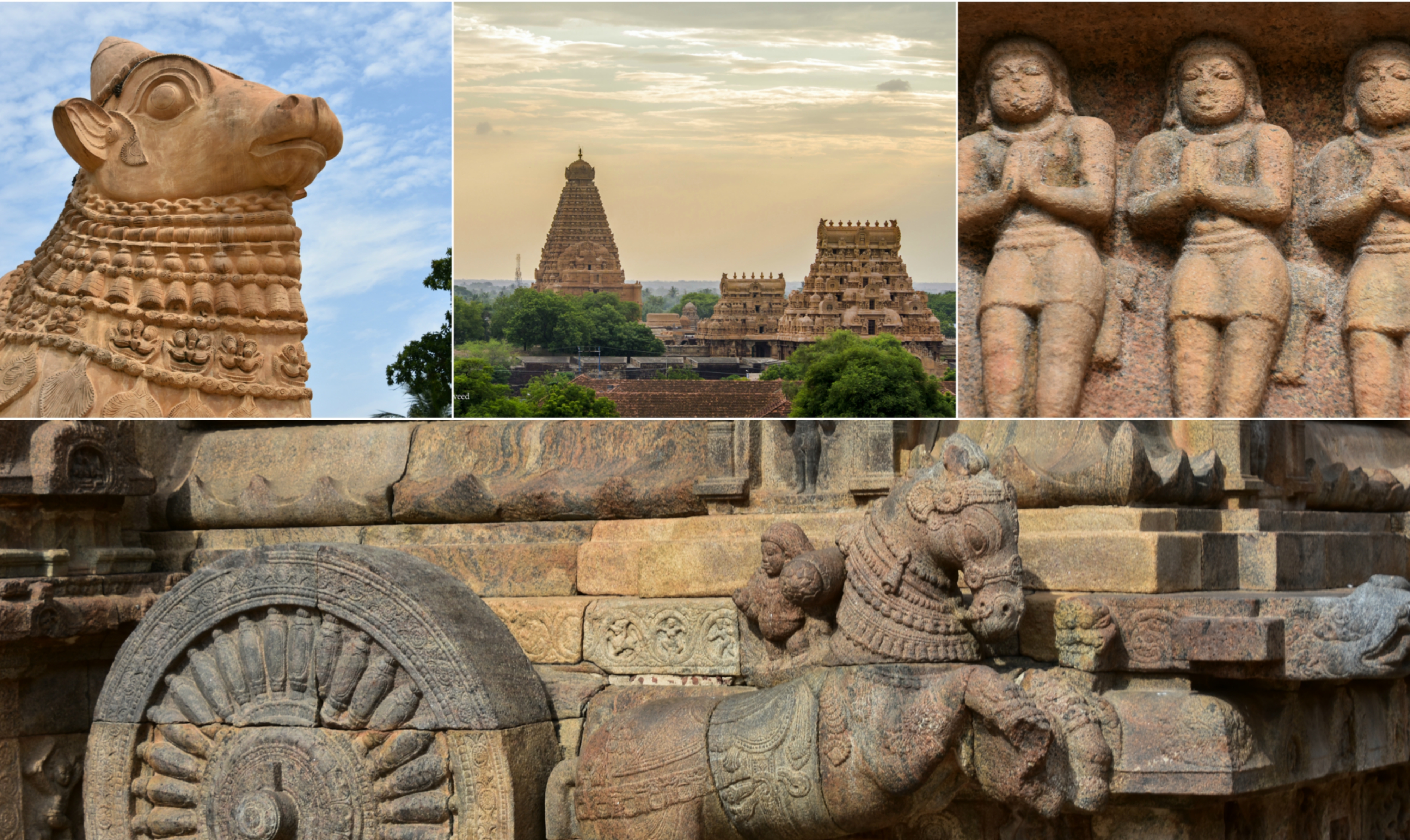
Despite its ruined state, the Ghatiyari temple showcases remarkable ancient craftsmanship. The surviving structural elements and scattered sculptural fragments hint at a distinctive architectural style, likely influenced by regional temple building traditions. Intricate carvings, though weathered, depict mythological figures, deities, and decorative motifs, reflecting the artistic sensibilities of its builders. The use of durable stone and sophisticated construction techniques, evident in the remaining plinths and wall sections, underscores the engineering prowess of the era. The site offers a tangible connection to the artistic heritage of Chhattisgarh.
Architectural Style
The temple exhibits a regional architectural style, characterized by its stone construction and layout.
Sculptural Details
Surviving carvings depict deities, mythological scenes, and decorative patterns, showcasing artistic skill.
Construction Techniques
Evidence of robust stone masonry and structural integrity points to advanced building methods.
Restoration & Conservation Efforts
The preservation of the Hindu temple ruins at Ghatiyari presents a significant challenge, typical of many ancient sites exposed to the elements for centuries. Natural forces like erosion from wind and rain, coupled with seismic activity over millennia, have taken a toll on the intricate carvings and structural integrity of the sandstone edifices. While the remote location has offered some protection from modern urban encroachment, it also complicates regular monitoring and maintenance. Early archaeological surveys have documented the extent of the damage, identifying key areas requiring stabilization and protection. The fragile state of many sculptures and architectural fragments necessitates careful planning to prevent further deterioration, highlighting the urgency for comprehensive conservation strategies that respect the historical authenticity of the site. Efforts to conserve the Ghatiyari temple ruins typically involve a multi-faceted approach, often spearheaded by the Archaeological Survey of India (ASI) or state archaeological departments, sometimes in collaboration with local heritage groups. Initial steps usually include detailed documentation, mapping, and structural assessment to prioritize interventions. The goal is not merely to restore the temples to their original glory, which is often impossible, but to stabilize the existing structures, prevent further decay, and make the site safely accessible for study and appreciation. Funding remains a critical aspect, often relying on government allocations, grants, and sometimes international aid. Community engagement is also vital, fostering a sense of ownership and discouraging illicit activities, ensuring these invaluable remnants of Chhattisgarh's rich past endure for future generations.🗺 How to Reach
Hover a card to animate the journey on the map
Verified routes to Hindu temple ruins, Ghatiyari
Common Questions
Where is Ghatiyari Ruins: Unveiling Ancient Shiva Mysteries located?
Ghatiyari Ruins: Unveiling Ancient Shiva Mysteries is documented at Khairagarh, Chattisgarh.
Which deity is associated with Ghatiyari Ruins: Unveiling Ancient Shiva Mysteries?
Ghatiyari Ruins: Unveiling Ancient Shiva Mysteries is associated with Shiva.