



A complete pilgrim record drawn from the existing published article data.
Historical Foundation
Ancient Origins & Royal Patronage
Eras of Destruction & Reconstruction
"The resilience of Hanuman Garhi through centuries of destruction and reconstruction is a powerful testament to the unwavering devotion of its followers and the protective power of Lord Hanuman."
Enduring Custodianship
Architecture & Craftsmanship

The robust, fort-like exterior of Hanuman Garhi Temple in Ayodhya.
Fort-Temple Hybrid Design
Definition: Nagara Architecture
Nagara architecture is one of the principal styles of North Indian Hindu temple architecture, characterized by a beehive-shaped shikhara (spire) over the garbhagriha, elevated platforms, and intricately carved exteriors. Hanuman Garhi presents an Awadhi regional variant, integrating fort-like elements.
Garbhagriha & Silver Embellishments
Inscriptions and Symbolism
The Presiding Deity
Lord Hanuman (Bal Hanuman)
Form: Bal Hanuman (youthful form), uniquely depicted seated on the lap of his mother Anjani.
Iconography: A 6-inch murti (idol) showing a young Hanuman in a posture of filial devotion and divine childhood, distinguishing it from most other Hanuman temples where he is typically depicted standing, flying, or in a powerful warrior stance.
Significance: This rare iconography emphasizes Hanuman's humility, innocence, and profound love for his mother, as well as the initial stages of his divine journey. It highlights his role as a protector from childhood, eternally vigilant over Ayodhya.
Tradition: Central to the Ramanandi Sampradaya, reinforcing Vaishnava tenets of devotion and divine grace.
Bal Hanuman on Anjani’s Lap

The rare idol of Bal Hanuman seated on Mother Anjani's lap.
Iconographic Significance
"The small, 6-inch idol of Bal Hanuman, cradled by his mother, speaks volumes about the protective, nurturing aspect of the divine, a stark and beautiful contrast to his famed strength."
Festivals & Living Traditions

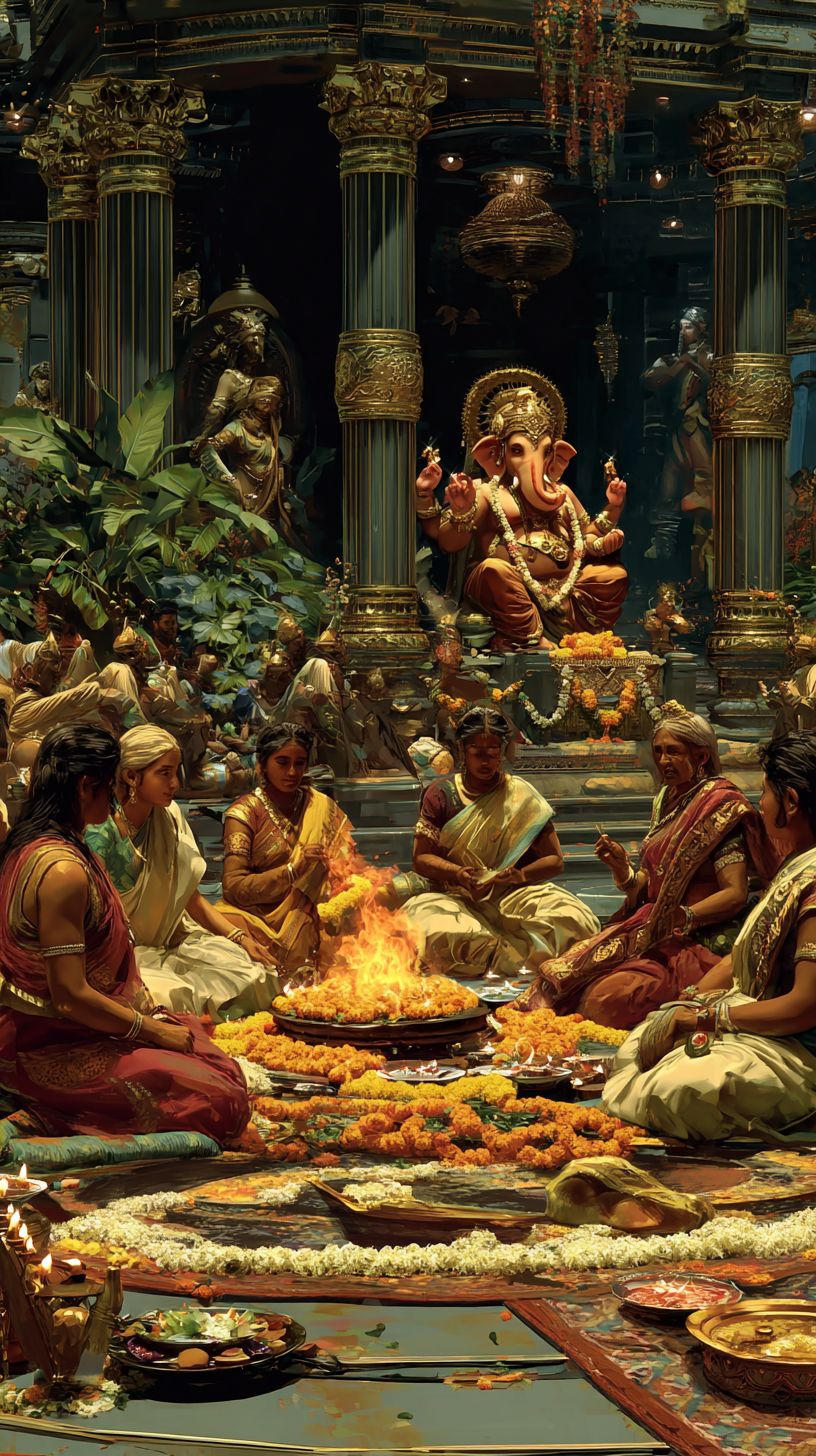
A vibrant celebration at Hanuman Garhi Temple, teeming with devotees.
Major Annual Celebrations
- Hanuman Jayanti (Chaitra Purnima, March–April): This grand festival celebrates the birth of Lord Hanuman with special pujas, extensive recitation of the Hanuman Chalisa, and colorful processions. It's one of the most significant days, drawing massive crowds.
- Rama Navami (Chaitra Shukla Navami, March–April): Commemorating the birth of Lord Rama, this festival sees Hanuman Garhi hosting joint celebrations with the nearby Ram Janmabhoomi, emphasizing Hanuman’s eternal devotion to Rama.
- Dussehra (Ashwin Shukla Dashami, Sept–Oct): Celebrating Rama's victory over Ravana, Hanuman’s crucial role in the epic is honored with special rituals and fervent devotion.
- Deepawali (Kartik Amavasya, Oct–Nov): The festival of lights is observed with spectacular illuminations, signifying Rama’s triumphant return to Ayodhya and Hanuman’s joyous reception.
"During Hanuman Jayanti, the atmosphere around Hanuman Garhi is electric, filled with chants and the collective joy of millions, truly embodying the spirit of divine celebration."
Weekly & Seasonal Observances
Annual Devotee Footfall: Several million pilgrims visit Hanuman Garhi annually, with peak attendance during major festivals and 'Bada Mangal' Tuesdays.
Plan Your Visit
Getting There
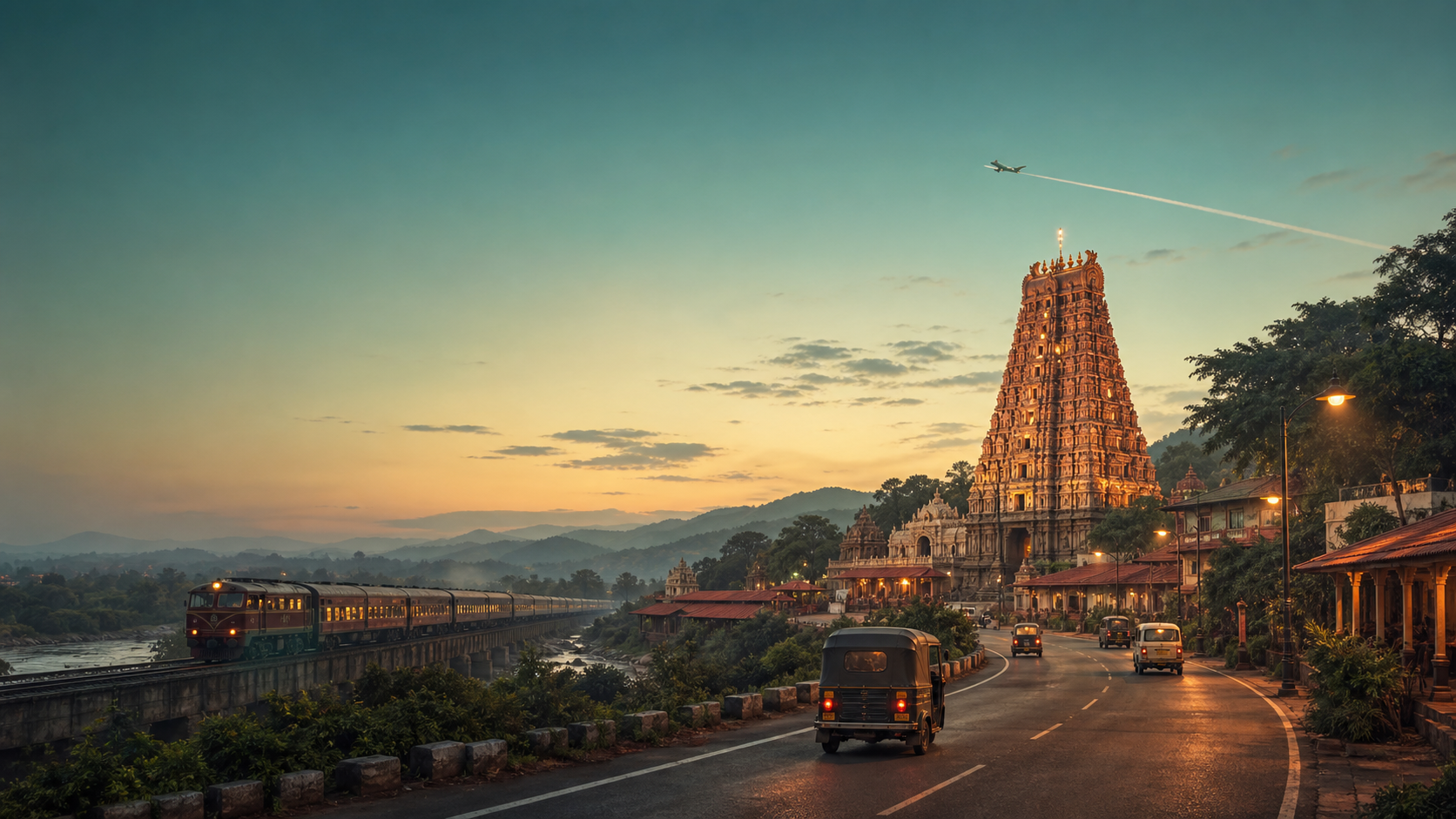
Hanuman Garhi is conveniently located in the heart of Ayodhya, Uttar Pradesh, making it easily accessible for pilgrims from across India and beyond.
- Nearest City: Ayodhya
- Nearest Airport: Ayodhya International Airport (AYQ), approximately 6 km away.
- Nearest Railway: Ayodhya Junction Railway Station, just 2 km from the temple.
Best Time & Nearby Attractions

The grand entrance to the revered Hanuman Garhi Temple.
- Ram Janmabhoomi Temple
- Nageshwar Nath Temple
- Kanak Bhawan
- Sita Ki Rasoi
- Treta Ke Thakur
Pro Tip for Visitors
Aim to visit early in the morning for a serene experience and to avoid crowds, especially during peak festival seasons. If you wish to witness the vibrant energy, plan your visit for a Tuesday, particularly during the Shravan month's 'Bada Mangal' celebrations.
Visitor Information
- Suggested Duration: 1–2 hours to comfortably explore the temple.
- Dress Code: Modest dress is required out of respect for the sacred space.
- Footwear: Footwear must be removed before entering the main shrine.
- Photography: Photography is generally permitted in the temple complex, but strictly prohibited inside the garbhagriha.
Related temples: Ahichchhatra Jain temples | Amethi Temple
Sacred Stories & Mythology
The Eternal Guardian of Ramkot
Hanuman's Vow of Protection
After the epic battle and Rama's joyous return to Ayodhya, the entire kingdom rejoiced. While many celebrated, Hanuman, the epitome of devotion, felt a deeper calling. He chose a quiet cave overlooking Ramkot, the birthplace of his beloved Rama, resolving to guard it forever. This act of selfless devotion, promising eternal vigilance over Rama's sacred land, eventually led to the establishment of the Hanuman Garhi temple on this very spot, symbolizing his ceaseless protection.
Ramayana Connection
Saints, Poets & Devotees
Ramanandi Sampradaya's Legacy
Devotional Practices & Bhakti
Records, Marvels & Heritage
Unique Architectural Feats
Key Takeaway: Iconographic Rarity
Hanuman Garhi is the only major temple in North India where Lord Hanuman is enshrined as Bal Hanuman seated on the lap of his mother Anjani, offering a unique theological and iconographic expression of divine childhood and filial devotion.
Iconographic Rarity
Heritage & Protection
🗺 How to Reach
Hover a card to animate the journey on the map
Route to Ayodhya
Common Questions
Where is Hanuman Garhi Temple, Ayodhya located?
Hanuman Garhi Temple, Ayodhya is documented at Ayodhya, Uttar Pradesh.
Which deity is associated with Hanuman Garhi Temple, Ayodhya?
Hanuman Garhi Temple, Ayodhya is associated with Hanuman.
Related Temples


A Living Covenant