A complete pilgrim record drawn from the existing published article data.
The Ancient Roots of Durgan Dham
Historical Timeline Snapshot
Mythological Origins and Presiding Deities
Maa Durga Bhavani
Maa Durga Bhavani is worshipped as the supreme manifestation of Shakti, the cosmic energy that governs creation, preservation, and destruction. She is revered as a powerful warrior goddess, depicted often with eight or ten arms, each holding a weapon bestowed by the gods, signifying her ability to combat evil and protect the righteous. Her benevolent aspect as Bhavani emphasizes her role as the giver of life and prosperity. Devotees turn to her for courage, protection from adversity, and the fulfillment of desires, recognizing her as the compassionate Mother who always defends her children.
Legends and Sacred Narratives
The Triumph of Mahishasura Mardini
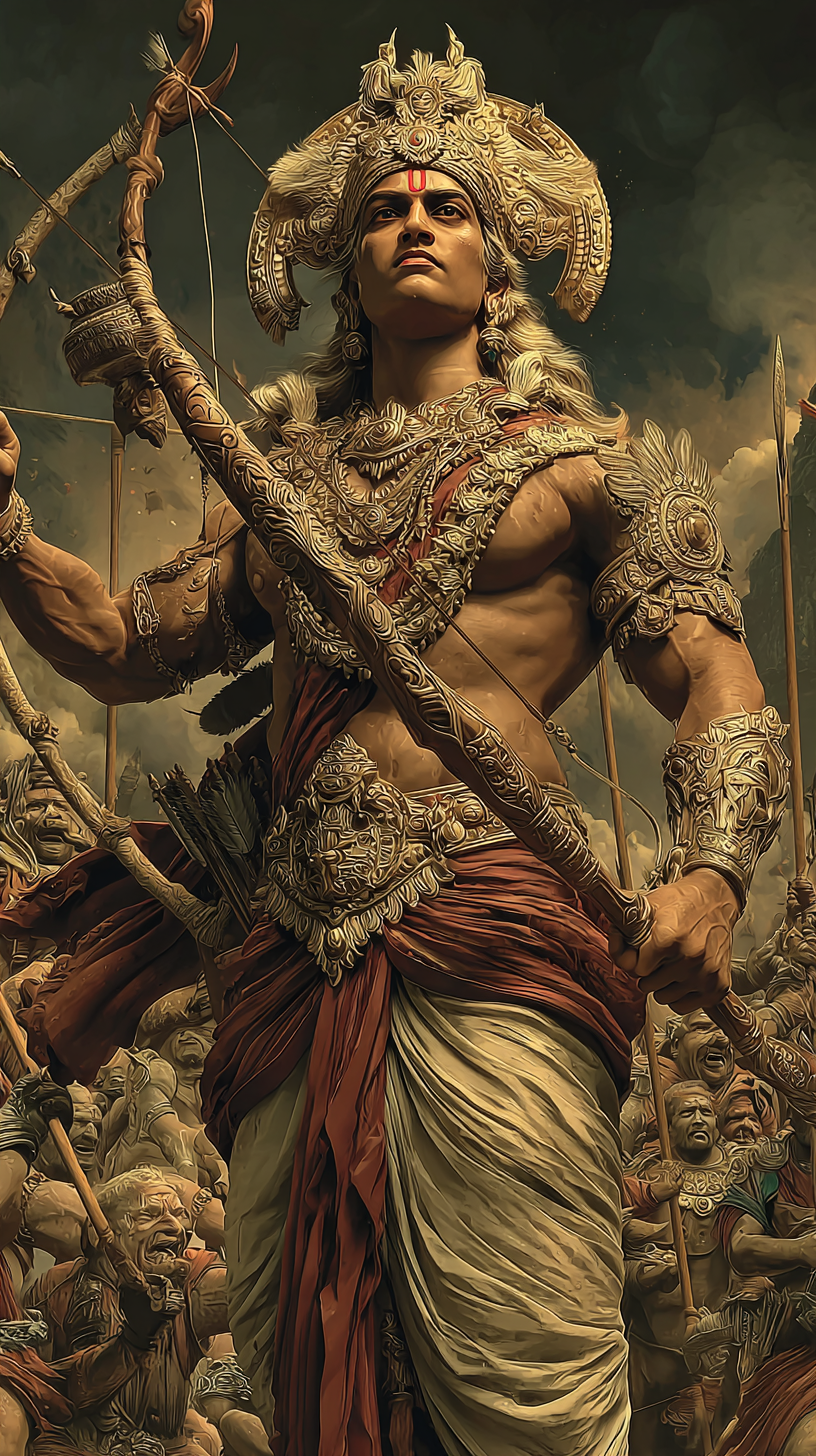
According to ancient scriptures, when the buffalo-demon Mahishasura unleashed terror upon the three worlds, even the most powerful male deities found themselves helpless. Their combined divine energies then coalesced to manifest Maa Durga, a goddess of unparalleled strength and ferocity. Each god contributed their mightiest weapon, empowering her to face the formidable foe. Riding her magnificent lion, Maa Durga Bhavani confronted Mahishasura in a fierce battle, shifting forms and employing divine strategies until she finally vanquished him. This pivotal victory, celebrated as the triumph of Mahishasura Mardini, symbolizes the eternal victory of good over evil and the supreme, protective power of the Divine Mother.
The Sacred Landscape and Ancient Idols
The profound tranquility experienced at Durgan Dham is a direct reflection of the divine peace that the omnipresent Mother Goddess bestows upon her devoted followers.
Architectural Harmony and Sacred Spaces
Traditional Design and Symbolism
Reflective Spaces and Natural Integration
The Rhythm of Devotion: Festivals and Celebrations
Navratri: The Apex of Devotion
Weekly Fairs and Community Gatherings
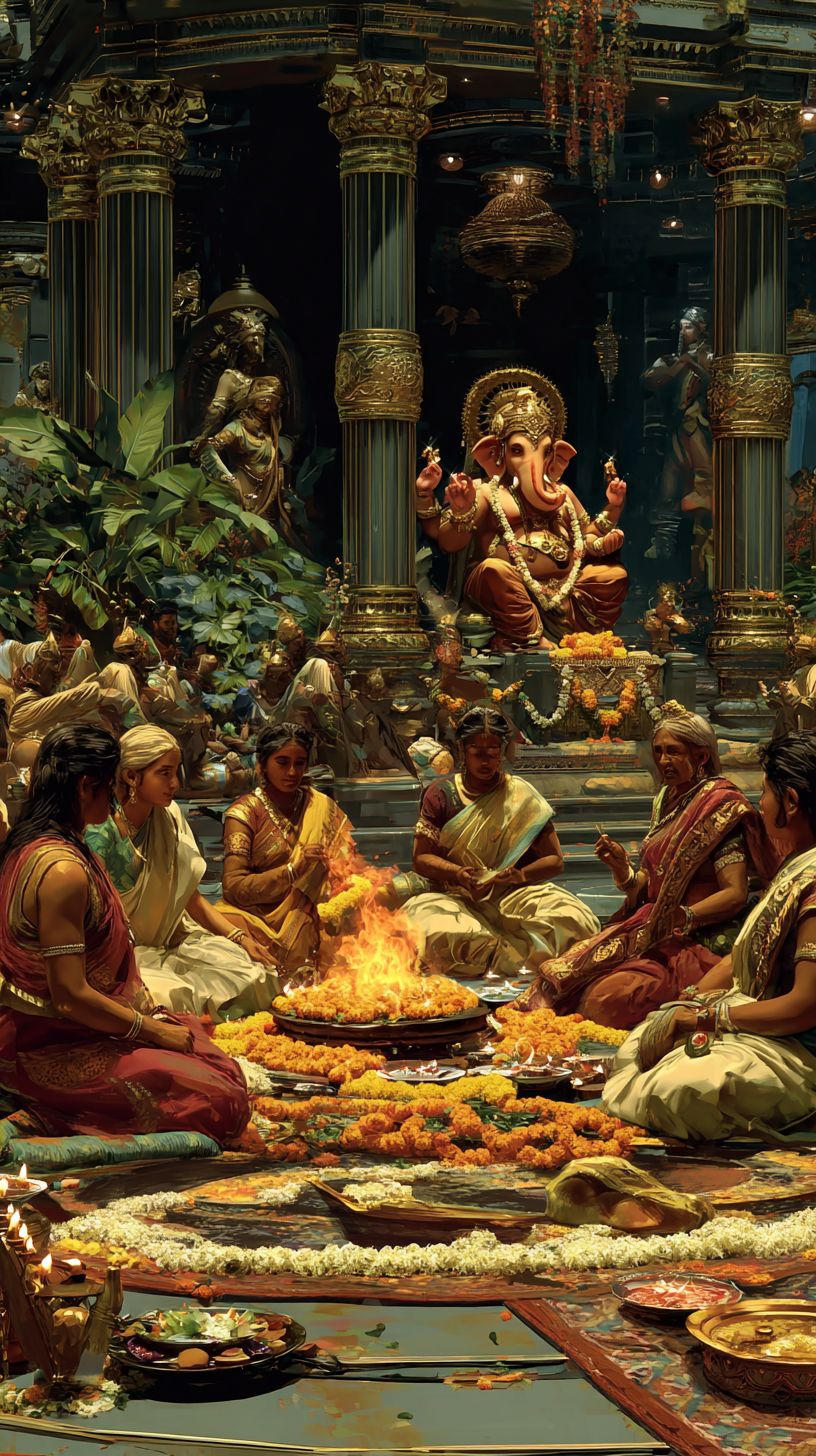
The Durgan Dham Temple serves as a beacon of cultural continuity, where ancient rituals meet contemporary devotion in a symphony of faith and festivity.
A Practical Guide for Pilgrims
For those contemplating a pilgrimage to the revered Durgan Dham Temple, understanding the logistical aspects is crucial for ensuring a meaningful and smooth experience. Accessing this significant sacred site requires a degree of planning, but the spiritual rewards of the journey are consistently described as immeasurable and profoundly enriching.
Navigating Your Journey
Reaching the Durgan Dham Temple from major urban centers involves utilizing the well-established transportation infrastructure of Uttar Pradesh. Several key transport links serve to connect pilgrims and travelers to this important spiritual destination:
- Rail Access: The nearest major railway hub is the Gauriganj railway station, which serves as a crucial transit point for numerous trains connecting to the region. From here, local transport options are readily available.
- Air Travel: For those arriving by air, the Chaudhary Charan Singh Airport in Lucknow stands as the most accessible gateway. This international airport offers connections to major Indian cities, with onward travel to Amethi via road taking approximately 2 to 3 hours.
- Local Transit: Once within proximity to the main routes, a variety of local transportation options are easily accessible. These include private taxis, auto-rickshaws, cycle rickshaws, and shared tempos, offering flexible and convenient ways to navigate the local landscape directly to the temple.