A complete pilgrim record drawn from the existing published article data.
Discovering Deulghata: A Glimpse into Ancient West Bengal
Deulghata, situated in the Arsha block of Purulia district, West Bengal, is an important historical site. It is known for its ancient temples, primarily dedicated to Shiva, dating back to the 10th century. These structures provide a glimpse into medieval Bengal's heritage.
Location
The site is located in the Purulia district of West Bengal, India. It forms a key part of the region's historical landscape.
Historical Significance
The 10th-century temples at Deulghata reflect the architectural styles and religious traditions, particularly Shiva worship, prevalent in medieval West Bengal.
Architectural Insights: Unraveling Deulghata's Temple Style
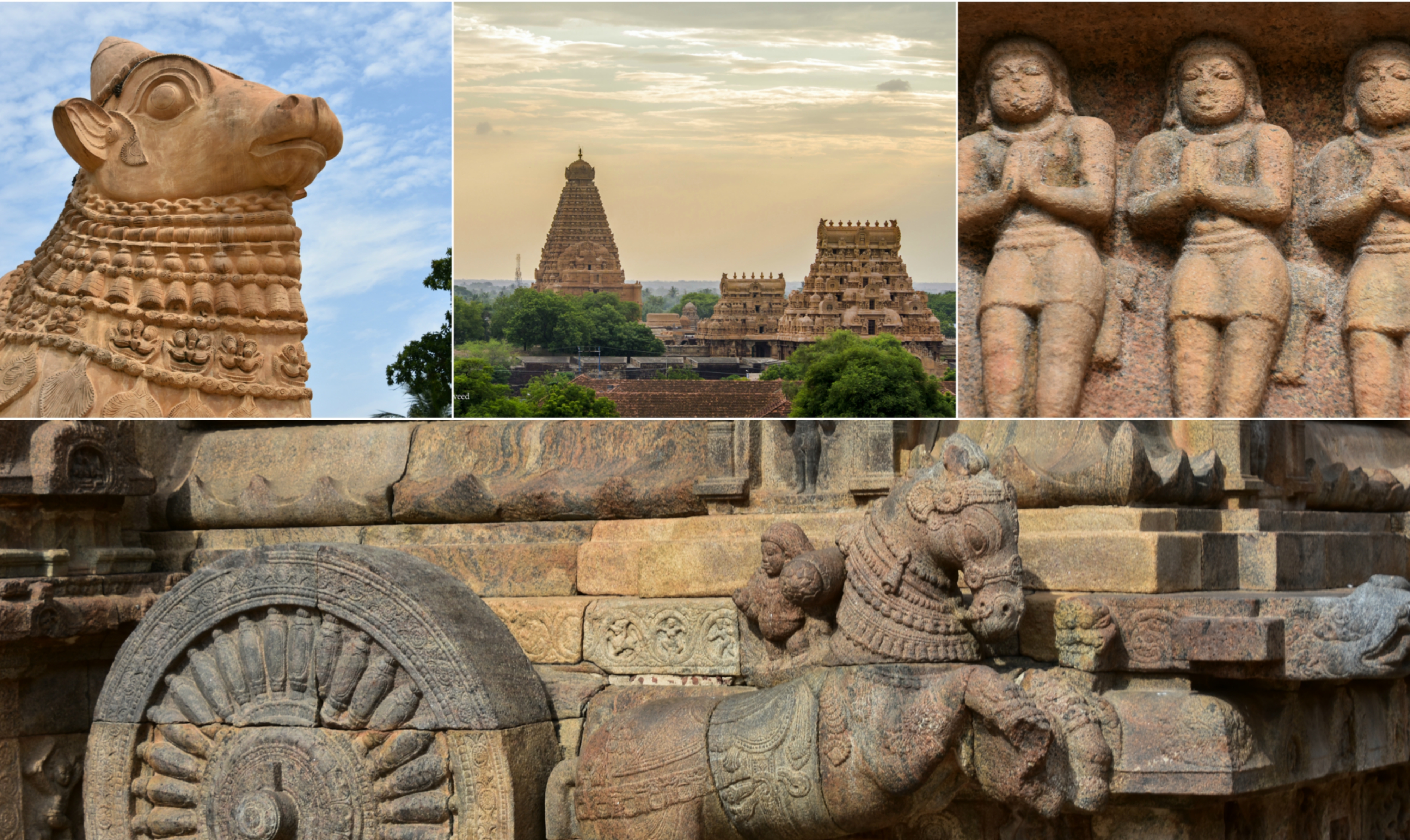
The temples at Deulghata, constructed in the 10th century, exemplify the architectural trends of medieval Bengal. They represent a distinct regional style, characterized by specific structural forms and decorative elements typical of the period.
Deul Form
A defining feature of these temples is the _deul_, or tower, which typically rises in a curvilinear fashion. This form is characteristic of the Rekha Deul style, widely adopted in Eastern Indian temple architecture.
Construction and Materials
The temples were primarily built using brick, a common material in the region due to its availability. Stone was often incorporated for foundational elements, doorframes, and more elaborate sculptural work, providing structural stability and artistic detail.
The Divine Presence: Lord Shiva at Deulghata
The ancient temples of Deulghata are primarily consecrated to Lord Shiva, who is revered as the paramount deity. His divine presence forms the spiritual core of this sacred site, attracting devotees who seek his blessings and spiritual upliftment. The worship of Shiva at Deulghata embodies the enduring Hindu traditions of the region.
Lord Shiva as the Main Deity
At Deulghata, Lord Shiva is the central figure of devotion. The temple complex was constructed in the 10th century specifically for his veneration, establishing him as the focal point for all religious rites and pilgrimage. His iconography and symbolism are integral to the temple's design and spiritual atmosphere.
Spiritual Significance
The spiritual importance of Shiva at Deulghata is profound. Devotees believe in his power to grant wishes, provide protection, and guide them towards spiritual liberation, making the temple a significant pilgrimage destination for those seeking a connection with the divine.
Plan Your Pilgrimage: Exploring Deulghata
Planning your visit to Deulghata, home to ancient Shiva temples, involves understanding the best ways to reach this historical site. Specific visitor details like timings or entry fees are not provided.
Reaching the Site
Purulia Junction (PRR) is the closest train station, approximately 26 km away, with connections from Howrah. Ranchi Airport (IXR), about 83 km distant, is the nearest airport, accessible via flights from Kolkata.
Local Travel & Information
From Purulia Junction or Ranchi Airport, local transport such as taxis or auto-rickshaws will be needed. As specific visitor information is limited, inquire locally about operational hours and other essentials upon arrival.
| Deity | Shiva |
|---|---|
| Form | The primary deity worshipped at Deulghata is Lord Shiva, often revered in his aniconic Lingam form, representing cosmic energy and creation. |
| Consort | Not specified |
| Sampradaya | Hindu |
| Significance | Lord Shiva is a principal deity of Hinduism, known as the Destroyer and Transformer within the Trimurti, embodying asceticism, dance, and meditation. |
The Sacred Confluence at Deulghata
Legend speaks of ancient sages or devout kings, drawn by the profound tranquility and natural beauty of the Kangsabati River banks at Deulghata. Inspired by deep devotion, they chose this hallowed ground to consecrate a shrine to Lord Shiva. The powerful spiritual energy emanating from the site, coupled with fervent prayers, led to the erection of the magnificent stone temples during the 10th century. These structures stand today as a silent testament to the enduring faith and remarkable architectural skill of a bygone era, continuing to draw those who seek Shiva's blessings amidst the serene landscape.
In the quiet embrace of nature, devotion built a sanctuary for the cosmic dancer, Shiva.
The stones whisper tales of a bygone era, where faith shaped the very landscape.
Echoes of the Past: The 10th Century Legacy of Deulghata
The temples at Deulghata, located in the Purulia district of West Bengal, stand as significant architectural remnants from the 10th century. These ancient structures, primarily dedicated to Shiva, offer a tangible link to a rich historical period in the region. Their construction during this era marks them as important examples of the prevailing temple-building traditions. Despite centuries of exposure and change, these temples continue to embody the spiritual and artistic endeavors of their time, preserving a unique heritage for contemporary observers.
10th Century Construction
The construction of the temples at Deulghata is firmly dated to the 10th century. This period saw a flourishing of temple architecture in various parts of India, and Deulghata represents a regional manifestation of these traditions. The specific techniques and materials used reflect the craftsmanship of that era.
Architectural Style and Deity
The temples exhibit a distinct architectural style characteristic of their age. While many details have been affected by time, their fundamental design and sculptural elements provide insights into the religious iconography and artistic preferences of the 10th century. Shiva is the main deity worshipped in these structures.
Survival Through Time
The enduring presence of the Deulghata temples, nearly a millennium after their construction, is a testament to their robust engineering and the cultural significance they held. They have withstood natural elements and historical shifts, continuing to serve as silent witnesses to the passage of time in West Bengal.
🗺 How to Reach
Hover a card to animate the journey on the map
Verified routes to Deulghata
Common Questions
Where is Deulghata: Exploring 10th-Century Shiva Temples in Arsha located?
Deulghata: Exploring 10th-Century Shiva Temples in Arsha is documented at Arsha, West Bengal, India.
Which deity is associated with Deulghata: Exploring 10th-Century Shiva Temples in Arsha?
Deulghata: Exploring 10th-Century Shiva Temples in Arsha is associated with Shiva.