
A complete pilgrim record drawn from the existing published article data.
A Heritage of Time: The Historical Foundation
Founding and Royal Patronage
"The establishment of this temple reflects the deep integration of spiritual life with the royal lineage of Nepal, ensuring that divine presence is honored in the heart of the kingdom."
Legends of the Divine Mother
The significance of Goddess Bindhyabasini remains inseparable from the sacred legends surrounding her divine manifestation. She is revered as a powerful incarnation of Yogamaya, the divine infant born alongside Lord Krishna, embodying cosmic power and protective grace.
The Divine Incarnation: Yogamaya's Birth
Bindhyabasini represents the divine infant born to Devaki and Vasudeva in Mathura. In a pivotal moment of cosmic drama, this child revealed her true, powerful form to King Kamsa, embodying an immense spiritual force that transcended mortal comprehension.
The Legend of Transformation and Ascension
When faced with tyranny from King Kamsa, who sought to harm her, the Goddess miraculously transformed and ascended to the heavens. She subsequently settled in the Bindhya mountains, where she is revered as Bindhyabasini, meaning "she who dwells in the Bindhyas," becoming a perpetual source of divine protection.
Divine Relocation to Pokhara
Ancient accounts suggest that kings, including Siddhi Narayan Shah, sought the goddess's powerful presence. This divine longing led to the auspicious relocation of her idol to this very spot in Pokhara, marking it as her chosen abode and a focal point for devotion.
Architectural Echoes: Simplicity and Splendor
The Shikhara Style and Timeless Design

Symbolic Adornments and Sacred Ambience
The temple's exterior is adorned with powerful, symbolic elements that immediately draw the eye and invite reverence. Two magnificent golden metal lions stand erect beside the temple gate, symbolizing strength, divine guardianship, and protection against negative forces.
Metal gong bells, visible in the background, add an ethereal soundscape to the sacred space. Their resonant chimes mark prayers, offerings, and moments of spiritual reflection, creating an immersive and contemplative atmosphere for all who visit.
"Every architectural detail, from the steadfast lions to the echoing gongs, contributes to a sacred narrative, inviting devotees into a deeper spiritual connection."
The Divine Presence: Deities and Symbolism
Goddess Bindhyabasini: The Yogamaya Incarnation
Goddess Bindhyabasini (Yogamaya)
Goddess Bindhyabasini is a revered manifestation of Yogamaya, the cosmic illusion and divine power. She symbolizes fierce protection, maternal care, and the ability to transcend worldly limitations. As the "dweller of the Bindhya mountains," she represents a formidable and benevolent force, guiding devotees towards spiritual fulfillment and safeguarding them from adversity. Her worship invokes courage, wisdom, and blessings for both material and spiritual well-being.
A Pantheon of Worship: Subsidiary Shrines
- Shrines dedicated to Saraswati honor the Goddess of Knowledge, arts, and music. Devotees pray here for wisdom and academic success.
- Shrines dedicated to Shiva, the Destroyer and Transformer, acknowledge the cyclical nature of existence. His presence symbolizes liberation and spiritual power.
- Shrines dedicated to Hanuman, the embodiment of devotion and strength, offer a space for seeking courage and protection.
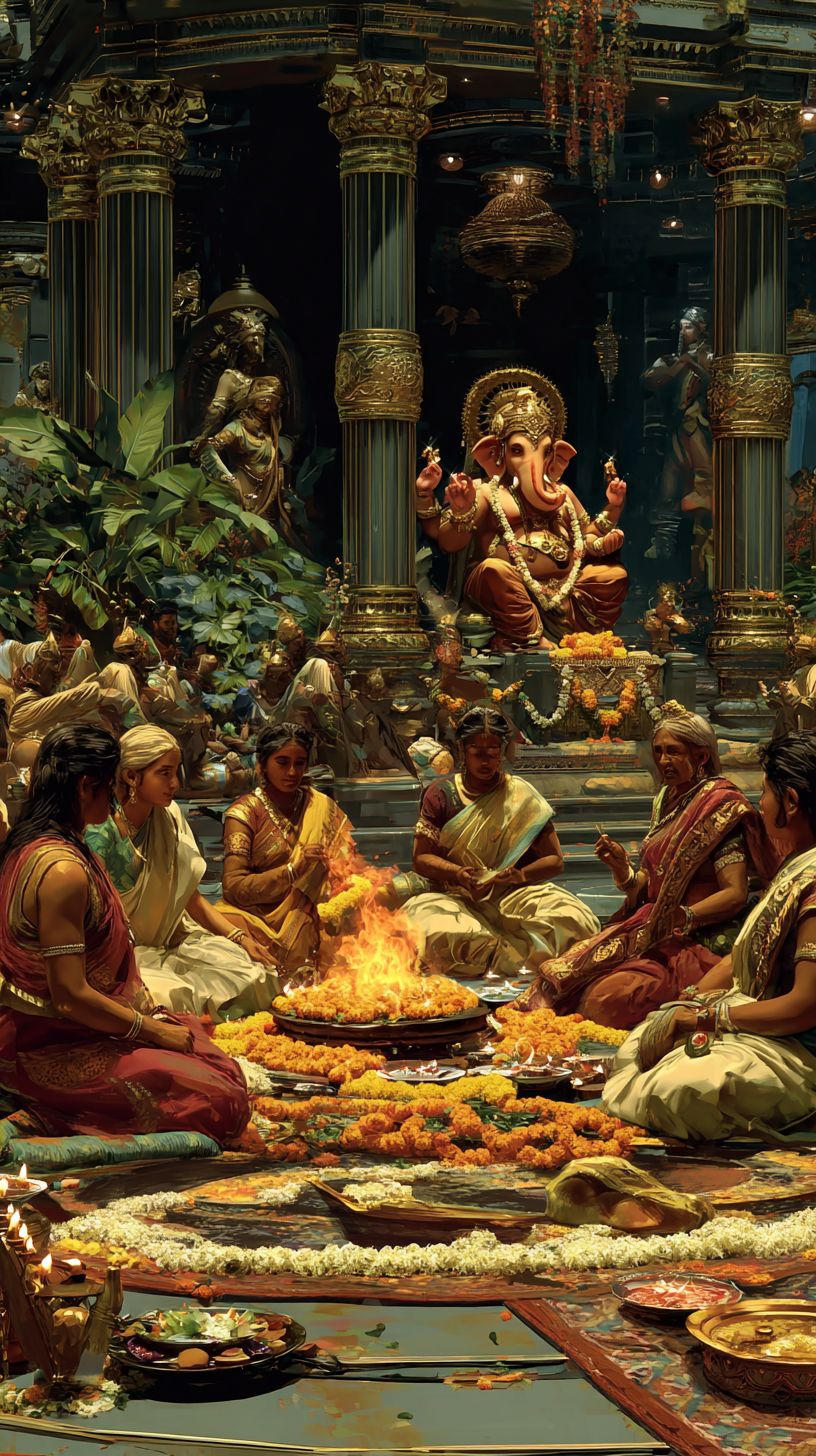
- Shrines dedicated to Ganesha, the remover of obstacles, are vital for initiating any new venture successfully.
Sacred Rhythms: Festivals and Rituals
Annual Observances and Community Gatherings

Devotional Practices and Spiritual Significance
A Pilgrim's Guide: Visiting the Sacred Site
"Every stone here carries the prayers of generations who came before."


Related temples: Ahichchhatra Jain temples | Amethi Temple
Navigating the Sacred Ascent
Modern Comforts and Community Initiatives
Getting There and Logistics
A temple is not merely stone and mortar — it is the crystallized devotion of generations, standing as testimony to the eternal yearning for the divine.
🗺 How to Reach
Hover a card to animate the journey on the map
Route to Bindhyabasini Temple: Mystical Goddess Amidst Pokhara's Hills
Common Questions
Where is Bindhyabasini Temple: Mystical Goddess Amidst Pokhara's Hills located?
Bindhyabasini Temple: Mystical Goddess Amidst Pokhara's Hills is documented at Mathura, Uttar Pradesh.
Which deity is associated with Bindhyabasini Temple: Mystical Goddess Amidst Pokhara's Hills?
Bindhyabasini Temple: Mystical Goddess Amidst Pokhara's Hills is associated with Ganesh.
Related Temples


A Living Covenant