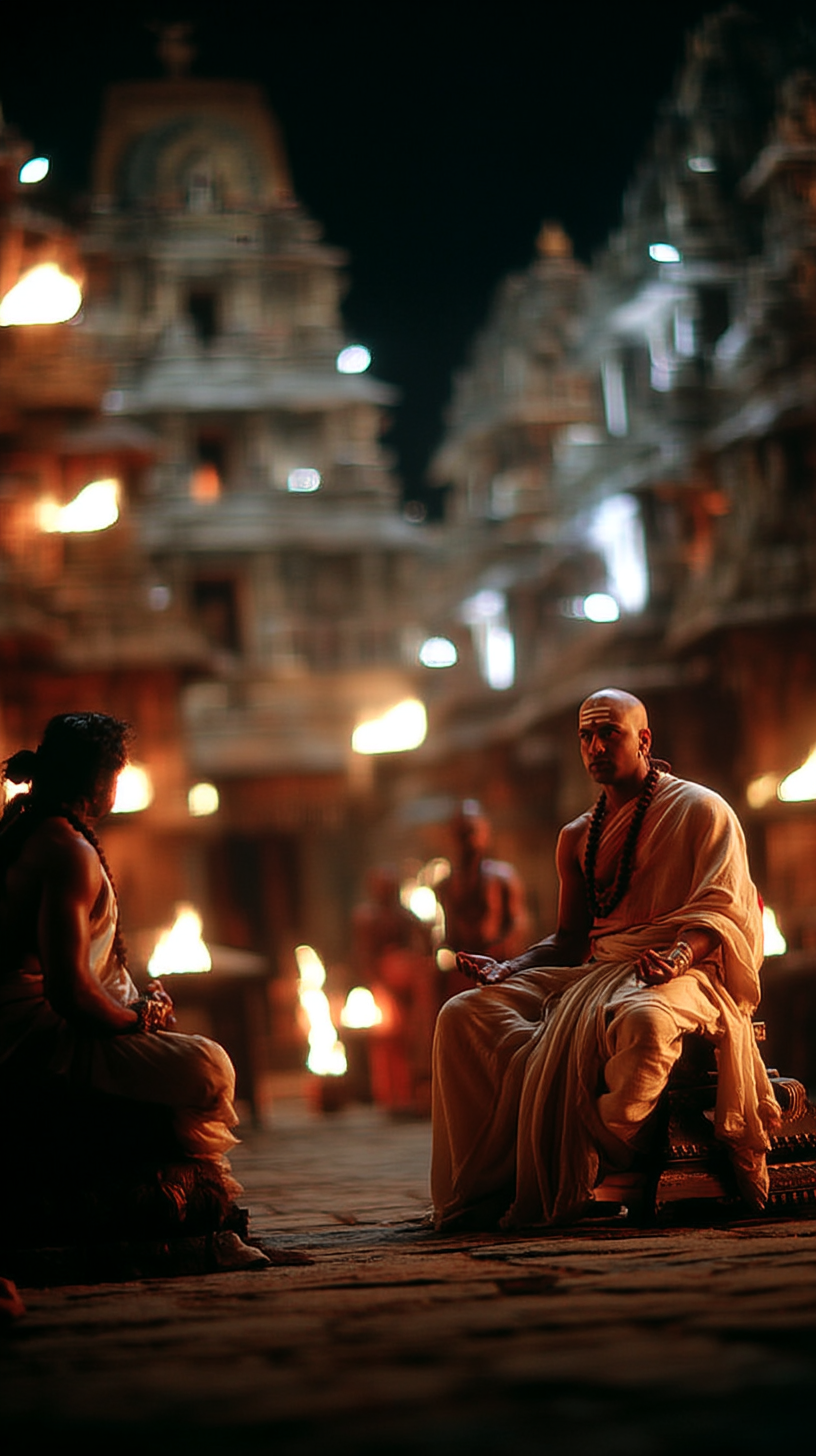
A complete pilgrim record drawn from the existing published article data.

The Genesis: Tracing the Historical Foundation of Bhumara
Ancient Inscriptions and Royal Ties
The inscription references two ruling dynasties, Hastin and Sarvanatha, grounding the temple in a specific historical epoch. It dates the inscription to approximately 484 CE, solidifying the temple's construction within the flourishing period of the Gupta civilization.
The Bhumra inscription serves as a vital historical anchor, connecting the temple's stone foundations to the powerful legacies of ancient Indian kingdoms and their patrons.
Rediscovery and Preservation Efforts
Meticulous work by artists like Wartekar and photographers like Joglekar uncovered evidence of a much larger temple complex. These efforts suggested that Bhumara was an important, albeit partially ruined, center of worship, demanding careful preservation.
Timeline of Bhumara Temple

Architectural Marvels: The Gupta Style
Innovative Temple Plan and Design
Sculptural Grandeur and Iconography
The sculptural narratives at Bhumara are not mere ornamentation; they are eloquent visual sermons, meticulously carved to guide the devotee through a rich tapestry of divine stories and philosophical truths.
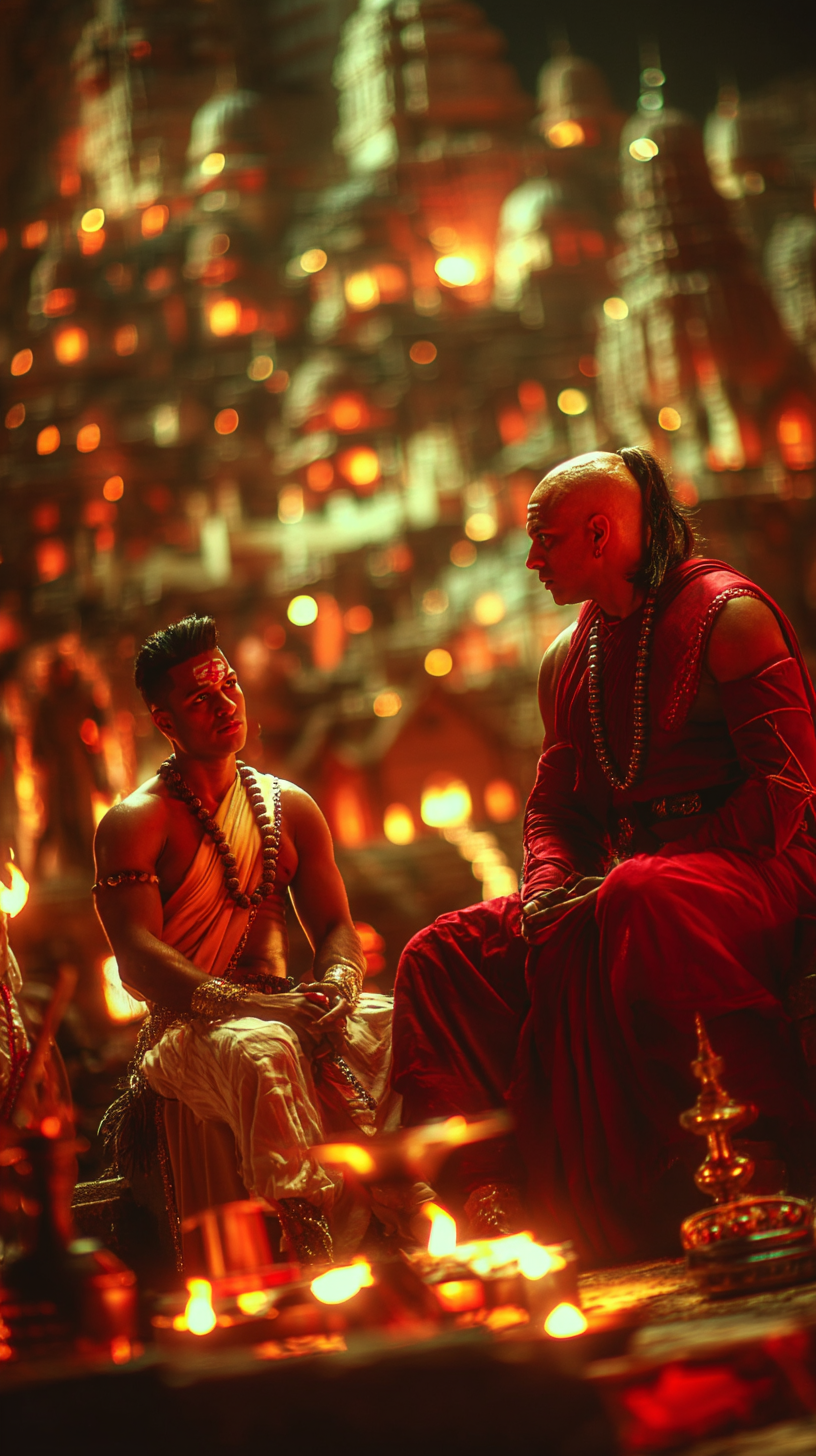
Presiding Deities and Iconography
The Iconic Ekamukha Linga
Lord Shiva (Ekamukha Linga)
As the primary deity of the Bhumara Temple, Shiva is represented through the powerful Ekamukha Linga. This form embodies Shiva's cosmic essence, where the aniconic linga is infused with a realistic human face. It symbolizes creation, preservation, and destruction, representing the dynamic interplay of divine forces in the universe. The Gupta period is renowned for its elegant portrayal of Shiva in such forms, reflecting deep theological understanding.
Early Ganesha and Other Deities
Lord Ganesha
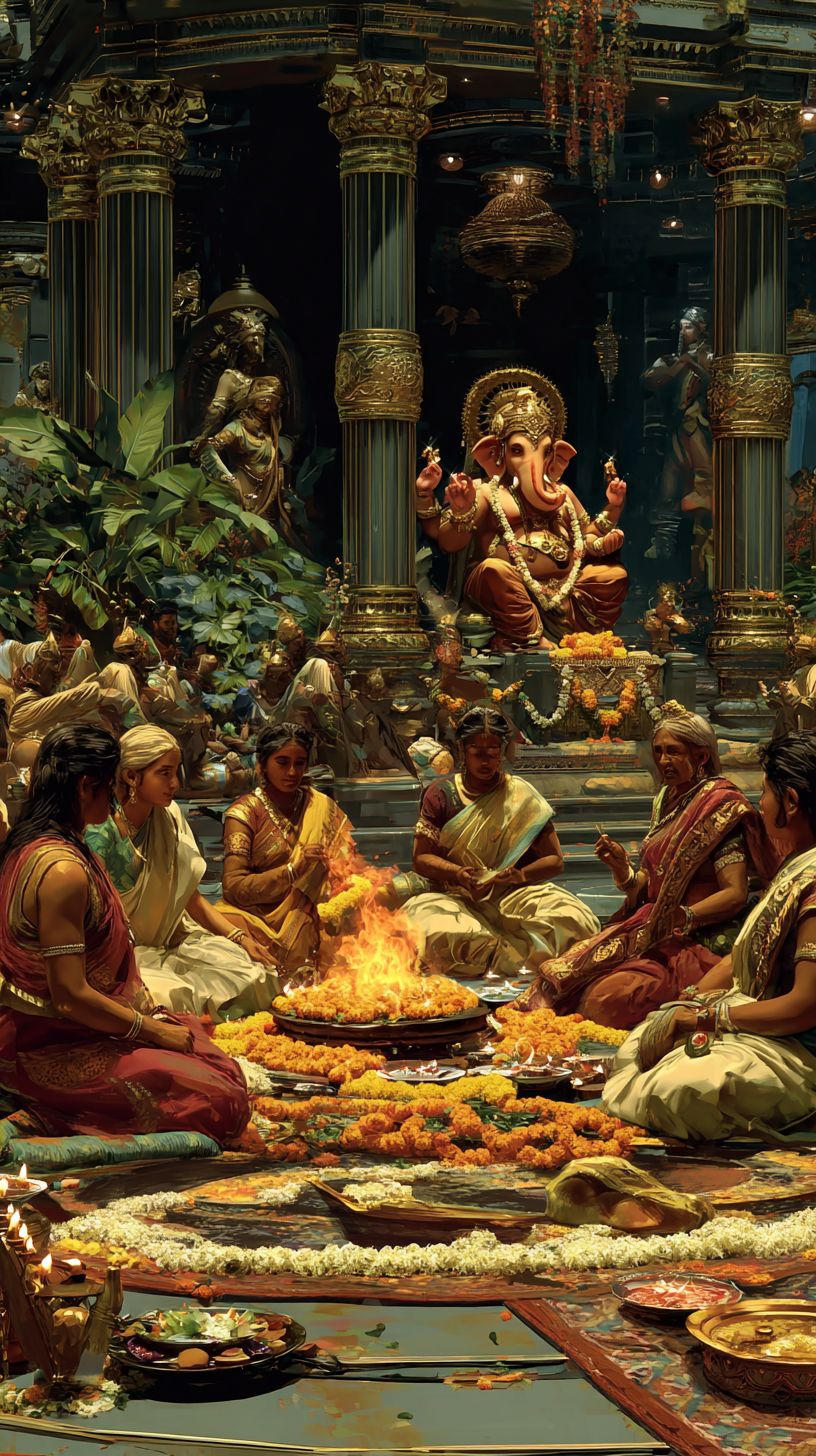
Featured in one of its earliest known stone sculptures, Lord Ganesha at Bhumara holds immense art historical importance. The elephant-headed deity, revered as the remover of obstacles and god of wisdom, appears here in a nascent iconographic form. His presence signifies the growing integration of Puranic deities into formal temple worship during the Gupta period.

Sacred Stories and Ritual Practices
Narratives in Stone: Sculptural Stories
The Story of the River Goddesses
At the entrance to the main sanctum, devotees would have been greeted by the graceful figures of Ganga and Yamuna. This placement is not merely decorative; it tells a story of purification and sacred pilgrimage. These river goddesses symbolize the holy waters that cleanse sins, ensuring that every worshipper embarked on their spiritual journey with a purified mind and body before approaching the divine within.
The Story of Shiva's Cosmic Form
The central Ekamukha Linga tells the profound story of Lord Shiva's multifaceted cosmic reality. By combining the abstract form of the linga with a human face, the sculpture conveys Shiva as both transcendent and immanent, formless and with form. It narrates his role as the supreme being, embodying creation, sustenance, and dissolution, inviting contemplation on the mysteries of the universe.
Ritual Pathways and Community Devotion
A Visitor's Guide to the Ruins of Bhumara
Preserving a Legacy
Planning Your Visit
🗺 How to Reach
Hover a card to animate the journey on the map
Route to Bhumara Temple: Unearthing 6th Century Gupta Art and History
Common Questions
Where is Bhumara Temple: Unearthing 6th Century Gupta Art and History located?
Bhumara Temple: Unearthing 6th Century Gupta Art and History is documented at Allahabad, Uttar Pradesh.
Which deity is associated with Bhumara Temple: Unearthing 6th Century Gupta Art and History?
Bhumara Temple: Unearthing 6th Century Gupta Art and History is associated with Murugan.
Related Temples


A Living Covenant