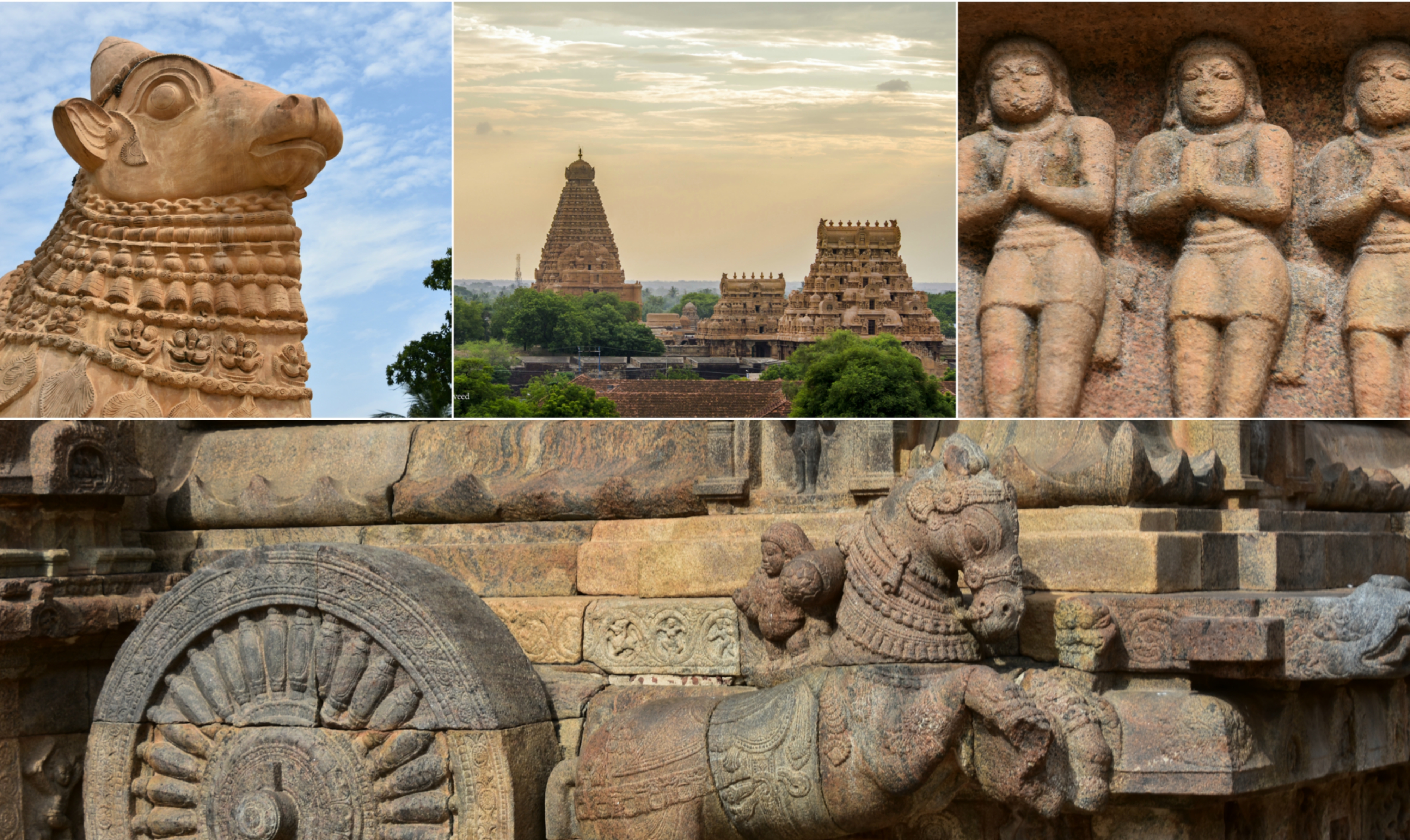
A complete pilgrim record drawn from the existing published article data.
Ancient Roots and Enduring Legacy: The Temple's Historical Journey
The Arunachaleswarar Temple boasts a rich history, with its origins tracing back to antiquity. While the earliest structures are lost to time, significant expansion and renovation efforts by various powerful dynasties have shaped its current form. The Cholas, Pandyas, Hoysalas, and particularly the Vijayanagara emperors, made substantial contributions, adding gopurams, mandapams, and prakarams. This continuous patronage over centuries underscores its enduring cultural and religious importance, preserving its legacy as a vibrant center of Hindu faith and architecture.
Early Dynastic Contributions
The Chola dynasty, from the 9th century onwards, initiated major structural additions. Inscriptions from Raja Raja Chola I and Rajendra Chola I attest to their patronage and endowments to the temple.
Vijayanagara Empire's Influence
The Vijayanagara rulers, particularly Krishnadevaraya, were instrumental in the temple's grand expansion during the 15th and 16th centuries, constructing many of the towering gopurams and elaborate halls seen today.
Dravidian Grandeur: Architectural Marvels of Arunachaleswarar
The Arunachaleswarar Temple exemplifies magnificent Dravidian architecture, a masterpiece of South Indian temple design. Its towering gopurams, particularly the 11-storied Rajagopuram, dominate the skyline, adorned with intricate sculptures. Expansive courtyards, numerous mandapams, and a thousand-pillared hall showcase centuries of artistic and engineering prowess. The temple's unique structural elements, including its massive prakaras and sacred tanks, reflect a sophisticated understanding of sacred geometry and architectural aesthetics, making it a truly awe-inspiring complex.
Towering Gopurams and Entrances
The temple features nine gopurams, with the eastern Rajagopuram being the tallest, standing at approximately 66 meters. These monumental gateways are intricately carved with mythological figures and deities.
Expansive Courtyards and Halls
Within its massive walls, the temple encompasses several courtyards and mandapams, including the thousand-pillared hall (Aayiram Kaal Mandapam) and the Kalyana Mandapam, each displaying exquisite craftsmanship and sculptural detail.
Lord Arunachaleswarar: The Fiery Manifestation of Shiva
The principal deity of the temple is Lord Shiva, worshipped as Arunachaleswarar or Annamalaiyar, signifying his presence as the Lord of the Annamalai Hill. The profound mythology associated with the temple centers on the legend of Shiva manifesting as an infinite column of fire, a Jyotirlingam, to settle a dispute between Brahma and Vishnu. Brahma, seeking the crown, and Vishnu, the feet, failed to find either end of the cosmic pillar, thereby acknowledging Shiva's supreme nature. This divine manifestation established the sacred Arunachala Hill as a potent symbol of Shiva's boundless and fiery form.
The Jyotirlingam Legend
The central myth describes Shiva appearing as an endless pillar of light when Brahma and Vishnu debated their supremacy. This Jyotirlingam solidified Shiva's cosmic power and established the sanctity of Arunachala.
Shiva as Annamalaiyar
The deity is revered as Annamalaiyar, the Lord of the Annamalai Hill. His consort is Goddess Unnamalai Amman. The absence of a lingam in the sanctum, with the hill itself worshipped as Shiva, is unique.
Arunachaleswarar Temple: A Beacon of Spiritual Light
The Arunachaleswarar Temple in Tiruvannamalai stands as a monumental testament to devotion, revered as one of the Pancha Bhoota Sthalams, representing the element of Agni (fire). This ancient complex is a major pilgrimage site dedicated to Lord Shiva, drawing millions of devotees seeking spiritual solace and enlightenment. Its sacred presence is deeply intertwined with the holy Arunachala Hill, believed to be the manifestation of Shiva himself. The temple embodies profound spiritual significance, serving as a powerful center for worship and meditation.
The Fire Element Sthalam
As the Agni Sthalam, Arunachaleswarar Temple symbolizes the fiery aspect of Shiva, believed to burn away ignorance and ego. The sacred Arunachala Hill is considered a natural lingam of fire.
A Major Pilgrimage Destination
Devotees undertake the Girivalam, a barefoot circumambulation of the Arunachala Hill, particularly during Karthigai Deepam, reinforcing the temple's status as a paramount pilgrimage destination for Shiva worshipers.
Planning Your Pilgrimage: Visiting Arunachaleswarar Temple and Beyond
Planning a trip to Arunachaleswarar Temple offers a deeply spiritual and cultural experience. The temple is open from 6:00 AM to 12:30 PM and 4:00 PM to 9:00 PM, with free entry and options for special darshan tickets. October to March is the best time to visit due to pleasant weather. Traditional attire is preferred, and footwear must be removed. Beyond the main temple, visitors can explore other significant sites in Tiruvannamalai, including the Ramana Maharshi Ashram and Seshadri Swamigal Ashram. Local cuisine and accommodation options are readily available, ensuring a comprehensive and enriching visit.
Temple Visit Essentials
Visitors should note the temple timings and dress code. The Girivalam (circumambulation of Arunachala Hill) is a significant ritual, particularly popular during full moon days and the Karthigai Deepam festival.
Exploring Tiruvannamalai
Beyond the Arunachaleswarar Temple, Tiruvannamalai offers spiritual retreats like Ramana Maharshi Ashram and Seshadri Swamigal Ashram. The town also provides various local eateries serving traditional South Indian fare and guesthouses for stay.
| Deity | Shiva (Arunachaleswarar) |
|---|---|
| Form | Lingam (Agni Lingam) |
| Consort | Parvati (Unnamalai Amman) |
| Sampradaya | Shaivism |
| Significance | Embodiment of the Agni Lingam, representing the element of fire, and one of the Pancha Bhoota Stalam. |
The Infinite Column of Light
A great dispute arose between Brahma and Vishnu over who was supreme. To settle this, Lord Shiva manifested as an infinite column of fire, the Agni Lingam, whose ends neither could find. Brahma, as a swan, flew upwards, and Vishnu, as a boar, delved downwards, but both failed to reach its limits. Realizing Shiva's boundless supremacy, they bowed before Him. This divine manifestation is believed to have occurred at Tiruvannamalai, where Shiva embodied the sacred Arunachala hill itself, symbolizing the element of fire.
Arunachala is the heart of the world, the sacred hill where Shiva manifested as an infinite column of fire.
To behold Arunachala is to behold Shiva. To circumambulate the hill is to walk the path of liberation.
🗺 How to Reach
Hover a card to animate the journey on the map
Verified routes to Arunachaleswarar Temple Tiruvannamalai: Nearby Temples and Attractions: Day Trip Ideas
Common Questions
Where is Arunachaleswarar Temple: Nearby Day Trip Wonders located?
Arunachaleswarar Temple: Nearby Day Trip Wonders is documented at Tamil Nadu.
Which deity is associated with Arunachaleswarar Temple: Nearby Day Trip Wonders?
Arunachaleswarar Temple: Nearby Day Trip Wonders is associated with Shiva.