
A complete pilgrim record drawn from the existing published article data.
Tracing the Legacy: The History of Arjuna Ratha
The historical backdrop of Arjuna Ratha places its construction firmly in the 7th century under the powerful Pallava dynasty. This monument is unique for being a stone replica of earlier wooden prototypes, a common architectural transition during that era. Its completion likely predates the larger Dharmaraja Ratha, suggesting its role as an early experimental phase in monolithic temple carving. This historical context illuminates the innovative spirit of Pallava artisans, who skillfully transformed perishable materials into enduring stone monuments, laying the groundwork for future temple architecture.
7th-Century Origins
Arjuna Ratha was constructed during the 7th century, a period marked by the powerful Pallava dynasty's reign.
Wooden Prototypes to Stone
It represents a significant architectural shift, replicating earlier wooden structures in durable stone.
Early Experimental Phase
Its construction likely preceded Dharmaraja Ratha, indicating its place in the early experimental stages of monolithic temple carving.
Dravidian Grandeur: Unraveling Arjuna Ratha's Design
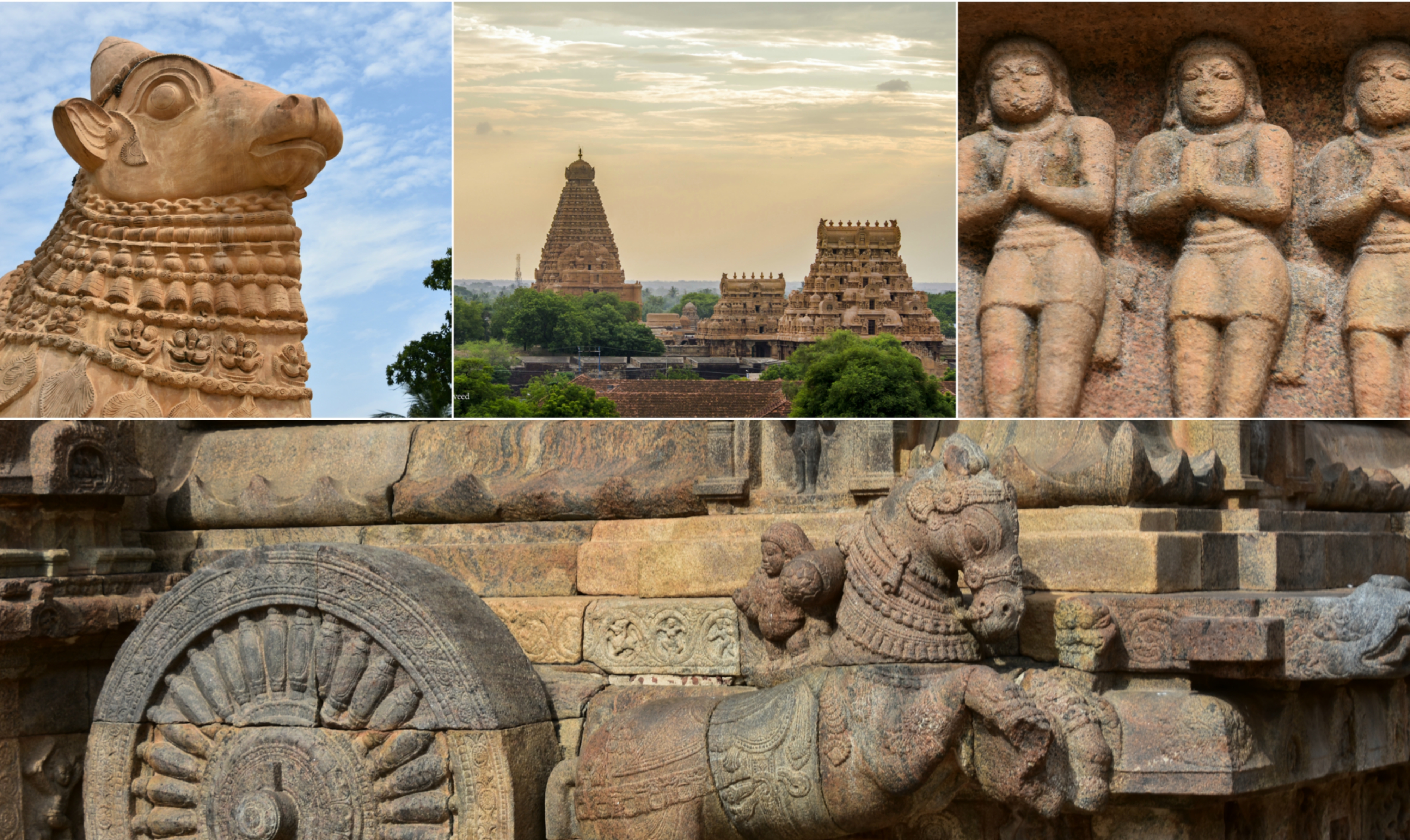
Arjuna Ratha's architectural features classify it firmly within the Dravidian style. Its monolithic nature, carved meticulously from a single large rock, exemplifies the exceptional skill of Pallava sculptors. The structure strikingly resembles a chariot (ratha), featuring distinct elements like a small portico. Its exterior is adorned with intricate carvings of deities, mythical creatures, and human figures. This ratha functions as a miniature temple, embodying the nascent stages of South Indian temple architecture and providing a blueprint for larger, more complex structures to come.
Monolithic Dravidian Style
Carved from a single rock, the ratha showcases the early Dravidian architectural style and Pallava sculptural mastery.
Chariot-like Form
Its design mimics a chariot (ratha), complete with a small portico, reflecting a unique architectural concept.
Intricate Sculptural Details
The exterior features detailed carvings of deities, mythical beings, and human figures, enriching its aesthetic and narrative.
Lord Shiva and the Spiritual Essence of Arjuna Ratha
The religious significance of Arjuna Ratha primarily stems from its dedication to Lord Shiva. The prominent presence of Shiva, a principal deity in Hinduism, reflects the strong Shaivite leanings of the Pallava rulers. Although named after Arjuna from the Mahabharata, its core religious function was the worship of Shiva. The ratha features symbolic iconography and forms of Shiva, connecting this architectural marvel to its spiritual purpose and the devotional practices prevalent in the 7th century, showcasing the deep religious convictions embedded in Pallava art.
Dedicated to Shiva
Arjuna Ratha is primarily dedicated to Lord Shiva, aligning with the Shaivite traditions favored by the Pallava dynasty.
Name vs. Deity
Despite its name, the ratha's spiritual purpose was centered on the worship of Shiva, not the Mahabharata hero Arjuna.
Iconography and Symbolism
The ratha displays various forms and iconography of Shiva, highlighting its spiritual essence and 7th-century devotional practices.
Planning Your Pilgrimage to Mahabalipuram
When planning a visit to Mahabalipuram, it is advisable to consider the cooler months, typically from October to March, for a more comfortable experience in this coastal town. Given the extensive nature of the UNESCO World Heritage site, including Arjuna Ratha and the other Pancha Rathas, comfortable attire and sturdy footwear are highly recommended for exploration. The site is generally accessible, offering an unparalleled opportunity to immerse oneself in a rich tapestry of ancient Indian art and history. Allocate sufficient time to appreciate the intricate details and historical depth of each monument.
Best Time to Visit
The cooler months, from October to March, are ideal for visiting Mahabalipuram to avoid intense heat and humidity.
Attire and Exploration
Wear comfortable clothing and footwear suitable for walking and exploring the extensive archaeological site.
Experiencing the Heritage
Allow ample time to fully appreciate the intricate details and historical significance of Arjuna Ratha and the surrounding monuments.
| Deity | Shiva |
|---|---|
| Form | Shivalinga (implied, as the shrine is empty) |
| Consort | Parvati |
| Sampradaya | Shaivism |
| Significance | The Arjuna Ratha is a monolithic rock-cut temple dedicated to Shiva, representing a chariot. It stands as a prime example of early Pallava architecture and sculptural artistry, part of the UNESCO World Heritage site of Mahabalipuram. |
The Chariot of Stone for the Ascetic God
While named after the Pandava hero Arjuna, the Arjuna Ratha is architecturally dedicated to Lord Shiva. This monolithic structure, carved entirely from a single granite boulder, was envisioned by the Pallava artisans as a divine chariot for Shiva. The Pallavas, under King Narasimhavarman I, embarked on the ambitious project of carving these 'rathas' (chariots) directly from the living rock, demonstrating unparalleled skill. Though never consecrated or completed as a functional temple, the Arjuna Ratha stands as a testament to the Pallava dynasty's artistic vision and their devotion to sculpting the divine into tangible, enduring forms.
From a single rock, the Pallava sculptors carved a divine chariot, an enduring tribute to the ascetic Lord Shiva.
These monolithic chariots stand not as mere structures, but as silent poets of stone, narrating tales of ancient devotion and artistic prowess.
Arjuna Ratha: A Glimpse into Pallava Artistry
Arjuna Ratha stands as a pivotal monument within the Pancha Rathas complex in Mahabalipuram, Tamil Nadu. Originating in the 7th century, it is a prime example of early Dravidian rock-cut architecture. This monolithic structure, dedicated to Lord Shiva, showcases the Pallava dynasty's profound artistic and religious patronage. It offers a unique window into ancient Indian temple building techniques and sculptural traditions, drawing visitors globally to witness its historical and cultural significance. The ratha exemplifies the transition from wooden structures to enduring stone monuments, representing a crucial phase in South Indian architectural evolution.
Location and Context
Situated within the UNESCO World Heritage site of Mahabalipuram, Arjuna Ratha is part of the famed Pancha Rathas, a group of five monolithic temples.
Architectural Significance
As a 7th-century monolithic structure carved from a single rock, it is a key example of early Dravidian rock-cut architecture.
Pallava Patronage
Its dedication to Lord Shiva underscores the Pallava dynasty's artistic prowess and religious devotion.
🗺 How to Reach
Hover a card to animate the journey on the map
Verified routes to Arjuna Ratha
Common Questions
Where is Arjuna Ratha: Marvel of Pallava Rock-Cut Architecture located?
Arjuna Ratha: Marvel of Pallava Rock-Cut Architecture is documented at Tirukalikundram, Tamil Nadu.
Which deity is associated with Arjuna Ratha: Marvel of Pallava Rock-Cut Architecture?
Arjuna Ratha: Marvel of Pallava Rock-Cut Architecture is associated with Shiva.