A complete pilgrim record drawn from the existing published article data.
Tracing the Ancient Roots of Anbilalanturai
The history of Anbilalanturai Temple dates back to the 7th century CE, making it one of the oldest Shiva temples in the region. Its origins are intertwined with the early Pallava and later, the mighty Chola dynasties, who contributed significantly to its expansion and maintenance. Numerous inscriptions found within the temple complex provide valuable historical data, chronicling the temple's evolution, the grants it received, and the various rulers who patronized it. These records underscore its continuous importance as a center of worship and cultural activity throughout different historical periods.
Early Origins
The temple's foundation is believed to have been laid in the 7th century CE, predating much of the later Chola additions.
Chola Patronage
The Chola kings, known for their temple building, made substantial contributions to the temple's structure and endowments, ensuring its grandeur and longevity.
Historical Inscriptions
Inscriptions on the temple walls offer detailed accounts of its history, including royal decrees, land grants, and the names of benefactors, providing a rich historical context.
Chola Grandeur: The Architecture of Anbilalanturai
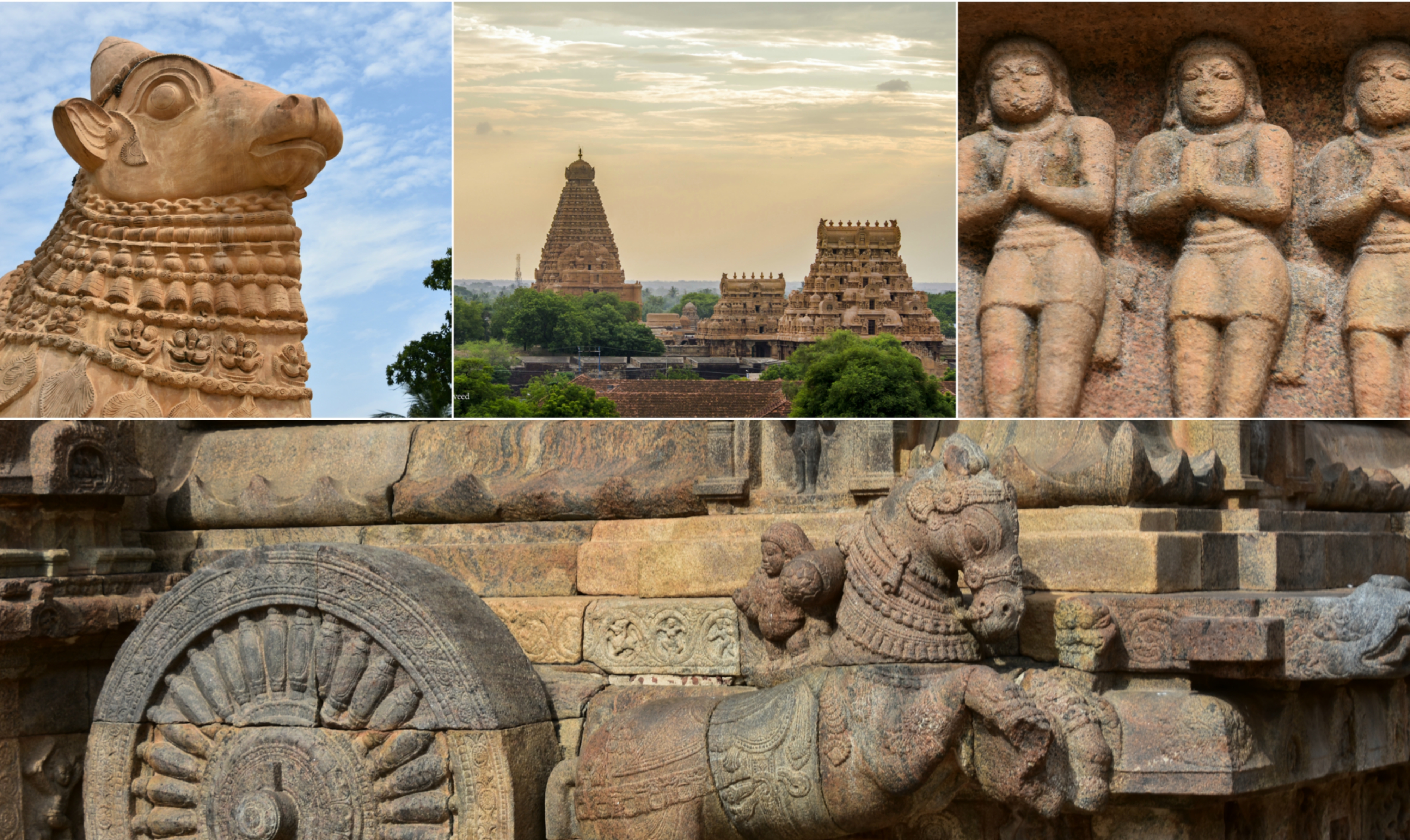
Anbilalanturai Temple stands as a prime example of the distinctive Chola architectural style. Constructed primarily from granite, the temple features robust structures and intricate sculptural details. The multi-tiered vimana (tower over the sanctum) is characteristic of the Chola period, showcasing meticulous craftsmanship. The temple complex typically includes a garbhagriha (sanctum sanctorum), an ardhamandapa (ante-chamber), and a mahamandapa (main hall), all adorned with exquisite carvings of deities, mythological figures, and floral motifs. These elements collectively reflect the artistic and engineering prowess of the Chola artisans.
Structural Elements
The temple is built predominantly with durable granite, a hallmark of Chola construction, ensuring its resilience over centuries.
Intricate Carvings
Detailed sculptures of various Hindu deities, mythical creatures, and narrative panels adorn the walls and pillars, showcasing Chola artistic mastery.
Vimana and Mandapas
The temple features a classic Chola vimana and a series of mandapas (ardhamandapa, mahamandapa) that lead to the main shrine, reflecting a well-planned layout.
Sathyavaheeswarar: The Presiding Deity of Anbilalanturai
At Anbilalanturai, Lord Shiva is revered as Sathyavaheeswarar, a name that embodies the essence of truth and righteousness. The primary object of worship is the Shiva lingam housed within the garbhagriha, symbolizing the formless divine. Devotees participate in daily pujas and abhishekam (ritual bathing of the deity) as acts of devotion. The spiritual significance of Sathyavaheeswarar lies in the belief that worshipping this form of Shiva bestows blessings for honesty, integrity, and spiritual enlightenment, guiding devotees towards a life rooted in truth. The temple maintains ancient traditions of worship.
The Name Sathyavaheeswarar
Sathyavaheeswarar translates to 'Lord of Truth', reflecting the deity's association with honesty and moral uprightness.
Worship Practices
Traditional worship includes daily pujas, abhishekam with various sacred substances, and offerings, performed according to ancient Agamic rites.
Spiritual Significance
Devotees believe that worshipping Sathyavaheeswarar helps in attaining truthfulness, dispelling falsehoods, and fostering spiritual purity in one's life.
Anbilalanturai Temple: A Glimpse into Chola Heritage
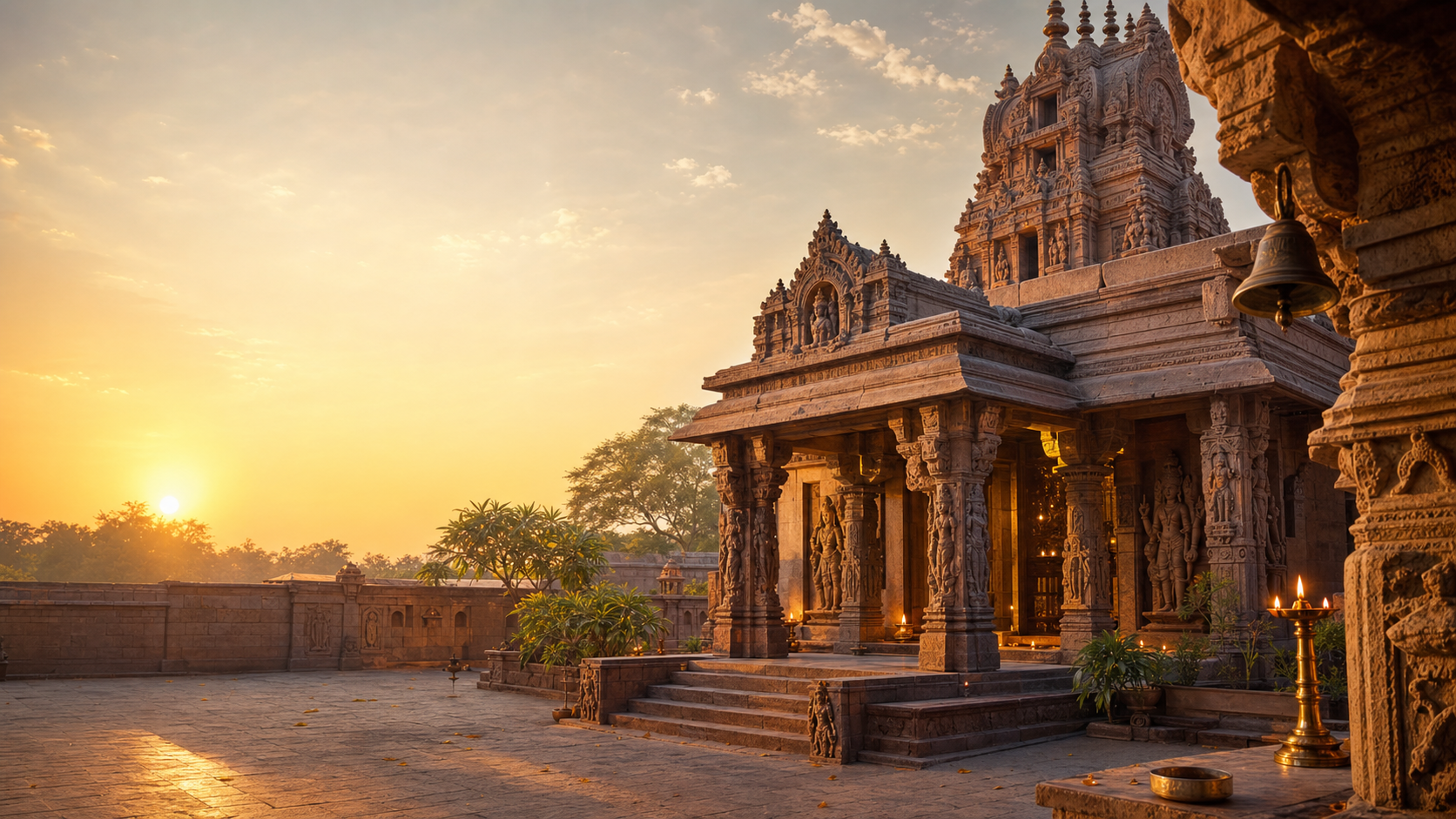
The Anbilalanturai Temple, dedicated to Lord Shiva as Sathyavaheeswarar, is a revered Hindu shrine situated on the southern banks of the Kollidam River in Tamil Nadu. Located near Lalgudi, this ancient temple is a significant example of Chola architecture and religious devotion. It stands as a testament to centuries of spiritual practice and royal patronage, offering visitors a profound connection to the region's rich historical and cultural landscape. The temple's serene environment, nestled amidst fertile lands, further enhances its spiritual appeal.
Location and Setting
The temple is located in Anbil, a village near Lalgudi in Tiruchirappalli district, Tamil Nadu. Its proximity to the Kollidam River enhances its sacred ambiance.
Main Deity and Significance
Lord Shiva is worshipped here as Sathyavaheeswarar, meaning 'Lord of Truth'. The temple's name reflects its deep spiritual meaning and connection to ancient traditions.
Chola Legacy
Anbilalanturai is renowned for its strong ties to the Chola dynasty, whose kings were instrumental in its construction and renovation, leaving an indelible mark on its architecture and inscriptions.
Visiting Anbilalanturai: Essential Information for Pilgrims
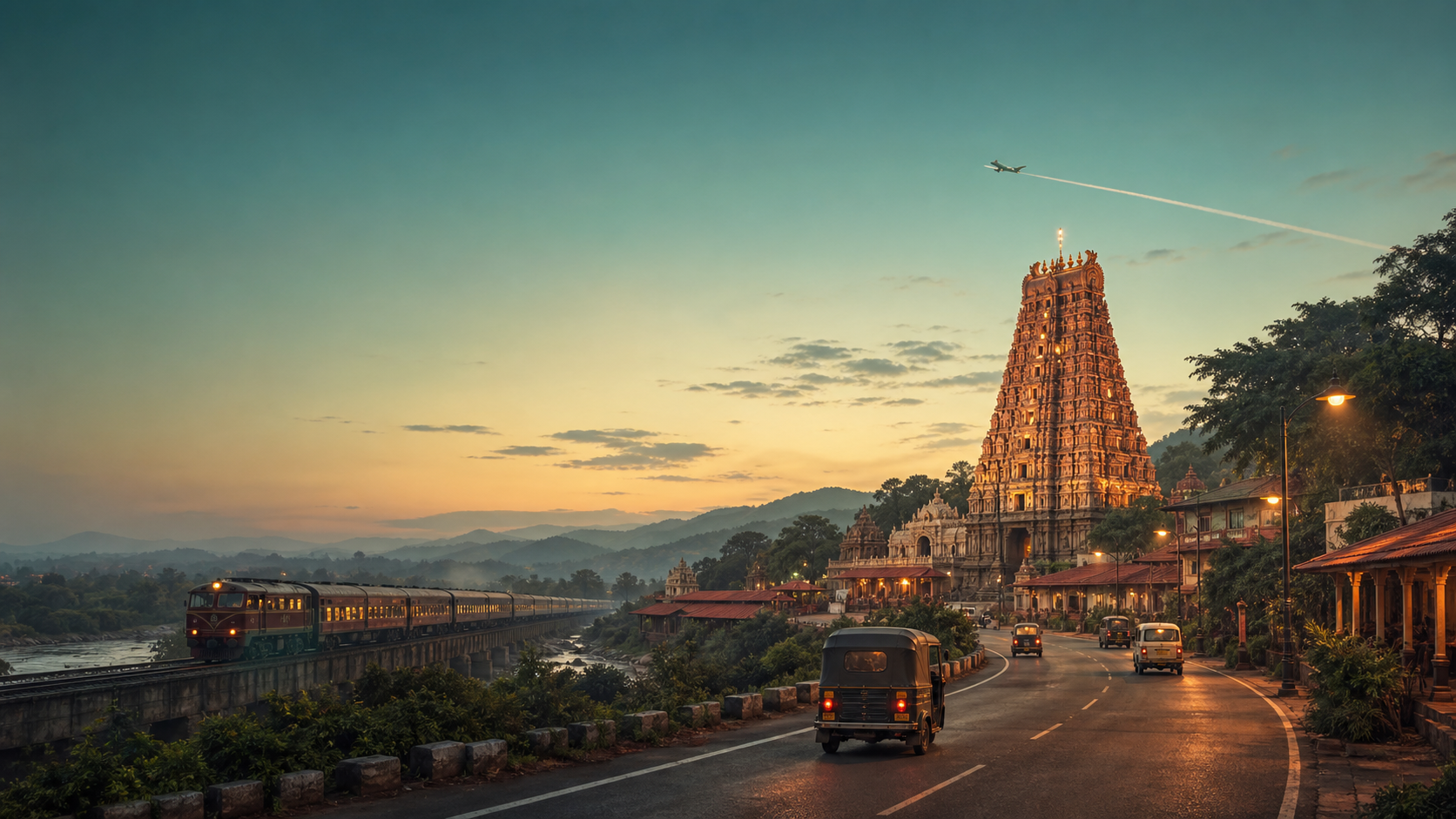
The Anbilalanturai Temple is located approximately 5 km from Lalgudi Bus Stand and Lalgudi Railway Station, making it easily accessible. It is also about 30 km from Tiruchirappalli International Airport. Visitors can reach the temple via local buses, auto-rickshaws, or private vehicles. The temple is open during specific hours, typically from 6:00 AM to 12:30 PM and 4:00 PM to 9:00 PM. Entry is free. It is advisable to wear traditional or modest attire and remove footwear before entering the temple premises. A visit usually takes 1-2 hours. The cooler months from October to March are considered the best time for a comfortable visit.
Location and Access
The temple is conveniently located near Lalgudi, with good road and rail connectivity from major cities like Tiruchirappalli.
Visitor Guidelines
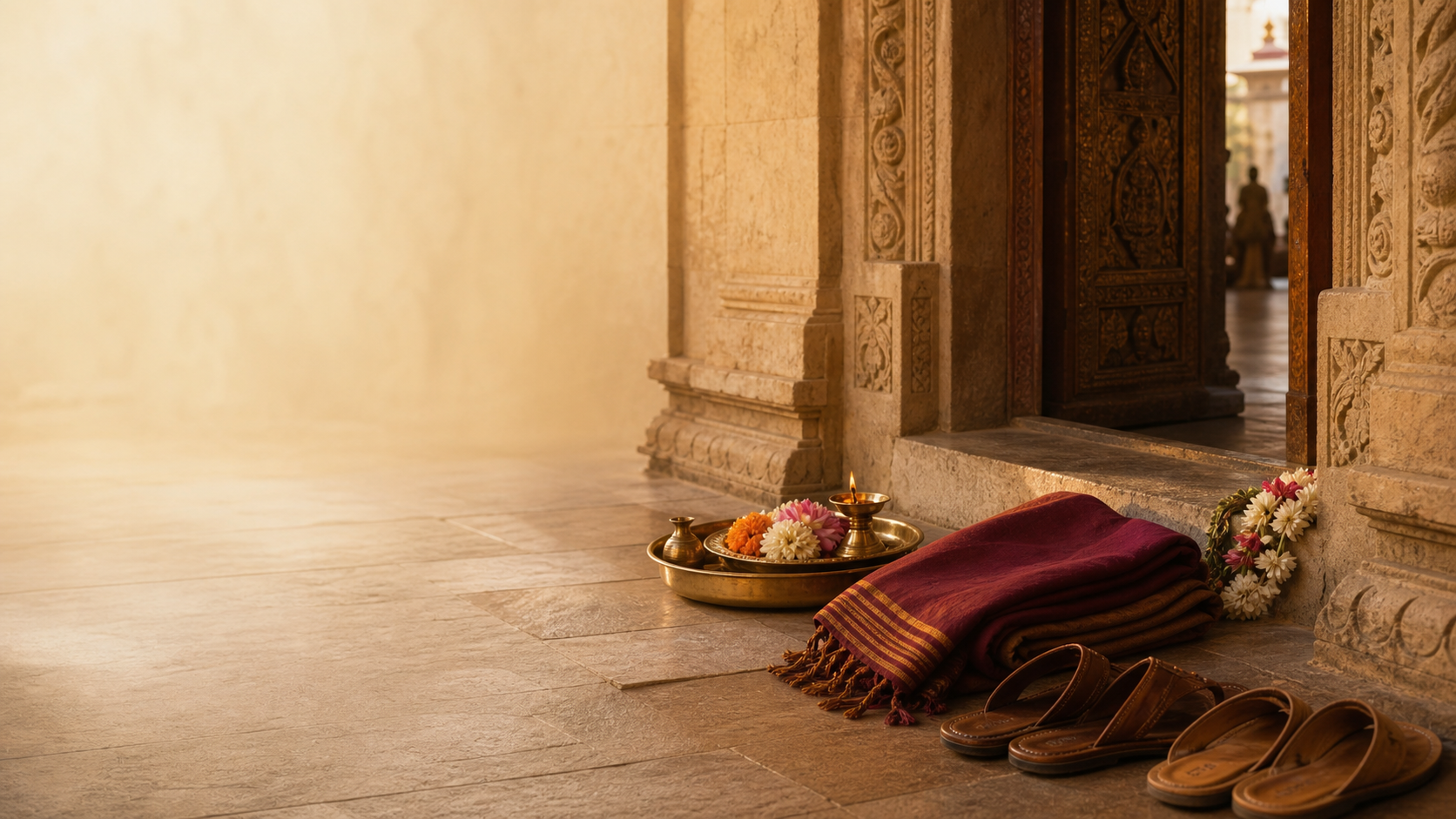
Modest dress is preferred, and footwear must be removed before entering. Photography may be restricted in certain areas. Plan for 1-2 hours for a complete visit.
Best Time to Visit
The period from October to March offers pleasant weather, ideal for exploring the temple and its surroundings without the discomfort of extreme heat.
| Deity | Shiva |
|---|---|
| Sampradaya | Hindu |
| Significance | The supreme being in Shaivism, known as the destroyer and transformer within the Trimurti. |
The Eternal Dance of Shiva
Lord Shiva, the cosmic dancer, is revered as Nataraja, whose Tandava dance symbolizes the creation, preservation, and dissolution of the universe. Devotees believe that his presence at temples like Anbilalanturai continuously blesses the world with divine energy, reminding them of the cyclical nature of existence and the ultimate liberation. His benevolent gaze offers solace and spiritual upliftment to all who seek his refuge.
Where the divine presence of Shiva bestows peace and liberation.
Experience the timeless devotion in the heart of Tamil Nadu.
🗺 How to Reach
Hover a card to animate the journey on the map
Verified routes to Anbilalanturai
Common Questions
Where is Anbil Alanthurai: Ancient Shiva Shrine by Kollidam River located?
Anbil Alanthurai: Ancient Shiva Shrine by Kollidam River is documented at Lalgudi, Tamil Nadu.
Which deity is associated with Anbil Alanthurai: Ancient Shiva Shrine by Kollidam River?
Anbil Alanthurai: Ancient Shiva Shrine by Kollidam River is associated with Shiva.