A complete pilgrim record drawn from the existing published article data.
The Chola Architectural Genius: Artistry of Airavatesvara
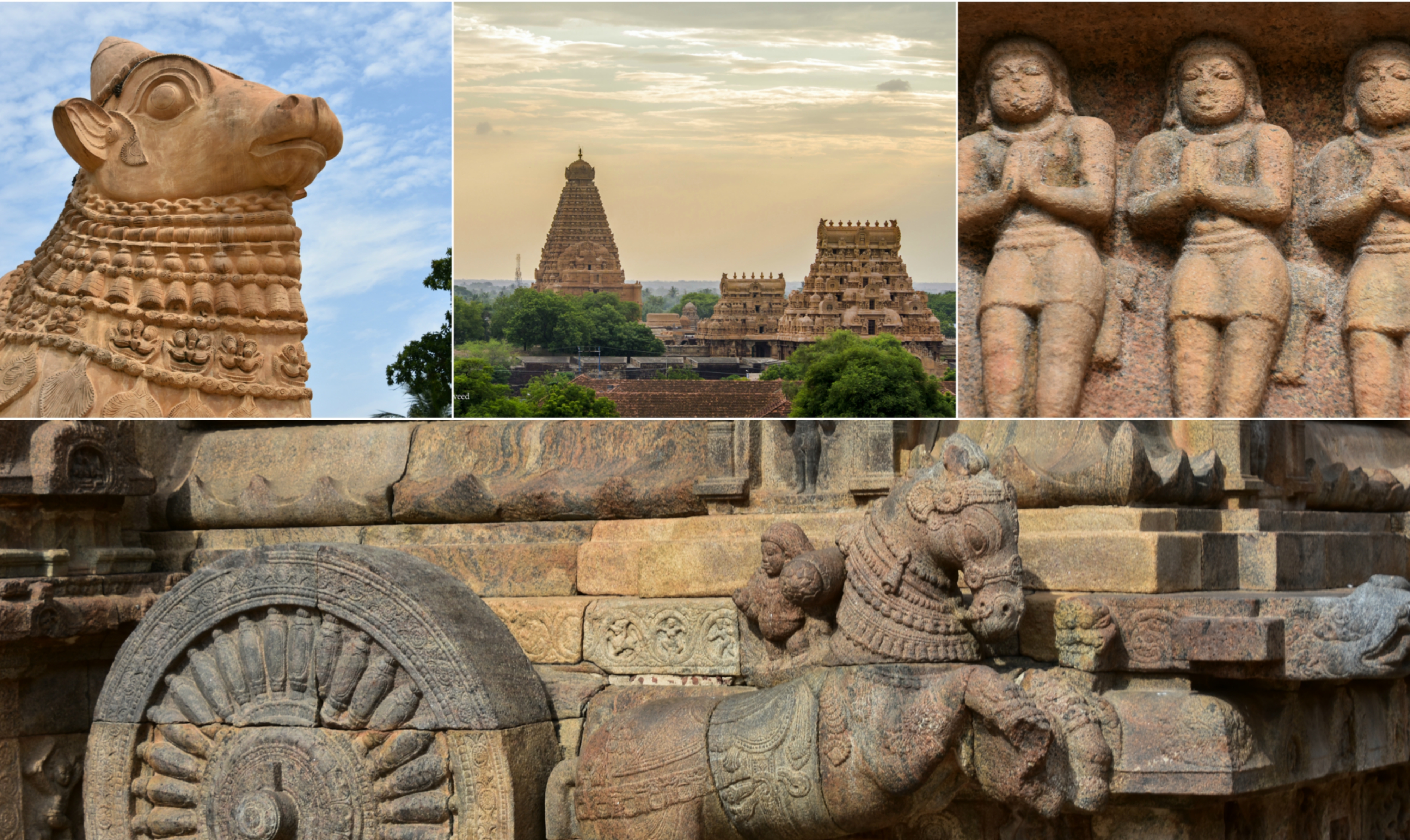
Airavatesvara Temple is a prime example of Dravidian architecture, distinguished by its intricate details and innovative features. The main mandapa (hall) is designed to resemble a chariot, complete with carved wheels and horses, a unique aspect of Chola temple design. Its walls are adorned with thousands of miniature sculptures depicting various mythological tales, celestial beings, and daily life scenes. A notable feature is the 'musical steps' at the entrance, which produce different musical notes when struck. The temple's iconography is rich, showcasing a deep understanding of Hindu mythology and artistic expression.
The Chariot Mandapa
The temple's front mandapa is ingeniously sculpted as a chariot, drawn by elephants and horses, a hallmark of its design.
Sculptural Narratives
Every surface is covered with intricate carvings, narrating epics, legends, and portraits of Chola kings and queens.
Musical Steps and Innovations
The famous musical steps at the entrance demonstrate the advanced acoustic knowledge of Chola artisans.
Lord Shiva and the Elephant's Tale: Mythology of Airavatesvara
The Airavatesvara Temple is primarily dedicated to Lord Shiva, revered here as Airavatesvara Mahadeva. The temple's name is derived from the legend of Airavata, the white elephant mount of Lord Indra. According to mythology, Airavata was cursed by Sage Durvasa, causing its skin to lose its pristine white color. It regained its original complexion after bathing in the temple tank and worshipping Lord Shiva here. This legend is intricately carved into the temple's walls, alongside numerous other mythological stories from Hindu scriptures, depicting various forms of Shiva and other deities.
The Airavata Legend
The temple's name and central legend revolve around Airavata, Indra's white elephant, who worshipped Shiva here to cure a curse.
Lord Shiva as Deity
The primary deity, Lord Shiva, is worshipped in the form of a lingam, central to the temple's spiritual practice.
Mythological Depictions
Sculptures throughout the temple vividly illustrate tales of Shiva, other gods, and ancient Hindu epics.
Experiencing Airavatesvara: Rituals, Darshan, and Visitor Information
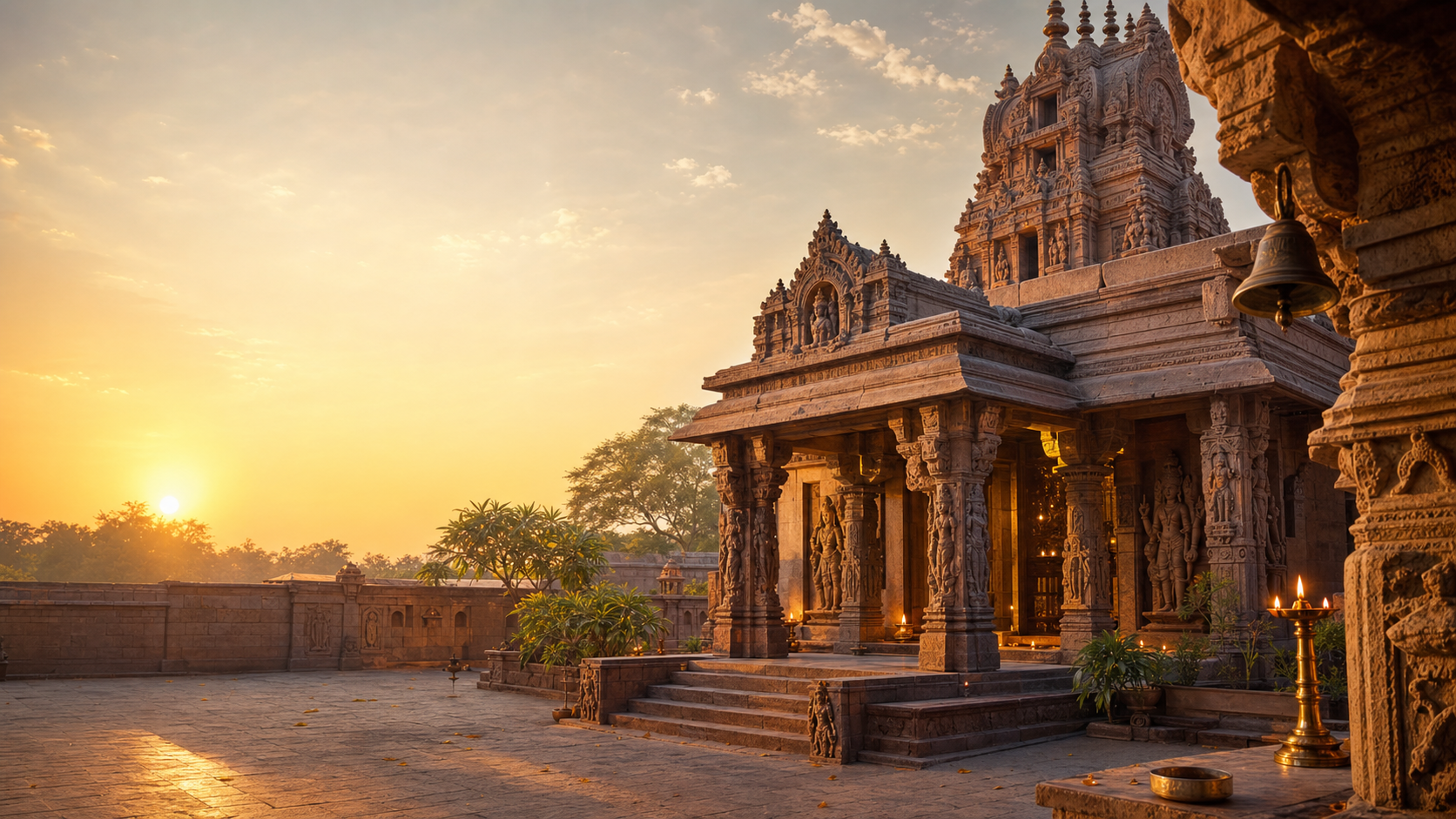
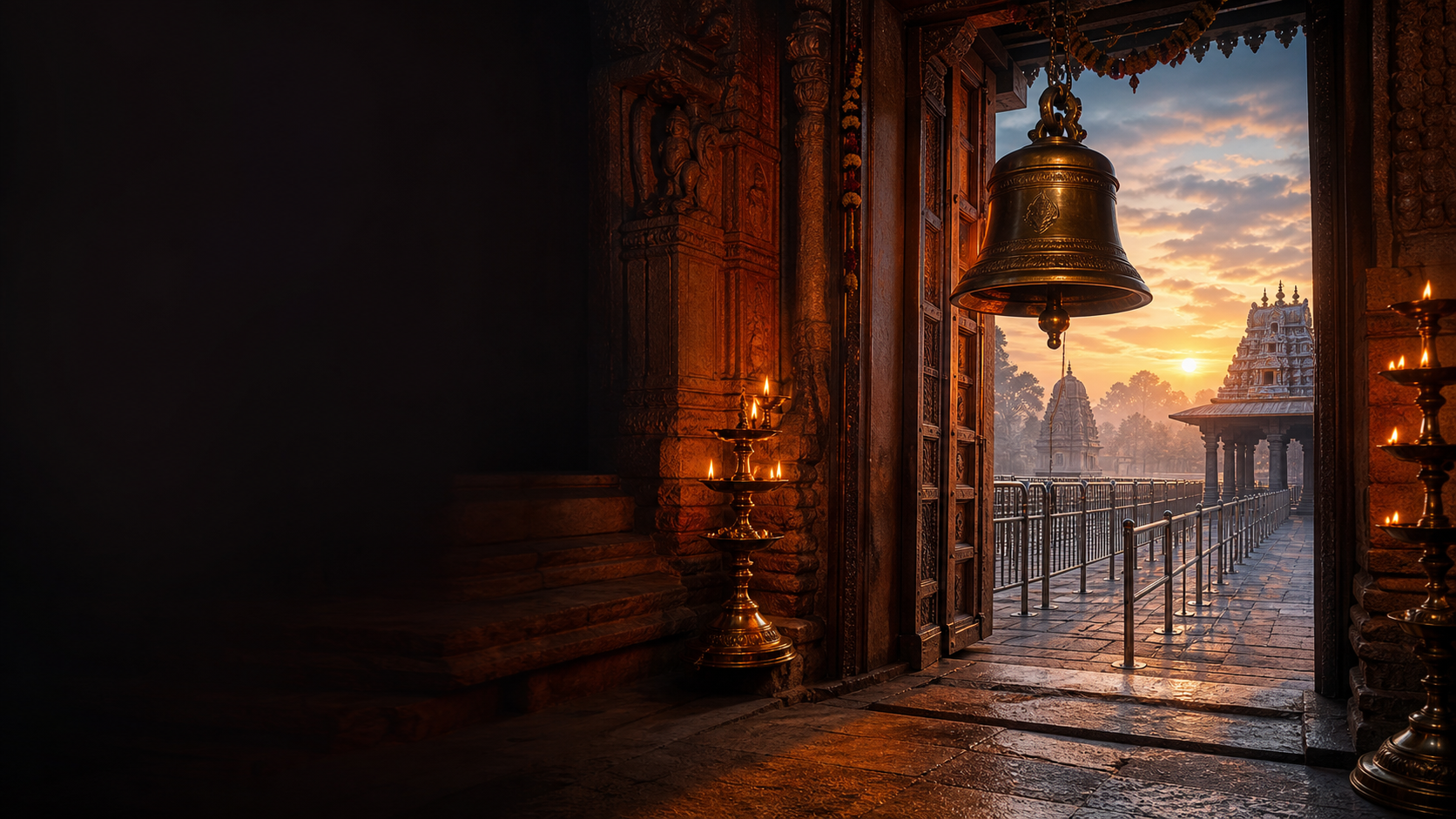
Visiting Airavatesvara Temple offers a profound spiritual and cultural experience. The temple is open for darshan from 6:00 AM to 12:30 PM and again from 4:00 PM to 9:00 PM. Entry is free for all visitors. During your visit, it is customary to remove footwear before entering the temple premises and to dress in traditional or modest attire. Photography is generally permitted in the outer courtyards but may be restricted inside the sanctum. The best time to visit is between October and March, when the weather is most pleasant. Allow 1-2 hours to fully appreciate the temple's intricate details and serene atmosphere.
Darshan Timings and Entry
The temple operates with specific morning and evening hours for devotees and visitors; entry is complimentary.
Temple Etiquette
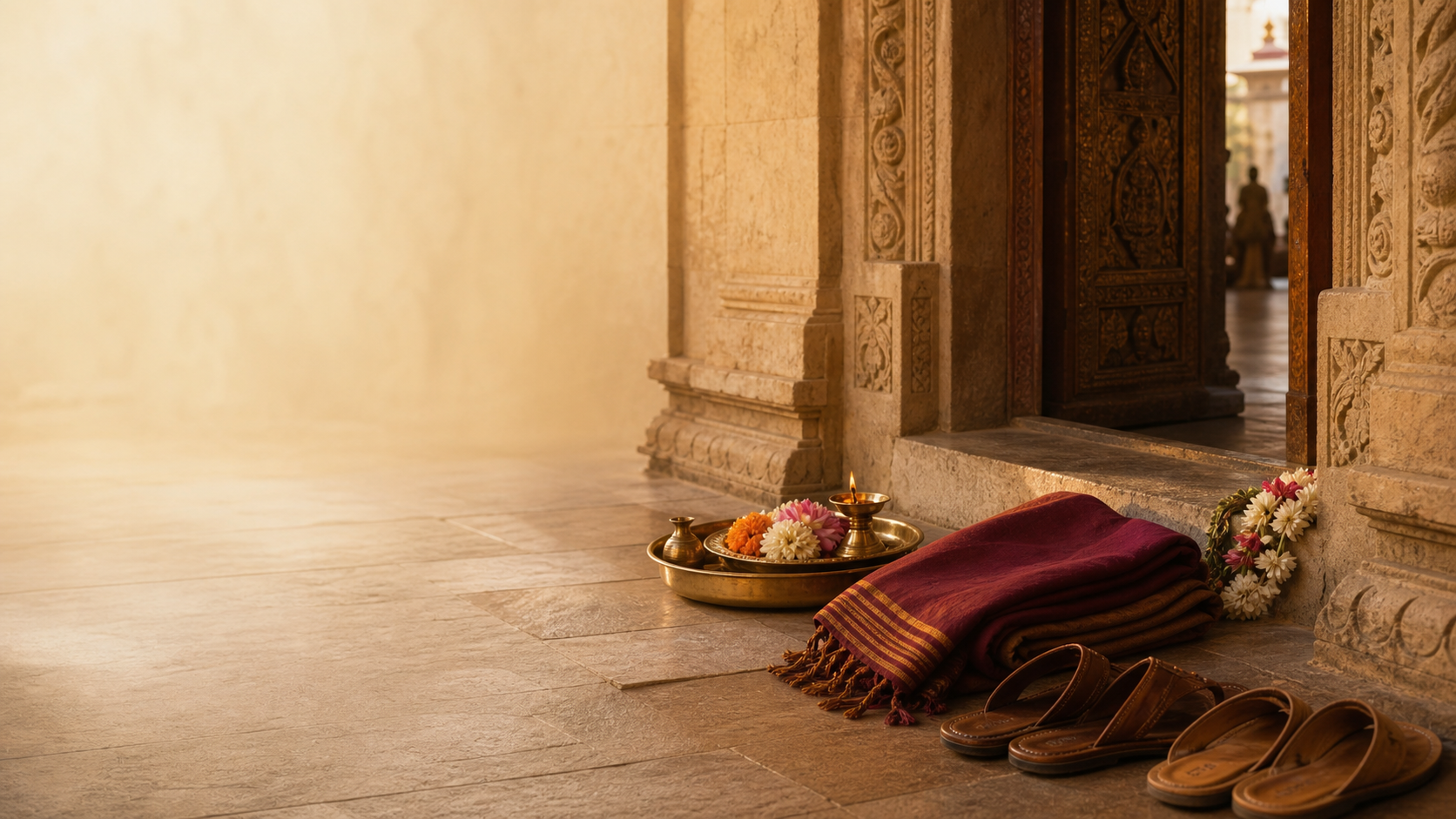
Visitors are expected to remove shoes and dress modestly, respecting the sanctity of the religious site.
Best Time to Visit
The cooler months from October to March provide ideal weather conditions for exploring the temple complex comfortably.
| Deity | Shiva |
|---|---|
| Form | Shiva is often worshipped in the aniconic form of a Lingam, representing his cosmic creative and destructive power. He is also depicted in anthropomorphic forms such as Nataraja, the cosmic dancer, or as a meditating ascetic. |
| Consort | Parvati |
| Sampradaya | Shaivism |
| Significance | As one of the principal deities of Hinduism, Shiva is known as 'The Destroyer' within the Trimurti, yet he also embodies creation, preservation, and regeneration. He is the supreme being in Shaivism, revered as the ultimate reality. |
The Elephant's Absolution
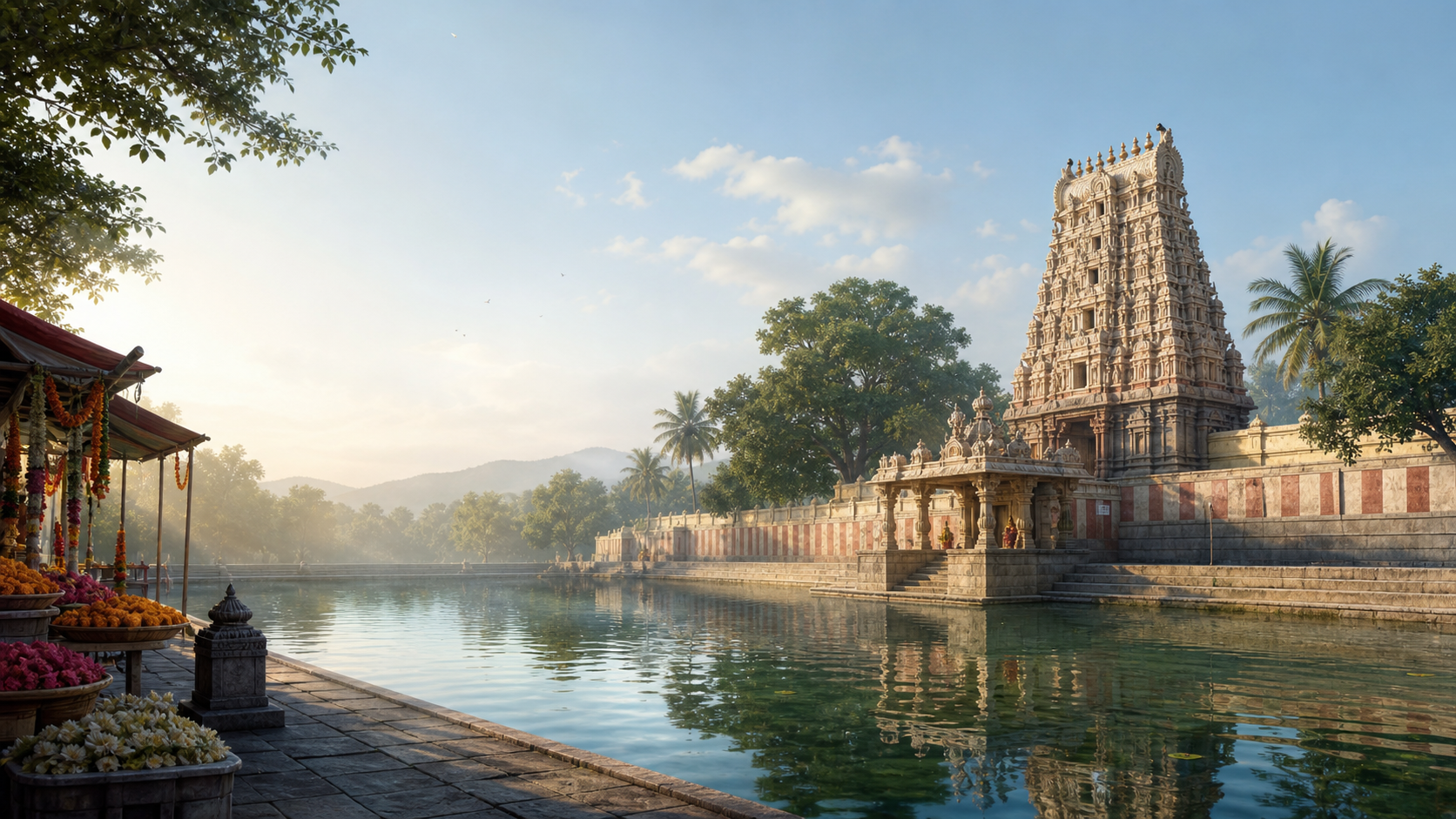
Legend has it that Airavata, the white elephant mount of Lord Indra, was cursed by Sage Durvasa, causing its skin to turn black. To regain its pristine white color, Airavata worshipped Lord Shiva at this very spot. Pleased with its devotion, Shiva restored Airavata's original complexion. The temple's name, Airavatesvara, literally means 'Lord of Airavata,' commemorating this divine event. Another legend tells of Yama, the god of death, who was cured of a burning sensation by bathing in the temple tank after worshipping Shiva here.
Every stone narrates a tale, every carving sings a hymn. The Airavatesvara Temple is a symphony in stone.
Witness the divine dance of Shiva, etched eternally in the granite walls, a timeless tribute to devotion and art.
A Legacy Etched in Stone: The History of Airavatesvara
The Airavatesvara Temple was constructed in the 12th century by Raja Raja Chola II, one of the later great emperors of the Chola dynasty. It was built as a 'royal temple' for the king to offer worship and to showcase the artistic and engineering capabilities of his reign. Although smaller than its counterparts, Brihadisvara Temple at Thanjavur and Gangaikonda Cholapuram, it is renowned for its finer and more intricate carvings. This temple forms the third of the Great Living Chola Temples, collectively recognized for their outstanding universal value and cultural significance.
Royal Patronage
Commissioned by Raja Raja Chola II, the temple reflects the king's devotion and his patronage of arts and architecture.
Chola Dynasty's Zenith
Built during a period of Chola prosperity, it represents the continued artistic and spiritual flourishing of the empire.
Part of a Trilogy
Airavatesvara Temple, along with the Brihadisvara temples, forms a significant trio of Chola architectural masterpieces.
Discovering Airavatesvara Temple: A Chola Masterpiece
The Airavatesvara Temple, situated in Darasuram near Kumbakonam, Tamil Nadu, is a magnificent testament to Chola architectural prowess. Dedicated to Lord Shiva, this 12th-century marvel is recognized as a UNESCO World Heritage site, forming part of the 'Great Living Chola Temples'. Its intricate carvings, unique design, and spiritual ambiance draw visitors globally, offering a profound glimpse into the artistic and religious fervor of the Chola dynasty. The temple is a prime example of Dravidian architecture, showcasing a harmonious blend of sculptural art and structural grandeur, making it an indispensable spiritual and cultural landmark.
UNESCO World Heritage Status
The temple's inclusion in the UNESCO list underscores its universal historical and cultural value, preserving its legacy for future generations.
Chola Architectural Style
It exemplifies the mature Chola style, characterized by detailed sculptures, towering vimanas, and a unique chariot-like structure.
Spiritual Core
As a Shiva temple, it remains an active place of worship, embodying deep spiritual traditions and devotion to the presiding deity.
🗺 How to Reach
Hover a card to animate the journey on the map
Verified routes to Airavatesvara Temple Darasuram: Spiritual Experience: Rituals, Darshan and What to Expect
Common Questions
Where is Airavatesvara Temple: Chola Architectural Grandeur located?
Airavatesvara Temple: Chola Architectural Grandeur is documented at Tamil Nadu.
Which deity is associated with Airavatesvara Temple: Chola Architectural Grandeur?
Airavatesvara Temple: Chola Architectural Grandeur is associated with Shiva.