A complete pilgrim record drawn from the existing published article data.
Echoes of the Past: The History of Airavatesvara Temple
The Airavatesvara Temple was commissioned by the great Chola king Rajaraja Chola II in the 12th century, specifically between 1146 and 1172 CE. Its construction marked a significant period of Chola artistic and religious patronage, intended to be a royal temple to rival its predecessors. The temple's design and iconography were meticulously planned, reflecting the king's devotion to Lord Shiva. The inception of its traditional festivals dates back to its consecration, establishing a legacy of continuous worship and cultural celebrations that have been maintained for centuries, deeply embedding the temple in local spiritual life.
Royal Patronage
Built by Rajaraja Chola II, the temple exemplifies the grandeur and religious fervor of the Chola dynasty during the 12th century.
Architectural Evolution
The temple represents a distinct phase in Chola architecture, showcasing refined craftsmanship and innovative design elements.
Founding of Traditions
From its inception, the temple established a calendar of festivals and rituals that continue to be observed, linking the past to the present.
Stone Symphony: Architecture of Airavatesvara Temple
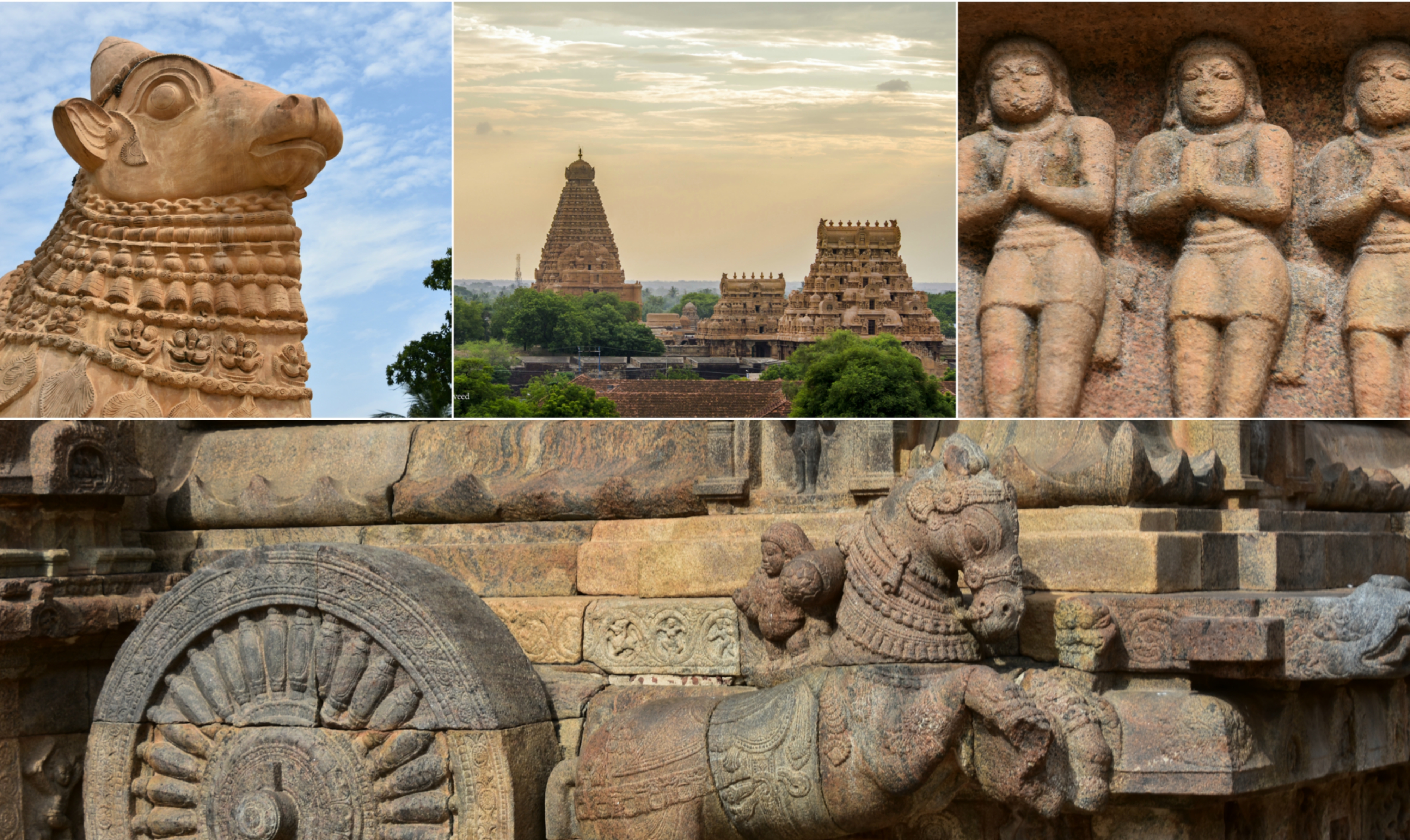
The Airavatesvara Temple is a masterpiece of Dravidian architecture, renowned for its intricate details and innovative features. Its Vimana, resembling a chariot drawn by elephants and horses, is a striking example of Chola artistry. The temple's musical steps, known as the 'singing steps,' produce different notes when struck, a marvel of ancient engineering. Every surface is adorned with exquisite sculptures depicting mythological tales, celestial beings, and daily life scenes. These architectural elements not only serve as a visual feast but also provide a magnificent and sacred backdrop for the temple's annual festivals and elaborate rituals.
The Chariot Vimana
The temple's main shrine is designed as a chariot, a unique and iconic feature in Chola temple architecture.
Musical Steps of Balipeetam
The steps leading to the Balipeetam are crafted to produce musical notes, demonstrating ancient acoustic knowledge.
Intricate Sculptural Art
The temple is covered with detailed carvings of deities, dancers, musicians, and epic narratives, embodying Chola artistic skill.
Divine Narratives: Lord Shiva and Airavata's Legend
The name Airavatesvara Temple is rooted in a fascinating legend involving Airavata, the white elephant mount of Lord Indra. According to mythology, Airavata was cursed by Sage Durvasa, causing its skin to lose its pristine white color. To regain its original form, Airavata worshipped Lord Shiva at this very spot. Lord Shiva, pleased with its devotion, restored Airavata's color, and the temple was subsequently named after the elephant. This legend underscores the temple's sanctity and is often celebrated through various rituals and narratives during its annual festivals, reinforcing its deep connection to divine grace.
The Legend of Airavata
The temple's name is derived from Airavata, Indra's white elephant, who worshipped Lord Shiva here to be cured of a curse.
Shiva's Compassion
The story highlights Lord Shiva's benevolent nature and his power to grant boons and alleviate suffering.
Mythological Significance in Festivals
The legend of Airavata is often recounted and celebrated during the temple's festivals, enriching the spiritual experience.
Airavatesvara Temple: A Celebration of Chola Grandeur and Divine Festivals
The Airavatesvara Temple, a magnificent testament to Chola artistry, stands as a UNESCO World Heritage site in Darasuram, Tamil Nadu. Dedicated to Lord Shiva, this 12th-century marvel is renowned for its intricate carvings and unique architectural features. Beyond its visual splendor, the temple serves as a vibrant hub for Hindu festivals and cultural celebrations. These events deeply reflect the region's spiritual heritage, drawing devotees and visitors alike to witness ancient rituals and experience the profound devotion associated with Lord Shiva, making it a living museum of faith and art.
UNESCO World Heritage Status
Recognized for its outstanding universal value, the temple is part of the Great Living Chola Temples group, celebrated for its architectural excellence.
Architectural Significance
The temple showcases the pinnacle of Chola architecture, characterized by its detailed sculptures, musical steps, and a chariot-shaped Vimana.
Spiritual and Cultural Hub
Airavatesvara Temple is not merely a monument but an active center for religious practices, hosting numerous festivals throughout the year.
Experience the Divine: A Visitor's Guide to Airavatesvara Festivals
For visitors planning to immerse themselves in the vibrant festivals at Airavatesvara Temple, thoughtful planning enhances the experience. The best time to visit for festivals is typically during the cooler months, from October to March, particularly for Maha Shivaratri or Margazhi. It is advisable to dress in traditional or modest attire, respecting local customs. Removing footwear before entering the sanctum is mandatory. Arrive early to witness rituals and secure good viewing spots for processions. Engaging with local devotees can offer deeper insights into the temple's traditions, ensuring an enriching cultural and spiritual journey.
Best Time to Visit
The cooler months from October to March are ideal for experiencing festivals, offering pleasant weather for temple visits.
Dress Code and Customs
Modest, traditional attire is preferred; visitors must remove footwear before entering the temple premises as a sign of respect.
Maximizing Your Festival Experience
Arriving early, respecting local traditions, and observing the rituals attentively will provide a more profound cultural and spiritual engagement.
| Deity | Shiva |
|---|---|
| Form | Lingam |
| Consort | Periya Nayaki Amman |
| Sampradaya | Shaivism |
| Significance | Worshipped as Airavatesvara, the Lord who cured Indra's white elephant Airavata of a curse. Also, Yama, the god of death, is said to have been cured here. |
The Elephant's Redemption
Legend has it that Airavata, the white elephant mount of Lord Indra, was cursed by Sage Durvasa, causing its skin to lose color. Distraught, Airavata worshipped Lord Shiva at this very spot. Pleased by his devotion, Shiva restored Airavata's pristine white color, granting him salvation from the curse. The temple is thus named Airavatesvara, 'Lord of Airavata,' commemorating this divine intervention and the elephant's devotion. It is believed that bathing in the temple tank, named Yamateertham, can cure diseases.
Every stone whispers tales of divine grace and unparalleled Chola craftsmanship, a symphony in granite.
Step into a realm where art, devotion, and history converge, leaving an indelible mark on the soul.
A Year of Devotion: Festivals and Celebrations at Airavatesvara
The Airavatesvara Temple observes a vibrant annual calendar of festivals, deeply rooted in Hindu traditions and dedicated to Lord Shiva. The most significant celebration is Maha Shivaratri, observed in February or March, featuring night-long prayers, fasting, and devotional songs, drawing thousands of devotees. Another important event is the Margazhi festival, spanning December-January, characterized by early morning prayers and special rituals. Additionally, Aadi Pooram and Panguni Uthiram are celebrated with processions and elaborate pujas, highlighting different aspects of divine worship. These festivals are not merely religious observances but also cultural showcases, featuring traditional music, dance, and community feasts, preserving the temple's living traditions and fostering a sense of collective devotion.
Maha Shivaratri
This major festival honors Lord Shiva with fasting, all-night vigils, and special prayers, attracting large congregations.
Margazhi Festival
During the Tamil month of Margazhi, the temple hosts early morning services and devotional activities, creating a serene atmosphere.
Other Special Occasions
Festivals like Aadi Pooram and Panguni Uthiram are celebrated with grandeur, including deity processions and cultural performances.
🗺 How to Reach
Hover a card to animate the journey on the map
Verified routes to Airavatesvara Temple Darasuram: Festivals and Celebrations: Annual Calendar and Special Events
Common Questions
Where is Airavatesvara Temple Festivals: A Divine Calendar located?
Airavatesvara Temple Festivals: A Divine Calendar is documented at Tamil Nadu.
Which deity is associated with Airavatesvara Temple Festivals: A Divine Calendar?
Airavatesvara Temple Festivals: A Divine Calendar is associated with Shiva.