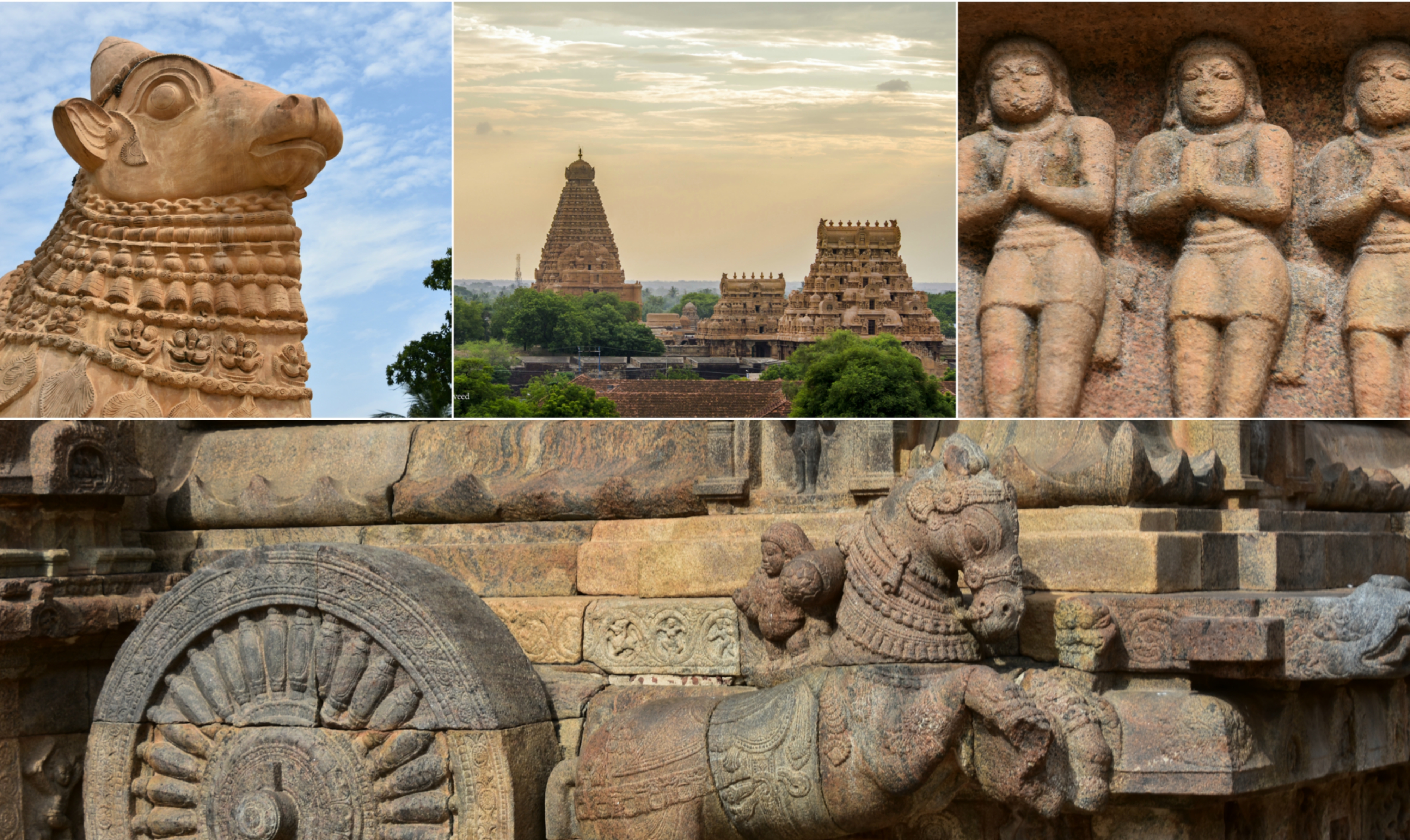
A complete pilgrim record drawn from the existing published article data.
Tracing the Ancient Roots of Abhimukeswarar Temple
The origins of the Abhimukeswarar Temple are deeply rooted in antiquity, with its foundational structures believed to date back centuries. While specific construction periods are subject to historical debate, evidence suggests significant patronage from various South Indian dynasties, including the Cholas, who were prolific temple builders. Subsequent renovations and expansions by later rulers have contributed to its present form, preserving its architectural integrity and spiritual sanctity through generations. This continuous evolution highlights the temple's enduring legacy as a site of worship and cultural heritage.
Early Foundations
Historical records and architectural styles indicate that the temple's earliest structures may have been established many centuries ago, reflecting ancient Dravidian traditions.
Chola Patronage
The powerful Chola dynasty, renowned for its extensive temple construction, is believed to have significantly contributed to the development and embellishment of the Abhimukeswarar Temple.
Renovations and Expansions
Over time, various rulers and benefactors undertook renovations and expansions, adding new structures and preserving the temple's sacred spaces, ensuring its continuous worship.
Architectural Grandeur of Abhimukeswarar Temple
The Abhimukeswarar Temple exemplifies the classic Dravidian architectural style, characterized by its towering gopurams that serve as majestic gateways. The temple complex features various mandapams, or pillared halls, each adorned with intricate carvings depicting mythological narratives and divine forms. The central shrine is crowned by a vimana, a pyramidal tower, showcasing detailed stucco work. Every pillar, wall, and ceiling within the temple is a canvas for exquisite sculptural artistry, reflecting the skilled craftsmanship of ancient artisans and the artistic mastery prevalent during its construction periods.
Dravidian Style
The temple's design adheres to the distinct Dravidian architectural principles, featuring a systematic layout with multiple enclosures and monumental structures.
Gopurams and Mandapams
Its impressive gopurams stand as iconic symbols, while the numerous mandapams within offer spaces for rituals, gatherings, and artistic display through their ornate pillars.
Sculptural Details
Intricate sculptures of deities, mythical creatures, and epic scenes adorn the temple walls, pillars, and ceilings, showcasing remarkable artistic detail and craftsmanship.
Lord Shiva and the Legends of Abhimukeswarar
The principal deity enshrined in the Abhimukeswarar Temple is Lord Shiva, revered here as Abhimukeswarar. His divine consort is Ambigai. Numerous fascinating myths and puranic stories are associated with the temple's sacred origins and the manifestation of Shiva in this particular form. Legends speak of the significance of the lingam and the unique blessings bestowed upon devotees. These narratives intertwine with the spiritual significance of the site, establishing its importance as a place where divine energies are profoundly felt and ancient tales come alive, enriching the devotional experience.
Principal Deities
Lord Shiva, worshipped as Abhimukeswarar, is the presiding deity, accompanied by his consort Ambigai, forming the central focus of devotion in the temple.
Mythological Origins
The temple's establishment is steeped in various puranic legends and local folklore, recounting divine interventions and the sacred history of the lingam.
Spiritual Significance
Devotees believe that worshipping Abhimukeswarar bestows specific blessings and spiritual merit, drawing pilgrims seeking solace and divine grace.
Planning Your Pilgrimage to Abhimukeswarar Temple
Planning a pilgrimage to the Abhimukeswarar Temple is straightforward, offering a meaningful experience. The temple welcomes visitors daily from 6:00 AM to 12:00 PM and 4:00 PM to 8:30 PM, with free entry. The best time to visit is from October to March for pleasant weather. Traditional attire is preferred, and footwear must be removed. The temple is approximately 1-2 km from Kumbakonam Railway Station and 2-3 km from the Bus Stand, making it easily accessible. Allow 1-2 hours for a complete visit.
Visiting Hours and Entry
The temple is open from 6:00 AM to 12:00 PM and 4:00 PM to 8:30 PM daily. Entry to the temple premises is free for all visitors.
Travel and Accessibility
The temple is conveniently located approximately 1-2 km from Kumbakonam Railway Station and 2-3 km from Kumbakonam Bus Stand, offering easy access via local transport.
Visitor Guidelines
Visitors are encouraged to wear traditional attire. Footwear must be removed before entering the temple. The optimal time to visit is between October and March.
| Deity | Shiva |
|---|---|
| Form | Shiva is typically depicted as a yogi, often with a third eye, a crescent moon adorning his hair, and the Ganges river flowing from his locks. He is often shown with a blue throat and holding a trident. |
| Consort | Not specified |
| Sampradaya | Shaivism |
| Significance | As one of the principal deities of Hinduism, Shiva is known as 'The Destroyer' or 'The Transformer' within the Trimurti, representing the cyclical nature of creation and destruction. He is revered as the supreme being who creates, protects, and transforms the universe. |
Story Not Provided
No specific mythological story or legend associated with Abhimukeswarar Temple was provided in the given facts.
In the sacred embrace of Shiva, destruction paves the way for new creation.
The divine presence within these ancient walls whispers tales of eternity.
Abhimukeswarar Temple: A Sacred Abode in Kumbakonam
The Abhimukeswarar Temple stands as a significant ancient Shiva temple located in the revered temple town of Kumbakonam, Thanjavur district, Tamil Nadu. Dedicated to Lord Shiva, this sacred abode is a prominent site within the Hindu tradition, attracting devotees and pilgrims seeking spiritual solace. Its historical presence in one of South India's most temple-rich regions underscores its enduring cultural and religious importance. The temple is a testament to the rich spiritual heritage of Tamil Nadu, embodying centuries of devotion and architectural brilliance.
Location and Significance
Situated in Kumbakonam, often called the 'Temple Town' of Tamil Nadu, the Abhimukeswarar Temple holds a special place among numerous ancient shrines, contributing to the region's spiritual landscape.
Main Deity
The temple is primarily dedicated to Lord Shiva, who is revered here in the form of Abhimukeswarar, making it a key pilgrimage destination for Shaivites.
Spiritual Importance
As an ancient Hindu temple, it plays a vital role in local religious practices and rituals, symbolizing devotion and faith for generations of followers.
🗺 How to Reach
Hover a card to animate the journey on the map
Verified routes to Abhimukeswarar Temple
Common Questions
Where is Abhimukeswarar Temple: Ancient Shiva Shrine in Kumbakonam located?
Abhimukeswarar Temple: Ancient Shiva Shrine in Kumbakonam is documented at Kumbakonam, Tamil Nadu.
Which deity is associated with Abhimukeswarar Temple: Ancient Shiva Shrine in Kumbakonam?
Abhimukeswarar Temple: Ancient Shiva Shrine in Kumbakonam is associated with Shiva.