A complete pilgrim record drawn from the existing published article data.
Tracing the Ancient History of Pasupatheeswaram
Delving into the temple's past reveals centuries of construction, patronage by various dynasties, and its enduring role in the region's religious landscape. Historical inscriptions and architectural styles suggest its origins trace back to the Chola period, a powerful dynasty known for its extensive temple building. Subsequent rulers, including the Nayaks, also contributed to its expansion and maintenance, ensuring its continuous spiritual and cultural relevance. The temple has withstood the test of time, becoming a repository of history and faith.
Early Foundations
Evidence points to the temple's establishment during the early Chola era, a period marked by significant architectural and religious advancements in South India.
Dynastic Patronage
Various dynasties, including the Cholas and later the Nayaks, provided extensive patronage, leading to the construction of new structures and the renovation of existing ones.
Historical Records
Inscriptions found within the temple premises offer valuable insights into its historical timeline, grants, and the social fabric of the times.
Architectural Marvels of Aavoor Pasupatheeswaram
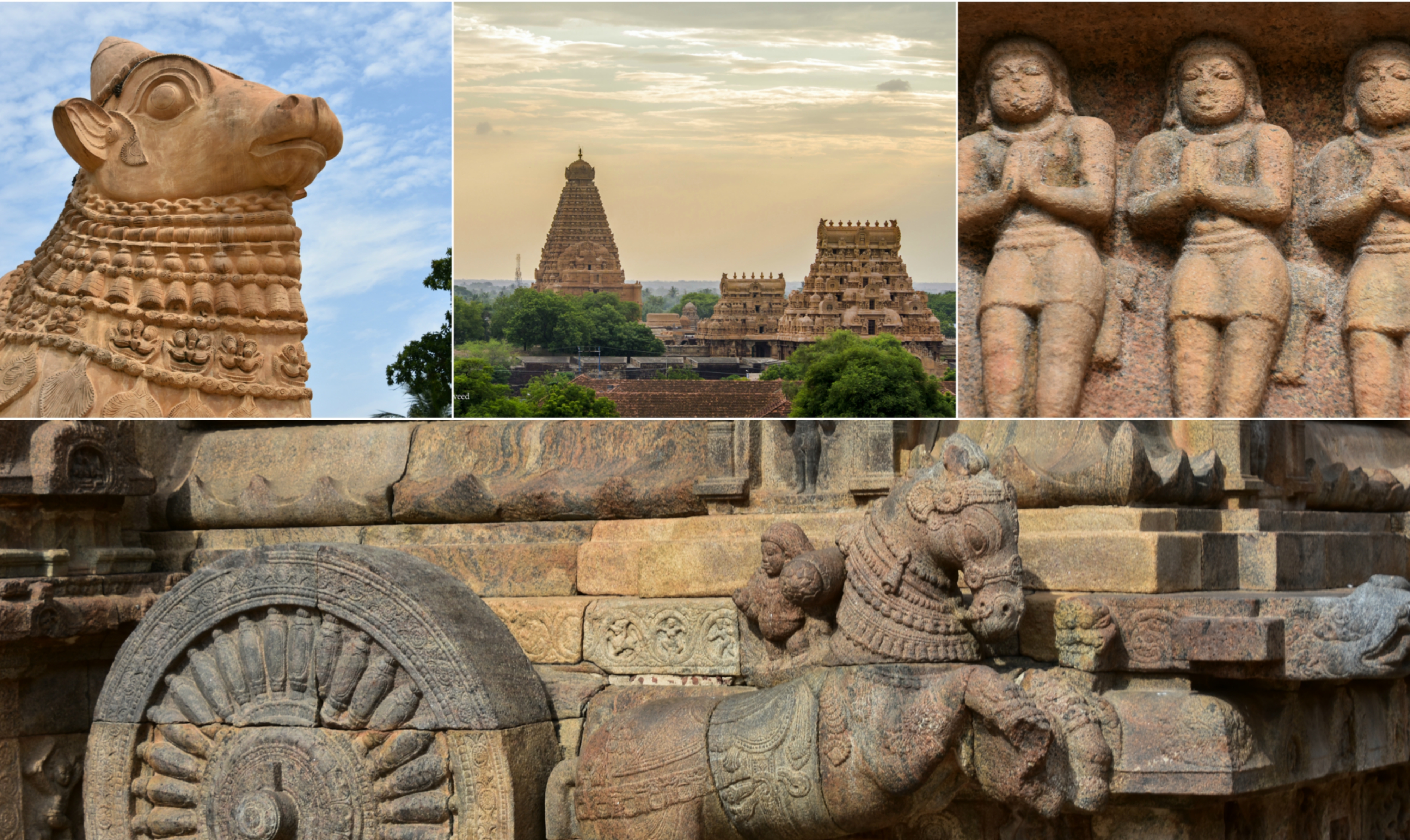
The temple's architecture showcases classic Dravidian styles, featuring intricate carvings, towering gopurams, and a layout designed for spiritual contemplation. The main shrine, surrounded by prakarams (circumambulatory paths), exemplifies the traditional South Indian temple plan. Sculptures depicting various deities, mythological scenes, and celestial beings adorn the walls and pillars, demonstrating exquisite craftsmanship. The gopurams, though perhaps not as grand as some larger temples, possess detailed stucco work that speaks to the artistic traditions of the region.
Dravidian Style
The temple exhibits classic Dravidian architectural elements, characterized by its pyramidical towers, pillared halls, and stone construction.
Intricate Sculptures
Detailed carvings and sculptures depicting mythological narratives and divine forms are a prominent feature throughout the temple complex.
Temple Layout
The layout typically includes a sanctum sanctorum, ardha mandapam, maha mandapam, and multiple prakarams, facilitating ritualistic circumambulation.
The Divine Presence: Lord Pasupatheeswarar and Associated Myths
Dedicated to Lord Shiva as Pasupatheeswarar, the temple is steeped in rich mythology, narrating tales of divine intervention and the deity's unique manifestations. The name 'Pasupatheeswarar' itself signifies Shiva as the 'Lord of all souls' or 'Lord of cattle and beings'. Legends associated with the temple speak of Shiva's benevolent acts, protection of devotees, and his cosmic dance. These myths not only enhance the spiritual aura of the temple but also provide moral and philosophical guidance to the devotees, reinforcing their faith in the divine power.
Lord Pasupatheeswarar
The presiding deity, Lord Shiva, is worshipped in the form of a lingam as Pasupatheeswarar, symbolizing his universal lordship.
Mythological Significance
Local legends and puranic stories connect the temple to specific events in Shiva's divine plays, often involving his compassion and power.
Unique Manifestations
The temple's mythology often highlights unique aspects or forms of Shiva that are particularly revered by the local populace.
Experiencing the Spirituality: A Visitor's Guide
This guide provides essential information for pilgrims and tourists, ensuring a meaningful and well-prepared visit to the sacred Aavoor Pasupatheeswaram Temple. The temple is open from 6:00 AM to 12:30 PM and again from 4:00 PM to 9:00 PM, offering ample time for darshan. Entry is free for all visitors. The best time to experience the temple's serene ambiance is during the cooler months, from October to March. Visitors are encouraged to wear traditional attire and remove footwear before entering the temple premises, respecting the sanctity of the place. A visit typically takes 1 to 2 hours.
Visiting Hours and Entry
The temple welcomes devotees from 6:00 AM to 12:30 PM and 4:00 PM to 9:00 PM daily. There is no entry fee.
Best Time to Visit
The period between October and March is considered ideal for a visit, offering pleasant weather for exploration and worship.
Dress Code and Etiquette
Visitors are requested to wear traditional attire and maintain decorum. Removing footwear before entering the temple is customary.
| Deity | Shiva |
|---|---|
| Form | Not specified |
| Consort | Not specified |
| Sampradaya | Shaivism |
| Significance | Shiva is one of the principal deities of Hinduism, known as the Destroyer and Transformer within the Trimurti. He is revered as the supreme being in Shaivism. |
Legend Not Provided
No specific mythological story or legend associated with the Aavoor Pasupatheeswaram temple was provided in the given facts. Temples often have rich oral traditions and legends passed down through generations.
Shiva, the supreme being of Shaivism, embodies the cosmic dance of creation, preservation, and dissolution, guiding devotees on their spiritual path.
Within the sacred walls of Aavoor Pasupatheeswaram, seekers find solace and a timeless connection to the divine presence of Lord Shiva.
Aavoor Pasupatheeswaram Temple: A Sacred Abode of Shiva
The Aavoor Pasupatheeswaram Temple stands as a significant spiritual landmark in Tamil Nadu, revered for its ancient heritage and profound connection to Lord Shiva. Located near Kumbakonam, this temple is a testament to centuries of devotion and architectural prowess. It serves as a vital center for Hindu worship, attracting pilgrims and devotees seeking blessings from Lord Pasupatheeswarar. The temple's serene atmosphere and historical importance make it a cherished site within the region's rich cultural tapestry.
Location and Significance
Situated approximately 12 km from Kumbakonam, the temple is easily accessible and holds a prominent place among the many ancient Shiva temples in the Cauvery Delta.
Primary Deity
The principal deity enshrined here is Lord Shiva, worshipped as Pasupatheeswarar, reflecting his role as the Lord of all beings.
Spiritual Heritage
The temple's antiquity contributes to its deep spiritual resonance, preserving traditions and rituals passed down through generations.
🗺 How to Reach
Hover a card to animate the journey on the map
Verified routes to Aavoor Pasupatheeswaram temple
Common Questions
Where is Aavoor Pasupatheeswaram: Ancient Chola Shiva Shrine located?
Aavoor Pasupatheeswaram: Ancient Chola Shiva Shrine is documented at Iluppur, Tamil Nadu.
Which deity is associated with Aavoor Pasupatheeswaram: Ancient Chola Shiva Shrine?
Aavoor Pasupatheeswaram: Ancient Chola Shiva Shrine is associated with Shiva.