A complete pilgrim record drawn from the existing published article data.
A Journey Through Time: The Temple's Enduring Legacy
The origins of the Yoga Narasimhaswamy Temple are steeped in ancient lore, with local legends often attributing its establishment to early Chola or Pallava periods, though definitive historical records are scarce. Subsequent renovations and expansions, particularly during the Vijayanagara Empire, significantly shaped its current form. These periods saw the addition of intricate carvings and structural enhancements, reflecting the prevailing architectural styles of the era. The temple has consistently served as a vital spiritual hub, preserving Vaishnavite traditions and fostering a rich cultural heritage in the region for centuries. Its enduring presence underscores its deep-rooted significance.
Ancient Foundations
While precise founding dates are debated, the temple's roots likely extend back over a millennium, with early structures possibly dating to the Pallava or Chola dynasties.
Vijayanagara Patronage
Significant architectural and sculptural additions were made during the Vijayanagara period, enriching the temple's artistic and structural grandeur.
Spiritual Continuity
For generations, the temple has remained a focal point for Vaishnavite worship, maintaining ancient rituals and contributing to the region's spiritual identity.
Stone Speaks: Unraveling the Temple's Architectural Marvels
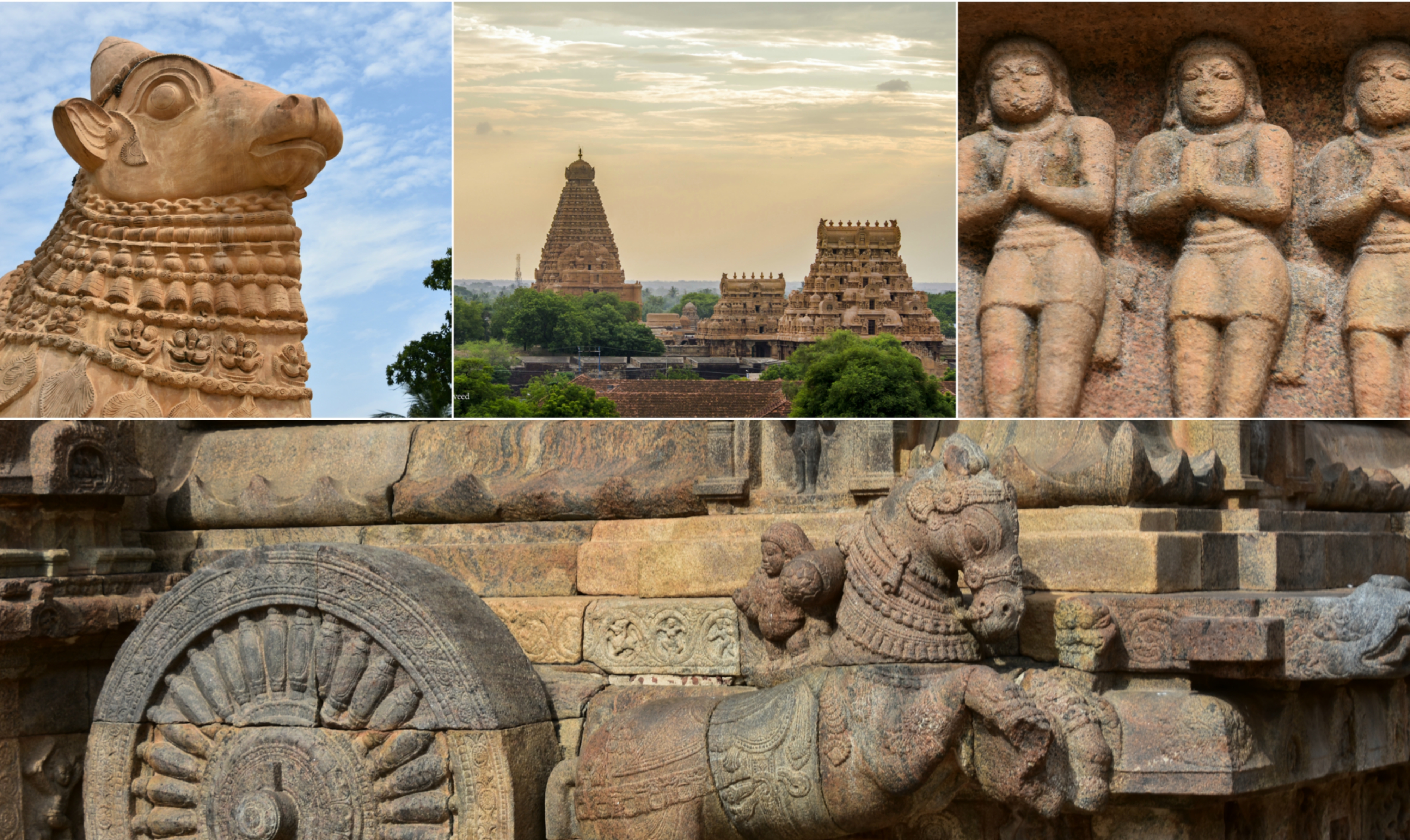
The Yoga Narasimhaswamy Temple showcases a distinctive Dravidian architectural style, characterized by its towering gopuram, intricately carved pillars, and sanctum structure. The vimana over the main shrine is often adorned with stucco figures, depicting various deities and mythological scenes. Inside, the mandapams feature elaborate sculptures, with each column telling a story from Hindu epics or Puranas. The use of granite and soapstone is prominent, reflecting the traditional building materials of Tamil Nadu. These artistic expressions not only demonstrate skilled craftsmanship but also convey profound symbolic meanings, immersing visitors in a rich visual narrative of devotion.
Dravidian Grandeur
The temple exemplifies classic Dravidian architecture, featuring a multi-tiered gopuram at the entrance and a pyramidal vimana over the sanctum.
Sculptural Narratives
Pillars and walls are adorned with intricate carvings of deities, mythical creatures, and epic scenes, serving as visual scriptures for devotees.
Material and Craftsmanship
Constructed predominantly from durable granite, the temple's structural integrity and detailed artistry highlight the exceptional skill of ancient Tamil artisans.
The Divine Presence: Yoga Narasimha and His Lore
The central deity, Yoga Narasimha, is uniquely depicted in a seated meditative posture, often with a yoga-patta (a band) around his knees, signifying deep contemplation. This iconography contrasts with the fierce, destructive aspect usually associated with Narasimha. The mythology surrounding his manifestation describes Lord Vishnu taking the form of a half-lion, half-man to protect his devotee Prahlada from his demonic father Hiranyakashipu. After vanquishing the demon, Narasimha's rage was so intense that the other gods appealed to Prahlada to calm him. Upon being pacified, Narasimha assumed this tranquil, meditative form, becoming a symbol of ultimate protection, spiritual discipline, and inner peace. Devotees believe worshipping this form grants liberation from worldly troubles and fosters spiritual growth.
Iconography of Tranquility
Yoga Narasimha is portrayed in a serene, meditative pose, often with a yoga-patta, symbolizing his mastery over emotions and his role as a spiritual guide.
The Legend of Prahlada
His manifestation is linked to the Puranic tale of protecting Prahlada, where he ultimately calms his fierce aspect into this peaceful, contemplative form.
Giver of Peace and Protection
Worshippers believe that praying to Yoga Narasimha brings inner peace, protection from evil, and aids in achieving spiritual liberation and mental clarity.
Experiencing Devotion: A Visitor's Guide to the Temple
Visiting the Yoga Narasimhaswamy Temple offers a profound spiritual experience. The temple is open from 6:00 AM to 12:30 PM and 4:00 PM to 8:30 PM, with free entry for all. The period from October to March is considered the best time to visit, offering pleasant weather. Visitors are encouraged to wear traditional attire as a sign of respect and to remove footwear before entering the temple premises. A typical visit duration ranges from one to two hours, allowing ample time for prayer, darshan, and appreciating the temple's architecture. While specific rituals vary, participating in archana (special prayers) is common. Local customs emphasize quiet reverence within the sanctum.
Timings and Best Season
The temple welcomes devotees from 6:00 AM to 12:30 PM and 4:00 PM to 8:30 PM. The cooler months between October and March are ideal for a visit.
Dress Code and Etiquette
Traditional attire is preferred, and removing footwear before entering is mandatory. Visitors are advised to maintain silence and respect the sacred atmosphere.
Local Rituals and Accessibility
While entry is free, devotees can participate in various pujas. The temple is generally accessible, though specific facilities for differently-abled visitors might vary.
| Deity | Narasimha |
|---|---|
| Form | Narasimha is the fourth avatar of Vishnu, depicted as a half-man, half-lion. In his Yoga Narasimha form, he is typically shown seated in a meditative, yogic posture. |
| Consort | Lakshmi |
| Sampradaya | Hindu |
| Significance | He is revered as the divine protector who eradicates evil and injustice, embodying fierce devotion and the ultimate triumph of good. His yogic posture signifies deep meditation and control over his fierce nature. |
The Fierce Protector and Devotion's Reward
The demon king Hiranyakashipu gained a boon making him immune to death from man or beast, day or night, indoors or outdoors. He tormented his devout son Prahlada, who worshipped Vishnu. To protect Prahlada and uphold the cosmic order, Vishnu manifested as Narasimha, a half-man, half-lion, appearing at twilight (neither day nor night) on the threshold of a courtyard (neither indoors nor outdoors). Narasimha disemboweled Hiranyakashipu with his claws, demonstrating that true devotion is always protected and evil is ultimately vanquished, even when it seems invincible.
When devotion calls, the divine protector appears, shattering all obstacles.
In the heart of Yoga Narasimha, find fierce protection and profound peace.
Discovering the Serenity of Yoga Narasimhaswamy Temple
The Yoga Narasimhaswamy Temple, a significant spiritual sanctuary in Tamil Nadu, is dedicated to Lord Narasimha, the formidable fourth incarnation of Vishnu. What sets this revered site apart is its central deity, depicted in a profound Yoga posture, embodying deep meditation and divine tranquility. This unique iconography highlights Narasimha's role not just as a fierce protector, but also as a source of inner peace and spiritual wisdom. The temple offers devotees a distinct atmosphere of serenity and introspection, attracting pilgrims who seek solace and spiritual rejuvenation amidst its ancient walls. Its quiet spiritual energy makes it a cherished destination.
The Meditative Protector
Lord Narasimha, typically known for his fierce aspect, is worshipped here in a Yoga or meditative posture, symbolizing his control over anger and his role as a giver of peace and spiritual knowledge.
A Haven of Tranquility
The temple's architecture and natural surroundings contribute to a serene environment, fostering deep devotion and a sense of calm for all who visit.
🗺 How to Reach
Hover a card to animate the journey on the map
Verified routes to Yoga Narasimhaswamy Temple
Common Questions
Where is Yoga Narasimhaswamy Temple: Ancient Pancha Narasimha Kshetra located?
Yoga Narasimhaswamy Temple: Ancient Pancha Narasimha Kshetra is documented at Tamil Nadu.
Which deity is associated with Yoga Narasimhaswamy Temple: Ancient Pancha Narasimha Kshetra?
Yoga Narasimhaswamy Temple: Ancient Pancha Narasimha Kshetra is associated with Narasimha.