A complete pilgrim record drawn from the existing published article data.
Historical Significance and Ancient Origins
The Yoga Narasimha Temple's historical narrative is deeply woven into the fabric of Tamil Nadu's ancient traditions. Its establishment around 100 BCE marks it as one of the very old places of worship in the region, predating many well-known structures. This early dating highlights its enduring legacy and its contribution to the evolution of Hindu temple architecture and religious practices over millennia. The temple has witnessed numerous historical epochs, retaining its sanctity and importance as a spiritual anchor in the Velachery area.
Foundational Period
Records indicate the temple's origins or early significant developments around 100 BCE. This places it among the earliest documented religious structures in the historical landscape of Tamil Nadu, offering insights into early devotional practices.
Enduring Tradition
As a Hindu temple, it has continuously upheld the traditions and rituals associated with Vaishnavism. Its long history reflects the resilience and continuity of religious faith and cultural identity in the region through various historical periods.
Architectural Evolution
While specific details of its earliest architecture are subject to historical research, its 100 BCE dating suggests a foundational style that would have evolved over time, influencing or being influenced by subsequent Dravidian architectural developments.
Architectural Heritage
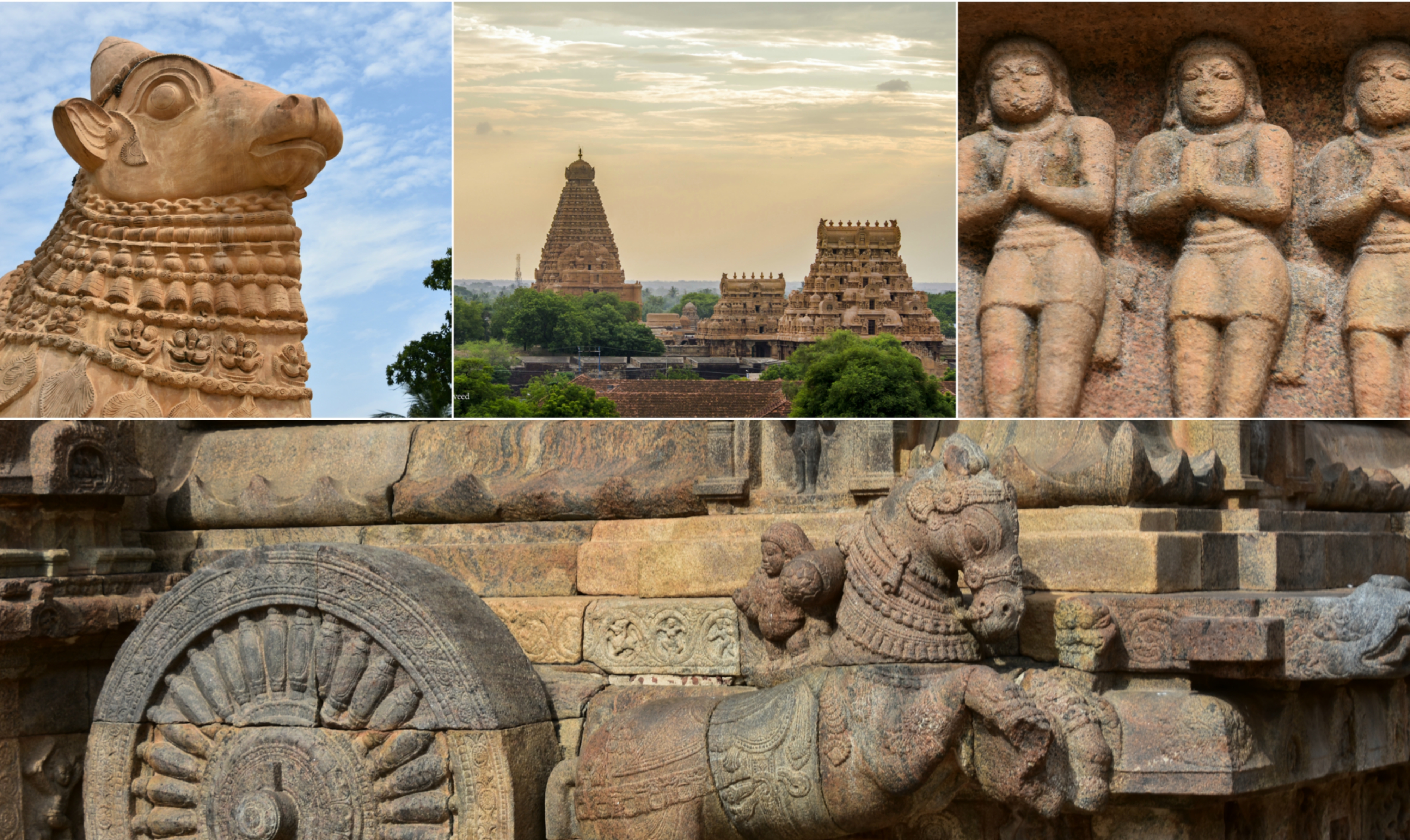
The Yoga Narasimha Temple, with its ancient origins, showcases architectural characteristics typical of regional temple styles in Tamil Nadu. While specific detailed records of its earliest structure from 100 BCE may be limited, the temple's current form likely reflects centuries of renovation, expansion, and adherence to Dravidian architectural principles. These typically include a gopuram (ornate tower), vimana (tower over the sanctum), mandapams (halls), and intricate carvings. The use of traditional materials and craftsmanship would have been paramount, preserving the aesthetic and structural integrity reflective of its long history.
Dravidian Influence
The temple's architecture, especially in its later additions and renovations, would primarily follow the Dravidian style, characterized by its towering gopurams, pillared halls, and distinctive sculptural details that narrate mythological tales.
Structural Elements
Key architectural components would include the central shrine for Lord Yoga Narasimha, surrounded by various subsidiary shrines, prakarams (circumambulatory paths), and possibly a temple tank, all contributing to the sacred complex layout.
Material and Craftsmanship
Ancient temples in Tamil Nadu typically utilized durable materials like granite, known for its longevity. The craftsmanship involved intricate stone carving, depicting deities, mythological figures, and decorative motifs, reflecting the artistic prowess of the era.
The Presiding Deity: Lord Yoga Narasimha
The central focus of devotion at this temple is Lord Yoga Narasimha, a revered manifestation of Maha Vishnu. In this form, Narasimha is depicted in a meditative posture, signifying control over his fierce nature and a state of deep spiritual contemplation. This iconography is distinct from other Narasimha forms, emphasizing tranquility and inner peace. Devotees primarily worship Lord Yoga Narasimha for protection, removal of obstacles, and spiritual enlightenment. The deity's presence in Velachery reinforces the enduring Vaishnavite traditions in Chennai and provides a focal point for spiritual practice.
Form and Iconography
Lord Yoga Narasimha is characterized by his meditative stance, often with his legs crossed or bound by a yoga patta, representing his control over his formidable power and his state of deep meditation. This form symbolizes spiritual discipline.
Significance to Devotees
Worship of Yoga Narasimha is believed to grant devotees inner strength, courage, and tranquility. He is invoked for protection from negative forces and for guidance on the path of spiritual growth and self-realization.
Vaishnavite Tradition
As a temple dedicated to Maha Vishnu, it adheres to the tenets of the Vaishnavite tradition, which emphasizes devotion to Vishnu and his avatars. The worship practices and festivals observed here are in line with this rich spiritual heritage.
Planning Your Pilgrimage
For devotees and visitors planning a trip to the Yoga Narasimha Temple in Velachery, Chennai, several transport options are available. The temple is approximately 13 km by road from Chennai's main bus hub, with routes taking around 17 minutes by bus. For train travelers, Chennai Egmore station (MS) is about 8 km away, connecting to trains via Chennai Central (MAS). Chennai Airport (MAA) is approximately 7 km from the temple, with various ground transport options available. A car journey from central Chennai typically takes about 38 minutes. Information regarding specific timings, entry fees, best visiting times, dress code, and visit duration is not currently provided.
Travel by Bus
The temple is accessible by bus from Chennai, located about 13 km from the city's main bus hub. The journey typically takes around 17 minutes, depending on traffic conditions and specific routes.
Train and Flight Access
Chennai Egmore railway station (MS) is approximately 8 km away. For air travel, Chennai Airport (MAA) is about 7 km distant, offering connections from major cities like Bengaluru (BLR). Ground transport from the airport includes taxis, app cabs, buses, and auto-rickshaws.
Visitor Information
Specific details regarding the temple's daily timings, entry fees, recommended best times to visit, dress code requirements, and the typical duration of a visit are not available in the provided information. Visitors are advised to check local sources for current details.
| Deity | Maha Vishnu |
|---|---|
| Form | Yoga Narasimha (an avatar of Vishnu) |
| Sampradaya | Vaishnavism |
| Significance | As Yoga Narasimha, he represents the fierce yet meditative aspect of Vishnu, protecting devotees and upholding dharma. |
The Lion-Man's Fierce Protection
The demon king Hiranyakashipu, blessed with immunity from death by man or beast, day or night, indoors or outdoors, or by any weapon, grew arrogant and forbade the worship of Vishnu. His own son, Prahlada, remained a staunch devotee of Vishnu. Enraged by Prahlada's unwavering faith, Hiranyakashipu challenged Vishnu's omnipresence. In response, Vishnu burst forth from a pillar as Narasimha, a being neither fully man nor beast. At twilight (neither day nor night), on the threshold of the courtyard (neither indoors nor outdoors), Narasimha placed Hiranyakashipu on his lap (neither earth nor sky) and disemboweled him with his claws (neither weapon nor bare hand), thus upholding dharma and protecting his devoted Prahlada.
When devotion is pure, even the fiercest form of the divine manifests to protect.
In the heart of meditation, the divine power of Narasimha resides, offering solace and strength.
Introduction to Yoga Narasimha Temple
The Yoga Narasimha Temple, located in Velachery, a prominent area within the Chennai City Corporation in Tamil Nadu, stands as a significant religious site dedicated to Maha Vishnu. This ancient temple's origins are recorded as early as 100 BCE, establishing its deep historical roots in the region. It serves as a vital center for Hindu worship, particularly for devotees of Lord Narasimha, an avatar of Vishnu. The temple's presence in Velachery underscores the area's rich cultural and spiritual heritage, drawing pilgrims and visitors alike to experience its serene atmosphere and historical grandeur.
Location and Accessibility
Situated in Velachery, Chennai, the temple is an integral part of the bustling urban landscape, yet it retains a distinct spiritual tranquility. Its location makes it accessible from various parts of Chennai, reflecting its role as a local and regional pilgrimage destination.
Presiding Deity
The primary deity enshrined here is Lord Yoga Narasimha, a fierce yet meditative manifestation of Maha Vishnu. This specific form of Narasimha is revered for bestowing peace and protection upon his devotees, embodying both strength and spiritual calm.
Ancient Heritage
With its documented origins dating back to 100 BCE, the Yoga Narasimha Temple represents a deep lineage of worship and architectural development. This ancient foundation speaks to centuries of continuous devotion and cultural significance in Tamil Nadu.
🗺 How to Reach
Hover a card to animate the journey on the map
Verified routes to Yoga Narasimha Temple at Velachery
Common Questions
Where is Yoga Narasimha Temple: Ancient Velachery Shrine located?
Yoga Narasimha Temple: Ancient Velachery Shrine is documented at Tamil Nadu.
Which deity is associated with Yoga Narasimha Temple: Ancient Velachery Shrine?
Yoga Narasimha Temple: Ancient Velachery Shrine is associated with Vishnu.