A complete pilgrim record drawn from the existing published article data.
A Glimpse into the Temple's Ancient Past
The foundational history of the Yoga Bhairavar Temple is steeped in antiquity, with its origins believed to trace back several centuries. While precise founding dates are often debated among historians, the temple's architecture and inscriptions suggest periods of significant construction and renovation under various dynasties. Local legends speak of its establishment by ancient sages or benevolent rulers who recognized the spiritual potency of the location. Over time, successive patrons contributed to its expansion, enriching its artistic and structural grandeur, solidifying its place as an enduring center of worship.
Early Origins
Historical records and oral traditions suggest the temple's roots extend to the early medieval period, possibly evolving from a simpler shrine into a more elaborate complex over time.
Patronage and Development
Various local chieftains and larger South Indian dynasties, including the Pandya and later Nayak rulers, are believed to have contributed to the temple's architectural enhancements and maintenance, ensuring its survival and prominence.
The Intricate Artistry of Dravidian Architecture
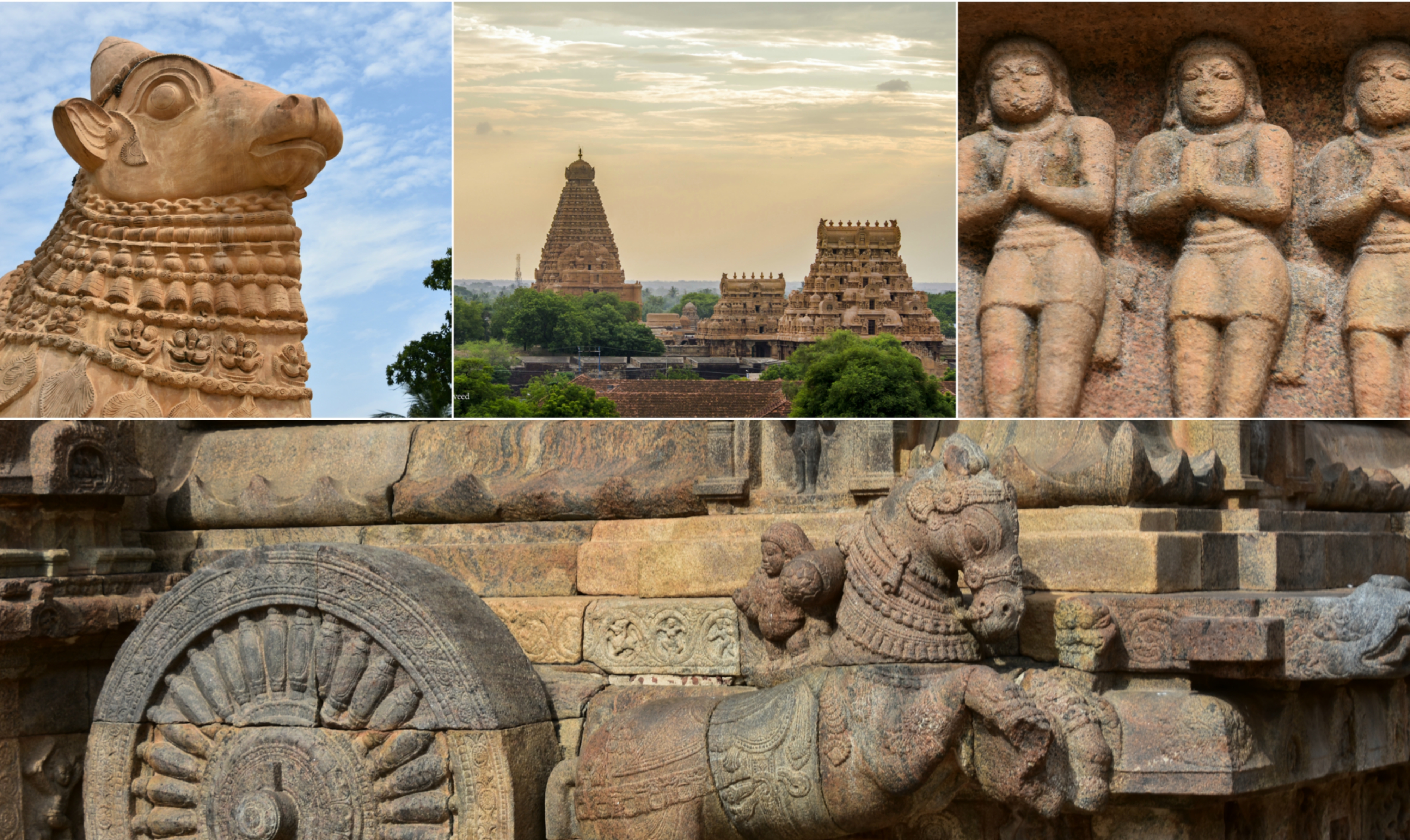
The Yoga Bhairavar Temple exemplifies the distinctive features of Dravidian architecture, characterized by its towering gopurams, intricate carvings, and robust stone construction. The temple complex showcases a harmonious blend of structural elements, from the finely sculpted pillars adorned with mythological figures to the detailed vimanas crowning the sanctums. Each architectural detail, including the mandapams and pradakshina path, is imbued with symbolic meaning, reflecting Hindu cosmology and theological principles. The craftsmanship on display speaks volumes about the skill of ancient artisans, transforming stone into narratives of devotion and divine presence.
Gopurams and Vimanas
The temple's entrance is marked by a multi-tiered gopuram, intricately sculpted with deities and mythological scenes, while the vimana over the main sanctum follows the classic Dravidian pyramidal design.
Sculptural Details
Within the mandapams and along the temple walls, detailed carvings depict various deities, celestial beings, and episodes from Hindu epics, serving both as decoration and religious instruction.
Symbolism in Design
Every element, from the layout of the courtyards to the placement of subsidiary shrines, is carefully planned to reflect spiritual principles and facilitate the ritualistic worship experience.
Planning Your Spiritual Journey to Tiruppathur
Visiting the Yoga Bhairavar Temple offers a profound spiritual experience. The temple welcomes devotees during specific timings: 6:00 AM to 12:30 PM and 4:00 PM to 9:00 PM. Entry is free, and the best time to visit is from October to March, when the weather is most pleasant. Visitors are encouraged to wear traditional attire as a mark of respect and to remove footwear before entering the sanctum. A typical visit duration is 1 to 2 hours, allowing ample time for darshan and quiet contemplation. Understanding local customs, such as offering archana (special prayers), can enrich the pilgrimage.
Temple Timings and Etiquette
Adherence to the specific opening hours is crucial. It is customary to dress modestly, with traditional Indian wear preferred, and to maintain silence within the temple premises.
Best Time to Visit
The cooler months between October and March provide the most comfortable conditions for travel and temple visits in Tamil Nadu.
Local Customs
Participating in archana or offering flowers and fruits are common practices. Respectful behavior towards priests and fellow devotees enhances the spiritual atmosphere.
| Deity | Shiva |
|---|---|
| Form | Yoga Bhairavar is a fierce, ascetic manifestation of Shiva, often depicted in a meditative or yogic posture. This form embodies Shiva's mastery over yoga and his role as a protector. |
| Consort | Not specified |
| Sampradaya | Hindu |
| Significance | As Yoga Bhairavar, Shiva represents the ultimate yogi and a powerful guardian deity. He is revered for his ability to remove obstacles, grant spiritual liberation, and guide practitioners on the path of self-realization. |
The Meditative Guardian
In ancient times, when obstacles threatened the spiritual path of devotees, Lord Shiva manifested as Yoga Bhairavar. With his fierce yet serene yogic posture, he embodied supreme discipline and protection. He is said to have absorbed the negativities, guiding sincere seekers through their challenges and bestowing profound wisdom. Devotees believe that meditating upon Yoga Bhairavar helps overcome fears and attain mastery over the self, leading to ultimate liberation.
Yoga Bhairavar, the supreme yogi, clears the path of obstacles and grants spiritual liberation to those who seek his divine guidance.
Embrace the fierce yet meditative form of Shiva as Yoga Bhairavar to overcome inner turmoil and achieve profound self-mastery.
Unveiling the Serenity of Yoga Bhairavar Temple
The Yoga Bhairavar Temple in Tiruppathur, Sivagangai District, stands as a significant spiritual landmark dedicated to Lord Shiva in his unique Yoga Bhairavar form. This ancient shrine holds a distinctive position within Tamil Nadu's rich religious tapestry, revered for its tranquil atmosphere and the powerful spiritual energy attributed to its presiding deity. Pilgrims visit seeking blessings for peace, protection, and liberation from obstacles. Its serene ambiance offers a profound experience, drawing devotees into a realm of deep introspection and devotion.
Spiritual Significance
The temple is renowned for its specific focus on Lord Shiva as Yoga Bhairavar, a form associated with discipline, meditation, and overcoming negative influences. Devotees believe prayers here can resolve deep-seated problems.
Unique Position
Unlike many Shiva temples, this shrine emphasizes the yogic aspect of Bhairavar, making it a rare and important site for those practicing or seeking spiritual advancement through meditation and self-control.
Yoga Bhairavar: The Fierce Yet Benevolent Form of Shiva
The principal deity of the temple is Lord Yoga Bhairavar, a unique manifestation of Shiva. Iconographically, he is typically depicted seated in a meditative posture (yogic asana), holding various attributes like a trident, drum, and skull cup, sometimes accompanied by a dog. This form combines Shiva's fierce aspect (Bhairava) with his meditative, disciplined nature (Yoga). Myths associated with Bhairavar often recount his role as a protector and a remover of obstacles, particularly those hindering spiritual progress. Devotees engage in specific poojas and offerings, believing that worship of Yoga Bhairavar can grant inner peace, protection from negative energies, and mastery over one's senses, leading to spiritual enlightenment.
Iconography and Depiction
Yoga Bhairavar is characteristically shown with a serene yet powerful expression, seated in padmasana, often with four arms holding traditional Shiva attributes, emphasizing his duality as both fierce and meditative.
Associated Myths
Stories often link Bhairavar to Shiva's wrathful aspects, created to destroy ignorance and protect the righteous. His yogic form adds a layer of spiritual discipline and guidance to these protective qualities.
Spiritual Practices
Worship involves specific mantras and rituals, particularly on auspicious days like Ashtami, aimed at invoking his protective energies and seeking his blessings for mental clarity and spiritual growth.
🗺 How to Reach
Hover a card to animate the journey on the map
Verified routes to Yoga Bhairavar Temple, Tiruppathur, Sivagangai Dt.
Common Questions
Where is Yoga Bhairavar Temple: Ancient Shiva Shrine in Tiruppathur located?
Yoga Bhairavar Temple: Ancient Shiva Shrine in Tiruppathur is documented at Tamil Nadu.
Which deity is associated with Yoga Bhairavar Temple: Ancient Shiva Shrine in Tiruppathur?
Yoga Bhairavar Temple: Ancient Shiva Shrine in Tiruppathur is associated with Shiva.