




A complete pilgrim record drawn from the existing published article data.
A Journey Through Time: The History of Visvanathar Temple
The history of the Visvanathar Temple, though specific details of its construction and initial patronage remain largely unknown, is deeply rooted in the religious landscape of Tamil Nadu. Its recognition as a Vaippu Sthalam in the 7th century CE by the Nayanar saint Appar solidifies its ancient origins and continuous worship. This historical endorsement highlights its enduring religious practices and significance through various periods, even as specific dynastic builders are not recorded. The temple has likely undergone numerous renovations and expansions over centuries, preserving its sacred essence.
Ancient Origins
The temple's ancient origins are confirmed by its inclusion in the Tevaram hymns of the 7th-century CE Saivite saint Appar, designating it a Vaippu Sthalam.
Enduring Religious Practices
Despite the unknown details of its initial construction and builders, the continuous worship and reverence for Lord Visvanathar signify a long-standing tradition of religious practices at this site.
Architectural Marvels of Visvanathar Temple
The Visvanathar Temple exemplifies the classic Dravidian architectural style, a hallmark of South Indian temple construction. While specific details about its current gopurams or mandapams are not extensively documented, the overall style suggests the presence of traditional elements. These typically include intricate carvings, sculpted deities, and a layout that facilitates devotional practices. The architecture reflects the artistic prowess and deep devotional spirit of the artisans and communities who contributed to its development over centuries, even if the precise materials and original builder are unknown.
Dravidian Style
The temple adheres to the Dravidian architectural style, characterized by its pyramidal towers (gopurams), pillared halls (mandapams), and intricate sculptures.
Artistic Craftsmanship
The existing structures showcase the artistic craftsmanship prevalent in the region, with detailed carvings and traditional motifs reflecting the devotional spirit of its creators.
The Divine Presence: Lord Visvanathar and Sacred Lore
The Visvanathar Temple is dedicated to Lord Shiva, revered here as Visvanathar. This sacred abode is steeped in rich Hindu mythology and local legends that underscore its spiritual significance. The primary lore surrounding the temple involves its recognition by the 7th-century Saivite saint Appar, who immortalized it in his Tevaram hymns. This act of praise by a revered Nayanar saint elevates the temple's status, affirming the benevolent presence of Lord Shiva and making it a cherished destination for devotees seeking divine blessings.
Lord Visvanathar
The presiding deity is Lord Shiva, worshipped as Visvanathar, a name signifying "Lord of the Universe," reflecting his supreme status.
Appar's Hymns
The temple's sacred lore is primarily linked to the 7th-century Saivite saint Appar, whose Tevaram hymns praise this shrine, cementing its spiritual importance as a Vaippu Sthalam.
Experiencing Devotion: A Visitor's Guide to Visvanathar Temple
For pilgrims and tourists planning a visit to the Visvanathar Temple, it is advisable to contact the temple office for the most current information regarding timings, entry procedures, and dress code. The best time to visit is during the months of Margazhi (December–January) and Chithirai (April–May), which often coincide with significant festivals. The nearest major railway station is Tiruvarur Junction, approximately 25 km away, while Tiruchirappalli International Airport is about 100 km distant. A visit typically lasts 1–2 hours.
Planning Your Visit
Visitors should contact the temple office for up-to-date information on timings, entry requirements, and specific dress codes to ensure a respectful visit.
Accessibility and Travel
The temple is accessible via Tiruvarur Junction railway station (approx. 25 km) and Tiruchirappalli International Airport (approx. 100 km). Local transport options can be arranged from these hubs.
Best Time to Visit
The months of Margazhi (December–January) and Chithirai (April–May) are considered ideal for visiting, often aligning with auspicious periods and pleasant weather.
| Deity | Visvanathar |
|---|---|
| Form | Visvanathar is a manifestation of Lord Shiva, typically worshipped in the aniconic form of a lingam. |
| Consort | Visalakshi |
| Sampradaya | Shaiva |
| Significance | As the presiding deity of a Vaippu Sthalam, Visvanathar holds ancient spiritual significance within the Tamil Saiva devotional tradition, having been praised in the Tevaram hymns. |
The Sacred Song of Appar
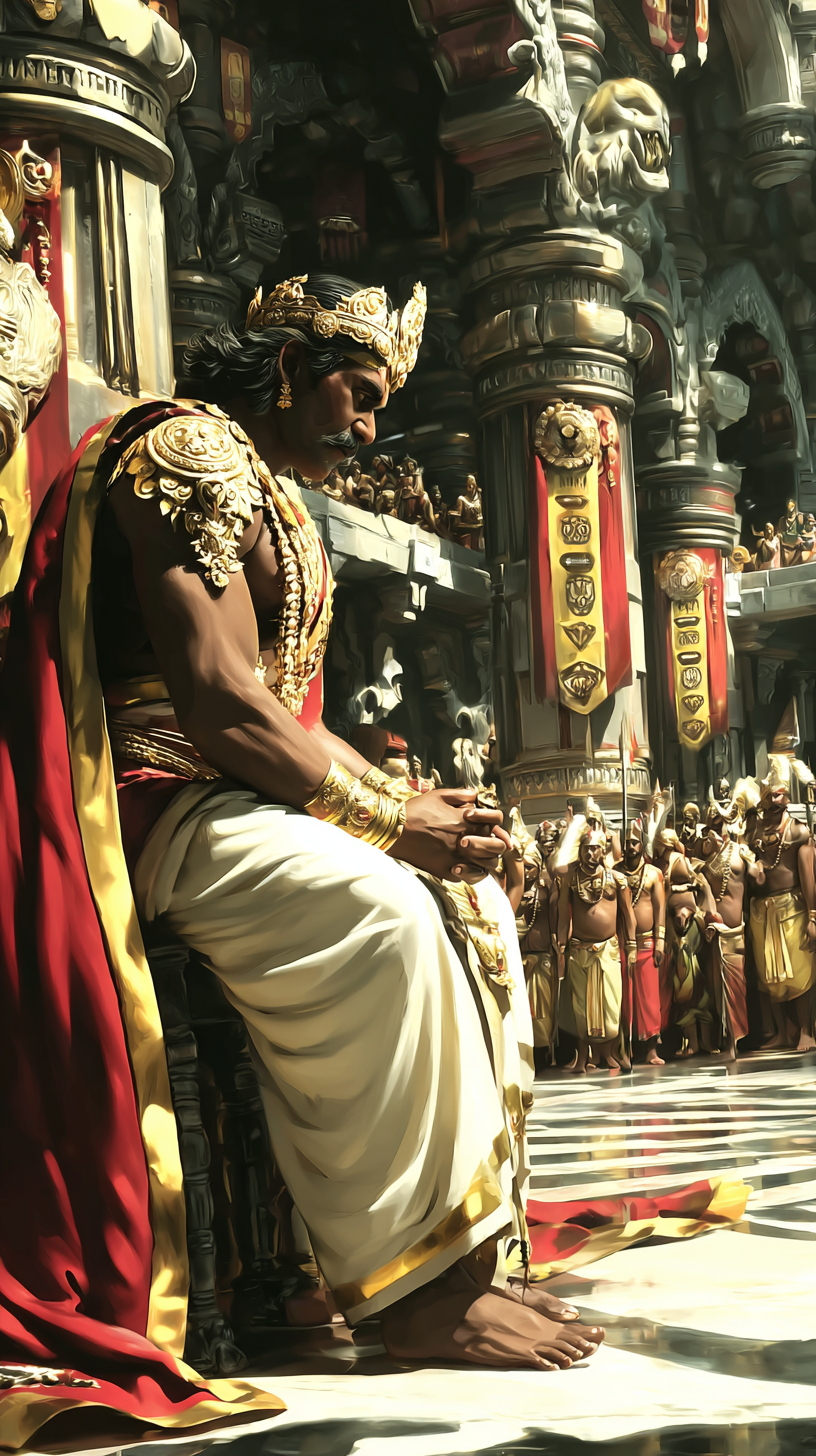
Long ago, in the hallowed lands of Tamil Nadu, the revered 7th-century Saivite saint, Appar, embarked on his divine pilgrimage, his heart brimming with devotion for Lord Shiva. As he journeyed, his path led him to the tranquil village of Iravancheri, where the ancient Visvanathar Temple stood, a beacon of spiritual solace. Though the specific tale of how Lord Visvanathar manifested in this sacred spot remains veiled in the mists of time, it is said that Appar, with his profound spiritual insight, recognized the immense sanctity of this shrine. His soul stirred by the divine presence, the saint spontaneously burst into hymns, immortalizing Iravancheri as a revered Vaippu Sthalam. Through his sacred verses, Appar affirmed the temple's deep antiquity and its enduring spiritual significance, making it a cherished destination for countless devotees seeking the blessings of Lord Shiva.
Through sacred verses, Appar affirmed the temple's deep antiquity and its enduring spiritual significance.
A revered Vaippu Sthalam, immortalized by the spontaneous hymns of Saint Appar, a beacon of spiritual solace.
Related temples: Aakkoor Thanthondreeswarar Temple | Abhaya Varadeeswarar Temple, Adirampattinam
Discovering the Visvanathar Temple, Iravancheri
The Visvanathar Temple, nestled in Iravancheri, Tiruvarur district, Tamil Nadu, is a revered Hindu pilgrimage site dedicated to Lord Shiva. It embodies centuries of spiritual devotion and cultural heritage. As one of the Vaippu Sthalams, it holds significant historical and religious importance, drawing devotees who seek the blessings of Lord Visvanathar. The temple serves as a testament to the enduring Shaiva tradition in the region.
A Vaippu Sthalam
The temple is recognized as a Vaippu Sthalam, meaning it is one of the places praised in the Tevaram hymns by the Nayanar saint Appar. This designation underscores its ancient sanctity.
Dedication to Shiva
The primary deity enshrined here is Lord Shiva, known as Visvanathar, revered by followers of the Shaiva tradition. The temple is a focal point for Shiva worship in the region.
Restoration & Conservation
The Visvanathar Temple, like many ancient structures across Tamil Nadu, has undergone various phases of restoration and conservation to combat the ravages of time, weather, and human activity. Initial efforts often focused on structural stabilization, particularly addressing issues like water ingress, crumbling masonry, and the deterioration of intricate stucco work and sculptures. These early interventions, sometimes undertaken by local communities or temple trusts, aimed to prevent further decay and maintain the temple's functional integrity for worship. However, a significant challenge lies in ensuring that restoration work adheres to archaeological principles, preserving the original fabric and aesthetic without introducing anachronistic elements. The use of traditional materials and techniques, such as lime mortar and natural pigments, is crucial to maintain the temple's historical authenticity and architectural character. In recent decades, more systematic and scientifically informed conservation projects have been initiated, often involving the Archaeological Survey of India (ASI) or the Tamil Nadu Department of Archaeology. These efforts typically include detailed documentation, structural analysis, and the careful repair or replacement of damaged components. Funding for such extensive projects often comes from government grants, endowments, and increasingly, from public donations and cultural heritage organizations. The involvement of local artisans skilled in traditional temple construction and art forms is vital for the successful execution of these works, ensuring that the temple's unique cultural and artistic heritage is safeguarded for future generations. Ongoing maintenance programs are also essential to monitor the temple's condition and address minor issues proactively, preventing the need for more extensive and costly interventions down the line.🗺 How to Reach
Hover a card to animate the journey on the map
Route to Temple
Common Questions
Where is Visvanathar Temple: Iravancheri's Ancient Siva Shrine located?
Visvanathar Temple: Iravancheri's Ancient Siva Shrine is documented at Tiruvarur, Tamil Nadu.
Which deity is associated with Visvanathar Temple: Iravancheri's Ancient Siva Shrine?
Visvanathar Temple: Iravancheri's Ancient Siva Shrine is associated with Shiva.
Related Temples


A Living Covenant